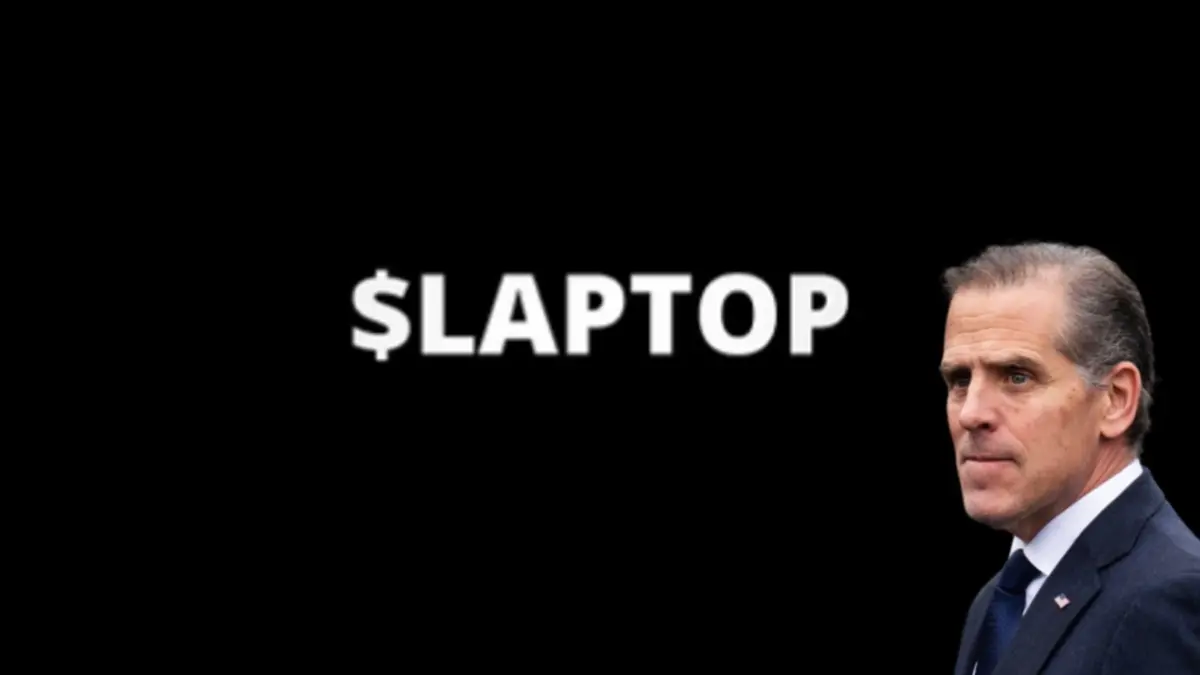
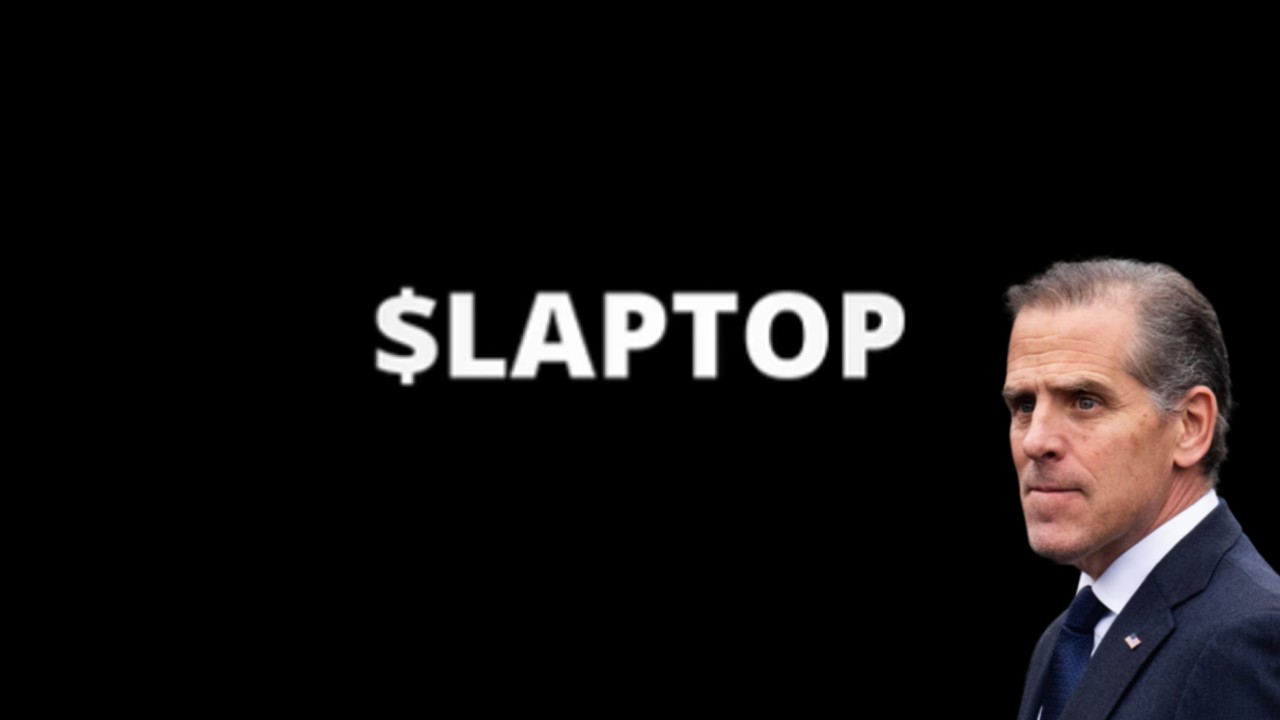
In an unexpected intersection of modern digital culture, cryptocurrency speculation, and high-profile political media, Hunter Biden—son of former U.S. President Joe Biden—sparked a fierce online firestorm on September 7th, 2026. Hunter officially announced the upcoming launch of a decentralized digital asset named the $LAPTOP Meme Coin. Pegged directly to one of the most infamous political controversies of the 2020 election cycle—the recovery and subsequent leak of his abandoned laptop—the announcement immediately dominated online discourse.
What was ostensibly marketed as a satirical or pop-cultural nod to a heavily scrutinized chapter of his life quickly devolved into a multi-faceted public relations crisis. Within hours of the announcement on X (formerly Twitter), financial commentators, internet sleuths, and prominent content creators roundly condemned the project. Critics categorized $LAPTOP as a typical "pump-and-dump" scheme, expressing deep disappointment that Hunter Biden would enter the speculative cryptocurrency market after spending the preceding year attempting to publicly rehabilitate his personal image.
Compounding the controversy was an immediate fallout involving independent journalist Andrew Callaghan and his widely popular digital media platform, Channel 5. It was revealed that Channel 5 had shared a portion of its proprietary mailing list with Hunter Biden, which his promotional team intended to leverage for the token’s rollout. Although Channel 5 swiftly issued a formal denunciation of the cryptocurrency and claimed that no public subscriber data was ever compromised or messaged, the revelation triggered intense backlash regarding digital privacy, editorial ethics, and the coziness between alternative media creators and political figures.
This comprehensive report examines the timeline of the $LAPTOP meme coin launch, the swift condemnation from digital watchdogs like Coffeezilla, the fallout for Channel 5, and the broader implications of political figures capitalizing on the volatile meme coin ecosystem.
Detailed Chronology: From Social Media Teaser to Digital Outrage
The events surrounding the introduction of the $LAPTOP meme coin unfolded at a breakneck pace, driven by real-time reactions across social media platforms.
September 7, 2026: The Announcement
At approximately 4:48 PM EST, Hunter Biden published a promotional video via his official X account (@HunterBiden). The short clip featured a montage of media figures and commentators discussing the 2020 laptop controversy, culminating in the bold announcement of a new digital token titled $LAPTOP. The accompanying text indicated a scheduled launch date of September 9th, 2026. The post gained immediate traction, racking up over 13,000 likes and 3,400 reposts within its first 24 hours online.
The Backlash Immediacy
Almost simultaneously, prominent digital investigators and online personalities mobilized against the announcement. At 4:51 PM, well-known cryptocurrency investigator and YouTuber Coffeezilla (@coffeebreak_YT) issued a blistering public warning to his followers: "After months of calling out Trump corruption, Hunter Biden is launching his own shitcoin called LAPTOP. Do not buy it." The warning resonated deeply across the platform, garnering over 20,000 likes in a single day and setting a hostile tone for the token’s market reception.
Later that evening, content creator Brandon Buckingham echoed these sentiments, writing, "I love that popular creators had Hunter Biden on their channels to rehabilitate his image just for him to turn around and drop a pump and dump shit coin LOL." Buckingham’s critique highlighted a growing sentiment among internet commentators that Hunter’s recent media tour—which included high-profile sit-downs with alternative interviewers—was merely a runway for future commercial monetization.
The Channel 5 Disclosure and Crisis Control
As criticism mounted regarding how the token was being marketed, attention shifted toward Andrew Callaghan’s Channel 5. Recognizing the imminent PR disaster, Channel 5 published an official statement across its social media networks on the evening of September 7th.
The statement acknowledged that Channel 5 had previously provided Hunter Biden’s team with a CSV spreadsheet containing email data from their mailing list under the impression that it would be used for a legitimate "new product" launch. However, Channel 5 explicitly distanced itself from the project, declaring: "We have not, do not, and never will advertise crypto… As we have told our followers numerous times, we do not believe crypto is a legitimate investment."
In an attempt to quell fears of a massive privacy breach, Channel 5 posted a crucial addendum on X: "ALSO: emails from Hunter’s team have not gone out to any of our public subscribers, we were able to get all info completely removed from list before blast was sent."
Despite these assurances, the damage to public trust was palpable. Netizens and creators alike criticized the channel for mishandling private user data, raising serious questions about the ethical boundaries governing independent media partnerships.
Supporting Context & Metrics: The Anatomy of a Meme Coin Controversy
To fully understand the weight of the $LAPTOP controversy, one must analyze the intersection of meme coin economics, the 2020 laptop incident, and the shifting dynamics of alternative media.
The Legacy of the "Laptop from Hell"
The branding of the $LAPTOP token directly references the October 2020 New York Post report detailing the contents of a laptop allegedly dropped off at a Delaware repair shop by Hunter Biden. The contents—spanning personal photographs, business emails, and sensitive documents—became a central focal point of political polarization in the United States. By naming a speculative financial asset after this traumatic and heavily politicized event, Hunter Biden leaned directly into internet irony, a hallmark of modern meme coin culture where historic scandals are frequently tokenized for quick financial speculation.
Meme Coins as Speculative Instruments
Meme coins—cryptocurrencies often born out of internet jokes, viral trends, or pop-culture moments—have experienced massive surges in popularity across various blockchains (such as Solana, Ethereum, and Base). While proponents view them as decentralized, community-driven fun, financial regulators and consumer advocates frequently condemn them as speculative "pump-and-dump" schemes. In these setups, early insiders or high-profile issuers can accumulate large supplies before retail investors pile in, often leaving everyday buyers with heavy financial losses when the asset’s value inevitably collapses.
The entry of a prominent political figure like Hunter Biden into this space was viewed by financial watchdog accounts, such as Coffeezilla, as a dangerous crossing of the ruble—normalizing predatory financial speculation under the guise of internet humor.
Media Access vs. Editorial Independence
The controversy also exposed the fragile relationship between independent media outlets and controversial public figures. Over the preceding months, Channel 5 had positioned itself as a gritty, unfiltered journalistic platform, conducting long-form interviews with Hunter Biden—including a widely discussed July 2026 debate between Biden and political commentator Nick Fuentes.
However, the revelation that Channel 5 shared mailing list data with Biden damaged this perceived independence. Critics on social media, including YouTuber Wavywebsurf, questioned whether the exclusive interviews granted to Channel 5 were part of a quid-pro-quo arrangement that ultimately compromised audience trust. The accusation—that fan-submitted data given in confidence was leveraged for political or commercial access—sparked intense debate over creator transparency and audience consent in the digital age.
Official Statements & Public Reactions
The public reaction to the $LAPTOP launch was swift, unified largely in its disdain across multiple political and cultural factions. Below is a breakdown of key statements issued during the height of the controversy:
- Coffeezilla (@coffeebreak_YT): "After months of calling out Trump corruption, Hunter Biden is launching his own shitcoin called LAPTOP. Do not buy it." — Highlighting the perceived hypocrisy of leveraging political scandals for speculative financial gain.
- Brandon Buckingham (@BuckinghamShow): "I love that popular creators had Hunter Biden on their channels to rehabilitate his image just for him to turn around and drop a pump and dump shit coin LOL." — Pointing out the perceived manipulation of alternative media by public figures seeking image makeovers followed by monetization.
- Channel 5 Official Statement: "Channel 5 and I have nothing to do with Hunter Biden’s crypto coin… Hunter asked if he could use our mailing list whenever he launched a new product. We provided him a simple csv sheet from our email list to help him expand his audience… We do not believe crypto is a legitimate investment." — Attempting to distance the brand from the crypto asset while admitting to sharing data lists.
- Wavywebsurf: "Bro this seems insanely fucked lol… I’m not saying this is exactly what happened… but it LOOKS like you bribed Hunter to do an interview using fan emails that were given to you in confidence without said fans consent." — Articulating the deep distrust felt by regular consumers regarding the handling of their private data.
Future Outlook: Long-Term Repercussions for Hunter Biden and Independent Media
As the dust settles on the initial announcement and subsequent backlash, the $LAPTOP meme coin controversy leaves a lasting imprint on both the digital asset space and the landscape of alternative digital journalism.
1. Regulatory and Reputational Fallout for Hunter Biden
For Hunter Biden, the launch of $LAPTOP risks unraveling the goodwill built during his year-long public relations rehabilitation campaign. While meme coins operate largely in a legal gray area, associating his name with a speculative digital asset invites intense scrutiny from both political opponents and financial regulators. If the token experiences severe volatility or losses for retail buyers, it could provide fresh ammunition for critics who argue that public figures should be held to higher ethical standards regarding financial promotions.
2. A Reckoning for Creator Data Ethics
For Channel 5 and Andrew Callaghan, the incident serves as a cautionary tale regarding data hygiene and transparency. In an era where digital creators rely heavily on direct-to-consumer mailing lists, newsletters, and Patreon databases to bypass algorithmic suppression, reader trust is paramount. The admission that a client list was shared with an outside political figure—even if intended solely for a "new product" and intercepted before a blast occurred—has permanently altered how a segment of their audience views the platform’s operational ethics. Moving forward, independent creators will likely face heightened pressure to establish strict firewalls between their editorial content and commercial partnerships.
3. The Gamification of Politics
Ultimately, the $LAPTOP meme coin highlights a broader cultural trend: the total gamification and financialization of political controversy. As long as decentralized blockchains allow anonymous or high-profile actors to instantly tokenize cultural moments, public figures will continue to test the boundaries of digital monetization. Whether $LAPTOP becomes a cautionary financial case study or merely a bizarre footnote in internet history, it cements a new era where political scandals are no longer just debated in the press—they are bought and sold on the open market.