Executive Overview
The sprawling, intricate universe of Frank Herbert’s seminal science fiction masterpiece continues its relentless expansion across modern media formats. For enthusiasts eager to peer into the narrative horizon ahead of director Denis Villeneuve’s anticipated third and final cinematic installment—slated to hit silver screens globally on December 18, 2026—a new literary avenue has officially opened. Abrams ComicArts is systematically broadening its acclaimed lineup of Dune graphic novel adaptations, turning its sophisticated visual lens toward Herbert’s provocative 1969 sequel, Dune Messiah.
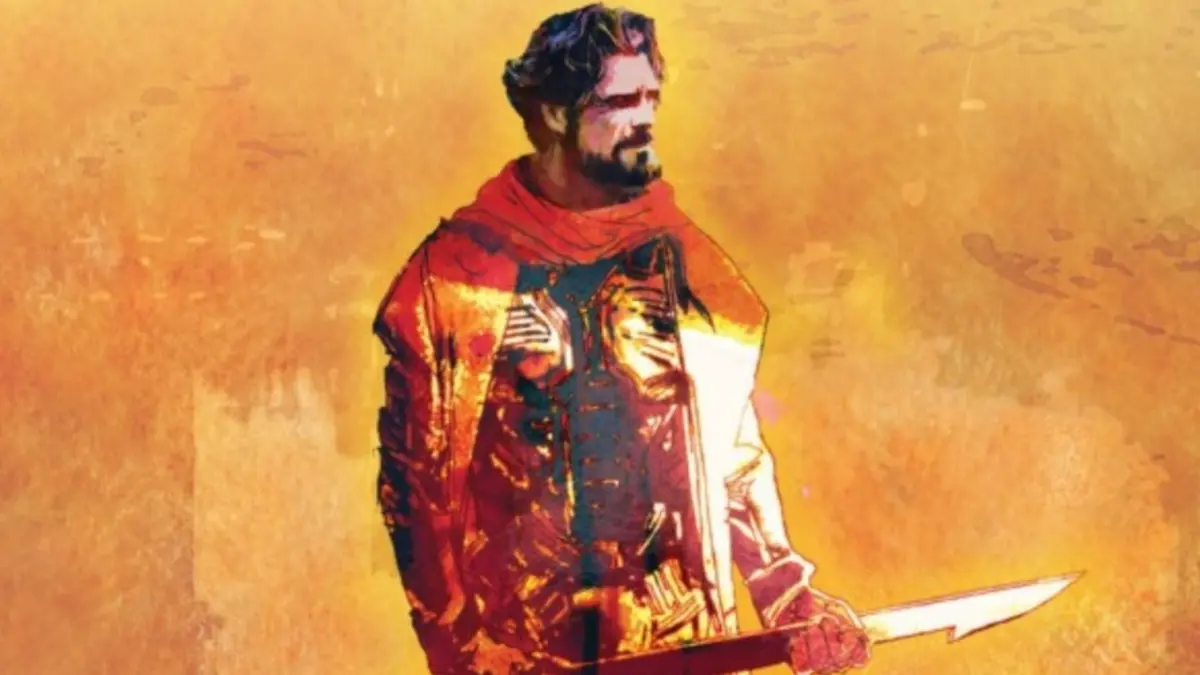
Arriving on store shelves just in time to prime the literary pump, Dune Messiah: Book 1 represents the initial half of a two-volume comic book translation of the pivotal novel. Spearheaded by seasoned Dune expanded-universe architects Kevin J. Anderson and Brian Herbert, the project brings together the atmospheric, sweeping illustrations of artist Michael Shelfer and a striking, thematic cover by legendary illustrator Bill Sienkiewicz. This publication bridges a critical gap in the transmedia landscape. As audiences prepare for a cinematic release date that pop culture has enthusiastically dubbed "Dunesday," this graphic novel offers a fresh, visually arresting lens through which to examine the sobering trajectory of Paul Atreides.
Far from a standard, glossy spin-off, Dune Messiah: Book 1 confronts readers with the thematic weight that originally shocked 1960s audiences: the realization that the triumphant hero of the first novel is now an absolute monarch presiding over a holy war, trapped by his own prescient visions, and ringed by a web of ruthless conspirators. Through an exclusive preview window, critics and fans alike can now inspect how this creative coalition has captured the stark, sun-blasted vistas of Arrakis and the claustrophobic paranoia of the imperial court.
Detailed Chronology: The Journey From 1969 Pulp to Graphic Novel Prestige
To truly appreciate the significance of Abrams ComicArts’ latest publication, one must trace the historical and creative timeline that birthed Dune Messiah and subsequently steered it into the realm of sequential art.
The Literary Genesis (1969)
When Frank Herbert published Dune Messiah in the pages of Galaxy magazine in 1969 before its hardcover release, the reaction was famously divided. Readers who had fallen in love with the classic, mono-mythic hero’s journey of Paul Atreides in the original 1965 novel were confronted with a darker, more deconstructive narrative. Herbert refused to let his protagonist rest on his laurels as a conqueror. Instead, Dune Messiah laid bare the horrific consequences of religious fanaticism, absolute political centralization, and the dangerous burden of seeing the future. It was a subversion of the messiah archetype that took decades for the broader science fiction community to fully digest and celebrate.
The Transmedia Expansion Era (2000s–Present)
Following Frank Herbert’s passing, his son, Brian Herbert, alongside co-writer Kevin J. Anderson, took up the mantle of the Imperium. They authored a vast array of prequel, sequel, and interquel novels that fleshed out the Dune encyclopedia. However, translating the densely philosophical prose of the original novels into graphic fiction required an entirely different editorial and artistic cadence. Abrams ComicArts recognized this gap, systematically adapting the core novels into multi-part graphic novel formats designed to onboard new generations of readers raised on visual media while offering longtime purists a dynamic new interpretation.
The 2026 Publication Milestone
- November 2, 2026: Ahead of its official release date, major outlets—including IGN—unveil exclusive interior artwork previews, giving fans a detailed look at Michael Shelfer’s penciling and the atmospheric color palette employed to render the post-jihad universe.
- November 3, 2026: Dune Messiah: Book 1 officially lands in comic book specialty shops and bookstores nationwide, setting the stage for the literary consumption of the winter season.
- Late 2026 / 2027 Horizon: While Book 1 hits shelves in late autumn, Abrams ComicArts has confirmed that Dune Messiah: Book 2 is actively slated for publication in 2027, completing the two-part adaptation cycle.
Supporting Context & Metrics: The Anatomy of a Sci-Fi Masterpiece
The transition of Dune Messiah from prose to panels is backed by a powerhouse creative team and a meticulously structured editorial blueprint. Understanding the scale of this project requires examining the core narrative stakes and the artistic choices driving the adaptation.
Narrative Stakes and Plot Architecture
In Dune Messiah: Book 1, the geopolitical landscape of the known universe has been utterly transformed. Paul Atreides sits upon the Lion Throne as Emperor, yet his supreme authority has turned him into the ultimate target.
- The Fremen Factor: Revered as a divine, messianic figure by the billions of Fremen holy warriors who swept across the galaxy in his name, Paul is simultaneously trapped by the very religion he spawned—a terrifying crusade that he was powerless to stop entirely.
- The Imperial Conspiracies: Behind the gilded halls of his court, a dangerous coalition of enemies closes in. This shadow alliance features remnants of the fallen houses, the secretive Sisterhood of the Bene Gesserit, the manipulative Spacing Guild, and the enigmatic Face Dancers of the Tleilaxu.
- The Burden of Sight: As Paul’s prophetic visions begin to fracture and shift unpredictably, the stability of his empire hangs by a thread. The narrative examines not just political survival, but the emotional cost borne by Paul and those he holds dearest, including his concubine Chani.
Artistic and Creative Metrics
Translating this web of paranoia and planetary grandeur required a distinct division of labor among modern comics veterans:

- Adaptation Writers: Kevin J. Anderson and Brian Herbert, whose decades-long stewardship of the Dune expanded universe ensures absolute fidelity to the source material’s intricate lore, terminology, and character motivations.
- Interior Artist: Michael Shelfer, whose expressive character work and expansive panel layouts manage to convey both the desolate, claustrophobic interiors of Imperial strongholds and the vast, baking expanses of the desert planet Arrakis.
- Cover Artist: Bill Sienkiewicz, whose avant-garde, painterly style provides an arresting, iconic gateway that signals to buyers that this is not a standard superhero book, but a prestige literary comic.
Official Statements and Creative Insights
The creative minds behind the project have been vocal about the unique challenges of reinterpreting Frank Herbert’s controversial middle chapter.
In an official statement accompanying the release of the preview gallery, co-adaptor Kevin J. Anderson emphasized the tonal shift that makes Dune Messiah such a compelling piece of literature—and a fascinating graphic novel challenge:
"Dune Messiah, Frank Herbert’s sequel to Dune, was a surprise to readers in its tone and message and how the great hero Paul Atreides falls to corruption and treachery," Anderson noted. "In interpreting this story in a faithful, scene-by-scene graphic novel, we focused on the scope of the vast landscapes, the color of the culture, and the characters struggling with forces beyond their control. Michael Shelfer’s art makes the story expansive and a delight for the reader’s eye."
Publishing houses like Abrams ComicArts have similarly underscored the project’s ability to sharpen the core philosophical pillars of the franchise. According to the official publisher summary released alongside the preview:
"In Dune Messiah: Book 1, Paul Atreides is now Emperor of the known universe, but absolute power has made him both a ruler and a target… Rich, detailed artwork captures the scale of Arrakis and the complexity of its characters, while the visual format sharpens the story’s core tensions—power, religion, and destiny—with new immediacy."
Future Outlook: From "Dunesday" to the Silver Screen
The arrival of Dune Messiah: Book 1 is occurring against a backdrop of unprecedented transmedia synergy for the Dune franchise. The literary adaptation serves as an essential companion piece for cinema enthusiasts tracking the trajectory of Denis Villeneuve’s cinematic universe.
The December 18, 2026 Cinematic Climax
On December 18, 2026—a date lovingly branded by fans and box-office analysts as "Dunesday"—Warner Bros. will release Dune: Part Three into theaters worldwide. The film will grapple with the concluding movements of Paul Atreides’ tragic arc, bringing the cinematic narrative to what Villeneuve has maintained will be his final trip to Arrakis.
Divergence and Adaptation in Part Three
However, eagle-eyed fans tracking early promotional material and trailers have noted that Dune: Part Three may take creative liberties, potentially diverging from the precise plot beats laid down in Frank Herbert’s Dune Messiah text. Elements such as the vocalization of Edric the Navigator and subtle restructuring of political betrayals indicate that Villeneuve is crafting a cinematic synthesis designed for the language of film.
Consequently, reading Dune Messiah: Book 1 (and anticipating the arrival of Book 2 in 2027) offers audiences a dual-track experience. It allows fans to absorb the unvarnished, faithful literary vision of Frank Herbert’s subversion through sequential art while simultaneously appreciating the bold cinematic interpretations unfolding on the big screen. Whether experienced as a standalone work of graphic fiction or as a vital preparatory manual for "Dunesday," Abrams ComicArts’ latest release ensures that the legend of the Kwisatz Haderach remains as vibrant, haunting, and cautionary as ever.