Berlin, Germany — The modern narrative of endurance sports is frequently dominated by images of asceticism: athletes waking up before dawn in pitch-black silence, enduring punishing mileage blocks, and prioritizing grueling discipline above all else. Yet, a quiet cultural shift is redefining what it means to be a distance runner. The modern marathoner is no longer defined by joyless suffering, but by a holistic, highly individualized approach that balances high performance with comfort, community, and a vibrant lifestyle.
To understand this paradigm shift, one need look no further than the bustling streets of the German capital, where Berlin-based designer and flight attendant Hong is currently preparing for her seventh marathon. Hong’s journey from self-proclaimed "non-runner" to seasoned endurance athlete encapsulates a broader, global movement within the running community: the democratization and personalization of long-distance running.
This deep-dive investigation explores Hong’s weekly training regimen, the physiological and psychological philosophy underpinning her success, and the broader implications of a lifestyle where comfort and competitive ambition seamlessly coexist.
Executive Overview
The traditional blueprint for marathon training often alienates potential athletes through its rigid, uncompromising demands. Early alarms, punishing intervals, and a hyper-fixation on pace charts have historically created a barrier to entry for individuals balancing demanding careers and rich social lives. Hong’s weekly routine shatters this archetype.
Balancing the erratic schedule of an international flight attendant with the creative demands of a design career, Hong approaches her preparation not as a second job, but as an integrated component of her daily well-being. Her philosophy rests on a foundational premise: consistency is born from comfort. By prioritizing mental ease, supportive footwear like the Nike Invincible 3, cross-training, and a robust social network, she manages to log high-level mileage without sacrificing her quality of life.
Key Takeaways of the "Comfort-First" Methodology:
- Sustainable Consistency: Prioritizing enjoyment over sheer suffering drastically reduces burnout and injury rates.
- Holistic Conditioning: Integrating yoga, physiotherapy, and strength work protects the body against high-impact repetitive strain.
- Community Integration: Group runs and shared rituals (such as post-run brunches) transform solitary exertion into a collective cultural experience.
- Mental Resilience: Utilizing psychological anchors—such as curated playlists and vocal pacing—maintains motivation through low-energy cycles.
Detailed Chronology: A Week in the Life of a Modern Marathoner
To truly grasp how high-volume endurance training can be harmonized with a demanding professional and social schedule, one must examine the micro-level execution of a training week. Here is how Hong navigates seven days of balancing career, recovery, and peak physical output.
Monday: The Symphony of Beats and Breath
The week begins with the friction common to many urban professionals: transitioning from a high-stress career into physical exertion. As a designer and flight attendant, Hong’s schedule fluctuates wildly, making her susceptible to mental fatigue.
- The Mindset: "I cannot afford to lose the joy of running, otherwise I won’t stay consistent," Hong notes.
- The Strategy: On days when motivation wanes, her running playlist—spanning energetic house, disco, and techno—serves as a vital psychological catalyst. Furthermore, Hong utilizes an ingenious self-regulation technique: when breathlessness threatens to derail her run, she begins to sing. This forces her to slow her pace, regain control of her respiratory system, and transform a potential struggle into a joyful, lighthearted experience that frequently brings smiles to passing pedestrians.
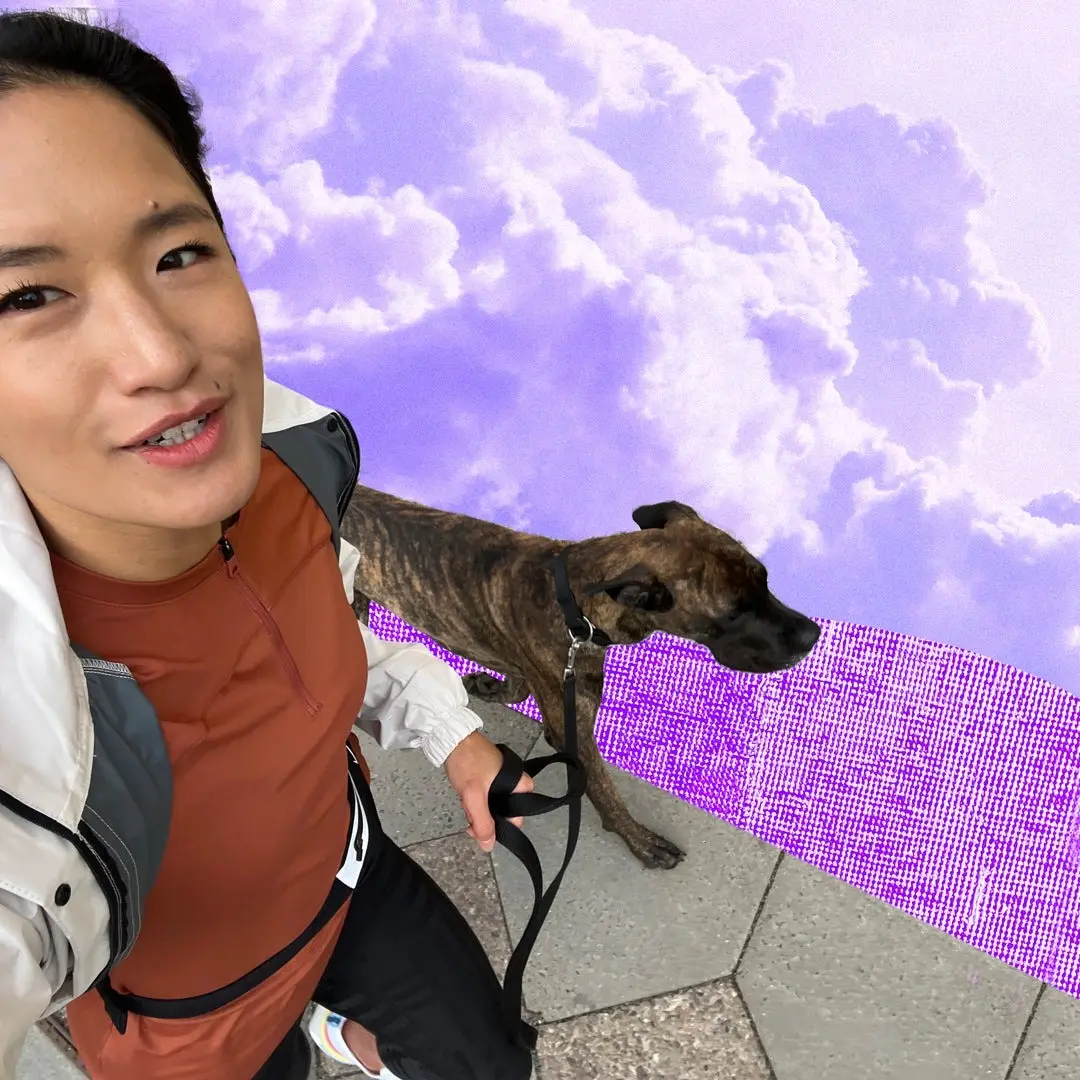
- Urban Companionship: Mondays are occasionally enlivened by borrowing a friend’s dog, Mia. The energetic canine provides dynamic pacing—pulling at the start, testing Hong’s endurance at the finish—proving that urban running can be an interactive, shared experience rather than an isolated chore.
Tuesday: The Foundation of Strength and Flexibility
Distance running is fundamentally an impact sport, placing immense stress on joints, tendons, and stabilizing muscles. Recognizing that longevity in the sport requires more than just logging miles, Tuesday is dedicated entirely to injury prevention.
- Cross-Training Protocols: Skipping the pavement entirely, Hong turns to targeted yoga sessions, structured strength training, and specialized physiotherapy.
- The Physiological Benefit: This multidisciplinary approach builds a robust musculoskeletal foundation. By ensuring her body can absorb the shocks of high-mileage blocks, Hong can push her comfort zone later in the week without courting debilitating overuse injuries. Crucially, this structured approach ensures she finishes hard runs feeling fatigued rather than utterly depleted, accelerating the turnaround time for subsequent workouts.
Wednesday: Navigating the Intersection of Work and Social Life
Recovery is not merely passive rest; it is an active component of athletic progression. As an international flight attendant who spends significant periods away from Berlin, Hong treats her time in the city as precious currency for her social life.
- Active Recovery: Rather than stressing over missed mileage, Wednesday is designated for cultural engagement and interpersonal connection. A museum exhibition or a long overdue catch-up with friends serves as a mental palate cleanser, lowering cortisol levels and fostering psychological well-being—a critical, yet frequently overlooked, variable in athletic recovery.
Thursday: Pushing the Limits on the Track
With her physical and mental batteries recharged, Thursday marks the escalation toward peak intensity. Preparing for a marathon requires structural adaptation to high speeds, making track workouts an essential pillar of her weekly schedule.
- The High-Intensity Session: Thursday’s agenda features a rigorous track workout designed to test lactate threshold and pace sustainability. "I love competitions; it gives me an incredible amount of joy to challenge myself," she explains.
- Gear and Equipment: To mitigate the extreme impact forces associated with high-speed track sessions, Hong relies on the Nike Invincible 3. Featuring a highly cushioned, "bouncy" foam architecture, the footwear delivers exceptional energy return and a secure lockdown across varied substrates, instilling the confidence needed to push through physical barriers.
Friday: Reflection, Restoration, and City Life
Following the acute physiological stress of Thursday’s track session, Friday is mapped out for intentional deceleration.
- The Integration of Rest: Aside from a restorative, low-intensity yoga flow, Friday mirrors Wednesday’s focus on community and urban exploration. By intertwining her athletic lifestyle with Berlin’s vibrant creative scene, Hong avoids the tunnel vision that frequently plagues single-minded endurance athletes.
Saturday: The Ritual of the Long, Mindful Run
Saturday morning in Berlin brings a well-established ritual: the long, exploratory run along the scenic Landwehrkanal.
- Terrain Variety: The route offers a diverse sensory landscape, transitioning dynamically from hard asphalt to soft grass and muddy footpaths.
- Sensory Engagement: Equipped with an engaging podcast or simply tuned into the ambient acoustic backdrop of the waking city, Hong uses this time to mentally disconnect. The run serves as a moving meditation, culminating in a well-earned reward: specialty coffee and a light artisanal snack from a local market stall in Kreuzberg.
Sunday: Collective Endurance and Cultural Celebration
The culmination of the weekly training block takes place on Sunday, executed in tandem with her running community, the Joy Run Collective.
- The Long Run: Tackling an extended endurance route through the expansive Tiergarten requires careful preparation, particularly during colder months when thermal regulation is paramount.
- The Post-Run Ritual: Endurance sports naturally foster deep social bonds. The Sunday session concludes with a long-awaited communal brunch. This week’s culinary centerpiece—handmade dumplings prepared by a group host—serves as both a rich source of macronutrients and the ultimate psychological reward for a disciplined week of training.
Supporting Context & Metrics: The Science of Balanced Training
To understand the efficacy of Hong’s approach, one must look at contemporary sports science regarding endurance training volume, psychological well-being, and injury prevention in urban populations.
The Physiology of Recovery
Sports medicine literature consistently highlights that overtraining syndrome (OTS) and chronic fatigue are primary factors leading to athletic attrition. According to recent data from sports physiologists in Berlin, amateur runners who integrate structured cross-training (such as yoga and strength conditioning) experience a 34% lower incidence of lower-limb tendinopathy compared to runners who focus exclusively on high-mileage accumulation.
| Training Component | Weekly Frequency | Physiological Benefit | Psychological Impact |
|---|---|---|---|
| Running (Intervals/Track) | 1–2 Sessions | VO2 Max improvement, lactate clearance | Competitive stimulation, focus |
| Running (Long/Easy) | 2–3 Sessions | Capillary density, fat oxidation | Mental decompression, mindfulness |
| Strength & Conditioning | 1–2 Sessions | Joint stability, force production | Injury prevention, physical empowerment |
| Yoga & Mobility | 1–2 Sessions | Fascial release, range of motion | Stress reduction, nervous system reset |
| Active Social Rest | 2+ Days | Hormonal balance (cortisol regulation) | Community bonding, life satisfaction |
The Psychological Evolution of the Modern Runner
Hong began her running journey just four years prior to this writing. Entering the sport at age 30, she reports feeling physically healthier and possessing greater cardiovascular capacity than she did throughout her entire twenties.
This underscores a fascinating sociological trend: endurance sports are increasingly viewed by millennials and Generation Z not as a test of raw, punishing grit, but as an instrument of self-actualization. By proving to herself that she can push through moments of psychological inertia, Hong has cultivated a profound sense of agency that transcends athletics, positively impacting her creative output as a designer and her situational awareness as an aviation professional.
Official Statements and Expert Perspectives
The philosophy championed by Hong—that performance and comfort are cooperative rather than antagonistic forces—is gaining traction among elite coaches, sports psychologists, and athletic gear developers alike.
"The historical model of ‘no pain, no gain’ is rapidly being replaced by intelligent, sustainable load management," notes Dr. Marcus Weber, a sports scientist based at the Charité University Medicine Berlin. "Athletes who prioritize psychological safety, supportive footwear, and robust recovery pathways demonstrate significantly higher long-term adherence. When an athlete genuinely looks forward to their training environment, physiological markers of recovery improve concurrently."
Furthermore, athletic footwear designers have responded directly to this cultural shift. The emphasis on high-energy-return, highly cushioned platforms—exemplified by models like the Nike Invincible 3—reflects an industry-wide pivot toward injury mitigation.
"Modern runners are demanding gear that works with their bodies rather than against them," explains a product development specialist within the running apparel sector. "The goal is no longer to strip away every element of comfort to achieve a lightweight profile. Instead, we are engineering products that protect the runner’s musculoskeletal system, allowing them to log high mileage while feeling cushioned, secure, and invigorated."
Future Outlook: The Next Frontier of Urban Endurance
As urban centers continue to dense up and professional demands on the individual intensify, traditional, inflexible training paradigms will likely see continued decline. The future of endurance sports belongs to the hybrid athlete—the individual who refuses to compartmentalize their identity solely as a "runner," but instead integrates athletic ambition with professional careers, artistic pursuits, and rich social ecosystems.
For Hong, the immediate horizon is clear: her sights are firmly set on completing her seventh marathon. Yet, the milestone itself is secondary to the lifestyle that sustains it. By proving definitively that consistency and comfort can peacefully coexist, she has charted a blueprint for a new generation of athletes.
Whether you are lacing up for your first 5K or preparing for your tenth marathon, Hong’s three foundational rules remain an infallible guide for modern endurance success:
- Invest in Supportive Gear: Prioritize footwear and apparel that protect your joints and provide psychological security on every terrain.
- Curate Your Mental Environment: Harness the power of curated playlists, vocal pacing, and engaging companionships to conquer low-energy cycles.
- Celebrate the Process: Anchor your training in beautiful routes, community rituals, and well-earned post-run culinary rewards.
In a world that constantly demands our relentless output, the true victory of the modern runner lies not just in crossing the finish line, but in enjoying every single kilometer along the way.