Executive Overview
The modern narrative surrounding endurance sports is undergoing a profound cultural and psychological shift. For decades, the dominant archetype of the marathon runner was built on images of grueling dawn raids, ascetic lifestyle choices, and a philosophy defined by the suffering-centric mantra of "no pain, no gain." However, as urban fitness communities expand and diversify, a new wave of athletes is challenging these archaic paradigms. They are proving that high-performance endurance goals can coexist harmoniously with comfort, social connection, professional demands, and a genuine appreciation for leisure.
At the epicenter of this movement is Hong, a Berlin-based designer, international flight attendant, and veteran endurance athlete currently training for her seventh official marathon. Hong’s journey from a self-proclaimed non-runner who favored the snooze button to a dedicated multi-marathoner offers a compelling case study in sustainable fitness. Her philosophy—dubbed the "comfort-first consistency" model—demonstrates that the psychological barriers to entry in running can be systematically dismantled through intentional lifestyle design, community integration, and an unwavering commitment to personal well-being.
This feature explores Hong’s weekly training architecture, dissecting how she balances an erratic travel schedule, creative professional output, and rigorous athletic preparation. By examining her methods, from specialized gear selection and cross-training to community-driven long runs and holistic recovery protocols, we uncover a blueprint for modern athletic success that prioritizes longevity and joy over sheer exhaustion.
Detailed Chronology: A Week in the Life of a Balanced Marathoner
To truly understand how Hong manages to log high mileage while maintaining a vibrant social life and a demanding career, one must examine her weekly schedule. Far from the rigid, monastic routines often associated with elite endurance training, Hong’s week is a masterclass in dynamic time management and psychological pacing.
Monday: Setting the Tone with Rhythm and Companionship
Monday mornings in Berlin often arrive with a heavy sense of administrative and professional dread, particularly for someone juggling the transnational demands of aviation with graphic design deadlines. For Hong, the transition into the workweek begins not with a punishing speed session, but with an intentional focus on mental priming.
"I am a designer and a flight attendant," Hong explains, reflecting on her demanding professional reality. "Combined with my training volume, my weeks are remarkably full. To stay consistent, I cannot afford to lose the joy of running."
Her primary tactical advantage on a sluggish Monday is her curated running playlist. Eschewing the silent, meditative runs favored by purists, Hong leans heavily into upbeat auditory stimuli—specifically drawing from a mix of house, techno, and disco tracks—when her energy reserves are depleted. Furthermore, she employs a clever physiological hack when fatigue threatens to derail her pace: she sings.
"If I run out of breath during a run, I drop my pace and start singing," she notes with a smile. "This forces me to slow down and regain control of my breathing. The run instantly becomes more enjoyable, and I notice people smiling as I run past them singing."
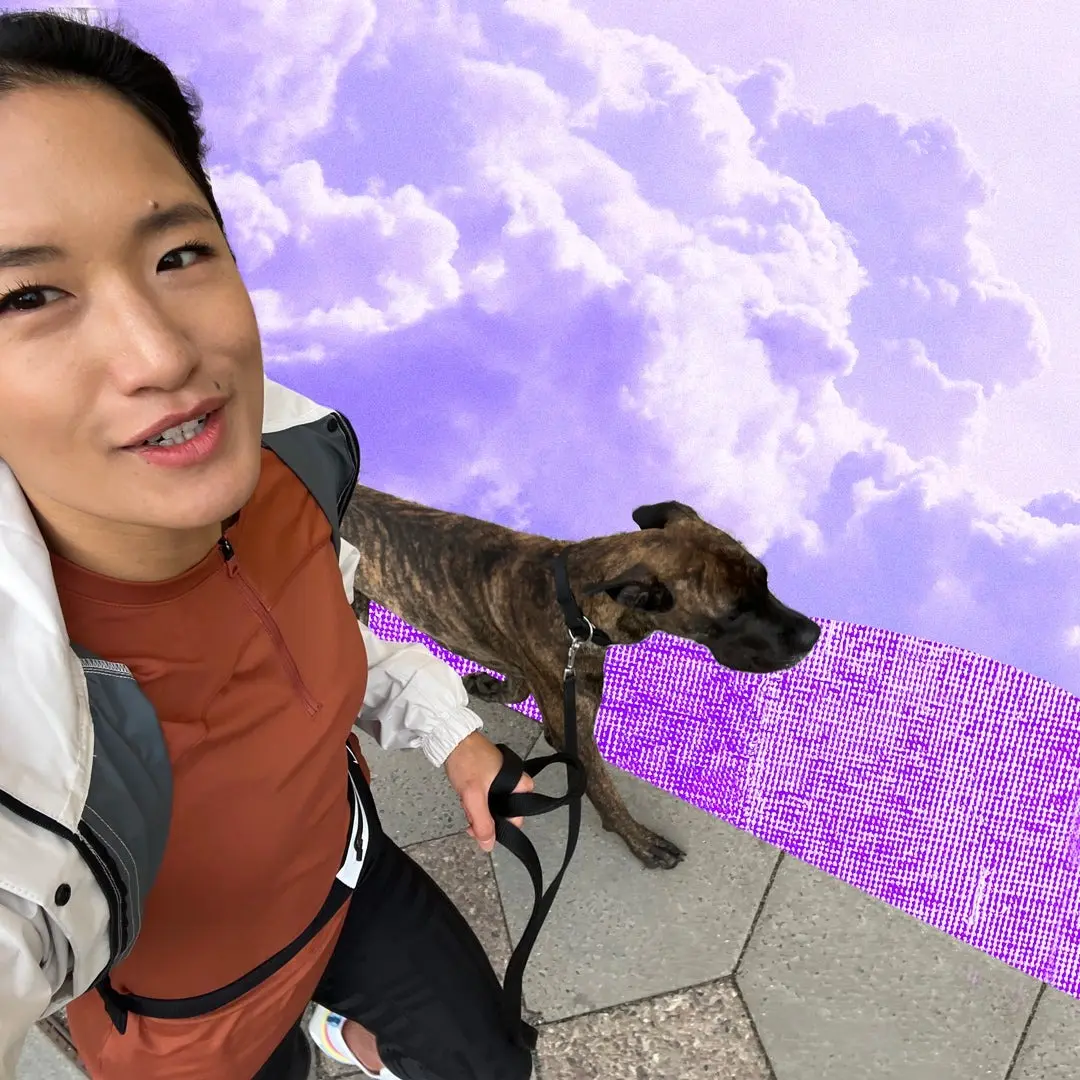
To elevate Monday’s session further, Hong frequently incorporates canine companionship, borrowing a friend’s dog, Mia. Known for her boundless energy, Mia introduces a playful competitive dynamic to the route. "At the beginning, she pulls me; at the end, I pull her," Hong shares. "I might not be as fast as her, but when it comes to endurance, I win."
Tuesday: The Foundation of Longevity — Cross-Training and Conditioning
While cardiovascular mileage is essential for marathon preparation, experienced runners know that the race is rarely won on running days alone. Tuesday represents a deliberate pivot away from asphalt and toward structural integrity. Hong dedicates this day to a holistic conditioning regimen consisting of yoga, targeted strength training, and specialized physical therapy.
This triad of cross-training activities is not merely supplemental; it is foundational. By strengthening stabilizing muscles and maintaining joint mobility, Hong fortifies her musculoskeletal system against the repetitive impact forces inherent in marathon training.
"This comprehensive program helps me step out of my comfort zone and test my limits during my runs," Hong emphasizes. "It ensures I have a solid foundation, meaning I am not completely wiped out after particularly strenuous runs. After a rest period—which is just as much a part of training as the workouts—I can lace up my running shoes again the next day or the day after and keep going."
Wednesday: Navigating the Intersection of Work, Rest, and Culture
As a flight attendant, Hong’s geography is in a state of perpetual flux. Consequently, days spent grounded in Berlin are precious commodities, treated with a reverence that supersedes obsessive workout tracking. Wednesday serves as a designated sanctuary for rest, cultural enrichment, and interpersonal connection.
Rather than forcing an unnecessary recovery jog, Hong deliberately steps away from the athletic mindset. She immerses herself in Berlin’s thriving art scene, visiting contemporary exhibitions and catching up with friends scattered across the city’s diverse neighborhoods. This psychological decompression is vital; by separating her identity from her athletic metrics, she prevents mental burnout and preserves the intrinsic motivation required for long-term training blocks.
Thursday: Pushing Boundaries and Embracing High-Performance Gear
If Monday and Wednesday are defined by rhythm and recovery, Thursday is where the crucible of marathon preparation takes center stage. This is the day for high-intensity track workouts designed to push physiological thresholds, test anaerobic capacity, and refine pacing strategies.
However, even when confronting a punishing session of interval repeats, Hong refuses to abandon her commitment to comfort. "Some people think marathon runners tumble out of bed at 5:00 AM and effortlessly run 20 kilometers," she observes. "In reality, I sometimes need an extra dose of motivation. That is why comfort is so crucial for me, whether I am facing an easy recovery jog or a brutal track session."
To mitigate the physical toll of high-intensity intervals, Hong relies on advanced footwear engineering, specifically favoring the Nike Invincible 3. The shoe’s responsive, high-stack cushioning and secure platform provide the psychological and physical safety net needed to attack rigorous track workouts without fear of impact-related fatigue.
Friday: Social Integration and Urban Exploration
Following the intense physiological demands of Thursday’s track session, Friday is characterized by active recovery and deep social engagement. Hong’s approach to rest is remarkably active: she meets friends, explores local galleries, and absorbs the vibrant cultural fabric of her home city. Because her profession frequently removes her from Berlin for days at a time, her onshore days are infused with a sense of urgency to connect, experience, and recharge her social battery.
Saturday: The Meditative Ritual of the Long, Slow Distance (LSD) Run
Saturday morning marks the execution of Hong’s standard training route: a picturesque, varied loop along the Landwehrkanal. This weekly ritual is a masterclass in terrain variation and sensory integration.
"The route along the Landwehrkanal is my standard route," Hong notes. "Sometimes I run on asphalt, sometimes on grass, and sometimes on mud. I have an engaging podcast playing in my ears and can simply mentally disconnect. Sometimes I don’t listen to anything at all and just take in the city’s soundscape."
This unstructured, exploratory running style allows Hong to connect with her environment rather than obsessing over split times. The run concludes with a cherished post-workout ritual: a carefully curated culinary reward consisting of artisanal coffee and a light snack sourced from a local market stall in Kreuzberg.
Sunday: Community Synergy and the Long Run Finale
No training week for an urban marathoner is complete without a long group run, and Sunday belongs to Hong’s running community, the Joy Run Collective. Tackling longer endurance efforts in colder weather requires meticulous preparation, from thermal layering to route planning.
However, the true highlight of the Sunday long run extends far beyond the miles logged in Berlin’s sprawling Tiergarten park. It is the post-run social gathering—a communal brunch where the collective bonds over shared exhaustion and culinary anticipation. "This time, the host made dumplings," Hong smiles. "I spent the entire week looking forward to those dumplings."
Supporting Context & Metrics: The Evolution of Modern Running Culture
Hong’s trajectory mirrors a broader demographic transformation within the global running community. According to recent sports science and fitness industry analyses, participation in endurance events has evolved from an exclusive domain of elite athletes and obsessive hobbyists into a mainstream lifestyle movement.
The Shift Toward Holistic Wellness
Historically, running culture was dominated by metrics-obsessed methodologies that frequently ignored psychological burnout, nutritional education, and cross-training. Today, athletes like Hong represent a paradigm shift toward holistic athletic longevity. Key data points defining this modern movement include:
- The Rise of Community-Led Collectives: Informal running crews, such as Berlin’s Joy Run Collective, have largely supplanted traditional, rigid athletic clubs. These groups emphasize inclusivity, shared social experiences, and post-run gastronomy over strict pace enforcement.
- Psychological Sustainability: Studies in sports psychology consistently demonstrate that intrinsic motivation—fueled by social connection, sensory enjoyment (playlists, scenic routes), and self-compassion—yields significantly higher long-term adherence rates than extrinsic pressure or guilt-driven training regimes.
- Injury Prevention Protocols: Modern endurance coaches increasingly advocate for the exact triad of cross-training utilized by Hong (yoga, strength conditioning, and physical therapy). Research indicates that incorporating at least two weekly sessions of strength and mobility work reduces running-related overuse injuries by up to 40%.
Gear and Psychological Safety
The psychological barriers to running—such as intimidation by elite standards or fear of physical discomfort—are increasingly being mitigated by technological advancements in footwear and apparel. Shoes featuring maximalist, highly responsive cushioning (such as the Nike models favored in Hong’s rotation) have democratized high-mileage training by reducing perceived exertion and dampening impact trauma on urban surfaces like concrete and asphalt.
Official Statements & Personal Philosophy
Reflecting on her four-year evolution from a reluctant beginner to a seasoned marathoner preparing for her seventh 42-kilometer race, Hong offers profound insights into the transformative power of endurance sports:
"I started running four years ago. At 30, I am healthier and fitter than I ever was in my twenties. But running is so much more than physical training. As a runner, I have gained immense self-confidence because I now know how hard I can push myself, even when I feel a bit low."
This psychological resilience is intrinsically linked to her refusal to accept the false dichotomy between discipline and pleasure. For Hong, consistency is not forged through self-punishment, but through sustainable habits that honor the human need for comfort and joy.
"I have learned that consistency and comfort do not have to be mutually exclusive. I can set new boundaries for myself and feel comfortable while doing it. Next stop: my 7th marathon."
Future Outlook: The Sustainable Future of Urban Endurance
As we look toward the future of endurance sports, athletes like Hong are setting a new standard for what it means to train at a high level while maintaining a complex, multi-faceted life. The era of the joyless, hyper-ascetic marathon runner is rapidly giving way to a more balanced, community-oriented approach—one that values mental health, professional fulfillment, and culinary pleasure just as much as crossing the finish line.
For aspiring runners intimidated by the daunting prospect of high mileage, Hong’s methodology serves as an accessible roadmap. By lowering the psychological barrier to entry, embracing supportive gear, integrating cross-training, and anchoring workouts in community and reward, anyone can transform from a reluctant snooze-button enthusiast into a confident endurance athlete.
As Hong sets her sights on her seventh marathon, her journey serves as a powerful reminder: the path to greatness does not have to be paved with suffering. Sometimes, it is paved with good music, a loyal dog, a scenic canal route, and a warm plate of dumplings waiting at the end.
Hong’s 3 Essential Rules for Maximizing Enjoyment on Every Run
- Invest in Comfort: Never underestimate the psychological and physical power of supportive, high-performance footwear and appropriate gear tailored to your terrain.
- Curate Your Soundtrack: Build an engaging playlist—incorporating energetic genres like disco, house, and techno—to serve as an immediate antidote to fatigue and low motivation.
- Prioritize the Environment and the Reward: Choose scenic, inspiring routes that allow you to mentally disconnect, and always anchor your training sessions with a delicious post-run social ritual.