Executive Overview
In one of the most widespread enterprise technology disruptions of recent years, Microsoft is slowly restoring operational capacity following a daylong global outage that crippled major components of its cloud ecosystem. What began on Thursday as isolated service degradation across the Americas rapidly escalated into a cascading software collapse, incapacitating critical enterprise tools spanning communication, cybersecurity, artificial intelligence, and administrative management.
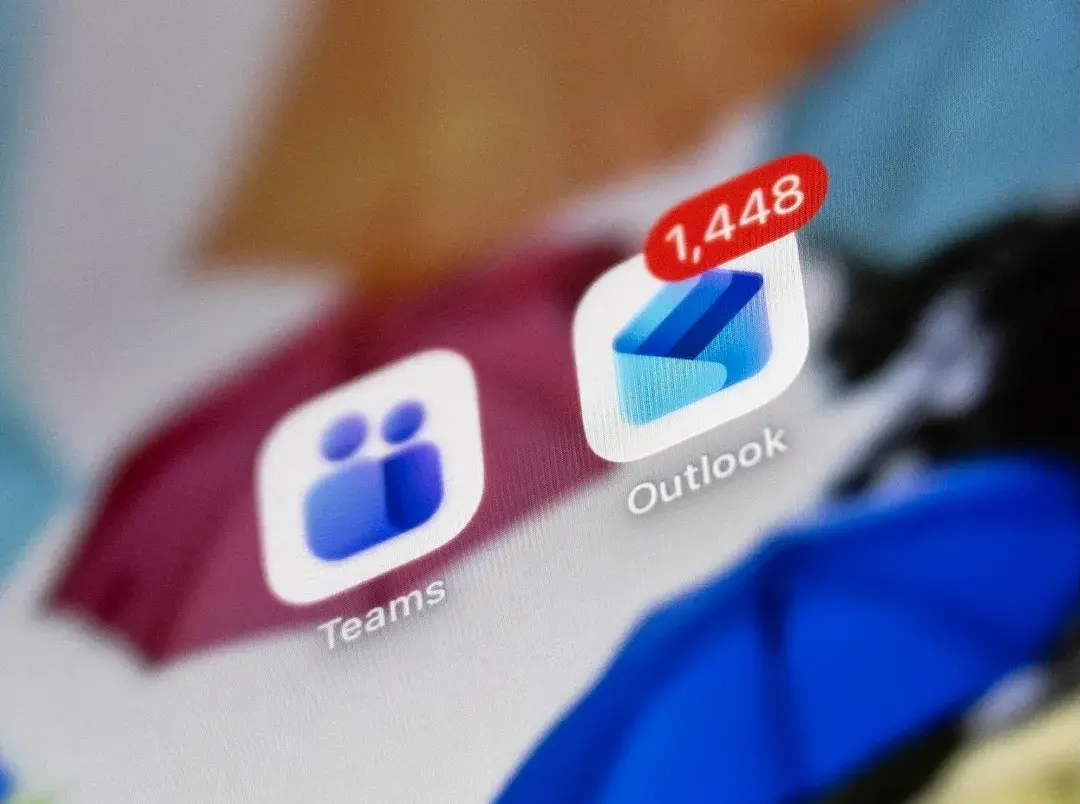
The incident severely impaired core productivity software—including Microsoft Outlook and Teams—before spreading deeper into the company’s infrastructure. At the height of the crisis, enterprise security screening through Microsoft Defender was rendered inaccessible, system administrators were locked out of internal Intune dashboards, and next-generation Copilot AI integrations went offline. In several instances, workers lost access to cloud-hosted Windows virtual machines entirely.
While Microsoft engineers have ruled out external cyberattacks, state-sponsored intrusion, or artificial intelligence agent malfunctions, the failure of such a vast array of interconnected systems highlights the acute vulnerability of centralized global cloud networks. Enterprise clients and industry analysts are demanding transparency into how a localized software glitch could bypass architectural redundancies and disable essential operations worldwide.
Detailed Chronology: From Regional Degradation to Global Collapse
The path to the global disruption unfolded rapidly over an 18-hour period, exposing how quickly localized software failures can propagate across global data center networks.
+-----------------------------------------------------------------------------------+
| OUTAGE CHRONOLOGY                                                                 |
+----------------------+------------------------------------------------------------+
| Thursday Morning     | Initial reports flag connectivity degradation in U.S. and  |
|                      | the Americas targeting Outlook and Teams.                  |
+----------------------+------------------------------------------------------------+
| Thursday Afternoon   | Outage cascades globally. Core cloud services, Defender,  |
|                      | Intune, and Copilot AI tools go offline.                   |
+----------------------+------------------------------------------------------------+
| Thursday Night       | Engineers struggle with data center remediation; servers   |
|                      | remain "unexpectedly unavailable."                         |
+----------------------+------------------------------------------------------------+
| Friday Morning (EST) | Service traffic resumes (confirmed by Kentik); initial     |
|                      | mail trickles through; Microsoft releases status updates.  |
+----------------------+------------------------------------------------------------+
Initial Outbreak and Escalation
The disruption was first detected on Thursday, primarily impacting users across North and South America. Initial telemetry pointed to localized latency and dropped connections within Microsoft 365 applications, particularly Outlook email routing and Teams video conferencing bridge establishment.
Within hours, standard failover mechanisms failed to contain the problem. As data center workloads attempted to re-route dynamically, the issue triggered a cascading software failure that expanded across international regions, impacting data centers in Europe, Asia-Pacific, and beyond.
Deep Infrastructure Failure
As the cascade deepened, engineers encountered severe difficulties isolating the root cause. Rather than a localized network transport failure, data center nodes experienced widespread server failure. Microsoft’s internal health indicators registered "a large number of servers being unexpectedly unavailable," blinding administrators and engineering teams from obtaining real-time telemetry across multi-tenant environments.
Mitigation and Traffic Recovery
By early Friday morning on the U.S. East Coast, recovery efforts began to yield results. Telemetry data from Kentik, an enterprise internet analysis firm monitoring global routing and traffic flows, corroborated the turning point. Doug Madory, director of internet analysis at Kentik, confirmed via Bluesky that web traffic began returning to Microsoft’s infrastructure after roughly 18 continuous hours of service degradation.
Emails gradually resumed delivery to Outlook inboxes, though backlog processing caused prolonged queues for high-volume enterprise customers throughout Friday.
Systems Impact & Infrastructure Analysis
The outage demonstrated the deep operational dependencies modern organizations have built upon Microsoft’s SaaS and IaaS offerings. Rather than isolating individual applications, the underlying software failure compromised connected services across consumer, enterprise, and security tiers.
                     +-------------------------------+
                     | Cascading Software Disruption |
                     +---------------+---------------+
                                     |
    +-------------------+------------+------------+--------------------+
    |                   |                         |                    |
+---v-------------+ +---v-------------+     +-----v-----------+  +-----v-----------+
| Productivity    | | Enterprise Sec. |     | Administration  |  | AI & Virtual    |
| - Outlook       | | - Defender      |     | - Intune Dash.  |  | - Copilot AI    |
| - Teams         | |   Screening     |     |   Management    |  | - Windows 365   |
| - Cloud Files   | |                 |     |                 |  |   Cloud PCs     |
+-----------------+ +-----------------+     +-----------------+  +-----------------+
Communication and Core Productivity Suites
- Microsoft Outlook: Email delivery ceased completely for millions of business and consumer accounts. Mail transfer agents (MTAs) failed to sync, resulting in massive queues and dropped connection tokens.
- Microsoft Teams: Video conferencing, direct messaging, and organizational channels were unavailable. Remote and hybrid enterprise operations were grounded across affected sectors.
- SharePoint and OneDrive: Enterprise file hosting, document synchronization, and cloud storage repositories experienced widespread lockouts.
Cybersecurity and System Administration
- Microsoft Defender: The disruption impaired security screening capabilities, creating critical operational Blindspots for enterprise security operations centers (SOCs) relying on real-time threat prevention.
- Microsoft Intune: System administrators were completely cut off from their Intune control dashboards, preventing security updates, endpoint compliance enforcement, and device provisioning across enterprise hardware fleets.
Next-Gen AI and Virtual Desktop Infrastructure
- Microsoft Copilot: Next-generation AI features across Word, Excel, and standalone productivity tools failed entirely as backend LLM inference pipelines lost connectivity to primary data stores.
- Windows 365 Cloud PCs: Remote workers dependent on cloud-hosted virtual desktops faced authentication timeouts and lost connection states, halting operations for companies reliant on thin-client infrastructure.
Official Statements, Security Disclosures, and Unanswered Questions
Throughout the emergency response, Microsoft maintained conservative public communication while working to restore degraded services.
+-----------------------------------------------------------------------------------+
| KEY STATEMENTS & DISCLOSURES                                                      |
+-------------------+---------------------------------------------------------------+
| System Status     | Outage involved "a large number of servers being unexpectedly |
|                   | unavailable."                                                 |
+-------------------+---------------------------------------------------------------+
| Threat Attribution| Confirmed "no evidence of malicious activity" and "not        |
|                   | related to cyber or AI / agents."                             |
+-------------------+---------------------------------------------------------------+
| Executive View    | "We’re seeing encouraging recovery progress... Our teams are  |
| (Charles Lamanna) | reviewing what happened and how we can prevent similar issues |
|                   | going forward."                                               |
+-------------------+---------------------------------------------------------------+
Ruling Out Malicious Intent
Addressing speculation regarding potential nation-state cyberattacks or rogue AI system activity, Microsoft explicitly denied external threat involvement. In an official status update released early Friday, the company stated:

"There is no evidence of malicious activity associated with this incident."
Microsoft reaffirmed this position in public messaging, stating that the breakdown was "not related to cyber or AI / agents."
Leadership Response
Charles Lamanna, Microsoft’s Executive Vice President for Copilot, Agents, and Platform, issued an official statement highlighting steady restoration metrics:
"We’re seeing encouraging recovery progress, with service availability and email delivery performance improving across a growing portion of affected infrastructure. Our teams are reviewing what happened and how we can prevent similar issues going forward."
The Information Gap
Despite these assurances, significant questions remain regarding the outage’s technical root cause. Microsoft representatives did not clarify whether administrative logging systems remained fully operational during the incident, nor did they outline the exact mechanisms being used to perform forensic validation.
Enterprise customers are pressing for technical post-mortems explaining how an internal software deployment or configuration change managed to bypass redundancy protocols and incapacitate fundamental infrastructure components.
Historical Context: A Growing Pattern of Cloud Vulnerability
This disruption follows another severe incident in September, when a multi-day outage disrupted Microsoft 365 services across multiple global markets.
+-----------------------------------------------------------------------------------+
| RECENT MAJOR MICROSOFT SERVICE DISRUPTIONS                                        |
+-----------------------+-----------------------------------------------------------+
| Incident Period       | Disruption Summary & Stated Root Cause                    |
+-----------------------+-----------------------------------------------------------+
| September             | Dayslong global Cloud/M365 service interruption caused by |
|                       | a core authentication configuration failure.              |
+-----------------------+-----------------------------------------------------------+
| Current Outage        | 18-hour global failure across Cloud, Security, and AI     |
|                       | suites caused by a cascading software bug.                |
+-----------------------+-----------------------------------------------------------+
During the September incident, Microsoft attributed the extended downtime to a breakdown within its "core authentication configuration," which prevented identity verification services from routing user access requests.
The recurrence of widespread service disruptions within months highlights architectural challenges in modern cloud environments. As tech conglomerates centralize authentication, compute, storage, security, and AI into unified, hyper-connected service layers, single software anomalies risk triggering catastrophic domain-wide failures.
Future Outlook: Enterprise Risk and Architecture Engineering
As Microsoft finishes bringing remaining degraded nodes back online, the enterprise IT landscape faces renewed scrutiny over service-level agreements (SLAs), operational resilience, and single-vendor lock-in.
Key Considerations for Enterprise IT Infrastructure
- Multi-Cloud and Hybrid Diversification: The total failure of administrative control planes like Intune alongside security filters like Defender will push risk-conscious enterprise CTOs to evaluate secondary security and device-management architectures that operate independently of primary cloud vendors.
- SLA Financial Accountability: Major enterprise clients will demand clear accounting of uptime violations. While service credits are standard in cloud contracts, they rarely cover the broader business losses caused by an 18-hour shutdown of daily operations.
- Regulatory and Infrastructure Scrutiny: As cloud platforms become critical utilities alongside power grids and telecommunications, regulatory authorities in North America and Europe will likely increase oversight on how hyperscalers test, roll out, and isolate global configuration updates.
Microsoft’s immediate priority centers on completing its internal technical review. However, restored email delivery and functional video calls will not fully alleviate the pressure from global enterprises demanding guarantees that a similar cascading failure will not bring their business operations to a halt again.