Executive Overview
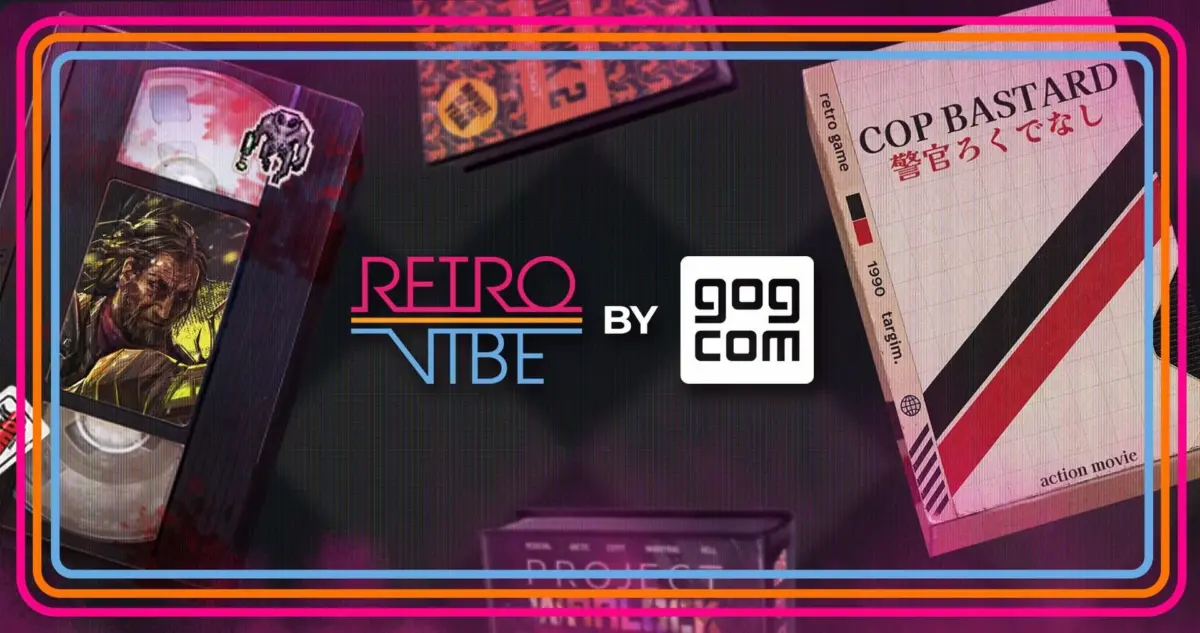
In a significant development for the independent games sector and digital distribution landscape, the DRM-free PC storefront GOG has officially joined forces with independent publisher Retrovibe to launch Retrovibe by GOG. This strategic partnership marks a major milestone in GOG’s ongoing evolution following its separation from longtime parent company CD Projekt. By combining GOG’s extensive platform expertise, marketing infrastructure, and global PC player community with Retrovibe’s boutique publishing pedigree, the newly minted alliance aims to empower indie developers to bring classic-inspired titles to a wide array of storefronts and consoles.
The initiative bridges two entities intimately connected by leadership: GOG co-founder Michał Kiciński, who orchestrated GOG’s return to independence, also holds a substantial 50% stake in Retrovibe. Far from being a mere paper partnership, Retrovibe by GOG is hitting the ground running with an immediate release lineup, headlined by the gritty, bodycam-infused retro shooter Cop Bastard and the upcoming Project Warlock: Lost Chapters. This comprehensive report explores the origins of the partnership, the strategic alignment between the two companies, the initial game slate, and what this venture signals for the future of independent game publishing and digital preservation.
Detailed Chronology: From Independence to Alliance
January 2025: Charting a Post-CD Projekt Course
The groundwork for this publishing venture was laid earlier this year during a pivotal leadership transition at GOG. Following a strategic corporate restructuring, the beloved storefront successfully untangled itself from CD Projekt, returning to the guiding hands of its original co-founder, Michał Kiciński.
In early interviews, Kiciński openly discussed the existential opportunities and risks facing a newly independent GOG. Without the financial safety net of a massive AAA publisher, GOG needed to diversify its revenue streams and leverage its unique position in the PC market. Among the various strategic initiatives floated during those initial planning sessions was the prospect of entering the game publishing arena—a move that would allow GOG to actively shape the pipeline of games coming to its platform rather than acting solely as a retail curator.
October 2025: Formalizing Retrovibe by GOG
Months of behind-the-scenes structuring culminated in the official announcement of Retrovibe by GOG. Rather than building a publishing division entirely from scratch, Kiciński leveraged his existing ties within the industry. Because Kiciński had previously co-founded Retrovibe—a publisher specializing in games that capture classic design sensibilities—the structural alignment was already in place.
The announcement formalized a synergistic pipeline: Retrovibe handles traditional publisher responsibilities—securing funding, executing marketing campaigns, managing developer relations, and handling platform certification across multiple consoles—while GOG provides unparalleled platform visibility, promotional muscle, and a deeply dedicated community of retro- and indie-gaming enthusiasts.
Supporting Context & Metrics: The Mechanics of Modern Indie Publishing
The indie publishing landscape has grown increasingly treacherous. With thousands of games launching on Steam and other storefronts every month, discoverability remains the single greatest hurdle for independent developers. By marrying a traditional boutique publisher with a prominent digital storefront, Retrovibe by GOG attempts to solve the discoverability crisis through a vertically integrated ecosystem.
What Retrovibe by GOG Brings to Developers
- Financial Backing: Seed money and milestone-based funding to help indie studios complete their projects without compromising their creative vision.
- Global Marketing & PR: Targeted campaigns connecting developers with dedicated content creators, gaming journalists, and genre-specific communities.
- Multi-Platform Porting & Certification: Navigating the complex technical and bureaucratic requirements of bringing PC titles to modern consoles (PlayStation, Xbox, and Nintendo Switch).
- Ecosystem Integration: Direct promotional tie-ins with GOG’s curated storefront, ensuring that titles receive prime visibility among players who value preservation, ownership, and classic aesthetics.
Crucially, despite the close corporate ties, titles published under the Retrovibe by GOG banner are not locked behind platform exclusivity. Launch titles like Cop Bastard and Project Warlock: Lost Chapters are slated for simultaneous releases across multiple PC storefronts—including Steam—and console ecosystems. This open-market approach ensures that developers do not sacrifice their reach for the sake of partnership, keeping games accessible regardless of a player’s preferred launcher.
Official Statements and Industry Insights
The leadership teams from both GOG and Retrovibe emphasized that the partnership is rooted in a shared philosophy regarding game design, player ownership, and the preservation of classic gaming tropes.
"With GOG now under the ownership of its original co-founder, Michał Kiciński, who also co-founded Retrovibe, the two companies have an opportunity to work more closely together," noted the official joint press release. The statement highlighted how the collaboration successfully fuses Retrovibe’s nimble publishing nous with GOG’s decades of platform expertise and deep connection to PC players worldwide.
Industry analysts have pointed out that this move represents a defensive yet aggressive strategy for GOG. As major storefronts engage in fierce competition for market share, platform operators are increasingly looking to secure proprietary content or forge deep-tier partnerships with developers. By stepping into publishing, GOG transforms from a passive marketplace into an active participant in game creation, securing long-term content pipelines that align directly with its core demographic: fans of retro aesthetics, boomer shooters, immersive sims, and narrative-driven indies.
The Launch Slate: Cop Bastard and Project Warlock: Lost Chapters
Retrovibe by GOG is not easing into its new role; it is launching directly into the deep end with two high-profile, aggressively stylized indie titles.
Cop Bastard
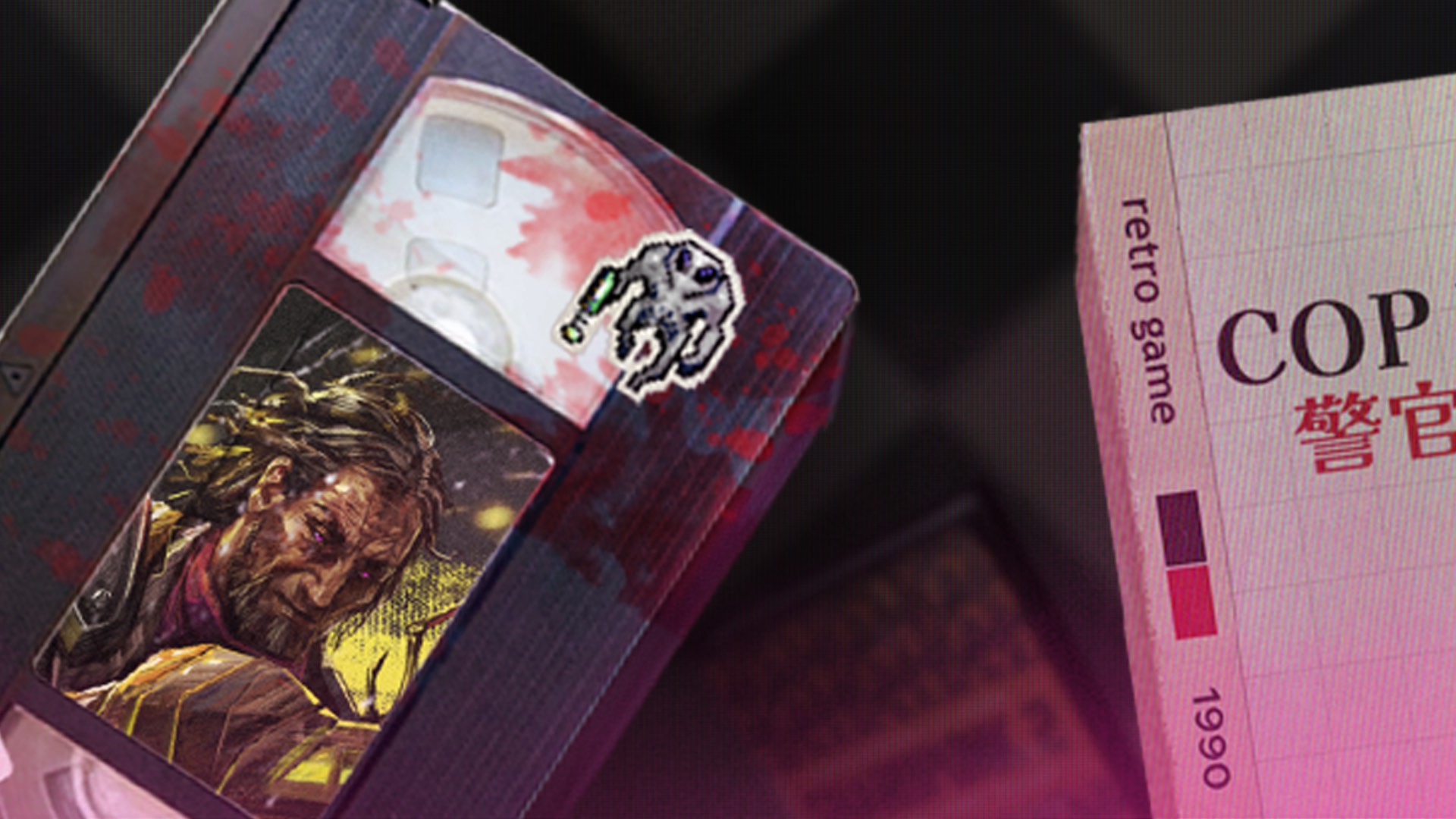
Releasing on October 29, Cop Bastard has immediately captured the attention of the PC gaming community due to its striking aesthetic and provocative premise. Described colloquially as a "John Woo protagonist equipped with a bodycam," the game leans heavily into deep-fried retro weirdness, high-octane gunplay, and stylized violence. Early previews from critics highlighted its unmistakable stylistic confidence, noting that its distinct brand of chaotic, throwback action offers something genuinely unique in a crowded first-person shooter market.
Project Warlock: Lost Chapters
Continuing the legacy of the acclaimed Project Warlock series, Lost Chapters represents the next evolution of the modern "boomer shooter." While retaining the pixelated charm, fast-paced movement, and labyrinthine level design of its predecessors, the game introduces refined mechanics and expansive new content. It stands as a prime example of the type of project Retrovibe specializes in: games that honor the golden age of PC gaming while incorporating contemporary quality-of-life improvements.
Future Outlook: What’s Next for the Publishing Chimera?
As Retrovibe by GOG rolls out its initial titles, the broader gaming community will be watching closely to see how the partnership scales. Several key questions remain for the post-CD Projekt era of GOG:
- Expansion of the Catalog: Will the publisher venture beyond first-person shooters and retro-styled action games into genres like CRPGs, adventure games, and immersive sims—genres that form the backbone of GOG’s historical catalog?
- Console Reach: How effectively will Retrovibe’s console porting infrastructure scale as the publisher takes on more ambitious, multi-platform indie projects?
- Platform Integration: Will GOG’s long-awaited software initiatives, such as expanded Linux support for its Galaxy client, catch up to its aggressive publishing ambitions?
What is certain is that GOG is no longer content to merely be a digital museum for the games of yesterday. By actively funding, marketing, and publishing the retro-inspired games of tomorrow, Michał Kiciński and his team are charting an independent course that honors GOG’s past while aggressively securing its future in the modern gaming landscape.