Executive Overview
The release of Grand Theft Auto VI represents a watershed moment for the open-world action genre. With Rockstar Games committing heavily to hyper-realistic environmental interactions, physics simulations, and systemic world responses, players are finding that legacy tactics no longer apply in the sun-drenched, fictional state of Leonida. Among the most talked-about gameplay alterations is a fundamental shift in vehicular mechanics—specifically, how players manage a totaled or overturned ride.
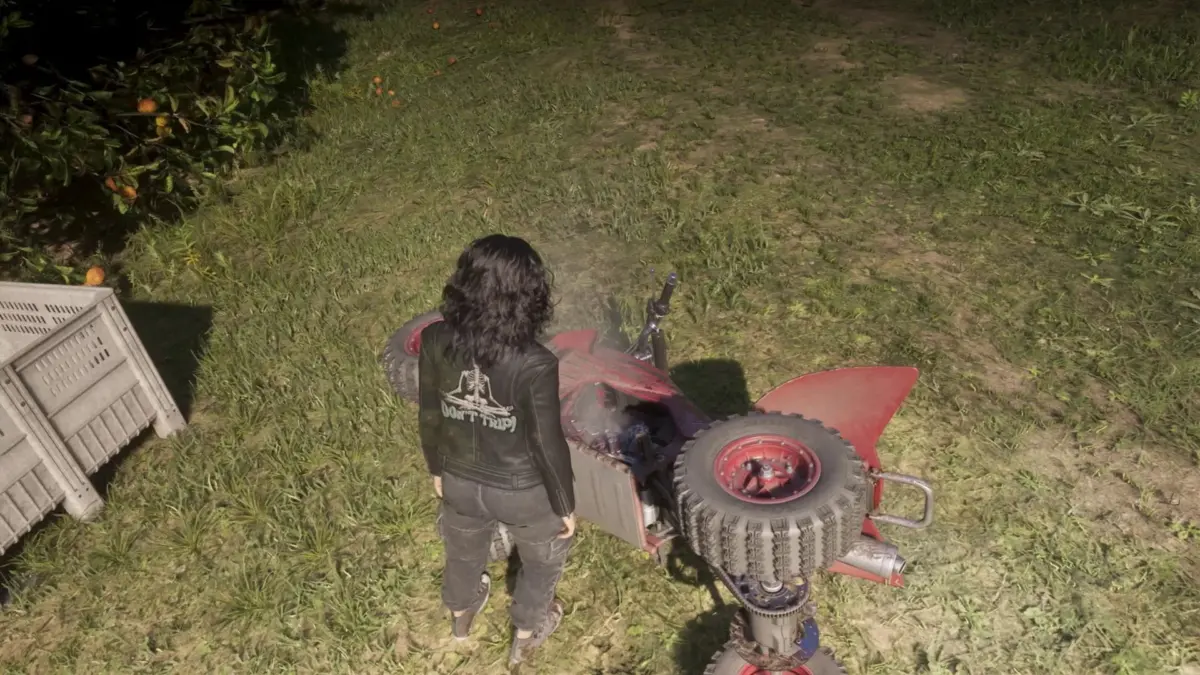
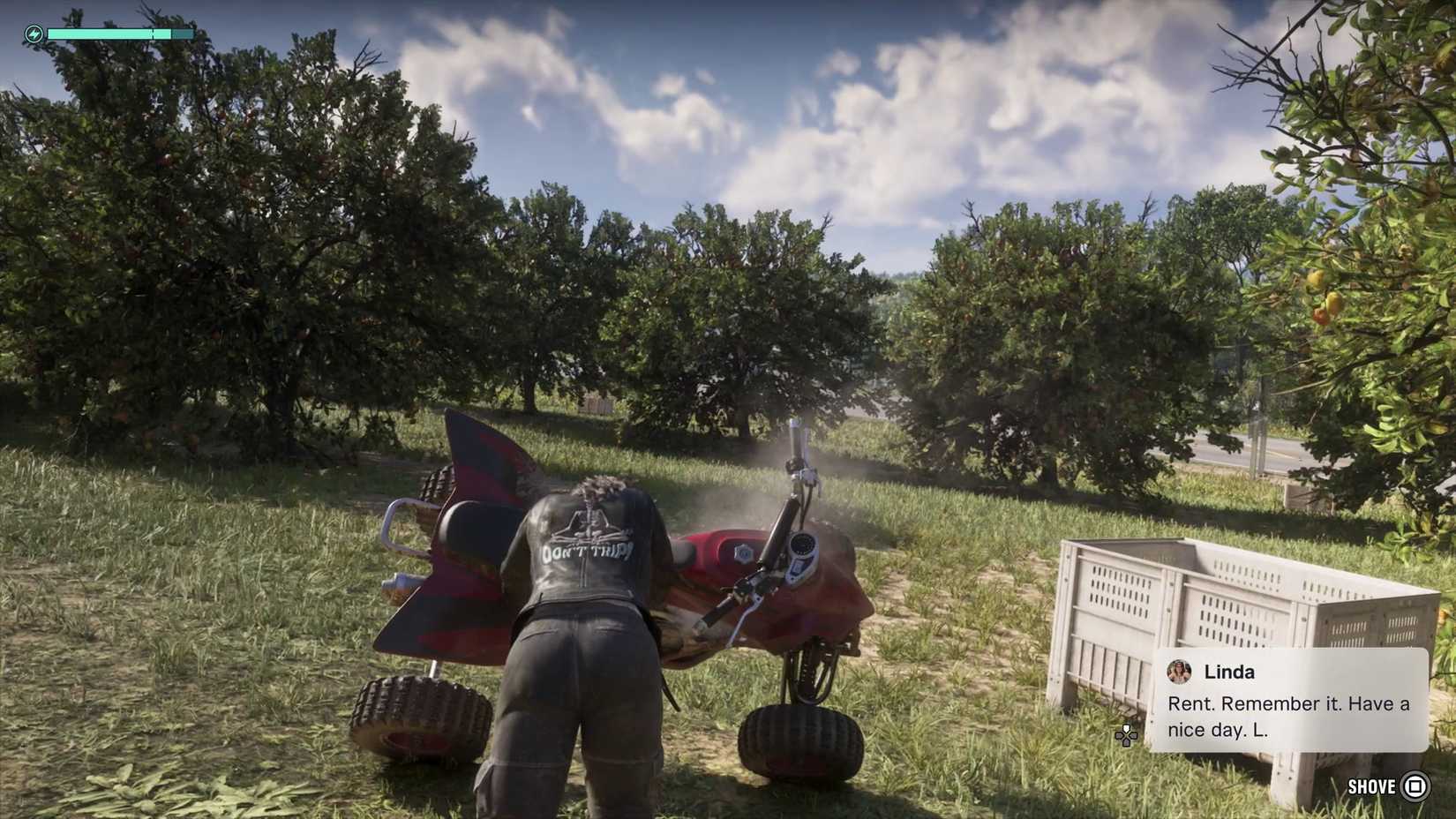
In past iterations of the franchise, physics engines allowed players to magically rock a vehicle back onto its tires while remaining safely tucked inside the cabin, or simply rely on loose momentum to un-flip cars mid-roll. Grand Theft Auto VI eschews this arcade-style convenience in favor of physical immersion. Characters like Lucia must now exit the vehicle, approach the chassis on foot, and physically exert force to right it manually.
This deep dive examines the mechanics behind vehicular recovery in GTA 6, exploring the nuanced restrictions imposed by Rockstar’s physics engine, the contextual boundaries of what can and cannot be flipped, and how these minute design choices impact the broader gameplay loop of crime, survival, and traversal across Leonida.
Detailed Chronology: The Evolution of Vehicle Recovery in Rockstar Open Worlds
To understand why the manual vehicle-flipping mechanic in Grand Theft Auto VI is generating such widespread discussion, it is vital to trace how Rockstar Games has evolved its vehicle physics from the PlayStation 2 era to current-generation hardware.
The Arcade Era: GTA III to GTA San Andreas
In the classic 3D universe, vehicle physics were straightforward. Cars possessed a rudimentary center of gravity, and if a vehicle rolled over, the game frequently utilized a built-in auto-righting force or simply expected the player to abandon the ride. If the car caught fire, survival meant sprinting away before the chassis detonated.

The Physics Revolution: Grand Theft Auto IV
When Rockstar launched Grand Theft Auto IV in 2008, it introduced the Euphoria physics engine alongside a radically overhauled vehicle handling model. Cars felt heavy, suspensions compressed realistically, and weight transfer dictated every turn. However, flipping a car usually spelled absolute doom; vehicles rarely righted themselves easily, forcing players to abandon rolled-out rides on the asphalt of Liberty City.
The Hybrid Approach: Grand Theft Auto V
Grand Theft Auto V struck a balance between arcade accessibility and realistic weight. In GTA V, players could wiggle the analog sticks while trapped upside down in a sports car or SUV, miraculously rocking the vehicle back onto its wheels from the driver’s seat. While convenient for high-speed police chases, veteran simulation fans often criticized the feature for breaking immersion.
The Next-Gen Reality: Grand Theft Auto VI
With Grand Theft Auto VI, Rockstar has discarded the magic driver-seat flip entirely. The implementation of advanced ray-traced lighting, hyper-detailed soft-body damage, and granular material physics means that every action must adhere to a strict internal logic. If an all-terrain vehicle (ATV) or sedan ends up on its roof in the swamps of Leonida, the player protagonist—whether Lucia or her co-protagonist—must step out into the elements, assess the situation, and manually muscle the vehicle upright.
Supporting Context & Metrics: Physics Constraints and Vehicle Classifications
Rockstar’s pursuit of realism is not absolute; it operates under a strict set of design rules that dictate which assets can be manipulated by human strength and which require mechanical intervention.
What Can (and Cannot) Be Flipped
The manual interaction prompt—appearing dynamically when approaching an overturned vehicle—is restricted by mass and class:

- Flippable Vehicles: Sedans, sports cars, all-terrain vehicles (ATVs), dirt bikes, small boats washed ashore, and select mid-sized utility or construction vehicles.
- Non-Flippable Vehicles: Airplanes, commercial airliners, heavy freight trucks, and massive industrial machinery. If a cargo plane or heavy semi-truck ends up inverted, human strength is insufficient, requiring the player to source heavy equipment or abandon the asset.
Spatial and Environmental Constraints
The physics engine also evaluates the surrounding geometry before allowing a prompt to appear. Players attempting to right a vehicle must adhere to specific spatial conditions:
- The Center Point Rule: Interaction prompts consistently fail if the player attempts to push from the extreme front or rear bumpers. Leverage dictates that force must be applied near the center of mass along the side panels.
- Obstruction Collisions: If a car is pinned against a solid architectural asset—such as a concrete highway divider, a thick wooden fence, or a dense suburban hedge—the game blocks the interaction prompt. The vehicle must be entirely unpended and resting freely on the obstruction or terrain before the "shove" state can be triggered.
- Terrain Hazards: Leonida’s diverse biomes, ranging from muddy Everglades wetlands to sandy coastal dunes, affect traction and leverage. Pushing a heavy sedan out of deep mud requires a clear footing zone for the character model.
Official Statements & Developer Intent
While Rockstar Games famously maintains an air of mystery regarding granular gameplay systems prior to release, insider reports and developer post-mortems on modern open-world design shed light on the philosophy driving GTA 6.
The overarching goal for the development team has been to transition Grand Theft Auto from an adrenaline-fueled sandbox into a living, breathing simulator of crime and consequence. By removing quality-of-life shortcuts like instant vehicle-flipping, Rockstar forces players to respect the fragility of their environment.
Industry analysts note that these friction points are intentional design choices. In modern game design, "friction" is often utilized to heighten tension. When a player rolls their getaway car during a high-stakes bank robbery in Vice City, the panicked scramble to exit the vehicle, evaluate the traffic, manually flip the battered sedan, and dive back inside before the Leonida Police Department closes in creates emergent, cinematic moments that scripted missions could never replicate.
Future Outlook: The Impact on the Meta of GTA 6 Online and Single-Player
As the gaming community dives deeper into the sprawling map of Leonida, the mechanical reality of vehicle management will heavily influence both single-player survival and the eventual ecosystem of GTA Online.
Changing the Tempo of Combat and Escapes
In previous titles, flipping a car meant a minor interruption remedied by frantic button-mashing. In GTA 6, flipping a vehicle exposes the player to enemy gunfire, wildlife threats in rural districts, and pedestrian AI reactions. Players must now weigh the risk of trying to salvage a damaged, upside-down muscle car against the alternative: abandoning it on the roadside to carjack an innocent civilian.
Economic and Resource Management
With players encouraged to hold onto their hard-earned cash within Leonida’s digital banking ecosystems (such as BuckMe accounts) rather than wasting funds on unnecessary tow or delivery services (like Scooter Bros equivalents), mastering manual vehicle recovery becomes an essential survival skill. Knowing when a vehicle is too structurally compromised to save—preventing total destruction or "getting wasted"—will save players thousands of dollars in the early-to-mid game economy.
Community Reception and Mods
Early responses from the gaming community indicate a mixed appreciation for the heightened realism. While immersion purists praise the tactile nature of stepping out to right an ATV in the mud, casual players navigating chaotic police chases have expressed frustration over the vulnerability it introduces. As the PC modding scene eventually matures following console releases, tweaking vehicle physics and recovery speeds will undoubtedly be among the first community-driven adjustments.
Ultimately, Grand Theft Auto VI doubles down on weight, consequence, and physical realism. Whether navigating the neon-lit avenues of Vice City or the untamed wilderness of Leonida, players must accept that every action—down to pushing a flipped car
back onto its tires—demands physical presence in a world that refuses to cut corners.