Executive Overview
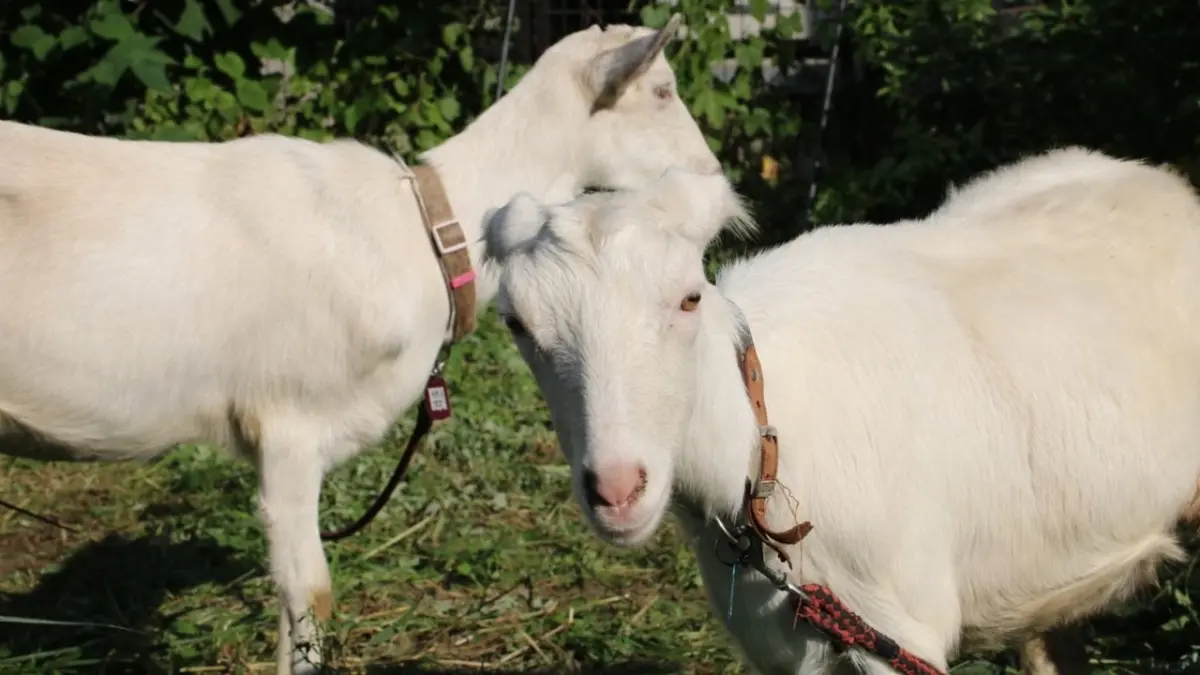
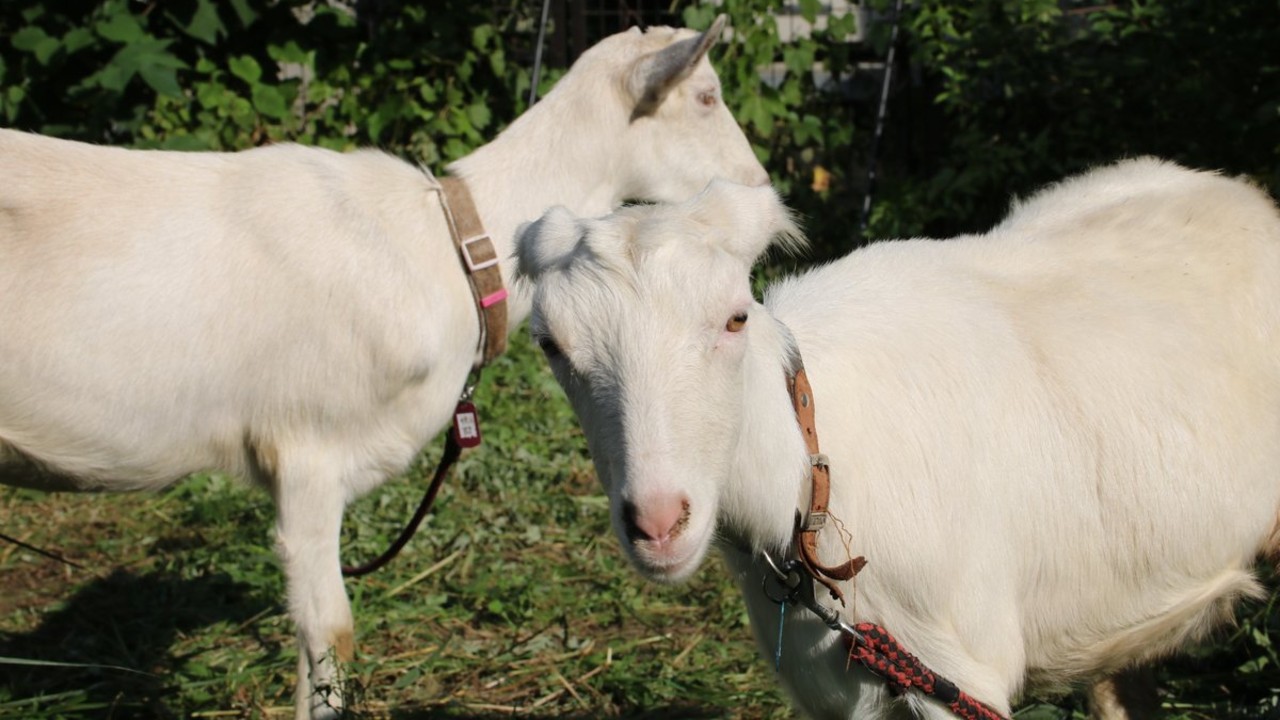
In an era dominated by high-speed digital automation, artificial intelligence algorithms, and corporate restructuring, sometimes the most effective solution to a mundane infrastructure problem is remarkably old-fashioned. Enter Nagi and Pokke, two unassuming caprine workers hired by Japan Rail (JR) to tackle an outbreak of overgrown grass near a railway station in Yotsuya, a bustling district nestled within Tokyo’s Shinjuku ward.
What began as a localized, eco-friendly weed-clearing initiative quickly escalated into an international viral sensation in late October 2026. As images and video footage of the pair industriously munching away at the urban flora circulated across X (formerly Twitter), Instagram, and various meme aggregation hubs, Nagi and Pokke transformed from simple municipal contractors into beloved cultural icons.
This report provides an exhaustive journalistic examination of the Nagi and Pokke phenomenon. We explore the operational roots of Japan Rail’s organic landscaping strategy, trace the precise digital trajectory of their sudden virality, analyze the socio-cultural commentary surrounding their unexpected fame, and assess the broader implications of animal labor in modern corporate PR.
Detailed Chronology: From Municipal Maintenance to Global Memetic Stardom
The narrative of Nagi and Pokke is a classic case study in modern internet serendipity—bridging the gap between hyper-localized Japanese municipal news and global social media entertainment.
Phase One: The Appointment (October 20, 2026)
On October 20, 2026, Japan Rail initiated a trial eco-grazing program in an overgrown, fenced-off lot adjacent to a commuter train station in Yotsuya, Shinjuku. Rather than deploying industrial lawnmowers, chemical herbicides, or heavy labor crews, the railway giant enlisted two goats—Nagi and Pokke—to naturally clear the dense vegetation.
The initiative initially caught the attention of local commuters and digital content creators living in the capital. Later that day, the Japanese social media account @fuuuukatsu posted a short dispatch documenting the goats at work. The post highlighted the unusual sight of livestock grazing against the backdrop of Tokyo’s concrete jungle. Within 72 hours, the tweet amassed over 15,000 likes, signaling that the story possessed cross-over appeal far beyond typical local human-interest reporting.
Phase Two: The Digital Spurt and Local Adulation (October 21–22, 2026)
As word spread, everyday Tokyo residents began visiting the Yotsuya lot to observe the goats firsthand. Videos capturing the animals interacting with their environment began flooding social platforms.
On October 22, 2026, X user @ren_Nevermind published a widely shared video clip accompanied by commentary that highlighted the whimsical nature of the deployment. The user noted that local kindergarten children had already begun affectionately shouting "Gouki-san! Gouki-san!" (Goat-san) whenever they passed the fence, cementing Nagi and Pokke’s status as impromptu neighborhood mascots. Furthermore, @ren_Nevermind playfully reframed their status, writing:
"These aren’t just ordinary goats. They’re the official mascots of JR, Japan’s largest railway company."
This post resonated deeply, pulling in hundreds of engagements and setting the stage for international translation.
Phase Three: Global Amplification (October 23, 2026 onward)
By October 23, the story breached containment from Japanese domestic networks into Western and South Asian meme ecosystems. Prominent aggregator pages, such as the widely followed Instagram community Ghantaa, picked up the footage, introducing the caprine workers to millions of international users.
Comments sections flooded with jokes comparing the goats’ employment status to corporate burnout, economic inflation, and "quiet quitting," transforming Nagi and Pokke into relatable, furry avatars for the modern workforce.
Supporting Context & Metrics: The Mechanics of Caprine Virality
To understand why Nagi and Pokke struck such a resonant chord with global audiences, one must examine the intersection of sustainable urban planning and internet psychology.
Eco-Grazing in Urban Landscapes
While utilizing goats for vegetation management—often termed "targeted grazing"—is a well-established practice in rural areas, Western countries, and parts of Europe, it remains a charming novelty within hyper-dense metropolises like Tokyo. Japan Rail’s decision to deploy Nagi and Pokke served multiple practical purposes:
- Noise and Emission Reduction: Traditional lawn maintenance in confined railway corridors requires gas-powered weed-whackers and mowers, which generate noise pollution and carbon emissions. Goats operate quietly and sustainably.
- Terrain Adaptability: The overgrown Yotsuya lot featured uneven terrain that could prove hazardous or difficult for human landscaping crews. Goats, by contrast, naturally navigate steep slopes and rough ground with ease.
- Community Engagement: Unlike cold steel fencing or bare dirt, living animals humanize corporate infrastructure projects, softening the sterile aesthetic of modern transit hubs.
Social Media Metrics and Engagement Patterns
An analysis of the early viral wave reveals distinct demographic and platform-specific reactions:
| Platform | Key Account / Source | Primary Content Type | Engagement Level (Within 24–72 Hours) |
|---|---|---|---|
| X (Twitter) | @fuuuukatsu |
Initial news report & photos | 15,000+ Likes |
| X (Twitter) | @ren_Nevermind |
On-site video & commentary | 120+ Retweets/Likes (Rapid secondary spread) |
| Ghantaa | Curated viral reel | 6,000+ Likes |
The rapid migration of the content from Japanese text-based networks to English-language meme repositories demonstrates the universal appeal of wholesome, animal-centric content during periods of digital fatigue.
Official Statements and Corporate Public Relations
Japan Rail has historically maintained a disciplined, highly professional corporate image centered on punctuality, safety, and technological innovation (such as the famed Shinkansen bullet train network). The unexpected adoption of Nagi and Pokke represents a masterclass in organic public relations.
While corporate communication channels have remained measured, spokespersons familiar with the project have emphasized that the deployment aligns with JR’s broader corporate sustainability initiatives. By turning routine infrastructure maintenance into a community-facing event, the company successfully cultivated goodwill among daily commuters and international observers alike.
Public relations experts have pointed out several strategic advantages gained by JR through this initiative:
- Humanizing the Corporation: Mega-corporations are frequently viewed as cold, bureaucratic entities. Introducing adorable, grass-munching workers provides an immediate antidote to corporate aloofness.
- Cost-Effective Earned Media: Traditional marketing campaigns cost millions of dollars in ad placement. The organic sharing of Nagi and Pokke generated millions of impressions globally at virtually zero advertising cost.
- Fostering Local Joy: In densely populated urban centers like Shinjuku, daily commutes can be high-stress experiences. Providing commuters—especially young children—with a moment of delight transforms a stressful transit station into a positive community focal point.
Future Outlook: What Lies Ahead for Nagi and Pokke?
As the initial wave of internet buzz stabilizes, stakeholders and fans alike are left wondering about the long-term prospects of Tokyo’s hardest-working ruminants.
Operational Sustainability
Once Nagi and Pokke successfully clear the overgrown grass in the Yotsuya lot, their services will likely be required elsewhere. Given Japan Rail’s vast network of regional tracks, rail yards, and embankments, there is no shortage of green real estate requiring natural maintenance. Industry analysts speculate that JR may formalize "caprine landscaping" as a recurring seasonal program, potentially expanding the herd to include additional goats trained for urban transit environments.
Cultural Legacy and Merchandising Potential
In Japan, mascot culture (yuru-chara) is a multi-billion-dollar industry. Characters ranging from regional animal representations to corporate creations routinely adorn stationery, keychains, and station signage. Given the immediate affection shown by local kindergarteners and online commentators, internet users have already begun speculating about potential official merchandise lines. Whether JR decides to monetize Nagi and Pokke’s newfound fame remains to be seen, but the baseline ingredients for enduring mascot status are undeniably present.
Conclusion
Nagi and Pokke’s rise to internet fame serves as a refreshing reminder of the unpredictable nature of digital culture. In a year defined by heavy news cycles and algorithmic noise, two goats quietly chewing weeds in Shinjuku managed to unite the global internet in shared appreciation for simplicity, sustainability, and hard work. Whether they are viewed as eco-friendly landscapers, accidental corporate mascots, or simply adorable animals enjoying a snack, Nagi and Pokke have carved out a permanent place in contemporary internet lore.