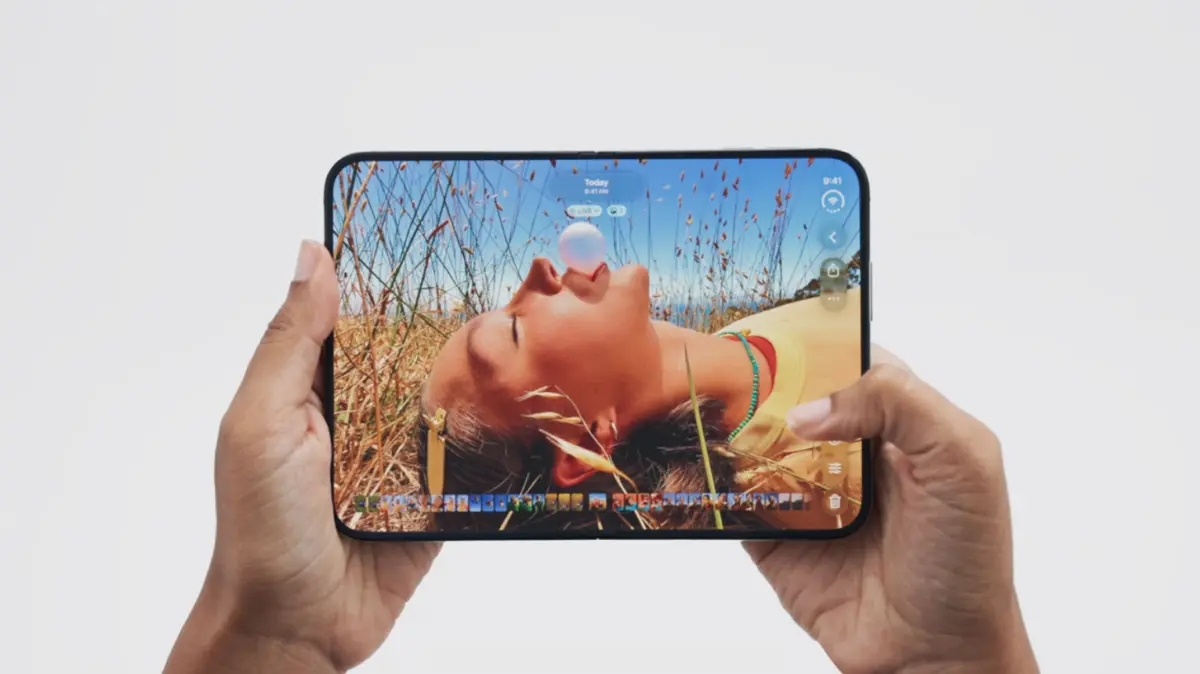
The foldable smartphone market has officially entered its high-stakes maturity phase, and Apple has arrived precisely on schedule to shake up the paradigm. The newly announced Apple iPhone Duo is real, it is imminent, and it commands a jaw-dropping, premium price tag of $1,999. Landing a mere $100 higher than the Samsung Galaxy Z Fold 8 released earlier this year—yet directly competitive with the elite-tier $2,099 Galaxy Z Fold 8 Ultra—the iPhone Duo represents the absolute bleeding edge of mobile engineering. It is Apple’s thinnest unfolded smartphone to date, but that structural ambition introduces a terrifying paradox: a remarkably sleek form factor tethered to a nearly two-grand replacement cost.
For early adopters, the immediate anxiety shifts from speculative features to physical preservation. How do you protect a first-generation Apple foldable device without ruining its aesthetic integrity or hindering its complex mechanics? While case manufacturers have spent years refining hardware protections for Samsung and Google foldables, Apple’s unique passport-style form factor presents an unprecedented challenge.
In this comprehensive buyer’s guide, we break down the financial and structural reality of the iPhone Duo, evaluate the premier first- and third-party protective accessories on the market, and provide an authoritative framework for choosing the right armor for your ultra-expensive investment.
Detailed Chronology
Understanding how the iPhone Duo and its ecosystem of accessories came to be requires tracing the accelerated convergence of foldable innovation and accessory development over the past few years.
July 2026: Samsung preempts Apple’s entry into the passport-style foldable market by launching the Galaxy Z Fold 8, effectively normalizing a shorter, wider aspect ratio that favors dual-screen productivity over vertical scrolling. Third-party case makers scramble to adapt their manufacturing pipelines to this distinct silhouette.
Late 2026 (The Announcement): Apple officially pulls the curtain back on the iPhone Duo. Priced at $1,999, the device sparks intense industry debate over pricing stratification, going head-to-head with Samsung’s ultra-premium ecosystem. Simultaneously, Apple announces a specialized suite of first-party protective accessories, departing from its traditional silicone and leather lines.
Post-Announcement (The Accessory Wave): Leading third-party manufacturers—including Otterbox, Mous, and Spigen—reveal their inaugural lineups designed explicitly for Apple’s first foldable architecture. However, because these designs rely heavily on pre-release schematic leaks rather than hands-on endurance testing, early market sentiment points toward a period of trial and error for non-Apple hardware.
Supporting Context & Metrics: The Foldable Protection Dilemma
To fully grasp why selecting a case for the iPhone Duo requires more deliberation than buying a standard slab-style iPhone cover, one must analyze the raw engineering specifications and market economics involved.
Pricing and Specifications Breakdown
Apple iPhone Duo Base Price: $1,999 (Available in Black and White finishes).
Samsung Galaxy Z Fold 8 Base Price: $1,899.
Samsung Galaxy Z Fold 8 Ultra Price: $2,099.
Apple First-Party Case (Standard Polycarbonate): $79.
Foldable devices present a structural nightmare for case designers. A traditional single-piece case cannot accommodate a moving hinge. Consequently, foldable cases are split into two or more distinct chassis pieces—one for the left half, one for the right, and occasionally a dedicated module to wrap around or bridge the articulating hinge mechanism.
This multi-piece reality introduces inherent vulnerabilities. If tolerances are off by even a fraction of a millimeter, drop impacts can cause the case corners to pop off, leaving raw metal or glass exposed. Furthermore, heavy-duty hinge covers—frequently championed by rugged brands to prevent dust and grit ingress—often act as physical standoffs, preventing the phone from laying completely flat when unfolded on a flat surface. Balancing structural drop protection against functional ergonomics is the defining engineering challenge of the iPhone Duo accessory ecosystem.
The Contenders: Best iPhone Duo Cases Evaluated
Navigating the nascent landscape of iPhone Duo accessories demands a discerning eye. Based on manufacturing pedigree, material science, and initial product designs, here is how the top protective options stack up.
1. Apple iPhone Duo Case (Best Overall / Guaranteed Fit)
Price: $79
Materials: Polycarbonate with matte coating
Colors: Navy Blue, Sand
Apple’s first-party polycarbonate case is the safest bet for anyone purchasing a $2,000 device on day one. Available in Navy Blue and Sand to elegantly complement the black and white Duo variants, it features full MagSafe integration and native compatibility with 25W Qi2 wireless charging standards.
Pros: Absolute guarantee of precision fit; relatively affordable in the context of Apple pricing; sleek matte finish that preserves tactile grip.
Cons: Limited color choices; offers basic scratch and minor drop protection rather than military-grade fortification.
2. Apple Duo Folio with Kickstand (Best Folio / Kickstand Option)
Price: $129
Materials: TechWoven textured fabric
Colors: Navy Blue, Taupe
Rather than a traditional wraparound case, the Duo Folio functions as a magnetically attaching protective cover—resembling Apple’s beloved iPad folios. It completely shields the outer display when closed, but leaves the phone’s aluminum or titanium sides exposed.
Pros: Integrated magnetic kickstand; high-end TechWoven fabric matching the iPhone 18 Pro accessories.
Cons: Premium pricing ($50 more than the iPad Pro Smart Folio); unconventional coverage model leaves structural edges vulnerable.
3. Otterbox Defender Series Pro XT (Best Rugged Option)
Price: $90
Materials: Multi-layer composite with hinge guard
Otterbox is legendary for surviving punishing drop tests. The Defender Series Pro XT for the iPhone Duo brings robust edge protection, a raised lip around the exterior display, and an innovative flat-lying hinge guard designed to sit flush when the phone is fully open.
Pros: Exceptional drop and edge protection; integrated magnetic wireless charging support.
Cons: Adds substantial bulk and heft to what is otherwise Apple’s thinnest unfolded chassis.
4. Mous Ultra Thin Phone Case (Best Minimalist Option)
Price: Premium tier
Materials: Rigid Aramid fiber with microfiber inner lining
For users who view traditional cases as an insult to industrial design, Mous delivers an ultra-slim profile crafted from rigid aramid fiber. It features a split-back cover and a front-display frame, sandwiching a hidden magnetic ring for uncompromised MagSafe performance.
Pros: Extremely thin; maintains the slim, futuristic feel of the Duo; scratch-resistant.
Cons: Leaves the delicate hinge entirely exposed; zero structural defense against catastrophic drops.
5. Spigen Ultra Hybrid Pro (Mag Fit) (Best Clear Option)
Price: $60
Materials: Transparent polycarbonate with magnetic ring
Spigen bridges the gap for users who want to display their iPhone Duo’s original colorway without sacrificing safety. The Ultra Hybrid Pro features all-around transparency and a robust MagSafe ring layout.
Pros: Cost-effective; showcases device aesthetics; built-in magnetic charging compatibility.
Cons: Rigid all-polycarbonate build lacks shock-absorbing TPU properties; bulky hinge cover may interfere with flat surface placement.
Official Statements & Industry Perspectives
Industry analysts and hardware insiders have maintained a watchful eye on Apple’s cautious entrance into the foldable market. Speaking on the integration of first-party ecosystems, a prominent mobile accessory engineer noted:
"When a company introduces a completely unprecedented form factor like the iPhone Duo, third-party manufacturers are effectively building blindfolded. While leaked CAD schematics give us dimensions, the real-world tolerances of a dual-screen, folding chassis are punishing. That is why first-party hardware from Apple commands an immediate trust premium during a product’s launch window."
Furthermore, consumer advocacy groups tracking luxury tech deployment have highlighted the escalating insurance and repair costs associated with devices crossing the $2,000 threshold. Retailers report that consumer attachment rates for protective gear on foldable phones exceed 85% within the first week of purchase—double the adoption rate seen for traditional slab smartphones.
Future Outlook: What Lies Ahead for Foldable Accessories
As the iPhone Duo establishes its footing in the consumer mainstream over the next 12 to 18 months, the accessory landscape will undoubtedly evolve. We anticipate several key trends shaping the future of foldable protection:
Advanced Material Science: Expect the integration of carbon-nanotube blends and self-healing polymers that offer extreme drop resistance without adding millimeter thickness to ultra-thin foldables.
Hinge Evolution: Third-party manufacturers will likely solve the "flat-lay" problem inherent in current hinge-protection designs, engineering dynamic, sliding armor tracks that retract seamlessly when the device is fully opened.
Ecosystem Maturity: As production cycles stabilize, the pricing disparity between first-party Apple accessories and reliable third-party alternatives will narrow, giving consumers a wider array of high-tolerance options.
Final Buying Advice
If you are investing $1,999 in an iPhone Duo, exercise patience. Start by purchasing a verified first-party Apple case to secure your device against day-one accidents. Give the third-party manufacturing market a few months to iterate, collect consumer feedback, and refine their engineering tolerances. Above all, prioritize edge and hinge protection—because on a device this advanced, even a minor drop in the wrong spot can turn your futuristic pocket computer into an expensive paperweight.