Executive Overview
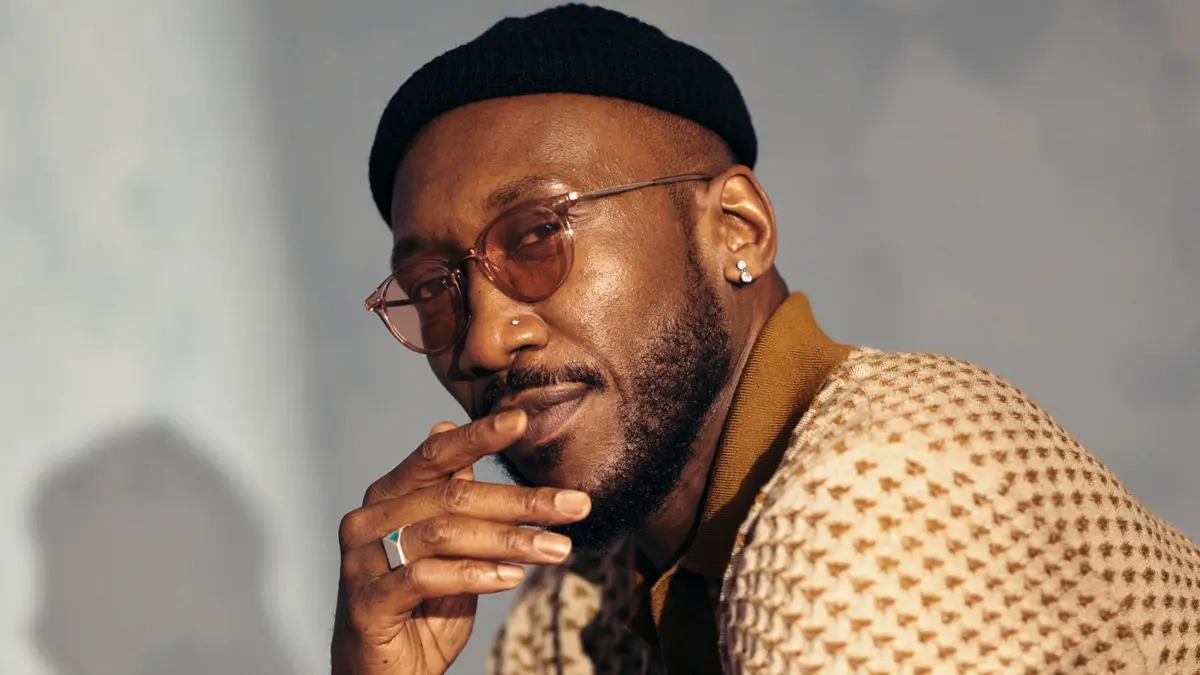
In the sprawling, tightly orchestrated universe of Marvel Studios, few developments have been as confounding, protracted, and ultimately tragic as the aborted attempt to bring the Daywalker back to the big screen. First announced with high-wattage fanfare at San Diego Comic-Con in July 2019, the reboot of Blade—with two-time Academy Award winner Mahershala Ali locked in to star—was supposed to herald a gritty, mature dawn for the MCU’s supernatural corner.
Instead, it devolved into a legendary development hell cycle, plagued by shifting directors, page-one script rewrites, studio hesitation, and corporate restructurings. Seven years later, the project is officially dead, leaving behind a wake of squandered potential, physical toll, and rare, brutal candor from both the architect of the MCU and its prospective star.
In a wide-ranging, viral September 2026 interview with GQ‘s Zach Baron, Mahershala Ali pulled zero punches when discussing the demise of the project. Addressing Marvel Studios President Kevin Feige’s earlier admission on Josh Horowitz’s Happy Sad Confused podcast—where Feige labeled himself a "gigantic loser and failure" over the doomed venture—Ali delivered a shocking endorsement of that harsh self-assessment: "I agree with him, one hundred percent. He should feel that way."
Ali’s frank remarks lift the veil on the inner workings of Hollywood’s premier superhero factory, exposing the human cost of a multi-billion-dollar machine stalling out. From uprooting his family to Atlanta and enduring grueling physical transformations that resulted in injuries, Ali’s journey with Blade stands as a cautionary tale of how even the most surefire cinematic unions can collapse under the weight of their own expectations.
Detailed Chronology of a Collapse: The Seven-Year Saga of Marvel’s Blade
To understand the magnitude of the Blade collapse, one must retrace a timeline defined by high hopes, endless delays, and systemic production paralysis.
2019: The Genesis and the Surprise Reveal
The genesis of Ali’s casting reads like Hollywood folklore. Unlike most actors who audition for comic book roles through traditional channels, Mahershala Ali proactively pursued the character. Following his second Oscar win for Green Book (2018), Ali personally called Marvel Studios to pitch himself as Eric Brooks, the iconic vampire hunter previously immortalized on screen by Wesley Snipes.
Kevin Feige, recognizing the incredible prestige and commercial appeal of anchoring a franchise with an actor of Ali’s caliber, fast-tracked the project. At the 2019 San Diego Comic-Con, Feige brought Ali out on stage, capping off Marvel’s Phase 4 presentation by placing a baseball cap emblazoned with the Blade logo on the actor’s head. The crowd went wild. The MCU was getting its Daywalker, and it was going to be R-rated, prestige-driven, and artistically daring.
2020–2022: The Creative Carousel
Despite the initial momentum, the project immediately hit structural hurdles. The studio tapped Stacy Osei-Kuffour in February 2021 to write the screenplay, making her the first Black woman to write a Marvel film. However, finding a matching directorial vision proved elusive.
In the autumn of 2022, just weeks before cameras were scheduled to roll, original director Bassam Tariq (Mogul Mowgli) abruptly exited the project due to creative differences and scheduling shifts caused by the production’s continuous delays. Around this time, reports surfaced that the initial script was a meager 90 pages long and featured only two lackluster action sequences—an embarrassing revelation for a film centered on a master martial artist and swordsman.
2023–2024: The Writers’ Room Revolving Door and Strike Delays
Desperate to salvage the production, Marvel brought in a succession of high-profile writers, including Beau Willimon (House of Cards), Nic Pizzolatto (True Detective), Michael Starrbury, and Yann Demange, who had signed on to direct. Demange eventually departed as well, citing the endless cycle of development.
The industry-wide Writers Guild of America (WGA) and SAG-AFTRA strikes of 2023 further paralyzed the production, pushing release dates back repeatedly. By late 2024, Disney officially removed Blade from its release calendar entirely, leaving the film in an indeterminate state of purgatory.
2025–2026: Final Burial and the Aftermath
While Marvel pivoted to alternative ways to honor the character—most notably featuring Wesley Snipes in a triumphant, nostalgic cameo in Deadpool & Wolverine (2024)—the Ali-led iteration withered away. Costumes meticulously designed for the production sat idle in a warehouse before being repurposed for Ryan Coogler’s vampire thriller Sinners (2025). By September 2026, the quiet cancellation was acknowledged not through press releases, but through the raw, unfiltered admissions of Feige and Ali himself.
Supporting Context & Metrics: The Human and Material Cost
The cancellation of Blade is more than just a corporate casualty of Hollywood scheduling; it represents an extraordinary allocation of human resources that ultimately yielded zero cinematic output. The toll of the seven-year delay reverberated deeply through Ali’s personal and professional life.

The Physical and Lifestyle Toll
Speaking with GQ, Ali detailed the extensive preparation he poured into a character he was never allowed to play. The actor spent over a year undergoing rigorous physical training, conditioning his body to convincingly embody a superhuman martial artist.
- The Injuries: The physical intensity of the training regimens pushed Ali’s body to its limits. He admitted to working out so hard and continuously that he literally "blew out his knee," requiring rehabilitation while still waiting for a start date that never arrived.
- Family Disruption: Believing production was genuinely imminent, Ali uprooted his entire family, relocating from the West Coast to Atlanta, Georgia, where Marvel productions frequently base their operations.
- Stilled Mastery: To prepare for the role, Ali immersed himself in discipline. As he noted to Baron, "I’m still training, I’m learning swordwork. Name a martial art, I’m training in it."
Resource Recycling
The logistical footprint of the failed production left physical artifacts that found homes elsewhere in the cinematic landscape:
- Wardrobe Upcycling: A massive warehouse filled with specialized gothic and tactical costumes tailored for Ali’s Blade was ultimately dismantled. Portions of these designs were salvaged and utilized in Ryan Coogler’s Academy Award-winning period horror film Sinners.
- Skill Transfer: Ali did not let his martial arts and swordplay education go to waste. He confirmed that much of the combat choreography and physical conditioning he learned while preparing to hunt vampires was redirected into his subsequent starring vehicle, Your Mother Your Mother Your Mother.
Official Statements: Unprecedented Candor from Feige and Ali
The modern Hollywood publicity machine is typically engineered to spin failures into "creative differences" or "pivots in strategic direction." Thus, the public commentary shared by Kevin Feige and Mahershala Ali stands as a historic aberration in corporate messaging.
Kevin Feige’s Confession
Appearing on Josh Horowitz’s Happy Sad Confused podcast in July 2026, Feige was asked about the bittersweet nature of bringing Wesley Snipes back for Deadpool & Wolverine while the Ali reboot remained stalled. Feige didn’t hide behind corporate platitudes. Visibly reflective, he admitted that the inability to bring Ali’s vision to the screen weighed heavily on him, categorizing the experience as the most significant operational failure of his tenure at Marvel Studios, describing himself in terms of a "gigantic loser and failure."
Mahershala Ali’s Validation
When GQ‘s Zach Baron raised Feige’s comments during their September 22, 2026 interview, Ali did not offer diplomatic cover. Instead, he leaned entirely into the harsh reality of the situation:
"That’s a Kevin Feige question. They had, as you said, a two-time Oscar-winning actor under contract, and you got billions of dollars. … To this day, I don’t know why it didn’t happen. I just know that Kevin said it was the biggest failure of his career, and I agree."
When Baron prompted him on Feige’s specific self-flagellation—reiterating the phrase "giant loser and a failure"—Ali doubled down without hesitation:
"I agree with him, one hundred percent. He should feel that way."
This exchange underscores a profound fracture in producer-talent relations, proving that even within the most lucrative cinematic enterprise in history, patience and creative goodwill have definitive breaking points.
Future Outlook: The Death of a Franchise and the State of Marvel’s Mature Content
The definitive collapse of the Mahershala Ali Blade project raises critical questions regarding Marvel Studios’ strategic direction, particularly concerning its attempts to branch into mature, R-rated storytelling.
The Stigma of Development Hell
With Ali officially released from his contract and the production history tainted by years of false starts, studio executives are unlikely to touch the intellectual property for the foreseeable future. The project has acquired a toxic industry stigma, signaling to top-tier talent that Marvel’s executive suite may struggle to execute visions outside their traditional PG-13, green-screen-heavy assembly line.
A Blow to Marvel’s Prestige Strategy
When Marvel originally signed Ali in 2019, it signaled a new era: a pivot toward prestige filmmaking, attracting capital-A actors who demanded artistic depth. The failure of Blade demonstrates the inherent friction between Marvel’s corporate risk aversion and the demands of grounded, auteur-driven genre pieces. By failing to support a two-time Oscar winner with a functional script and a timely production schedule, Marvel has arguably damaged its credibility with elite dramatic actors.
As the dust settles on the seven-year saga, the legacy of the aborted Blade reboot will be remembered not for what it put on screen, but for the rare, stinging honesty of its post-mortem. In an industry built on illusion, Mahershala Ali and Kevin Feige briefly, breathtakingly, told the absolute truth.