Executive Overview
In the high-stakes, multi-billion-dollar theatre of the modern video game industry, few moves capture the imagination—and invite profound skepticism—quite like platform piracy. When Microsoft dramatically swooped in to rescue Hideo Kojima’s secretive action-espionage project, Physint, following its sudden departure from Sony’s PlayStation ecosystem, it scored an immediate, undeniable public relations victory. For a brand that has weathered a relentless news cycle of studio closures, mass restructurings, and shifting platform strategies over the past year, securing an auteur of Kojima’s stature is a powerful flex.
Yet, beneath the glittering veneer of this major coup lies a labyrinth of financial, operational, and ethical hazards. Physint is not merely a new game; it is a high-risk gamble that forces Xbox to weigh the exorbitant costs of auteur-driven development against internal workforce morale. At a time when Microsoft has ruthlessly downsized internal talent pools—disrupting esteemed teams like Arkane Studios and sidelining projects like the Marvel’s Blade game—pumping millions into Kojima Productions is a double-edged sword.
This opinion-led investigative analysis explores the complex dynamics behind the Physint migration. By examining the historical parallels to classic console wars, the economic pressures that forced PlayStation’s hand, and the heavy burden of internal studio restructuring, we uncover whether Microsoft’s boldest play of the decade will cement Xbox’s legacy or backfire spectacularly.
Detailed Chronology: From PlayStation Scorn to Xbox Sanctuary
To understand the magnitude of Microsoft’s current gambit, one must trace the winding trajectory that brought Physint to Xbox’s doorstep. The timeline of this extraordinary industry shift reveals a narrative of escalating budgets, missed milestones, and a fundamental philosophical clash between corporate pragmatism and creative ambition.
[Early Development] ──> [Missed Deadlines] ──> [Sony Drops Physint] ──> [Microsoft Intervenes] ──> [Current State: High Uncertainty]
    PlayStation Backing      Budget Concerns       Project Abandoned      Xbox Secures Deal       Awaiting Concrete Details
1. The Genesis and Sony Partnership
For decades, Hideo Kojima’s name was synonymous with PlayStation. Following his public and acrimonious split from Konami in 2015, Sony was the first to extend a lifeline, funding Kojima Productions’ debut independent title, Death Stranding. The relationship deepened with the greenlighting of Death Stranding 2: On the Beach and, subsequently, Physint—announced as an ambitious, next-generation "Action Espionage" game widely viewed as a spiritual successor to the seminal Metal Gear Solid series.
2. The Fracture and Bloomberg Revelations
Cracks in the partnership began to show as production timelines stretched and financial realities set in. According to reports by Bloomberg, Physint quickly became a logistical headache for PlayStation leadership. Plagued by missed internal milestones and ballooning budget projections, Sony made the difficult, calculated decision to pull its funding and drop the project entirely. For a publicly traded hardware giant increasingly focused on razor-thin profit margins and guaranteed return-on-investment during the PS5 generation, Physint’s financial risk simply outweighed its creative promise.
This rejection must have come as a bitter shock to Kojima, whose career had defined the cinematic ambitions of the original PlayStation, PS2, and PS4 eras.
3. The Microsoft Hijack
Seizing upon PlayStation’s cold calculus, Microsoft stepped into the vacuum. Recognizing the propaganda value of turning away Sony’s premier creative partner—an event not seen in scale since Final Fantasy VII jumped ship from Nintendo to PlayStation in the mid-1990s—Xbox leadership initiated talks. Armed with deep pockets and a desperate need for a prestige narrative, Microsoft agreed to fund Physint from the ground up, granting Kojima the creative freedom he desired.
Today, Physint sits firmly in the Xbox portfolio, transforming from a discarded PlayStation asset into Microsoft’s most high-profile, yet wildly unpredictable, future release.
Supporting Context & Metrics: The Economics of Auteur Development
To evaluate the true risk profile of Microsoft’s acquisition, we must analyze the underlying metrics, historical precedents, and contemporary market conditions that frame the deal.

The Track Record vs. The Reality
From a critical standpoint, Hideo Kojima’s pedigree is matched by very few in the industry. Even polarizing titles like Metal Gear Solid 4: Guns of the Patriots or the meditative traversal simulator Death Stranding command intense critical adoration and passionate fanbases. However, critical acclaim does not automatically equate to commercial blockbuster status.
- The Death Stranding 2 Metric: While Death Stranding 2 continues Kojima’s mastery of the stealth-action sandbox (heavily borrowing DNA from Metal Gear Solid V: The Phantom Pain), concrete sales data released by Sony has been notably sparse. In an industry prioritizing immediate, high-margin blockbusters, the commercial performance of Kojima’s recent output remains an open question.
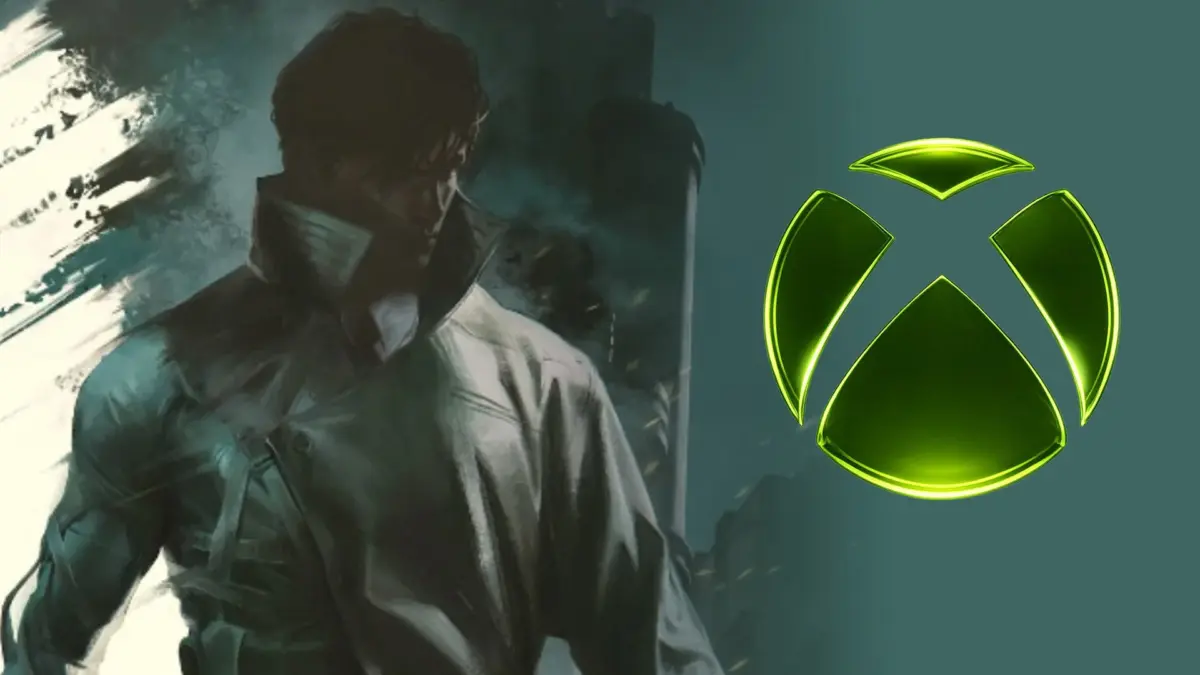
- The Information Void on Physint: Aside from the tantalizing promise of "Action Espionage" and a single piece of moody concept art featuring a shadowy, jacketed protagonist, the public knows virtually nothing about Physint. Xbox’s confidence is ostensibly buoyed by internal access to OD—Kojima’s upcoming episodic horror project. Leadership at Xbox surely would not commit further funds if OD were faltering, yet the financial outlay required to build an entirely new high-end stealth franchise is astronomical.
The Restructuring Paradox and Employee Morale
The timing of the Physint acquisition casts a long, complicated shadow over Microsoft’s internal corporate culture. Over the past twelve months, Xbox has executed aggressive restructurings, resulting in the displacement of thousands of workers across its various divisions.
+--------------------------------------------------------------------------+
                    MICROSOFT'S RESTRUCTURING PARADOX
+--------------------------------------------------------------------------+
|  [Mass Layoffs & Studio Divestments]                                     |
|   ├── Arkane Austin / Lyon (Marvel's Blade uncertainty)                  |
|   ├── Double Fine, Undead Labs, Compulsion Games                         |
|   └── Thousands of operational staff facing job insecurity               |
|                                                                          |
|                               vs.                                        |
|                                                                          |
|  [Luxurious Outlays]                                                     |
|   └── Multi-million dollar funding injection for Kojima Productions      |
+--------------------------------------------------------------------------+
For the remaining workforce—many of whom face ongoing job insecurity—seeing vast sums of capital funneled into a luxurious external partnership rather than internal stability is a bitter pill to swallow. The juxtaposition of internal contraction with external expansion breeds understandable resentment.
Furthermore, consider the plight of internal talent pools like Arkane Studios. Creators of genre-defining immersive sims and stealth masterpieces (such as Dishonored and Deathloop), Arkane Lyon currently faces an uncertain future regarding its upcoming Marvel’s Blade project, following Microsoft’s decision to relinquish direct control over several key studios. Watching Xbox push aside proven, internal stealth-action developers only to write a blank check to Kojima Productions to build a competing stealth game from scratch is an operational strategy fraught with internal political friction.
Official Statements & Industry Perspectives
The fallout from the Physint migration has sparked intense debate across the global gaming community, dividing opinions on corporate strategy, creative freedom, and platform stewardship.
- Industry Analysts on the "Sony Shift": Financial analysts have largely categorized Sony’s decision to drop Physint as a pragmatic, if brutal, economic maneuver. As one market observer noted: "PlayStation is entering an era where risk mitigation outweighs creative indulgence. If a project misses deadlines and balloons in budget, even legendary names are no longer immune to the corporate axe."
- The Xbox Defense: Defending the investment, insiders suggest that Microsoft’s leadership views high-end auteur projects as essential flagships for the Game Pass era and ecosystem mindshare. By aligning with Kojima, Xbox signals to the development community that it remains a safe and lucrative haven for uncompromising creative vision.
- The Creative Counter-Perspective: Veteran developers, speaking anonymously, have raised ethical concerns regarding resource allocation. "When you lay off hundreds of talented developers who understand systemic stealth design inside and out, and then pay a premium for an external studio to reinvent the wheel, you have to question where upper management’s long-term priorities truly lie," remarked one prominent studio head.
Future Outlook: Who Wins the Ultimate Gamble?
As the dust settles on one of the most surprising industry maneuvers in recent memory, the overarching question remains: Who will ultimately benefit from the Physint migration?
+--------------------------------------------------------------------------+
                     THE THREE-WAY STRATEGIC WAGER
+--------------------------------------------------------------------------+
|  1. Hideo Kojima & Kojima Productions                                    |
|     * Risk: Must reinvent the stealth-action genre under heavy pressure.   |
|     * Reward: Unfiltered creative freedom and guaranteed funding.        |
+--------------------------------------------------------------------------+
|  2. Microsoft / Xbox                                                     |
|     * Risk: Financial failure, low morale, and internal resentment.       |
|     * Reward: A massive PR victory and a prestige flagship title.        |
+--------------------------------------------------------------------------+
|  3. Sony / PlayStation                                                   |
|     * Risk: Appearing creatively short-sighted and losing an icon.       |
|     * Reward: Dodging a potentially bankrupting, over-budget project.    |
+--------------------------------------------------------------------------+
1. The Kojima Factor
For Hideo Kojima, the stakes are existential. Having been cast aside by his long-time institutional home at PlayStation, he must prove to a skeptical market that his creative brilliance can still translate into a commercial juggernaut. If Physint successfully redefines the action-espionage genre, Kojima will have outmaneuvered his critics and justified Microsoft’s immense financial faith.
2. The Xbox Balance Sheet
For Microsoft, Physint is a high-variance financial asset. If the game launches to critical and commercial acclaim, it alters the perception of the Xbox platform, proving that Microsoft can successfully incubate generation-defining masterpieces. However, should Physint stumble—falling into development hell or failing to recoup its massive investment—the fallout will severely damage leadership credibility, compounding the morale crisis already festering among restructured internal teams.
3. The PlayStation Bet
For Sony, the departure of Physint may look short-sighted in the short term, robbing the PS5 library of a major marquee title. Yet, if financial disclosures ultimately vindicate Sony’s fear of runaway budgets and delayed schedules, PlayStation will have successfully dodged a financial bullet, trading short-term PR embarrassment for long-term fiscal health.
Conclusion
The console wars, long thought to be evolving past simple hardware dominance into a war of ecosystems and subscriptions, have suddenly found a renewed focal point in a single, unreleased game. We are years away from knowing whether this unprecedented gamble will pay off. Until then, the industry watches with bated breath as Microsoft places its chips on the table, hoping that Kojima’s golden touch can outweigh the heavy toll of its own internal turbulence.