Executive Overview
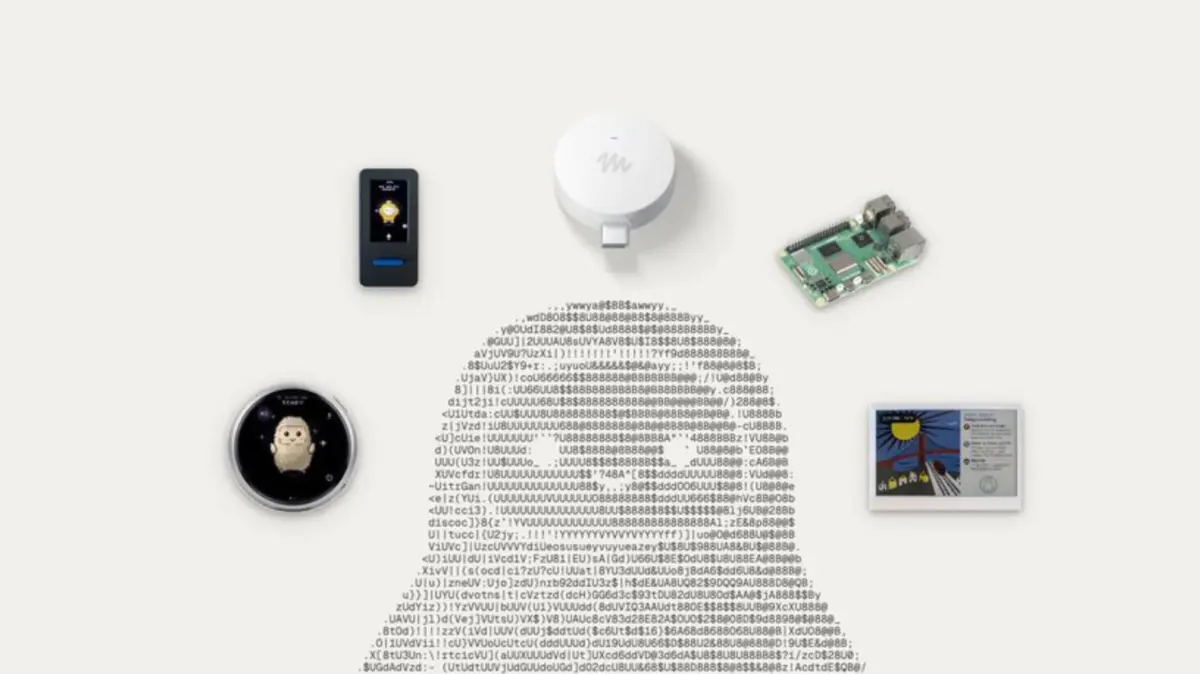
Meta is officially broadening the physical footprint of its nascent artificial intelligence ecosystem. Following the introduction of the Tamagotchi-inspired Muse Charm—revealed by CEO Mark Zuckerberg at the company’s annual Connect conference—Meta is now inviting developers, tinkerers, and hardware hobbyists to build their own custom devices powered by the Muse AI agent.
Through a new open-source initiative dubbed Muse Gadgets, the tech giant is providing the foundational firmware and software development kits (SDKs) necessary to embed its AI intelligence into a vast array of bespoke hardware. To demonstrate the flexibility and potential of the platform, Meta has manufactured an initial batch of 5,000 physical units of a reference device: the Muse Home Link.
This strategic move signals a departure from closed-ecosystem hardware development. By opening the doors to community-led innovation, Meta is crowdsourcing the future form factors of AI interaction. Whether through E Ink displays, television HDMI dongles, or deeply integrated smart home controllers, the company is betting that the developer community can help unearth the ultimate form factors for everyday AI integration.
Detailed Chronology: From the Muse Charm to the Open-Source Pivot
The Connect Reveal and the Muse Charm
The narrative surrounding Meta’s dedicated AI hardware began in earnest at the company’s Connect conference. During the keynote, CEO Mark Zuckerberg showcased the Muse Charm, a small, wearable, Tamagotchi-like device engineered to house the Muse AI agent.
The charm was pitched as an alternative interaction modality for users who prefer communicating with their personal AI agents without relying on Meta’s line of smart glasses or constantly pulling out their smartphones. However, industry analysts and consumers quickly realized that a single wearable form factor could not possibly cater to every use case. Recognizing the limitations of a one-size-fits-all approach, Meta’s product teams began looking at ways to decentralize the hardware equation.
The Launch of Muse Gadgets
Hot on the heels of the Connect announcements, Meta’s Superintelligence Labs—headed by product executive Nat Friedman—pivoted toward a more decentralized, community-driven strategy. Recognizing that hardware prototyping moves faster in the open-source community than inside corporate research and development labs alone, Meta launched the Muse Gadgets project.
The initiative is designed to remove the barriers to entry for hardware developers wishing to integrate the Muse agent. By supplying open-source firmware alongside a robust Linux SDK, Meta has effectively handed the keys to its proprietary AI architecture over to independent engineers, makers, and software developers. To foster collaboration around the initiative, the company concurrently launched a dedicated Discord community, allowing builders to share schematics, code snippets, and custom hardware modifications in real time.
Introducing the Muse Home Link
To prove the viability of the open-source Linux SDK and firmware, Meta designed and manufactured a physical reference device: the Muse Home Link.
Announced via social media by Nat Friedman, the Home Link is a compact, USB-C-powered hardware dongle. Its primary function is to bridge the gap between the Muse AI agent and the local local area network (LAN). By connecting to a home network, the Home Link allows the AI agent to communicate seamlessly with connected smart home appliances, including smart televisions, wireless speakers, and any other device capable of exposing an HTTPS interface.
Rather than keeping the Home Link locked behind a corporate paywall or retail store, Meta elected to manufacture an initial batch of 5,000 units to be distributed directly to active Muse subscribers, putting the hardware directly into the hands of early adopters.
Supporting Context & Metrics: The Mechanics of Open-Source AI Hardware
Hardware Specifications and Suggested Form Factors
Meta’s release of the Linux SDK and open-source firmware is designed to be hardware-agnostic, though the company has offered explicit design blueprints and architectural suggestions for developers eager to build their own dedicated Muse hardware. According to documentation on the official gadgets.muse.ai portal, the ecosystem natively supports hardware powered by microcontrollers like the ESP32 series, paving the way for low-power, highly efficient physical agents.
Meta’s official design recommendations highlight several distinct form factors that developers can experiment with:
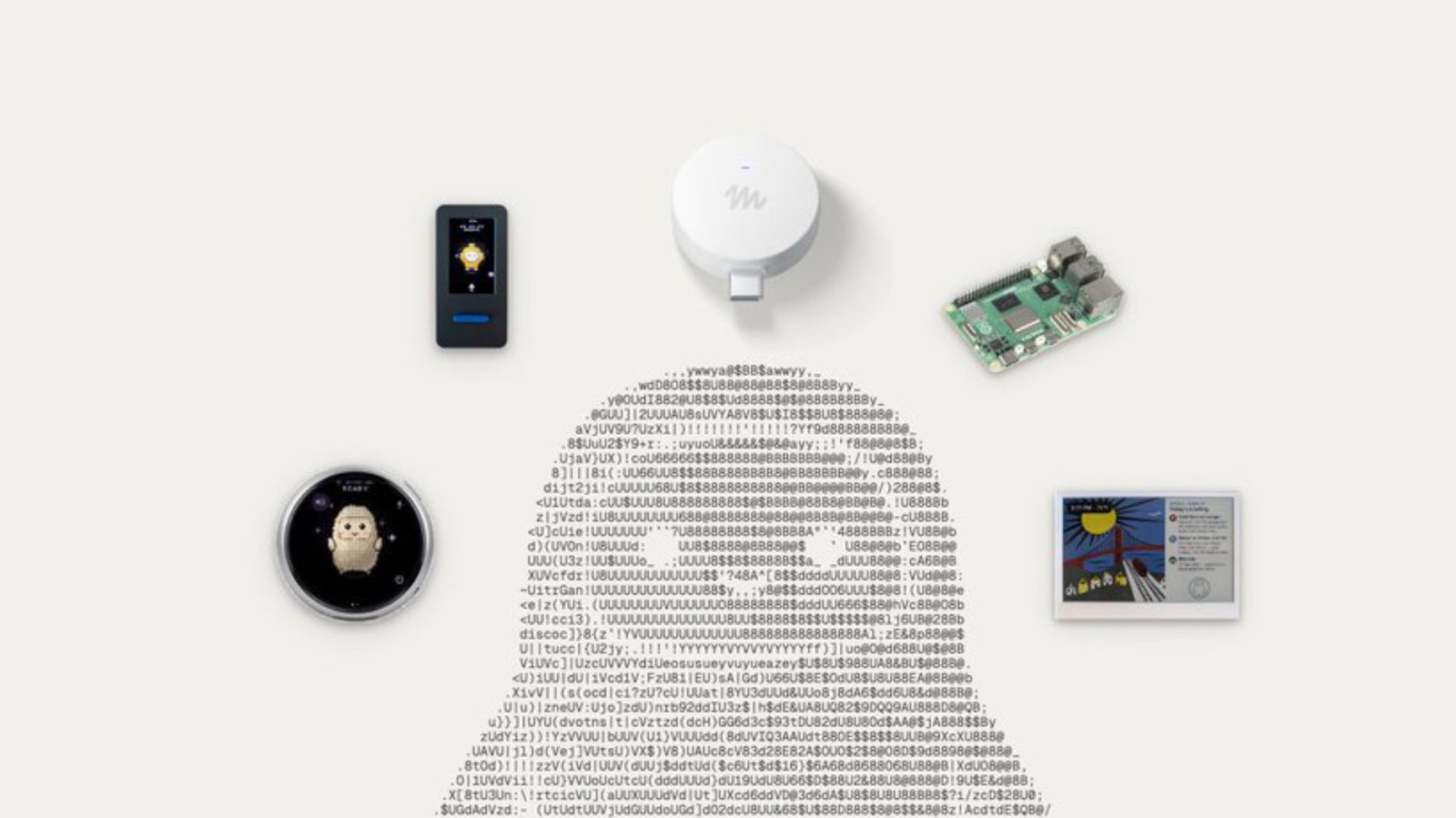
- Dedicated E Ink Displays: Ultra-low-power devices capable of showing text-based updates, reminders, or visual representations of the Muse agent without draining battery life.
- HDMI Streaming Dongles: Compact sticks that plug directly into television sets, transforming standard displays into interactive, voice- and text-controlled AI terminals.
- Miniature Touchscreen Accessories: Portable companions heavily echoing the design philosophy of the Muse Charm, equipped with tactile interfaces for direct physical interaction.
- Custom IoT Bridges: Specialized microcontrollers programmed to bridge legacy home appliances with modern AI frameworks.
The Home Link Metrics and Network Integration
The Muse Home Link represents a calculated hardware bet for Meta. Key parameters of the initiative include:
- Initial Production Run: 5,000 physical units manufactured and earmarked for distribution to existing Muse subscribers.
- Power Delivery: Standard USB-C connectivity, ensuring universal compatibility with modern power bricks and standard computer USB ports.
- Network Protocol: Reliance on standard HTTPS and local network bridging to interact with smart home ecosystems, circumventing the need for proprietary smart home hubs.
By utilizing standard web protocols rather than forcing manufacturers to adopt a closed smart home protocol, Meta has ensured that the Home Link can theoretically interact with any device exposing a secure web endpoint. This design decision drastically widens the addressable market for hobbyist integrations.
Official Statements and Industry Insights
The philosophy behind the Muse Gadgets initiative centers on distributed innovation and rapid prototyping. Speaking on the architectural goals of the project, Nat Friedman outlined the utility of the reference hardware on social media:
"We built a gadget of our own, too: Muse Home Link is a little USB-C-powered device that allows Muse to connect to your home network to talk to smart home devices like TVs and speakers and anything else that exposes HTTPS."
Friedman further confirmed the scale of the initial hardware rollout, noting: "We manufactured a batch of 5,000 Home Links which should…" signaling a concerted effort to seed the market with developer-grade hardware capable of stress-testing the new SDK infrastructure.
Industry analysts have noted that Meta’s open-source pivot mirrors successful strategies seen in the Internet of Things (IoT) and microcontroller spaces—most notably the explosive growth of the Arduino and Raspberry Pi communities. By giving developers the raw tools to build physical enclosures for software agents, Meta avoids the immense financial risk of mass-producing unproven consumer electronics. Instead, the company can observe which community-built devices gain traction organically before committing corporate capital to scaled manufacturing runs.
Furthermore, CEO Mark Zuckerberg’s positioning of the Muse ecosystem at Connect highlights a fundamental shift in how consumers view AI interfaces. While smartphones and smart glasses remain dominant, the desire for ambient, dedicated, single-purpose computing devices is growing. By moving away from screens and toward tactile, localized companions, Meta is attempting to pioneer a new category of consumer electronics.
Future Outlook: What the Muse Open-Source Ecosystem Means for the Industry
The launch of Muse Gadgets and the distribution of the Muse Home Link mark a critical juncture in the commercialization of generative AI and ambient computing. As generative models transition from cloud-based text windows into physical, interactive agents, the question of form factor remains entirely unresolved.
Crowdsourced R&D
By outsourcing hardware design to the open-source community, Meta is effectively leveraging thousands of independent engineers to solve the form factor dilemma. If a developer in the Discord community invents a compelling use case—such as a specialized kitchen-counter assistant or a bedside audio node powered by the Muse SDK—Meta gains immediate market intelligence on what consumers actually want from physical AI devices.
Smart Home Disruption
The Muse Home Link also positions Meta as an indirect competitor in the smart home ecosystem. Traditional smart home hubs from Amazon (Alexa) and Google (Google Assistant) rely heavily on proprietary ecosystems and voice-activated smart speakers. By introducing a lightweight, USB-C bridge that communicates via standard web protocols, Meta is creating an open pathway for an AI agent to interface with localized smart homes without requiring a monolithic smart speaker sitting in every room.
Challenges Ahead
Despite the enthusiasm surrounding the launch, significant hurdles remain. Security and privacy are paramount when introducing an AI-powered listening and bridging device into private residential networks. Meta will need to ensure that the open-source firmware and Linux SDK maintain rigorous encryption standards to prevent unauthorized network access or vulnerabilities within user-built gadgets. Furthermore, user adoption of the Muse ecosystem will depend heavily on the actual conversational capabilities and utility of the Muse AI agent itself, independent of the hardware housing it.
As the first batch of 5,000 Muse Home Link devices lands in the hands of subscribers, and as developers begin experimenting with the Muse Gadgets SDK, the coming months will reveal whether the open-source community can successfully forge the next evolution of human-computer interaction.