Executive Overview
For several consecutive product cycles, Apple enjoyed a well-earned reputation for driving down the cost of entry into the macOS ecosystem. Consumers benefited from increasingly aggressive starting prices, more generous baseline memory and storage configurations relative to price points, and the introduction of groundbreaking value hardware like the MacBook Neo. For the first time in its modern history, Apple was frequently cited as offering some of the best value-per-dollar metrics in the personal computing market.
However, the macroeconomic landscape for consumer electronics has shifted dramatically. Driven by a severe, prolonged global memory shortage that has strained component supply chains worldwide, Apple was recently forced to enact sweeping, across-the-board price hikes impacting its entire hardware catalog—from iPads to high-performance Macs.
While these sudden price increases have somewhat dulled the immediate appeal of Apple’s hardware lineup compared to just a few months ago, the ecosystem remains remarkably competitive. Smart shoppers who understand where to look can still unearth compelling deals, and today’s Macs continue to hold their ground as reliable, long-term investments against competing Windows and ChromeOS architectures. This report provides an exhaustive, authoritative breakdown of Apple’s current laptop ecosystem, detailing the state of the MacBook Air, the budget-friendly MacBook Neo, and the high-end MacBook Pro, alongside strategic buying advice for the remainder of the year.
Detailed Chronology: The Shift from Value Dominance to Supply Chain Constraint
To understand Apple’s current pricing dilemma, one must trace the trajectory of its pricing strategy over the past three years.
Phase One: The Democratization of macOS (2023–2025)
Beginning with the maturation of Apple Silicon (M-series chips), Apple aggressively restructured its product tiers. Recognizing that high entry costs were the primary friction point preventing Windows users from switching, Cupertino systematically lowered the barrier to entry. Baseline memory allocations were doubled across most lines, storage configurations became more palatable, and price tags for entry-level machines were stabilized or reduced. The culmination of this strategy was the conceptualization and eventual launch of the MacBook Neo—a radical departure aimed squarely at the education and budget-conscious consumer markets.
Phase Two: The Global Memory Crunch (Early to Mid-2026)
By mid-2026, structural deficits in high-bandwidth memory (HBM) and dynamic random-access memory (DRAM) production—exacerbated by surging enterprise demand for artificial intelligence infrastructure data centers—began to choke consumer hardware supply chains. Component costs escalated exponentially.
In late June 2026, market analysts’ worst fears were realized when Apple instituted a massive, systemic price adjustment. The luxury of higher baseline specs at lower price points vanished overnight. The company’s sudden pricing corrections forced consumers and industry watchers alike to re-evaluate the cost-to-performance ratio of purchasing a new Mac. Despite these headwinds, the market has stabilized somewhat into a landscape defined by cautious consumer spending, strategic refurbishments, and selective retail promotions.
Supporting Context & Metrics: The 2026 MacBook Ecosystem
Even with structural price increases, Apple’s portable computing portfolio remains sharply segmented to address distinct user needs. Here is how the three core pillars of the lineup measure up in the current market climate.
+-----------------------------------------------------------------------------------+
|                        APPLE MACBOOK LINEUP METRICS (2026)                          |
+-------------------+--------------------+--------------------+---------------------+
| Feature           | MacBook Neo        | MacBook Air        | MacBook Pro         |
+-------------------+--------------------+--------------------+---------------------+
| Starting Price    | $699               | Varies by region   | Premium tiers       |
| Display Sizes     | 13-inch            | 13-inch, 15-inch   | 14-inch, 16-inch    |
| Core Processor    | A18 Pro            | M-series (Air)     | M5 Pro / M5 Max     |
| Target Audience   | Budget / Students  | General Consumers  | Creative Pros / Devs|
+-------------------+--------------------+--------------------+---------------------+
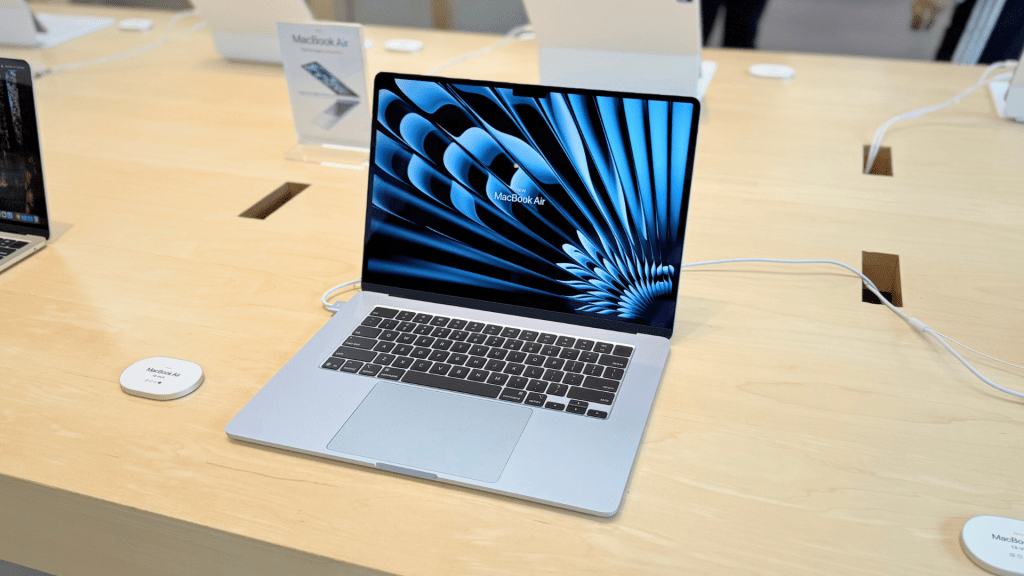
The MacBook Air: The Balanced All-Rounder
Up until the introduction of the MacBook Neo, the MacBook Air served as the undisputed gateway to Apple’s laptop family. While the arrival of a sub-$700 competitor has muddied the waters of the Air’s exact value proposition, it remains the gold standard for mainstream users who desire a refined, premium experience without stepping up to professional-tier pricing.

The MacBook Air continues to impress with critical quality-of-life features:
- MagSafe Charging: Ensuring breakaway safety and freeing up Thunderbolt ports.
- P3 Wide Color Displays: Delivering color-accurate visuals that outclass standard consumer panels.
- Advanced Webcams: Featuring Center Stage functionality for crystal-clear video conferencing.
- Exceptional Longevity: Industry-leading battery life that comfortably handles a full workday away from the outlet.
Crucially, the MacBook Air maintains a distinct advantage over the entry-level Neo by offering a spacious 15-inch size variant alongside the traditional 13-inch model. Retailers continue to offer sporadic discounts on both sizes, making careful price-tracking essential for prospective buyers.
The MacBook Neo: Redefining Budget macOS
Priced at an aggressive $699, the MacBook Neo requires very little introduction: it is Apple’s first true, uncompromised budget MacBook designed to capture the mass market.
While it introduces calculated compromises when compared to the MacBook Air, the engineering achievement lies in what Apple chose not to change. The foundational build quality, display sharpness, and the fluid macOS user experience remain intact.
- The Trade-offs: To hit the $699 price point, the Neo utilizes a modified mobile processor architecture—specifically the A18 Pro chip. While technically slower than dedicated M-series laptop chips, it is remarkably capable for everyday productivity, web browsing, and media consumption. It also features a more conservative port selection and a baseline 8GB of memory.
- Aesthetic Appeal: Breaking away from traditional space gray and silver monotony, the Neo injects personality into the lineup with vibrant color options including Citrus, Blush, and Indigo.
- The Refurbished Strategy: Direct retail discounts on brand-new units are virtually nonexistent due to component cost constraints. However, Apple’s official Certified Refurbished store offers significant savings—typically $100 to $120 off retail. Apple’s refurbished program guarantees a like-new experience, replacing outer shells and batteries while backing every machine with the standard one-year warranty.
The MacBook Pro: Peak Performance and Impending Redesigns
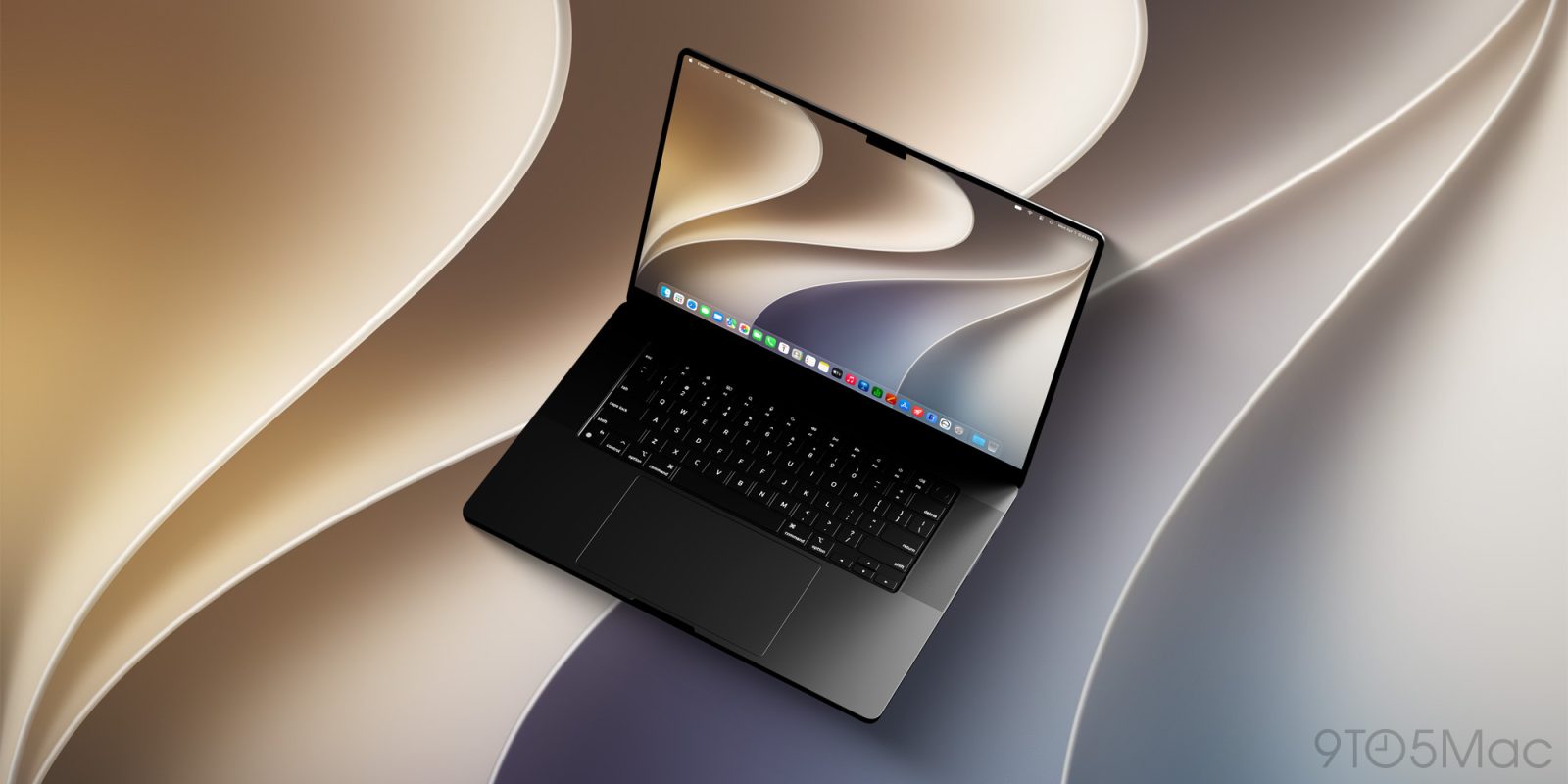
At the apex of Apple’s hardware hierarchy sits the MacBook Pro. Designed for power users, software engineers, video editors, and audio producers, it represents the absolute zenith of portable computing power. However, prospective buyers face a strategic crossroads due to product lifecycle timing.
Industry reports indicate that Apple is preparing a major structural overhaul for the high-end MacBook Pro variants later this year. Rumored upgrades include the integration of OLED display panels, touchscreen capabilities, and even slimmer physical profiles.

- The Catch: These dramatic chassis redesigns are heavily rumored to debut exclusively alongside next-generation M5 Pro and M5 Max silicon.
- Your Purchasing Strategy: If you are in the market for a base-model MacBook Pro powered by the standard M-series chip, industry analysts suggest you are in the clear to purchase immediately. The same advice applies to professionals who prioritize raw processing throughput over form factor changes, as the current-generation M5 Pro and M5 Max chips remain computational powerhouses that will effortlessly handle demanding enterprise workloads for years to come.
Official Statements & Industry Perspective
In the wake of the pricing adjustments, industry analysts have closely monitored consumer sentiment and corporate strategy. While Apple executive leadership has remained typically tight-lipped regarding component pricing negotiations, supply chain insiders have been vocal about the underlying pressures.
"The unprecedented strain on global memory fabrication plants has forced a recalibration across the entire consumer technology sector," notes a leading hardware supply chain analyst. "Apple’s ability to maintain high manufacturing standards while absorbing—or selectively passing on—these cost increases dictates that buyers must be more strategic than ever. Value can still be found, particularly in the certified refurbished ecosystem and through targeted promotional windows, but the era of universal, frictionless price drops has temporarily paused."
Consumer advocacy groups and tech reviewers have similarly adapted their advice, emphasizing that purchasing decisions should no longer rely on the expectation of imminent generational price cuts. Instead, buyers are urged to match their hardware selection strictly to their immediate computational needs—opting for the MacBook Neo for lightweight daily tasks, the Air for a balanced premium daily driver, or the Pro for heavy computational lifting.

Future Outlook: What to Expect in the Latter Half of 2026 and Beyond
As the technology sector looks toward the remainder of 2026, the trajectory of the personal computer market hinges heavily on supply chain normalization and the impending autumn hardware cycle.
- Supply Chain Stabilization: Industry forecasts suggest that the acute global memory shortage may begin to plateau by late 2026 or early 2027 as new fabrication facilities come online. Whether this will prompt Apple to roll back recent price increases or simply stabilize profit margins remains to be seen.
- The Autumn Hardware Wave: All eyes are now turned toward Apple’s traditional fall announcements. The expected unveiling of redesigned MacBook Pro models featuring OLED and touchscreens will likely reset expectations for high-end laptops, potentially widening the gap between consumer-tier Air/Neo devices and professional workstations.
- The Rise of Alternative Retail Strategies: With retail margins tightening, consumers are increasingly turning to certified refurbished channels, trade-in programs, and bundled service offerings (such as promotional trials for Apple TV+, Apple Music, and iCloud storage) to maximize the overall value of their hardware purchases.
Final Recommendation
If your current machine is failing and you require a reliable computing tool today, the current generation of Macs—despite recent price corrections—still outclasses much of the competing market in build quality, energy efficiency, and software support. By leveraging official refurbished inventories for budget models like the MacBook Neo or carefully tracking seasonal retail sales on the MacBook Air and Pro, consumers can successfully navigate the current market landscape without overspending.