Executive Overview
The intersection of personal health and strict ethical eating frequently presents a profound moral dilemma. For millions of individuals worldwide, adopting a vegetarian or vegan lifestyle is driven by a deep-seated commitment to animal welfare and environmental sustainability. However, what happens when chronic health conditions collide with these stringent dietary frameworks?
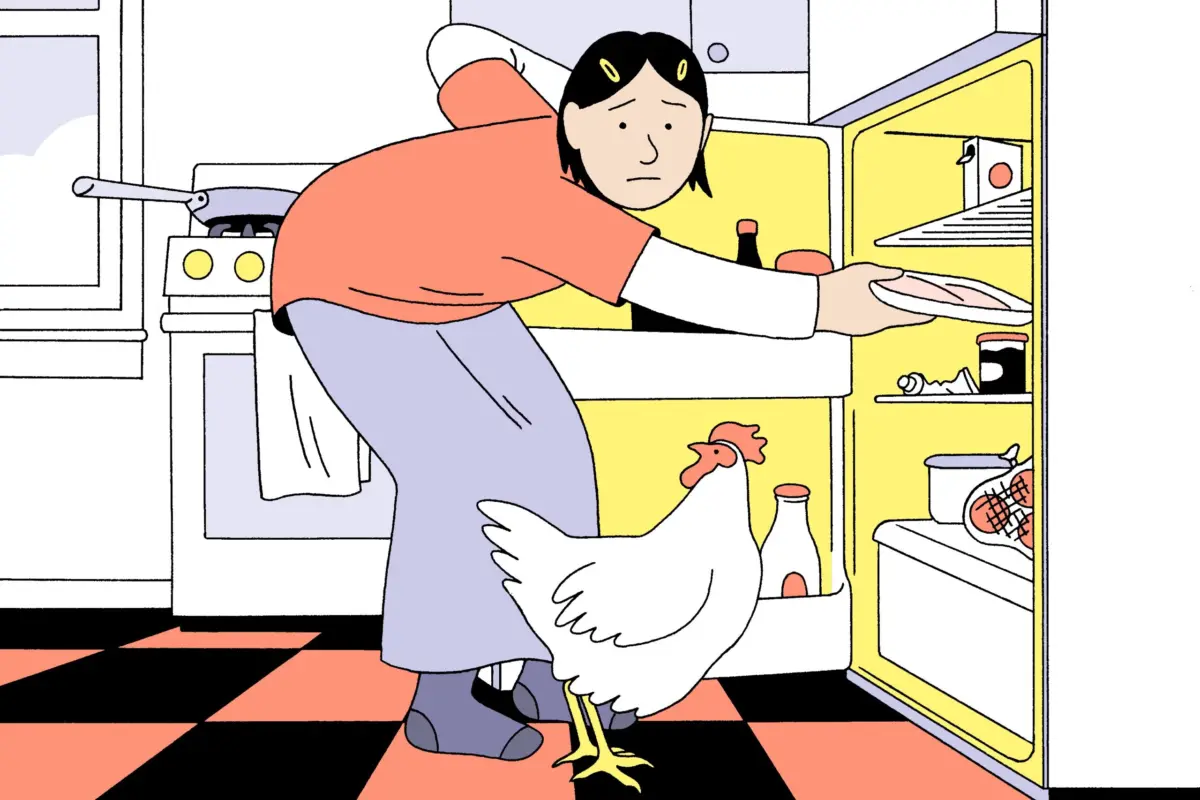
This article explores a deeply resonant ethical quandary originally raised by a committed vegetarian struggling with a sudden resurgence of gastrointestinal distress. Forced to adopt a restrictive, bland diet devoid of common vegetarian staples—such as tomatoes, onions, citrus, spices, and caffeine—this individual faced a difficult crossroads: compromise their moral aversion to meat consumption or continue suffering physically while trying to maintain nutritional purity within an extremely narrow set of parameters.
Through the lens of moral philosophy, value pluralism, and practical dietary stewardship, this piece unpacks how individuals can navigate health-induced dietary pivots without abandoning their ethical commitments. By examining traditional ethical paradigms—such as deontology and utilitarianism—alongside the flexible framework of philosophical pragmatism, we explore how reducetarianism, careful sourcing, and intelligent animal selection can reconcile personal well-being with compassionate living.
Detailed Chronology: The Evolution of Modern Ethical Diets and the Health-Conflict Dilemma
To understand the modern tension between restricted health diets and ethical eating, it is vital to trace how plant-based movements evolved and where traditional moral frameworks meet physiological reality.
1. The Rise of the Modern Conscientious Diet
For decades, vegetarianism and veganism transitioned from fringe counter-cultural movements into mainstream lifestyle choices supported by burgeoning research on health and environmental impact. Organizations tracking dietary trends note that while only a small percentage of Western populations strictly identify as vegetarian or vegan, a significantly larger cohort fluctuates in their consumption habits, experimenting with plant-based eating for varying durations.
2. The Hidden Reality of Dietary Recidivism
Empirical studies on dietary habits reveal a complex landscape. Research indicates that a vast majority of individuals who attempt to adopt strict vegetarian or vegan diets eventually reintroduce meat into their routines. While many abandon these diets due to culinary fatigue, social friction, or lack of preparation skills, a distinct subset faces medical barriers. Chronic gastrointestinal disorders, such as irritable bowel syndrome (IBS), severe acid reflux, or inflammatory bowel conditions, often require elimination diets that severely restrict high-fiber plant foods, legumes, nightshades, and raw vegetables.
3. The Onset of the Health Crisis
When a committed vegetarian experiences a severe flare-up of gastrointestinal symptoms, the standard medical playbook often points toward easily digestible, low-residue foods. For individuals who cannot tolerate grains, beans, nuts, and acidic or allium-family vegetables, the remaining plant-based options shrink drastically. Medical professionals frequently suggest animal-based broths or lean meats for their healing amino acid profiles and ease of digestion. This creates a sharp chronological rupture for the ethical eater: a sudden, urgent clash between bodily survival and moral integrity.
Supporting Context & Metrics: Philosophy, Impact, and Sourcing Realities
Navigating this dilemma requires moving beyond rigid moral absolutes and examining the underlying philosophical structures that govern how we view food, animals, and our own well-being.
+-------------------------------------------------------------------+
                  THE SPECTRUM OF ETHICAL FRAMEWORKS
+-------------------------------------------------------------------+
| 1. Deontology     -> Absolute moral duties (e.g., never use      |
|                      animals as a means to an end).               |
| 2. Utilitarianism -> Maximizing well-being, minimizing overall      |
|                      suffering (e.g., Peter Singer's approach).   |
| 3. Pragmatism     -> Contingent moral truths; balancing multiple  |
|                      valid values (e.g., Elizabeth Anderson).     |
+-------------------------------------------------------------------+
Deontology vs. Utilitarianism: The Search for Moral Certainty
In moral philosophy, dietary ethics are typically divided into two dominant schools of thought:
- Deontology: Rooted in duty-bound ethics, a deontologist argues that certain actions are inherently right or wrong regardless of their consequences. Under this framework, treating an animal purely as a means to an end (i.e., slaughtering it for human consumption) is morally impermissible. For a strict deontologist, medical necessity rarely justifies a moral violation because universal duties cannot be easily bartered away for personal convenience or comfort.
- Utilitarianism: Championed by philosophers like Peter Singer, utilitarianism evaluates the morality of an action based on its outcomes—specifically, its ability to maximize happiness and minimize overall suffering. Utilitarians focus heavily on reducing the immense suffering caused by industrial factory farming.
While these two schools appear opposed, they share a reliance on a single, overarching universal principle. However, human life is rarely so tidy.
The Pragmatic Turn: Elizabeth Anderson and Value Pluralism
Offering an alternative perspective, University of Michigan philosopher Elizabeth Anderson applies pragmatism and value pluralism to human-animal relations. In her foundational essays on the subject, Anderson notes that for the vast majority of human history, survival necessitated the exploitation of animals for food, labor, and clothing. The social and technological conditions required to extend broad moral rights to animals are a relatively recent historical development.
Furthermore, pragmatism rejects the notion that a single yardstick (such as sentience or intelligence) can dictate all moral obligations. Our moral duties to animals depend heavily on our relationships with them—whether they are domesticated pets, wild animals in independent ecosystems, or adversaries (such as disease-vectors or pests). Crucially, Anderson’s framework accommodates human thriving: moral evaluation must balance our duty to minimize harm with our legitimate need to maintain our own health and capability to function.
The Scale of Suffering: Factory Farming vs. Sourcing Metrics
If an individual must consume animal products to manage a health crisis, the degree of ethical compromise varies wildly depending on what is consumed and how it is raised.
- The Industrial Agriculture Crisis: In modern Western food systems, roughly 99% of meat originates from concentrated animal feeding operations (CAFOs). These factory farms subject animals to extreme confinement, unsanitary conditions, and painful physical alterations without anesthesia.
- The "Bigger Animal" Calculus: Animal welfare advocates often point out that the sheer volume of lives taken to feed humans matters immensely. Because chickens yield only a few pounds of meat per animal, the average meat-eater consumes dozens of chickens annually. In contrast, a single grass-fed beef cow yields approximately 500 pounds of meat, resulting in far fewer individual deaths per pound consumed. However, beef production carries a significantly heavier carbon footprint, presenting an ecological trade-off.
- Navigating Welfare Labels: Consumers seeking higher-welfare animal products must navigate a minefield of marketing terminology. Vague labels like "natural," "cage-free," or "free-range" frequently lack rigorous enforcement. Conversely, certifications like Certified Humane offer verifiable standards of better treatment, though they still culminate in slaughter.
Official Statements & Expert Frameworks
Ethicists, medical practitioners, and reducetarian organizations increasingly advocate for a nuanced, non-absolutist approach to dietary ethics.
- The Reducetarian Perspective: Rather than forcing individuals into an unsustainable all-or-nothing binary—where slipping up once invalidates an entire ethical identity—advocacy groups like the Reducetarian Foundation emphasize incremental, quantifiable reduction. Committing to structured frameworks such as "weekday vegetarianism" or "vegan before six" allows individuals to dramatically lower their animal product consumption while maintaining the flexibility required for medical emergencies.
- Philosophical Consensus on Pluralism: Modern ethicists specializing in practical philosophy emphasize that guilt and moral purism can often become counterproductive. When health collapses under the weight of a rigid dietary rule, recognizing that human well-being is a legitimate value among many prevents ethical burnout and fosters sustainable, long-term compassion.
Future Outlook: Reconciling Health, Ethics, and Innovation
As we look toward the future of food, the tension between medical dietary restrictions and ethical eating is poised to evolve through technological and agricultural innovation.
- The Rise of Precision Fermentation and Cultivated Meat: Laboratory-grown meat and dairy proteins produced via cellular agriculture offer a revolutionary horizon. In the coming decades, individuals with severe gastrointestinal constraints may be able to consume animal-identical proteins (such as bone broths or lean meats) without causing direct harm to sentient animals or contributing to industrial slaughter.
- Advanced Plant-Based Medical Foods: The food tech sector is increasingly moving past generic veggie burgers toward specialized medical nutrition products. Low-FODMAP, allergen-free, and gut-soothing plant-based formulations are expanding rapidly, bridging the gap between clinical dietary needs and ethical manufacturing.
- Shifting Toward Sustainable Reducetarianism: Culturally, the narrative surrounding ethical eating is shifting away from perfectionism. The future points toward a "reducetarian mainstream," where society values aggregate harm reduction over purist gatekeeping.
For the individual caught between a compromised gut and a compassionate heart, the path forward is clear: acknowledge that values are plural, treat your body with the same moral consideration you extend to animals, and make conscious, deliberate choices that minimize suffering without sacrificing your own survival and well-being.