Executive Overview
In the wake of unrelenting critical acclaim for his latest cinematic triumphs, director Christopher Nolan’s status as a generational titan of modern filmmaking is firmly beyond dispute. From the interweaving temporal mechanics of Dunkirk and the structural sleight-of-hand in The Prestige to the monumental scale of his recent epics, Nolan has consistently redefined the boundaries of narrative architecture. Yet, when surveying a filmography dedicated to shattering genre tropes and prioritizing visceral, practical spectacle, one masterwork stands out as the ultimate distillation of his auteur identity: Inception.
Released in 2010, the sci-fi caper took the cerebral intensity of Memento and the blockbuster viability of Batman Begins, fusing them into a singular cinematic event. Blending elements of classic film noir, high-stakes espionage thrillers, and hard science fiction, Inception invited audiences into a multi-layered dreamscape that continues to challenge perceptions sixteen years later.
For cinephiles and casual viewers alike, the present moment offers a rare opportunity to revisit this masterclass in world-building. Due to current digital distribution shifts, Warner Bros. and platform partners have made the film available to stream completely free on YouTube. Whether experienced for the first time or unpacked on a dozen subsequent rewatches, Inception remains a towering monument to original, high-concept studio filmmaking.
Detailed Chronology: The Genesis and Execution of a Dream Heist
To understand the cultural footprint of Inception, one must look at the grueling gestation period that preceded its release. Christopher Nolan reportedly spent nearly a decade writing the screenplay, continuously tinkering with the conceptual rules of shared dreaming, subconscious projection, and psychological architecture. Initially envisioned as a horror-leaning cyberpunk thriller before evolving into a sophisticated heist narrative, the project required a level of financial and creative capital that few studios were willing to gamble on an original, non-IP property—until Warner Bros. stepped in following the massive success of The Dark Knight.
The Setup and the Team
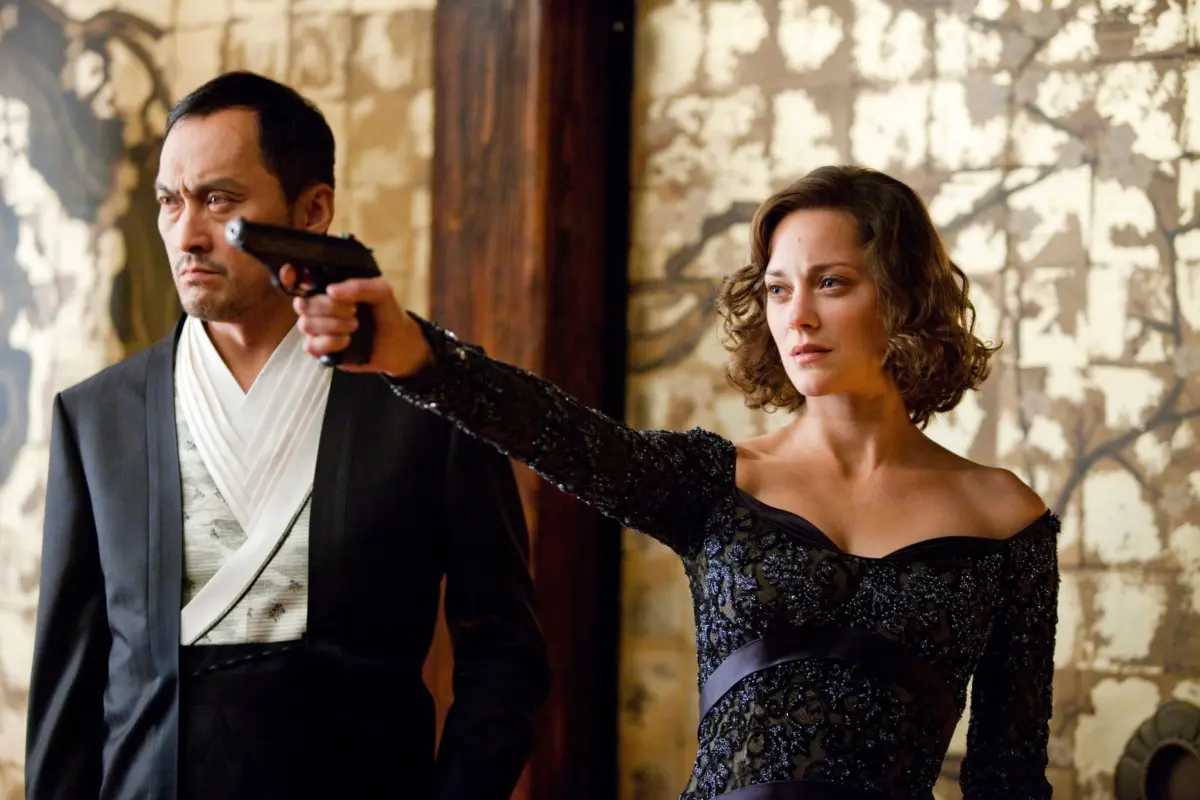
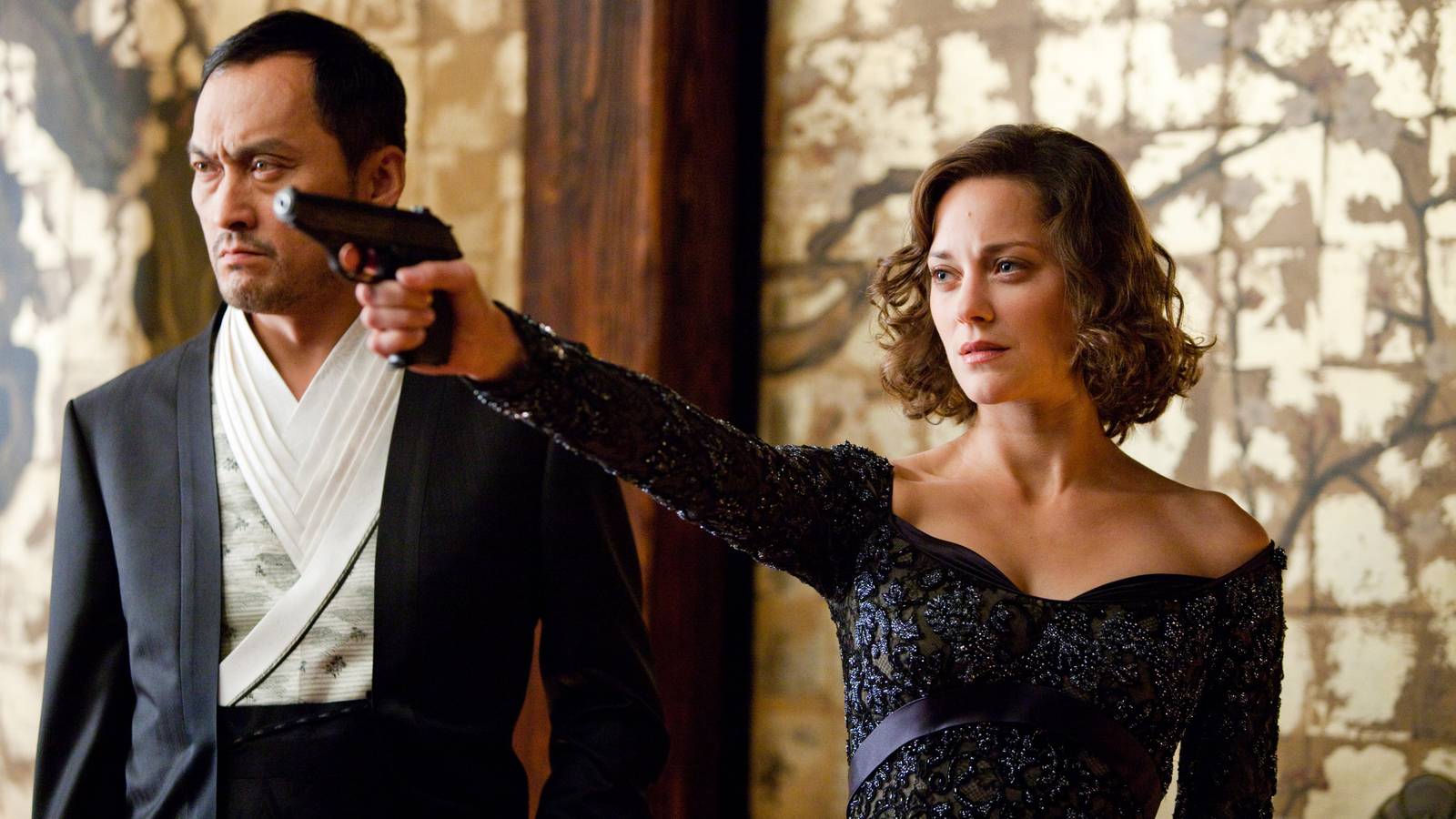
The narrative follows Dom Cobb (Leonardo DiCaprio), a fugitive "extractor" operating in a gray-market corporate espionage underworld. Unlike conventional thieves who steal physical data, Cobb infiltrates the human mind during sleep to extract trade secrets from his targets’ subconscious. Burdened by a criminal record that keeps him exiled from his homeland and his young children, Cobb is approached by the enigmatic billionaire Saito (Ken Watanabe) with an irresistible proposition.
Saito does not want an extraction; he wants an inception—the near-impossible task of planting an idea into the mind of a corporate rival, Robert Fischer (Cillian Murphy), heir to an energy empire. In exchange, Saito promises to use his immense influence to clear Cobb’s name, allowing him to legally return to his family.
To pull off the job, Cobb assembles a specialized crew:
- Arthur (Joseph Gordon-Levitt): The meticulous point-man and researcher who keeps the operation grounded.
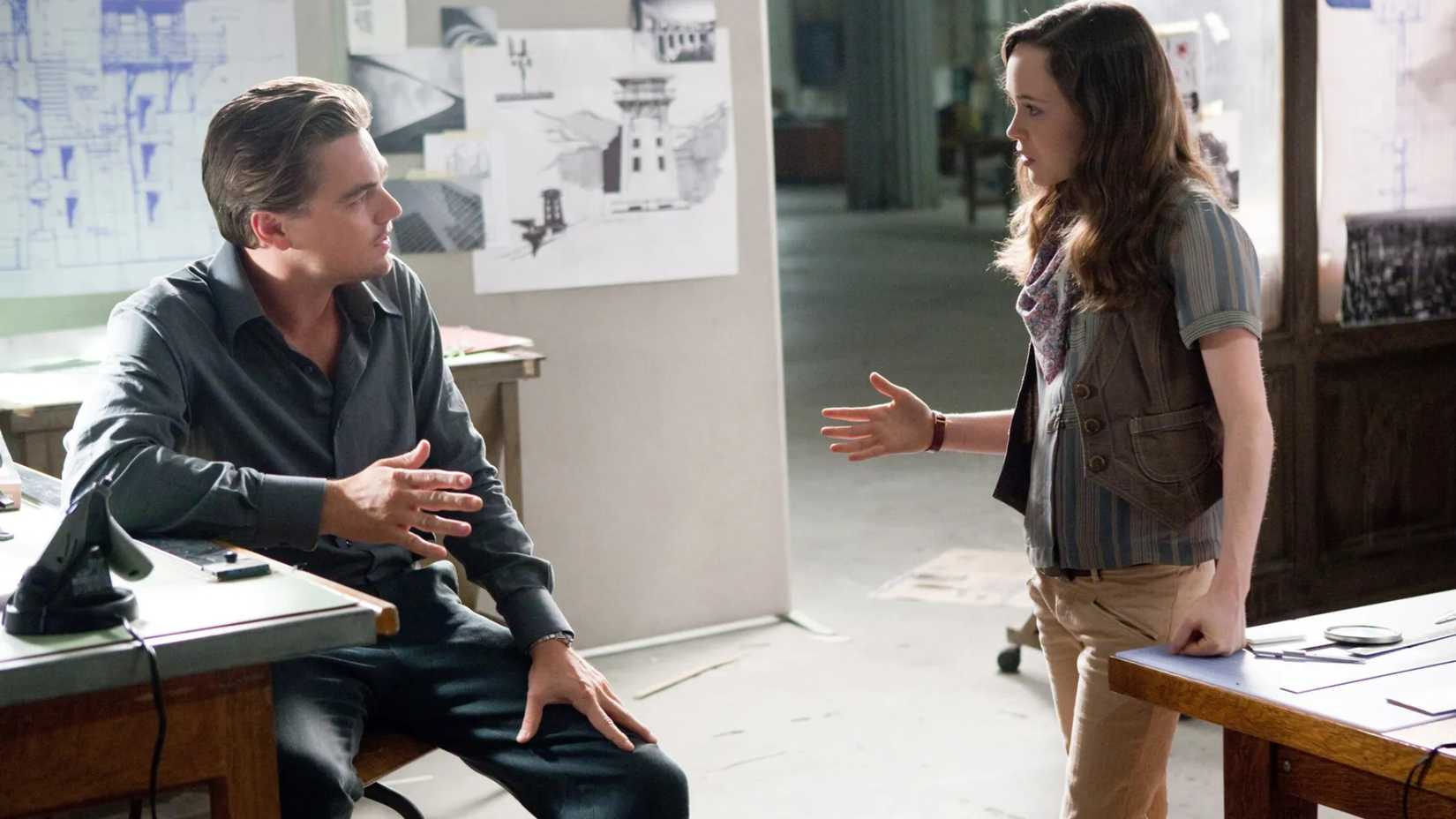
- Ariadne (Elliot Page): A brilliant architecture student recruited to design the labyrinthine geometry of the dream worlds.
- Eames (Tom Hardy): A master "forger" and con-man capable of assuming physical identities within the dream state.
- Yusuf (Dileep Rao): A chemist responsible for developing the powerful sedutives required to sustain multi-layered dreams.
Descending the Layers
The operation requires descending three nested tiers of dreams simultaneously: a bustling metropolitan rainscape, a sterile hotel interior, and a snow-covered military fortress. As the team executes the mind-heist, the plan is continuously sabotaged by Cobb’s own psychological baggage—specifically, the violent, grief-induced manifestations of his deceased wife, Mal (Marion Cotillard), who refuses to stay dead within his subconscious.

Supporting Context & Metrics: Practical Magic vs. Digital Artifice
What separates Inception from the bloated CGI-heavy blockbusters of the modern era is Nolan’s absolute, uncompromising commitment to practical effects. In an era where digital green screens dominate Hollywood stages, Inception relied heavily on in-camera stunts, physical set design, and real-world physics to sell the absurdities of the dream world.
The Physics of the Rotating Corridor
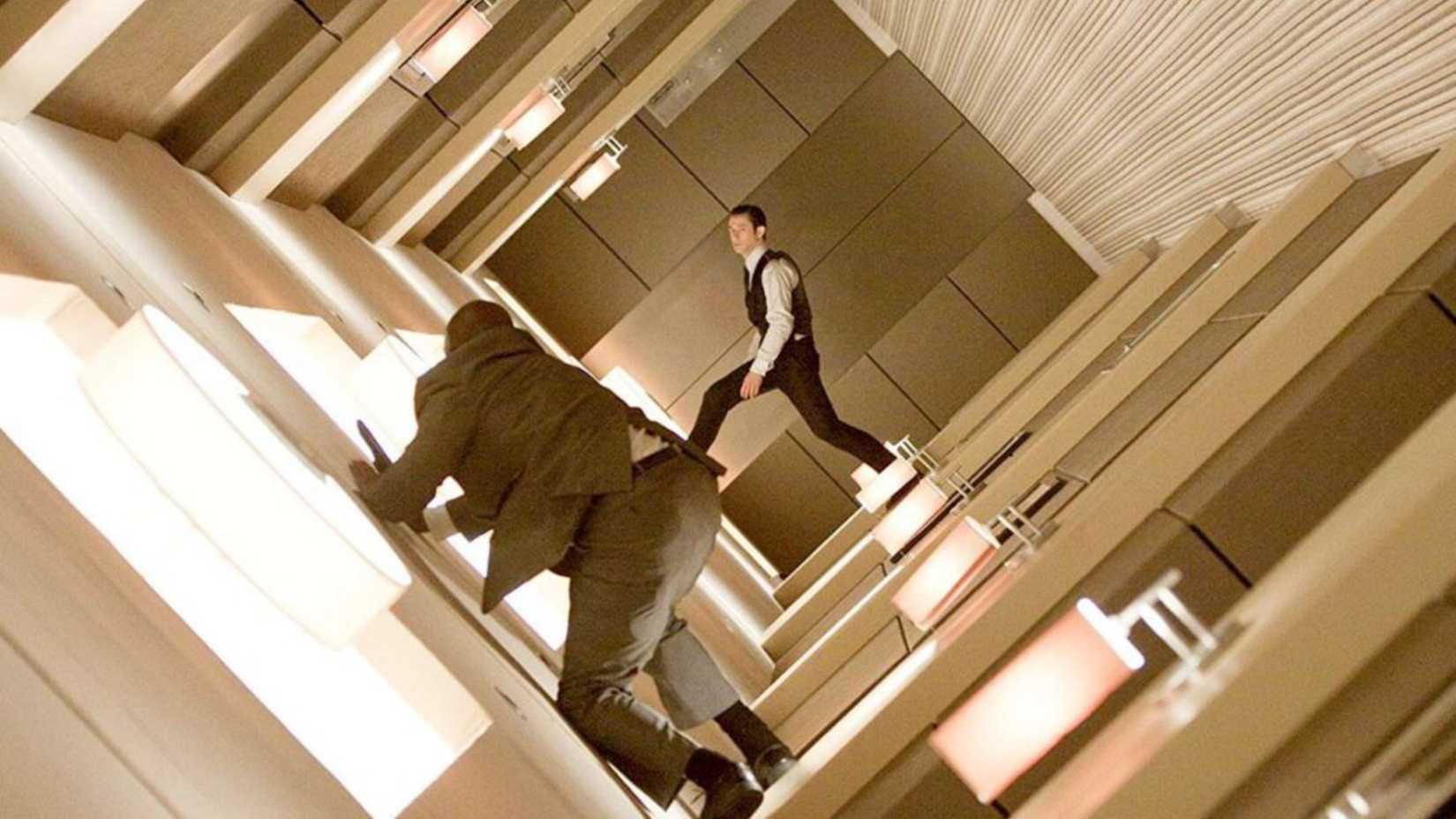
Perhaps the most celebrated sequence in the film features Arthur fighting a rogue projection in a hotel corridor that perpetually spins 360 degrees. Rather than utilizing standard digital trickery, Nolan and his special effects crew built a massive, rotating, cylindrical hotel hallway set mounted on industrial-grade gimbals. Joseph Gordon-Levitt and the stunt team performed the grueling fight choreography inside the spinning apparatus, enduring G-forces and physical exhaustion to capture genuine, un-fakeable momentum.
The Mechanics of Scale
Similarly, the snowy fortress assault pairs high-altitude tactical warfare with the harrowing imagery of a vintage van slowly plunging off a bridge in the dream tier above. By physically linking the time dilation across multiple dream layers—where a few minutes in reality stretches into months within the deepest subconscious tier—Nolan constructed a mathematical marvel of editing and pacing.
| Metric / Production Fact | Detail |
|---|---|
| Release Year | 2010 |
| Box Office Gross | Over $836 million worldwide against a $160 million budget |
| Academy Awards | Won 4 Oscars (Cinematography, Sound Editing, Sound Mixing, Visual Effects) |
| Writing Duration | Approximately 9–10 years of script development |
| Key Practical Effect | A rotating 100-foot hotel corridor set built on 360-degree axis rings |
Official Statements and Critical Reception
Upon its theatrical release in July 2010, Inception sparked immediate, intense discourse across cultural and academic spheres. Film critics praised its ability to marry high-art existential philosophy with old-school summer popcorn entertainment.
In retrospective commentary regarding the film’s production philosophy, Christopher Nolan frequently emphasized the necessity of physical gravity in fantasy filmmaking:
"If you’re dealing with concepts as abstract as dreams, memories, and the architecture of the human mind, the audience needs to feel the physical weight of the world to believe it. If the actors are reacting to real dust, real metal, and real G-forces, the surrealism becomes grounded in truth."
Cinematographer Wally Pfister, reflecting on the arduous shoot, noted the unique challenges of lensing a narrative where visual geography shifts by the second: "We weren’t just shooting a movie; we were constructing an architectural puzzle where every frame had to honor spatial logic, even when that logic was completely impossible."
Critics universally lauded the ensemble cast, particularly Leonardo DiCaprio’s haunted turn as a man drowning in his own guilt, and Hans Zimmer’s thunderous, horn-driven musical score—featuring the iconic slowed-down Edith Piaf cue—which fundamentally changed the sound design landscape of modern trailers and blockbusters.
Future Outlook: The Enduring Legacy of the Spinning Totem
As Hollywood continues to grapple with franchise fatigue, IP reboots, and algorithmic content generation, Inception serves as a shining benchmark for what is possible when a major studio invests heavily in an original, auteur-driven concept. It proved that audiences do not need their hands held through complex narratives; given compelling characters, high stakes, and rigorous internal logic, viewers will happily embrace intellectual complexity.
Furthermore, discussions surrounding Inception inevitably circle back to its infamous final shot. As Cobb spins his metal top—his personal totem designed to reveal whether he is awake or dreaming—the camera cuts to black before the object loses momentum. For over a decade and a half, this ambiguity has fueled endless fan theories, academic analyses, and cultural debates.
Ultimately, as Nolan’s career marches forward into new historical and speculative frontiers, Inception remains a timeless touchstone. The fact that viewers can currently stream this monumental achievement for free on YouTube provides an irresistible invitation. Whether you are analyzing its thematic debts to Satoshi Kon’s anime masterpiece Paprika, studying its practical stunt work, or simply hoping for a definitive answer about that spinning top, taking the plunge back into the dream world has never been more accessible.
Just remember to check your surroundings. And don’t forget your totem.