Executive Overview
The launch of Halloween: The Game—the highly anticipated asymmetric multiplayer video game adaptation of John Carpenter’s iconic 1978 slasher masterpiece—has descended into unexpected controversy. Developer IllFonic has officially disabled a controversial "Two-Person Power-Up" minigame, colloquially dubbed by the community as the "closet sex minigame," following a weekend of viral social media outrage.
The feature, which allowed players hiding together in confined spaces to engage in a button-mashing rhythm challenge to earn statistical buffs, ignited a fierce debate across X (formerly Twitter), Reddit, and gaming forums. The controversy reached a boiling point when gameplay footage circulated widely, depicting Dr. Samuel Loomis—the legendary psychiatrist portrayed in the films by the late Donald Pleasence—engaging in the mechanic with teenage civilian characters like 17-year-old Lynda van der Klok.
While early access players who purchased the Halloween Deluxe Edition ahead of the official September 8 worldwide release were initially amused by the bizarre inclusion, the optics of casting a 50-year-old legacy protagonist in a simulated romantic encounter with underage characters quickly drew intense criticism. IllFonic moved swiftly, deploying an emergency hotfix over the weekend that scrubbed the mechanic from the game. In a statement provided to media outlets, the studio framed the removal as a corrective measure addressing an "unintended issue" concerning end-game reinforcement characters, though community sentiment remains starkly divided between those relieved by the removal and others lamenting the loss of an accidental viral phenomenon.
Detailed Chronology: From Early Access Debut to Emergency Patch
The trajectory of Halloween: The Game over its opening weekend highlights the unpredictable nature of modern game launches, where community-driven content can reshape a title within hours of going live.
The Soft Launch and the Discovery
Halloween: The Game did not open its doors to the general public immediately. Instead, pre-order incentives for the Halloween Deluxe Edition granted eager fans early access starting Friday, September 4, 2026. As players dove into the virtual recreation of Haddonfield, Illinois, exploring single-player campaigns and asymmetric multiplayer matches, they began experimenting with the environmental mechanics embedded in the survival-horror sandbox.
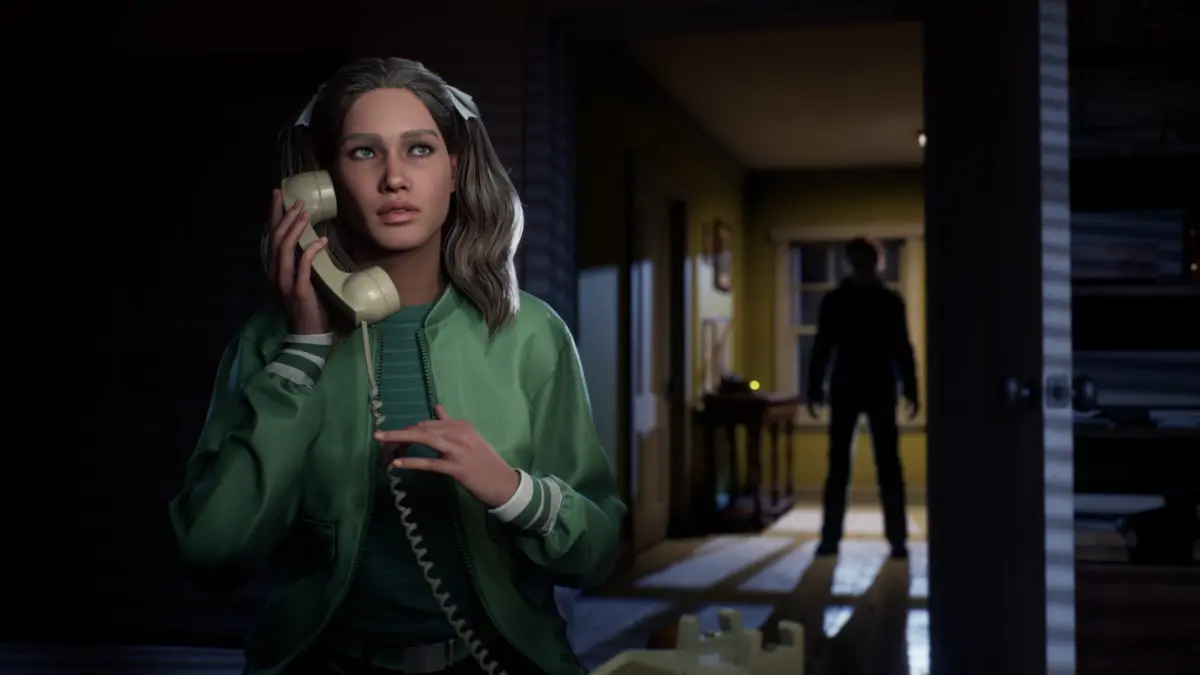
Among these mechanics was a seemingly innocuous hiding system. The game features several iconic civilian characters from the Halloween cinematic universe, including Laurie Strode (voiced by Chelsea Krause), Annie Brackett (voiced by Kaitlyn Robrock), Bob Simms (voiced by Nicholas Leung), and Lynda van der Klok (voiced by Angela Carbone). Players could seek refuge from the relentless stalker, Michael Myers, by ducking into closets scattered throughout the map.
However, players soon discovered that if a second player entered a closet already occupied by another character, a prompt would appear allowing them to "ask them out." Accepting the prompt initiated a cooperative, button-mashing minigame. As the camera shook and audio cues featured character grunts, players had to actively balance a rising line on a performance bar. Successfully maintaining the rhythm filled a heart meter, ultimately granting both characters the "Stronger Together" buff—a mechanical advantage that temporarily improved survivability against Michael Myers. While the game explicitly avoided rendering explicit visual acts, keeping the encounter entirely implied within the dark confines of a closet, the conceptual nature of the interaction immediately caught the community’s attention.
The Viral Spark and the Loomis Problem
Within 48 hours of the early access launch, the mechanic crossed the threshold from an obscure Easter egg to viral internet sensation. Prominent content creator and community figure Monto shared a video clip on X featuring a specific pairing that instantly raised ethical and tonal red flags.
The clip showed Dr. Samuel Loomis entering a closet and initiating the minigame with Lynda van der Klok—a character canonically established as a 17-year-old high school student in the 1978 film. Because Loomis serves as the primary "hero civilian" protagonist in IllFonic’s adaptation and is rendered directly from the likeness of the late Donald Pleasence, the visual pairing of an older authority figure and psychiatrist with an underage character provoked widespread discomfort.
The clip accumulated hundreds of thousands of views within hours, sparking intense debates regarding creative boundaries, tone-deaf game design, and the protection of a deceased actor’s likeness. Industry observers immediately began questioning how such a feature passed internal quality assurance checks, noting the inevitable legal and public relations fallout if the Pleasence estate took notice of the simulation.
The Silent Hotfix and Community Fallout
Reacting to the escalating PR crisis, IllFonic quietly deployed a hotfix over the weekend. Initially, the official patch notes made no explicit mention of the feature’s removal, leading to immediate confusion among players logging into the game. The patch notes simply cited general crash fixes and stability improvements:
"The launch of Early Access for Halloween: The Game has been amazing so far and the team is so excited to finally be able to play the game with you all. Today we are rolling out our first hotfix for Halloween: The Game. This patch is primarily aimed towards addressing several crashes that have been occurring as well as a small list of other issues that the team was able to implement with this hotfix."
As players confirmed that the closet interaction prompt had completely vanished, reactions fractured. While many expressed relief that the tone-deaf pairing of Loomis and teenage characters had been excised, a vocal faction of the player base treated the removal with ironic dismay. Reddit threads quickly filled with complaints from users mourning what they jokingly termed an "early access exclusive." Some users argued that the feature could have simply been retained while restricting Dr. Loomis from participating, rather than removing the mechanic entirely.
Supporting Context & Metrics: Navigating the Horror License
To understand why the "closet romance" mechanic caused such acute friction, it is essential to examine the weight of the Halloween intellectual property and IllFonic’s history in the asymmetric multiplayer genre.
The Legacy of John Carpenter’s Halloween
Released in 1978, Halloween is widely credited with establishing the tropes of the modern slasher film. Central to its enduring cultural legacy is the stark contrast between the embodiment of pure evil, Michael Myers (The Shape), and his primary pursuer, Dr. Samuel Loomis. Played masterfully by Donald Pleasence across multiple sequels, Loomis is a tragic, obsessive figure whose professional failures and moral crusade to stop Myers define the narrative spine of the franchise.
In Halloween: The Game, IllFonic sought to recreate the terror of Haddonfield by allowing players to step into the shoes of both iconic victims and survivors. Integrating historical likenesses requires careful navigation, particularly when dealing with estates of deceased actors. The unauthorized or unseemly depiction of a revered character like Dr. Loomis engaging in comedic or suggestive minigames represented a severe tonal mismatch with the grim, atmospheric dread that fans of John Carpenter’s original film expect.
IllFonic’s Development Track Record
IllFonic has built a specialized niche in the video game industry as a developer of licensed asymmetric multiplayer horror titles. The studio previously spearheaded projects such as Friday the 13th: The Game, Predator: Hunting Grounds, and Ghostbusters: Spirits Unleashed.
While IllFonic has cultivated a dedicated community through these adaptations, the studio has occasionally faced hurdles regarding post-launch support, balancing issues, and unexpected gameplay loopholes. The inclusion of the Two-Person Power-Up minigame highlights a recurring challenge in sandbox multiplayer design: balancing emergent, lighthearted player interactions with the strict narrative and tonal boundaries demanded by multi-million-dollar entertainment licenses.
Official Statements and Developer Clarification
Following days of intense speculation and pressure from gaming media, IllFonic issued a formal clarification to IGN addressing the exact nature of the feature’s removal. The developer acknowledged that the mechanic’s availability to inappropriate character models was a critical oversight:
"Players may have noticed that our latest hotfix removed the Two-Person Power-Up minigame. This was due to an unintended issue that allowed end game reinforcement characters to engage with the minigame, which was a major oversight on our part. We have more content and minigames coming in the near future, but our current focus is our attention on immediate game needs. Keep an eye on our socials for updates as they become available."
The statement attempts to reframe the controversy around technical logistics—specifically pointing to "end game reinforcement characters"—rather than purely thematic concerns. However, industry analysts note that the phrasing heavily implies the studio recognized the severe optics of certain character combinations (such as Dr. Loomis and teenage civilians) interacting via the mechanic, prompting its swift eradication.
Future Outlook: What Lies Ahead for Halloween: The Game?
As Halloween: The Game prepares for its broader, unhindered worldwide launch on September 8, 2026, the studio faces the delicate task of regaining community trust while stabilizing the game’s technical foundation.
Content Roadmap and Community Expectations
Despite the controversy surrounding the closet mechanic, player engagement during the early access weekend surpassed internal expectations. IllFonic has assured its player base that future patches will address broader community feedback, bug reports, and stabilization needs ahead of the official release window.
Whether the developer will reintroduce cooperative minigames in a restructured, tonally appropriate format remains to be seen. For now, the community remains vocal across social platforms—ranging from disappointed meme-makers mourning the loss of the closet interaction to purists who view the hotfix as a necessary step in preserving the integrity of John Carpenter’s cinematic universe.
As Halloween: The Game steps out of early access and into the glaring spotlight of a global release, IllFonic’s ability to listen to its audience while safeguarding licensed properties will be the ultimate test of the game’s long-term viability in the crowded horror-survival market.