Executive Overview
In the golden era of puzzle-box television, few creators left as indelible a mark on pop culture as J.J. Abrams. Following the monumental, earth-shattering success of Lost—the 2004 ABC phenomenon that transformed watercooler discourse into a global guessing game—Abrams set his sights on reimagining the traditional procedural format. The result was Fringe, a paranormal, hard-science-fiction series that premiered on Fox in 2008. While it initially struggled to capture the monolithic, overnight cultural fervor of its predecessor, Fringe evolved over five transformative seasons into a beloved cult classic, celebrated for its intricate lore, boundary-pushing narrative swings, and profound emotional core.
For years, tracking down the sprawling, multi-dimensional epic meant navigating a fragmented landscape of subscription streaming services or tracking down physical media. However, a major development for genre enthusiasts has brought the series back into the cultural spotlight: Fringe is now available to stream entirely for free on Pluto TV.
This unexpected streaming availability offers both longtime fans a frictionless way to revisit the Department of Homeland Security’s most unusual division and provides newcomers with an open invitation to experience one of the most inventive television runs of the 21st century. Far from a mere monster-of-the-week procedural, Fringe stands as a masterclass in balancing high-concept speculative science fiction with deeply moving, character-driven drama.
Detailed Chronology: The Evolution of Fringe
To truly understand the legacy of Fringe, one must trace its trajectory from an uncertain pilot to a sprawling, reality-bending epic. The series began its life in the shadow of Lost. Having stepped away from day-to-day operations on Lost in 2005, Abrams—alongside co-creators Alex Kurtzman and Roberto Orci—wanted to channel the eerie, uncanny atmosphere of classic speculative fiction into a structure reminiscent of The X-Files.
Season 1: The Monster-of-the-Week Foundation (2008–2009)
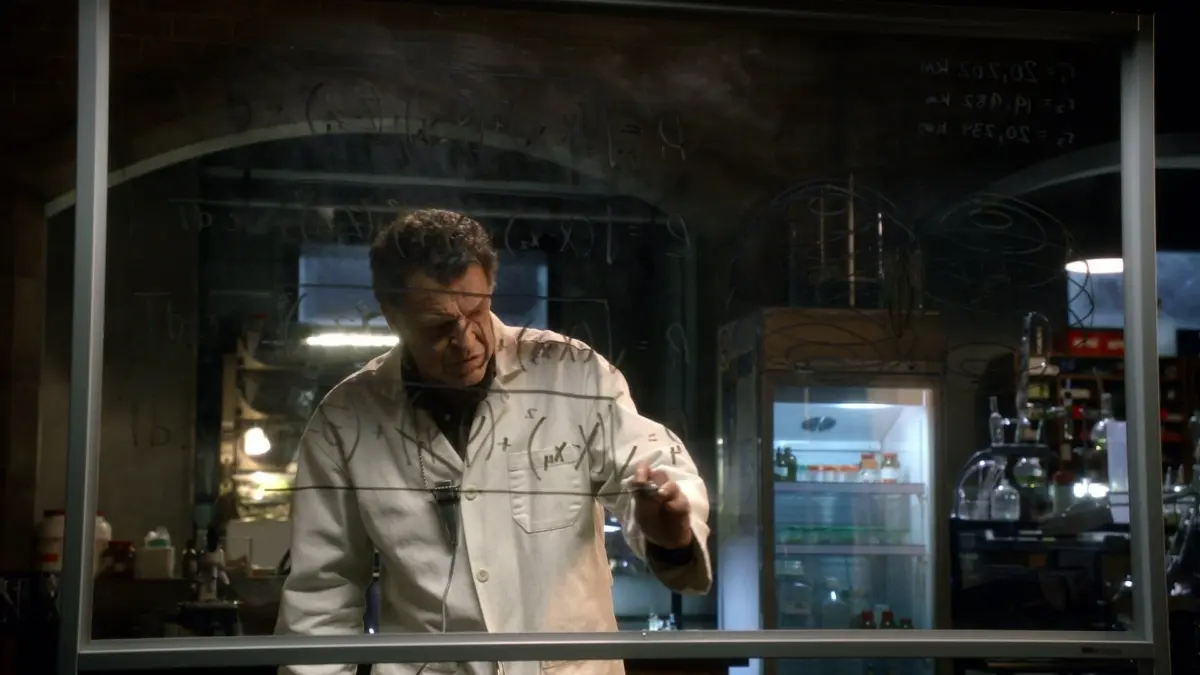
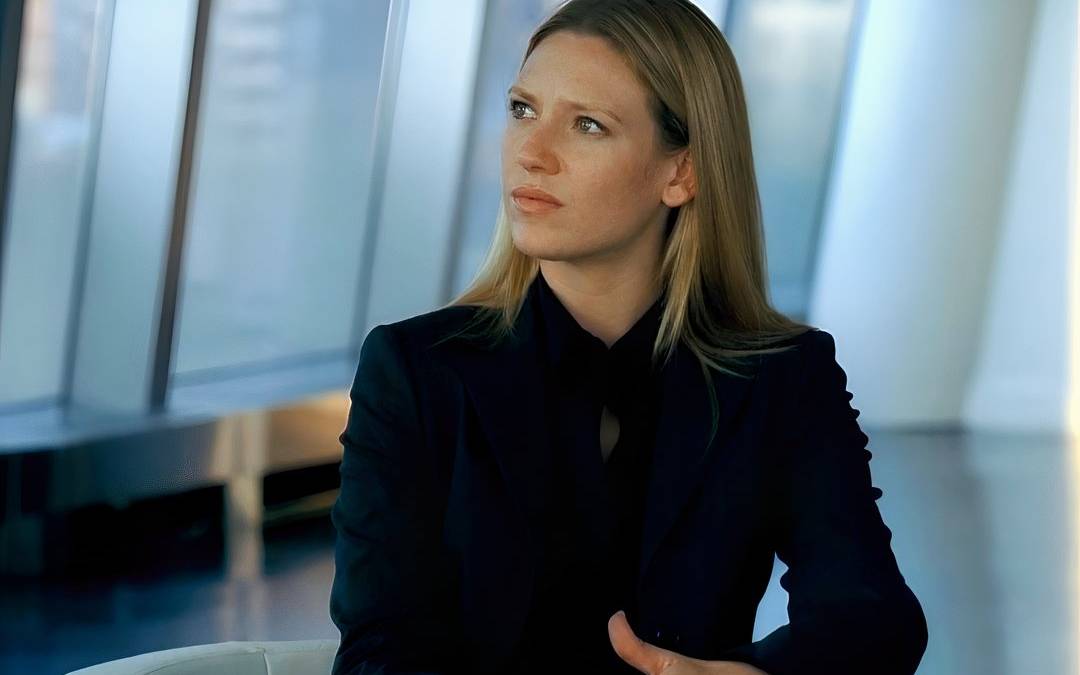
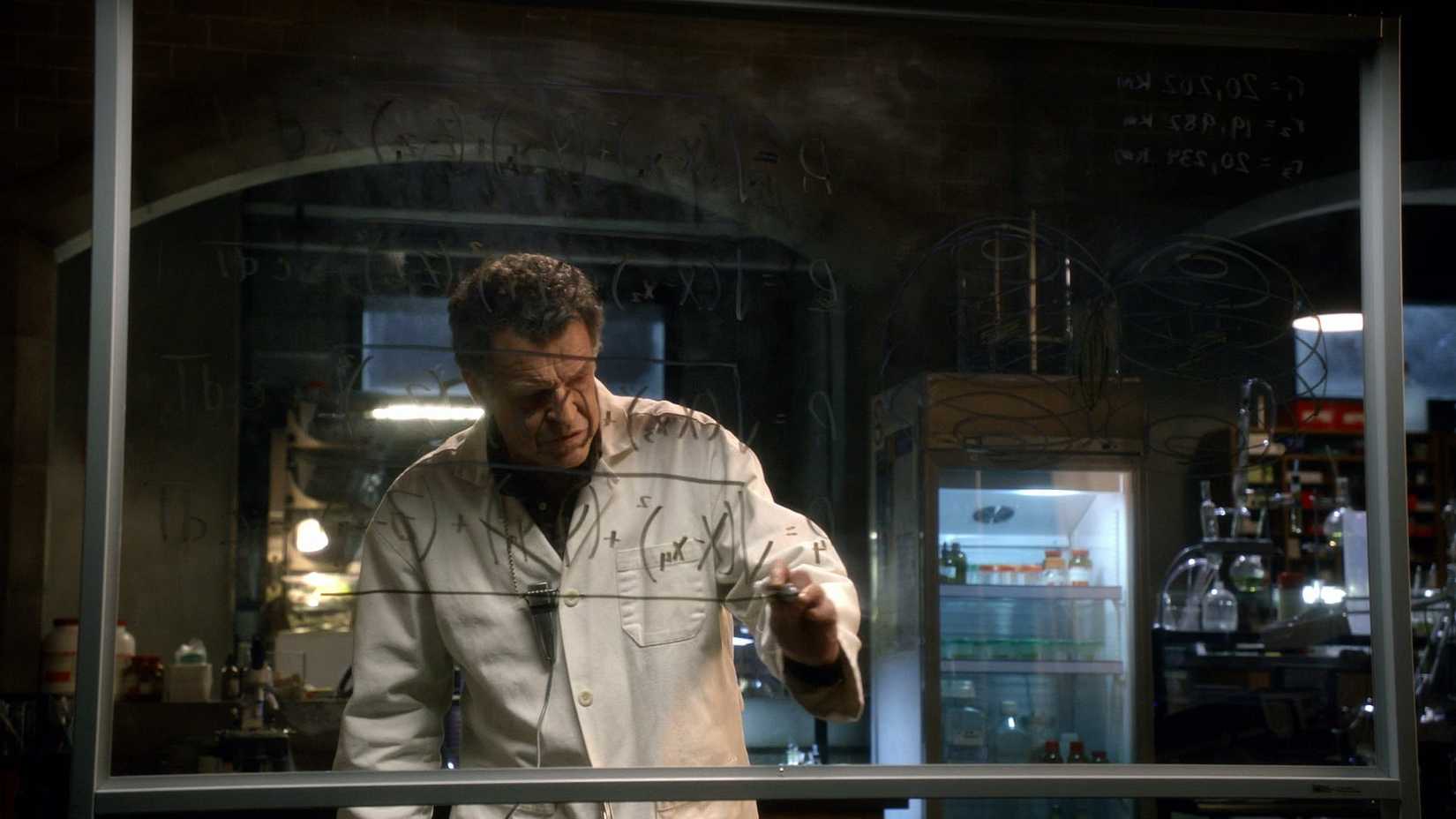
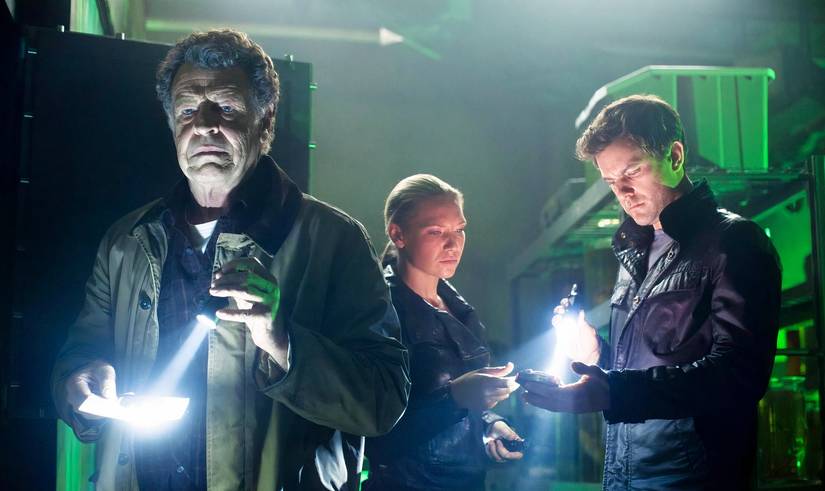
The series opens with a chilling premise: a commercial flight lands at Boston Logan International Airport under complete autopilot, but every single passenger and crew member inside is dead, their bodies violently liquefied. This catastrophic event pulls FBI Special Agent Olivia Dunham (Anna Torv) into the orbit of Dr. Walter Bishop (John Noble), an institutionalized "mad scientist," and his estranged, multi-talented son, Peter Bishop (Joshua Jackson).
Together, they form the Fringe Division—a clandestine federal task force dedicated to investigating "The Pattern," a series of inexplicable, transgressive scientific anomalies. During this initial phase, Fringe operated largely as a high-budget procedural. Episodes tackled transhumanism, parasitic neuro-parasites, cryogenic preservation, and cognitive enhancements. Yet, even amidst the grim crime scenes and grotesque body horror, the writers steadily laid the groundwork for an overarching mythology involving Massive Dynamic, an omnipotent conglomerate founded by Walter’s former partner, William Bell (Leonard Nimoy).
Seasons 2 and 3: The Multiverse Explodes (2009–2011)
As the series found its footing, it dramatically expanded its scope, pivoting away from standalone cases of the week to embrace hard-hitting, serialized storytelling. The introduction of parallel universes—specifically a mirrored Earth caught in a devastating cold war with our own—elevated the narrative stakes immensely.
Season 3, widely regarded as the show’s creative peak, utilized a dual-narrative structure. Episodes alternated between the "Prime" universe and the "Over There" universe, forcing characters to confront alternate versions of themselves. This era challenged the cast’s acting range, particularly Anna Torv’s ability to seamlessly switch between Olivia Dunham and her alternate-universe counterpart, "Fauxlivia." The conflict transformed Fringe from an eccentric procedural into a high-stakes geopolitical thriller set across dimensions.

Seasons 4 and 5: Reality Rewritten and the Dystopian Endgame (2011–2013)
Never content to rest on its laurels, Fringe executed a massive soft reboot in Season 4 following Peter Bishop’s erasure from the timeline, forcing the characters to rebuild their bonds in a altered reality. Finally, Season 5 took a radical departure from everything that came before. Set in a dystopian future (the year 2036) dominated by totalitarian invaders known as the "Observers," the final 13 episodes transformed the series into an underground resistance saga. It concluded with a poignant, emotionally resonant series finale that honored the sacrifice of its core family.
Supporting Context & Metrics: The Anatomy of a Cult Classic
While Fringe enjoyed critical acclaim during its run, its journey on network television was fraught with ratings anxieties. Understanding its metrics reveals the precarious nature of ambitious sci-fi on traditional broadcast networks during the late 2000s.
- Network Pressure and the "Friday Night Death Slot": Broadcast on Fox, Fringe faced intense scrutiny regarding live-plus-same-day ratings. As DVR usage skyrocketed and serialized storytelling began to alienate casual viewers who missed a single episode, the show’s live viewership steadily declined from an average of over 10 million viewers in Season 1 to roughly 3 million by its final season.
- The Cult Reversal: Despite modest ratings, Fox famously kept the show alive due to passionate fan campaigns, critical champions, and studio economics. Over time, Fringe achieved rare retrospective consensus: review aggregators and television critics frequently rank it alongside The Leftovers, Person of Interest, and The X-Files as a prime example of a series that improved exponentially as it abandoned procedural constraints.
- The Ensemble Dynamic: The show’s success hinged almost entirely on its central trio. John Noble’s portrayal of Walter Bishop earned universal acclaim, often cited as one of the greatest television characters of the era—effortlessly pivoting from whimsical, licorice-loving eccentricity to devastating paternal grief. Meanwhile, Lance Reddick’s commanding presence as Phillip Broyles anchored the chaotic sci-fi elements in believable institutional gravity.
Official Statements and Industry Perspective
Reflecting on the series years after its conclusion, creators and cast members have frequently highlighted the unique collaborative environment that allowed Fringe to push television boundaries.
In past retrospective interviews, co-creator J.J. Abrams noted that the show’s longevity was entirely unexpected given the network television landscape of the time:
"We were constantly walking a tightrope. We wanted to tell massive, serialized stories about parallel dimensions and quantum mechanics, but we also had to satisfy the network’s desire for standalone cases. Looking back, that tension is actually what made the show special. It forced us to ground every single multiverse catastrophe in the genuine, messy emotional lives of Walter, Peter, and Olivia."
John Noble, whose performance as Dr. Walter Bishop became the emotional anchor of the series, has often spoken about the psychological depth required to play a man whose scientific hubris fractured reality itself:
"Walter is a tragic figure wrapped in a comedic, eccentric shell. The beauty of playing him was that his scientific genius was always secondary to his capacity for love—and his desperate, agonizing need for redemption as a father. When you anchor high-concept sci-fi in that kind of raw parental pain, the audience will follow you anywhere, even across universes."
Future Outlook: Why Fringe Matters in the Modern Streaming Era
As the television landscape becomes increasingly saturated with algorithmic, short-order streaming seasons that often feel like overlong movies, Fringe offers a masterclass in what traditional long-form television could achieve. Its 100-episode run allowed the writers to build a rich, lived-in world where character relationships had room to breathe, break, and heal over years.
The timing of its arrival on Pluto TV for free is particularly fortuitous. In an era where subscription fatigue is driving audiences away from costly multi-platform setups, ad-supported free streaming television (FAST) platforms are redefining how older library titles find new life. For a generation of viewers who missed out on the initial 2008–2013 broadcast run, accessing a complete, definitive 5-season sci-fi epic without a paywall removes any barrier to entry.
Whether you are seeking a comforting monster-of-the-week procedural with a delightfully quirky mad scientist, or a deeply moving meditation on family, free will, and alternate timelines, Fringe remains an essential watch. Its blend of high-concept hard science and tender emotional intelligence ensures that, decades after its premiere, the mysteries of Reiden Lake and beyond continue to resonate. Head over to Pluto TV, grab some Red Vines, and prepare to cross over.