Executive Overview
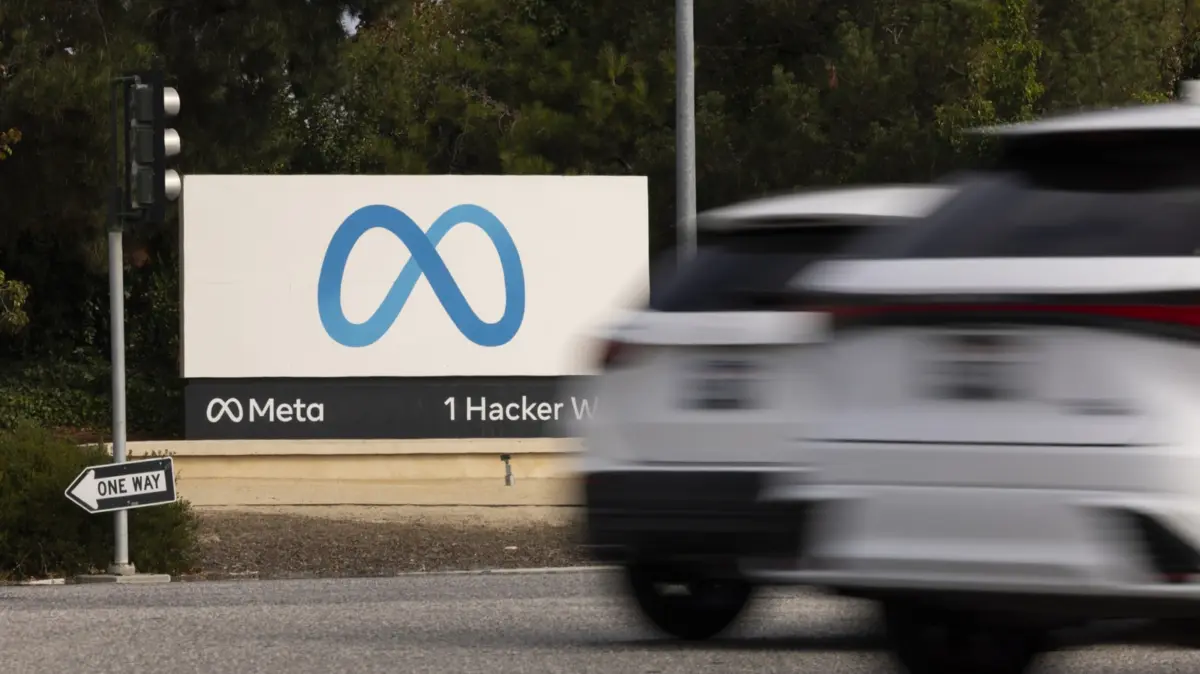
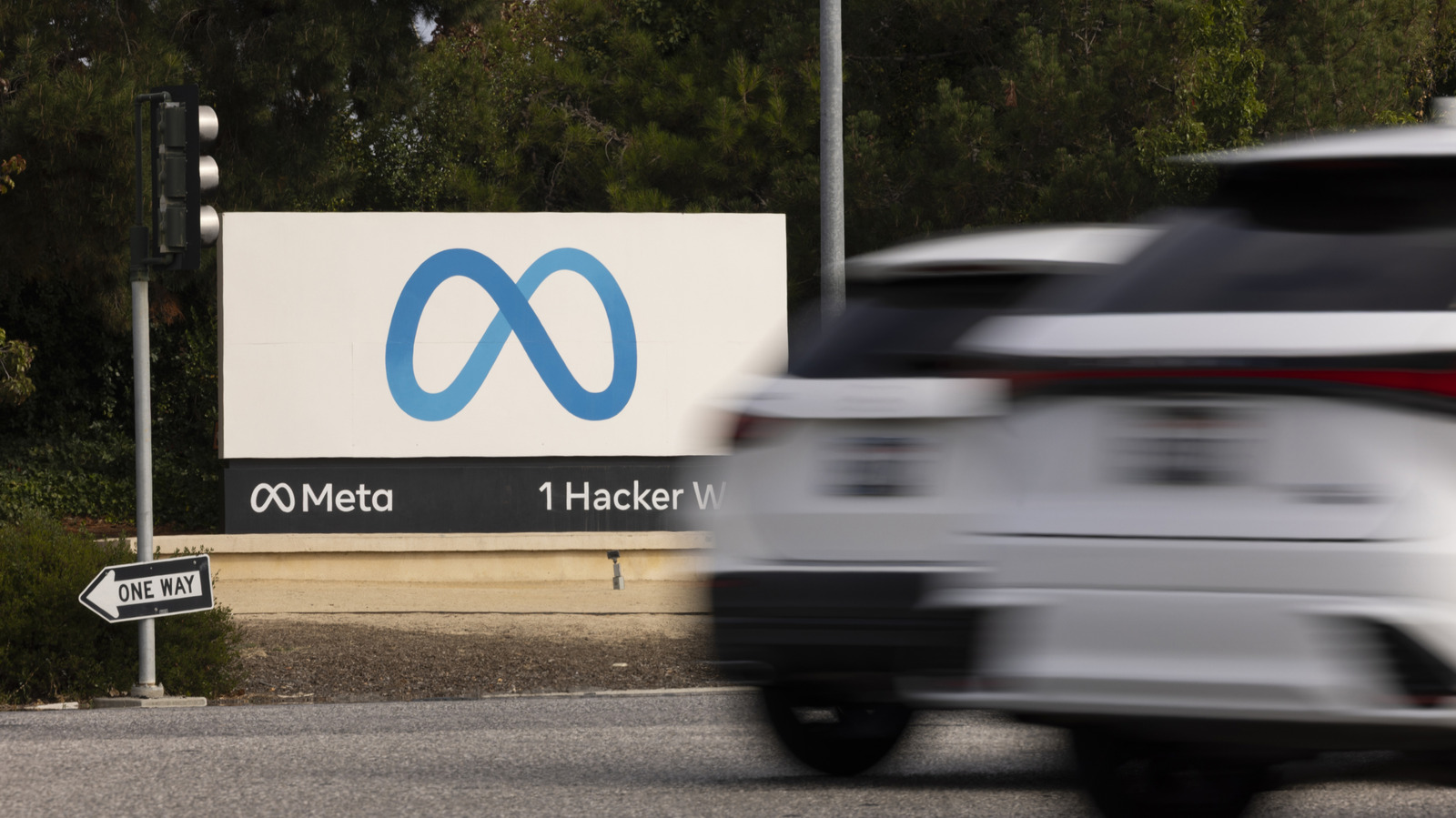
In a legal first for the United States, Rhode Island Attorney General Peter F. Neronha has officially filed a groundbreaking lawsuit against social media giant Meta. The civil enforcement action targets the tech conglomerate—parent company of Facebook, Instagram, and WhatsApp—over its systemic failure to intercept, vet, and remove fraudulent scam advertisements targeting everyday consumers.
According to the state’s complaint, Meta has knowingly perpetuated an environment where malicious actors can routinely fleece vulnerable internet users. More damningly, the lawsuit alleges that the tech titan has intentionally dragged its feet on implementing robust safeguards because these predatory, fraudulent operations generate an immense, highly lucrative revenue stream for the company.
While consumer advocacy groups and local municipalities have previously tested the legal waters regarding Meta’s advertising safety measures, Rhode Island’s move marks the historic transition of state-level attorneys general officially entering the fray. The lawsuit aims not only to secure substantial civil penalties and restitution for defrauded residents, but also to force a fundamental operational restructuring of how Meta vets digital advertising campaigns across its multi-billion-dollar global ecosystem.
As digital financial fraud reaches epidemic proportions worldwide, this litigation could establish a watershed precedent for how big tech companies are held legally and financially accountable for the third-party content they amplify and monetize.
Detailed Chronology of the Legal Battle
The road to Rhode Island’s unprecedented legal action is part of an escalating, multi-front war against Meta’s advertising practices. To understand the gravity of the state’s filing, one must examine the timeline of mounting regulatory and legal pressure that has converged on the Silicon Valley headquarters over the past few years.
Early Warning Signs and Investigative Reports
For years, digital safety advocates, cybersecurity researchers, and victims have sounded alarms regarding the rampant proliferation of "celeb-bait," crypto-investment schemes, and fake ecommerce storefronts across Meta’s platforms. However, the pressure intensified dramatically following investigative reporting in 2025. Comprehensive exposes revealed that scam advertisements were quietly generating billions of dollars for Meta—with independent estimates suggesting that illicit or fraudulent ads could account for up to 10 percent of the company’s total annual advertising revenue.
Despite Meta’s public relations campaigns highlighting its anti-fraud measures, internal oversights and systemic prioritization of ad-revenue growth allegedly created a culture of passive complicity. Fraudsters found that purchasing targeted ad space on Facebook and Instagram was an extraordinarily cost-effective way to reach millions of prospective victims globally, with Meta’s sophisticated algorithmic targeting unwittingly serving as a force multiplier for criminal enterprise.
Spring 2025: Third-Party and Municipal Lawsuits
Before state attorneys general formally stepped into the courtroom, private and local government entities began testing legal avenues against the social media behemoth:
- April 2025: The Consumer Federation of America launched a high-profile lawsuit against Meta, alleging that the company actively misled users regarding the safety and authenticity of ads running across its core social networks.
- May 2025: Escalating the pressure from the municipal level, Santa Clara County in California filed its own comprehensive lawsuit against Meta, targeting the platform’s systemic tolerance of fraudulent advertising networks operating from within and outside the United States.
October 2026: Rhode Island Makes History
The friction culminated on October 22, 2026, when Rhode Island Attorney General Peter F. Neronha formally filed the state’s lawsuit. By stepping up as the very first state attorney general to initiate litigation specifically focused on Meta’s alleged complicity in profiting from scam ads, Rhode Island transformed a series of localized legal challenges into a coordinated national threat. The state’s action signaled to other attorneys general that consumer protection laws could be aggressively leveraged to pierce the shield of Section 230 and other traditional tech liability protections, focusing squarely on the commercial incentives of ad placement.
Supporting Context & Metrics: The Scale of the Problem
The financial and human toll of digital ad scams cannot be overstated. Modern online fraud has evolved far beyond the clumsy, typo-ridden emails of the early internet. Today, cybercrime syndicates operate like sophisticated corporate entities, deploying artificial intelligence, deepfakes, and hyper-targeted advertising tools provided directly by platforms like Meta to deceive victims.
The Anatomy of a Meta Scam Ad
Scam advertisements on Facebook and Instagram typically fall into several distinct categories:
- Celebrity Endorsement Traps ("Celeb-Bait"): Utilizing unauthorized, AI-generated, or deepfaked likenesses of trusted public figures, actors, and billionaires to trick users into clicking links for fraudulent cryptocurrency schemes or unregulated investment platforms.
- Phishing and Credential Harvesting: Promoting fake retail sales, luxury goods at impossible discounts, or government grant programs designed solely to steal credit card information, login credentials, and personal identification data.
- Romance and Investment Hybrids ("Pig Butchering"): Sophisticated campaigns that lure users through innocuous ad placements before transitioning targets to encrypted messaging apps like WhatsApp to systematically drain their life savings.
The Profit Motive
The central thesis of Rhode Island’s lawsuit—and the underlying driver of independent academic and journalistic investigations—is the undeniable conflict of interest inherent in Meta’s business model. As an auction-based digital advertising marketplace, Meta operates on volume and engagement. When billions of dollars flow into the platform from bad actors, the short-term economic incentive for algorithmic screening to block high-bidding advertisers is naturally suppressed.
While Meta frequently points to massive takedown metrics—such as its removal of more than 159 million scam ads globally—critics and prosecutors argue that these figures represent a game of digital Whac-A-Mole. For every hundred fraudulent ads removed, hundreds more are automatically approved by automated systems designed to minimize friction for paying advertisers. The sheer scale of the platform means that even a minuscule percentage of undetected scams results in hundreds of thousands of victimized consumers and billions of dollars in illicit societal harm.
Official Statements and Counter-Perspectives
The legal battle has triggered a sharp war of words between state regulators and corporate defenders, highlighting the philosophical and operational chasm between public interest law enforcement and big tech governance.
Rhode Island Attorney General’s Office
Attorney General Peter F. Neronha did not mince words when announcing the historic lawsuit, emphasizing the fundamental duty of consumer protection that large corporations owe to the citizens of his state.
"For a company that engages so many Rhode Islanders and Americans, maintaining high standards for consumer safety should be of the utmost importance," stated Attorney General Neronha. "As alleged, Meta knowingly exposed vulnerable users to fraud and scams, and made enormous profits in doing so. When companies, big or small, take advantage of Rhode Island consumers, this Office will do everything within our authority to hold them to account."
The AG’s office stressed that the litigation is designed to force structural changes in how advertisements are approved, moving away from reactive post-publication takedowns and toward proactive, mandatory pre-screening protocols that prioritize user safety over advertising revenue volume.
Meta’s Defense and Response
In response to the legal filing, Meta issued a robust defense through company spokesperson Andy Stone, speaking directly to Reuters. Stone criticized the Attorney General’s approach, framing the lawsuit as politically motivated and legally flawed.
"The attorney general refused to engage with us on ways we protect Rhode Islanders from scams, and has instead hired an out-of-state private law firm to concoct a lawsuit that ignores the full range of actions we take to combat scams every day," Stone asserted.
Meta’s official stance underscores the myriad initiatives the company has undertaken in recent years to clean up its platforms. These include:
- Collaborating in joint international operations alongside tech peers like Microsoft and SpaceX, as well as the U.S. Department of Justice, to systematically dismantle infrastructure operated by transnational cybercrime rings.
- Initiating direct legal actions of its own, such as lawsuits filed in foreign jurisdictions like Brazil and China against fraudulent advertisers utilizing celebrity-bait tactics.
- Rolling out updated user protection features and security friction prompts for suspicious direct messages and ad interactions across Facebook, Instagram, and WhatsApp.
Despite these countermeasures, Meta’s defensive posture has done little to appease regulators who argue that corporate self-regulation has proven fundamentally inadequate given the sheer magnitude of financial harm inflicted on everyday users.
Future Outlook and Industry Implications
As Rhode Island’s lawsuit against Meta works its way through the judicial system, its ramifications will likely reverberate far beyond the state’s borders, potentially reshaping the digital advertising landscape.
1. The Domino Effect for Other State Attorneys General
Historically, multi-state coalitions often form in the wake of trailblazing legal actions by single states. Legal experts anticipate that other state attorneys general are closely monitoring Rhode Island’s litigation. If the state successfully survives initial motions to dismiss—particularly regarding federal liability shields like Section 230 of the Communications Decency Act—it could trigger a wave of parallel lawsuits from dozens of other states seeking restitution and civil penalties.
2. Regulatory and Legislative Pressure
The case casts a glaring spotlight on the self-regulated nature of digital advertising algorithms. Lawmakers at both the state and federal levels may feel emboldened to introduce legislation specifically targeting online ad verification standards, requiring platforms to verify the true identity of commercial advertisers before their content goes live, much like traditional broadcasting and print media are required to do.
3. Technological and Operational Shifts for Big Tech
Even before a final verdict or settlement is reached, the lawsuit places intense pressure on Meta and its competitors (such as Alphabet/Google and ByteDance/TikTok) to overhaul their trust and safety budgets. To mitigate ongoing legal liability, tech platforms may be forced to invest heavily in human moderation teams and advanced artificial intelligence specifically tailored to identify financial fraud patterns, rather than relying on automated ad-auction systems that prioritize revenue generation.
Conclusion
Rhode Island’s lawsuit against Meta is more than a regional legal dispute; it is a vital test case for the accountability of digital platforms in the twenty-first century. As the line between technology provider and active commercial participant continues to blur, the judiciary will ultimately decide whether multi-trillion-dollar corporations can continue to profit from the exploitation of their users without facing meaningful legal consequences. For millions of consumers navigating an increasingly treacherous digital wilderness, the outcome of this landmark battle could fundamentally redefine online safety for decades to come.