Executive Overview
For decades, J.R.R. Tolkien’s The Lord of the Rings has served as fertile ground for tabletop adaptations. From Reiner Knizia’s foundational 2000 cooperative board game to complex app-driven dungeon crawlers like Journeys in Middle-Earth, publishers have continuously sought ways to translate the sweeping narrative of Middle-earth into physical tokens, boards, and cards. Yet, few designers have captured the emotional resonance, narrative scope, and intimate collaboration of the source material quite like Bryan Bornmueller.
With the upcoming February 2027 release of The Return of the King Trick-Taking Game, Bornmueller completes a trilogy that began with 2024’s The Fellowship of the Ring Trick-Taking Game and continued with January 2026’s The Two Towers Trick-Taking Game. Published by Asmodee, the series has quietly become a critical darling in the modern hobby board gaming space.
Unlike traditional tactical miniatures games or sprawling campaign adventures, Bornmueller’s trilogy leans into the mechanics of cooperative trick-taking card games—popularized by modern touchstones like Thomas Sing’s The Crew: The Quest for Planet Nine. By limiting player communication and enforcing strict rules of information asymmetry, the system forces players to internalize the desperation, unity, and sacrifice of the Fellowship.
According to Bornmueller, the ultimate validation of this design philosophy came during playtesting. In interviews at Spiel Essen, the designer revealed that multiple long-standing playtest groups visibly teared up while navigating the final chapter of the trilogy. By intertwining deep thematic lore with tight mathematical card play, Bornmueller has created more than just a game; he has crafted a vehicle for communal mourning, triumph, and emotional closure.
Detailed Chronology: From Childhood Reading to Tabletop Reality
The journey to creating The Lord of the Rings Trick-Taking Trilogy spans decades, deeply rooted in Bornmueller’s personal history with fantasy literature and the board gaming industry.
The Foundation in Middle-earth
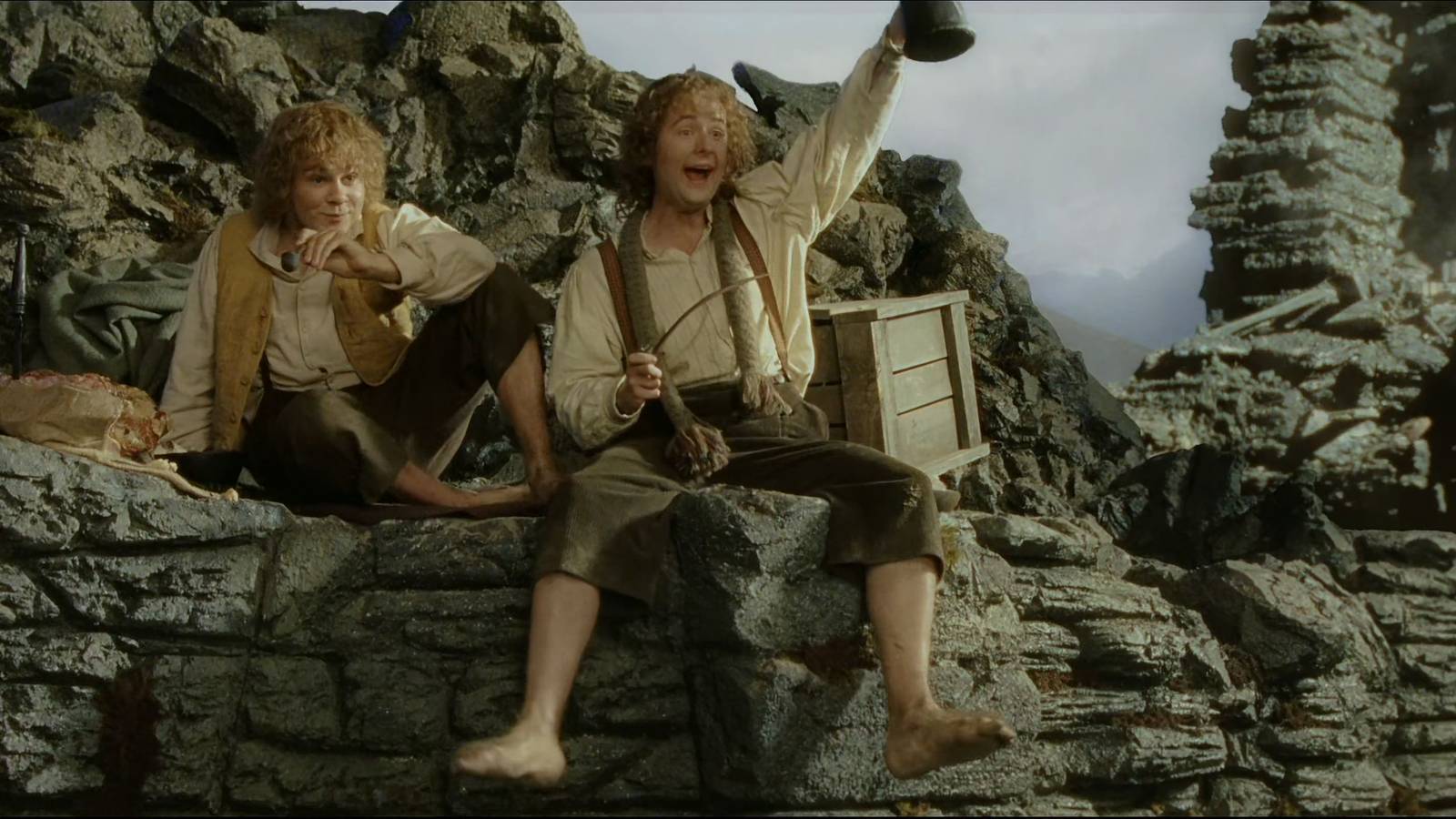
Bornmueller’s obsession with Tolkien began early. In his youth, his father read him both The Hobbit and The Lord of the Rings. This literary introduction laid the groundwork for a lifelong appreciation of high fantasy. Years later, while working at a local comic book store during his time as a student at Iowa State University, Bornmueller immersed himself further in the fandom, helping organize midnight screenings for Peter Jackson’s cinematic adaptations.
When Reiner Knizia’s legendary cooperative The Lord of the Rings board game hit shelves in 2000, Bornmueller stayed up all night with friends, gripped by the desperate bid to save Middle-earth from Sauron’s shadow. This experience cemented his love for cooperative board games—a genre that prioritizes shared victory over individual triumph.
Entering the Industry and Ideation
Following his graduation, Bornmueller built a career within the tabletop industry, starting as a senior sales associate at Asmodee before ascending to the role of innovation and sourcing director. In this capacity, he collaborated with various global studios to develop new board and card games.
As Asmodee looked to expand its portfolio of Tolkien-licensed properties, Bornmueller decided to try his hand at game design. Drawing inspiration from classic trick-taking games of his youth—such as Hearts and Doppelkopf (which he learned from a German exchange student)—alongside modern cooperative hits like The Crew, he envisioned a system where rounds of card play equated to distinct narrative missions.
The Evolution of the System
The early iterations of the game, however, proved unwieldy.
- The Rivendell Concept: Bornmueller’s original prototype centered on the moment the Fellowship departs Rivendell. It featured 10 distinct characters across two or three hands of card play.
- The Playtest Reality: While hardcore card gamers handled the complexity with ease, "normal" players found managing ten simultaneous character options overwhelming.
Realizing the need for a gradual on-ramp, Bornmueller pivoted. He decided to split the epic narrative into discrete chapters mirroring the progression of the books, starting softly at the very beginning of The Fellowship of the Ring. To help refine the vision, he partnered with Taylor Reiner, host of a popular YouTube channel dedicated to trick-taking games. Together, they forged The Fellowship of the Ring Trick-Taking Game, successfully transforming an ambitious multi-year conceptual hurdle into a cohesive, published reality.
Supporting Context & Metrics: Mechanics Meets Lore
What elevates Bornmueller’s trilogy above standard licensed card games is his rigorous dedication to marrying mechanical rules with literary narrative arcs. Rather than pasting generic fantasy tropes onto standard trick-taking loops, every rule reflects the underlying themes of Tolkien’s text.

The Power of Limited Information
In traditional trick-taking games, players often employ subtle signaling or rely on a single dominant strategist ("the smart friend") to quarterback the table. Bornmueller consciously subverted this dynamic through cooperative information limits.
"Everyone has to be trying all the time," Bornmueller notes. "It makes it a little less casual than it could be, but I think it really adds to people’s engagement. There can’t just be one smart friend who solves the puzzle for everyone. We all have to understand how to solve this puzzle."
Translating Lore into Mechanics
To achieve this level of thematic immersion, Bornmueller immersed himself back into the source material. He obsessively reread the books and studied deep-dive literary analysis via The Prancing Pony Podcast. This deep dive ensured that character behaviors translated directly into game mechanics:
- Treebeard and the Ents: Noticing the recurring motif that "Treebeard plays slow," Bornmueller engineered a rule where the player controlling the Ent must always act one turn behind, setting aside a card to be played on the subsequent trick rather than the current one.
- The Towers of Power: The Two Towers Trick-Taking Game introduced the White and Black Towers as dynamic, dueling trump cards that shift the balance of power mid-round.
- The Crown and Stewardship: The Return of the King introduces a crown mechanic used for card exchanges. Instead of trading hands directly, players must place cards under the crown and "kneel to the king" to acquire them.
- Pippin and Denethor: Pippin, bound to Aragorn’s army, must win tricks using cards matching whatever rests beneath the crown. Meanwhile, Denethor, the Steward of Gondor, begins with a special "King card"—the highest-value card of any suit—which he is mechanically forced to give away, symbolizing his tragic failure as a caretaker rather than a true king.
Structural Progression of the Trilogy
| Game Title | Release Date | Key Mechanical Focus | Narrative Arc |
|---|---|---|---|
| The Fellowship of the Ring | 2024 | Introduction of foundational cooperative trick-taking and basic character roles. | Shire departure to the fracturing of the Fellowship at Amon Hen. |
| The Two Towers | January 2026 | White and Black Towers; split-path narrative mechanics. | The Siege of Helm’s Deep, Isengard, and Frodo/Sam’s journey to Mordor. |
| The Return of the King | February 2027 | The Crown mechanic, card exchange rules, and emotional farewell chapters. | Minas Tirith, the destruction of the One Ring, and the Grey Havens. |
Official Statements and Design Philosophy
In his interview at Spiel Essen, Bornmueller elaborated on the philosophy that guided the trilogy’s development, emphasizing that evocative design trumps mechanical bloat.
"You can’t have absolutely everything in The Lord of the Rings in the game, but you just need to evoke the feeling of experiencing the story," Bornmueller explained. "People know so much about The Lord of the Rings, and you can leverage all of that knowledge and feeling with the game mechanics where it makes sense. It’s not generic fantasy. It’s kind of its own thing. The more it feels like D&D, the less it probably feels like it’s working."
This sentiment explains why the trilogy avoids standard fantasy tropes like health bars, numerical damage stats, or grid-based tactical movement. Instead, the emotional weight is carried by tension, timing, and the collective sighs—or tears—of the players around the table.
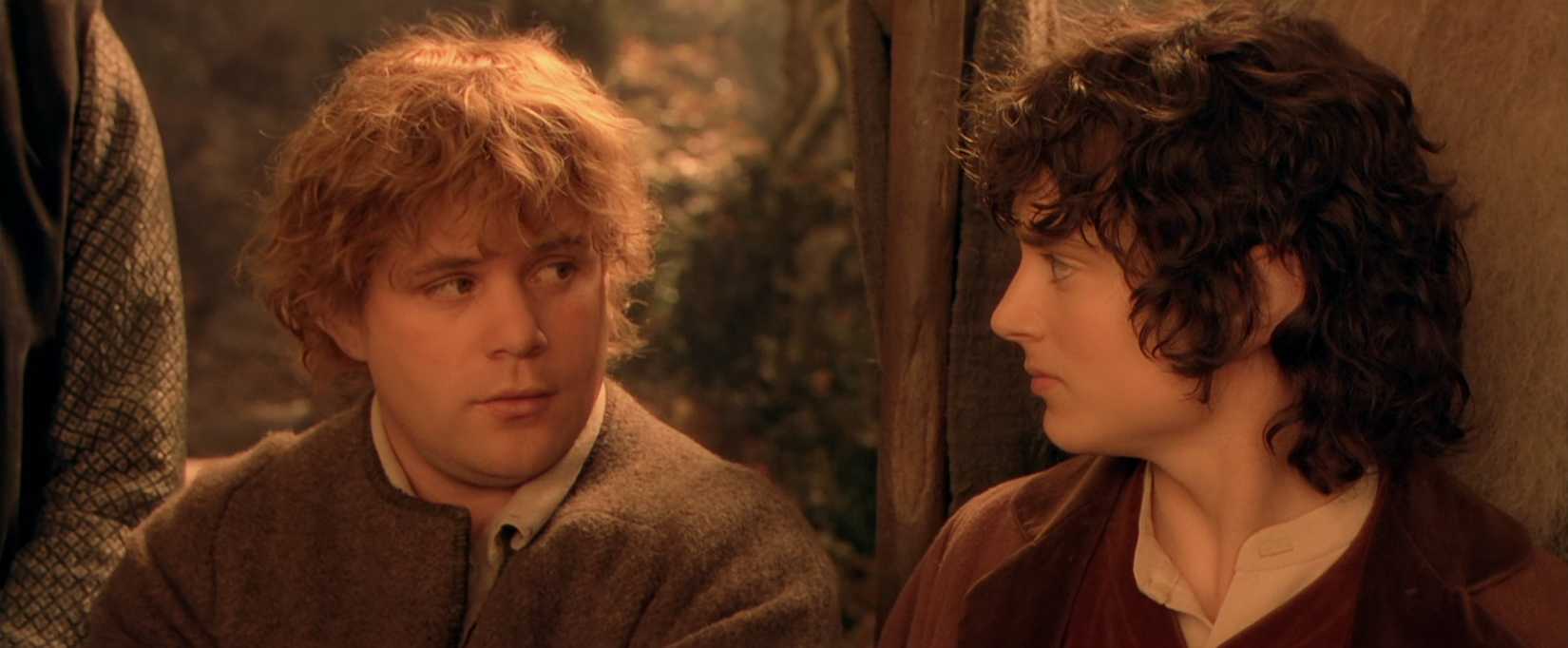
Reiner’s involvement as co-developer further ensured that trick-taking purists would find mechanical depth beneath the thematic veneer, proving that a licensed property does not need to compromise on game design integrity to appeal to mass audiences.
Future Outlook and Release Roadmap
As the trilogy prepares for its grand finale, anticipation within the board gaming community is palpable. Asmodee has structured a rollout strategy designed to satisfy eager fans ahead of the official global launch:
- The Pre-Release Window: The Return of the King Trick-Taking Game will make its debut via a limited pre-release at PAX Unplugged and select specialty U.S. hobby game stores this December.
- The Global Launch: The title will receive its wide retail distribution in February 2027, allowing tabletop groups worldwide to conclude their multi-year journey through Middle-earth.
For groups that have spent years playing through the first two installments, The Return of the King represents more than just the end of a card game trilogy; it is the culmination of a shared ritual. As playtesters have already demonstrated, when the final cards are played, the destruction of the One Ring and the poignant farewells at the Grey Havens will hit close to home, proving that cardboard and cardstock can carry the full weight of Tolkien’s literary legacy.