Executive Overview
The video game industry has officially crossed a precarious threshold. As Steam Next Fest prepares to open its virtual doors—boasting an unprecedented 8,011 game demos on its press preview landing page—the sheer volume of digital content has become both a marvel and a warning sign. To put the explosion into perspective, this figure represents roughly double the demo count from Steam’s June showcase and a staggering eightfold increase compared to the modest 1,000 demos featured during Next Fest in June 2022.
While volume is often conflated with growth, industry insiders and indie developers recognize this massive influx for what it largely is: a tidal wave of meritless, artificially generated sludge. Driven by unprecedented efficiency gains in generative artificial intelligence—most notably fueled by advanced large language models like Anthropic’s Claude Opus 5.5—the gaming landscape is witnessing an epidemic of "vibe coding" and rapid-fire cloning.
Within days, sometimes hours, of an independent developer showcasing a novel concept or incremental gameplay mechanic on social media, parasitic copycats are weaponizing AI tools to decompile code, replicate visual assets, and push monetized clones to digital storefronts. This unprecedented phenomenon has sparked a crisis of confidence across the indie dev community. Creators are now canceling public demos, withholding gameplay trailers, and rethinking how they market their passion projects out of a stark, rational fear: that the moment their work meets the public eye, automated copycats will strip-mine their labor and beat them to the commercial launch.
Detailed Chronology: The Anatomy of a Rapid Clone Epidemic
The acceleration of AI-assisted asset flipping and code theft has not unfolded over years or months; it is currently transpiring in real-time, measured in mere hours.
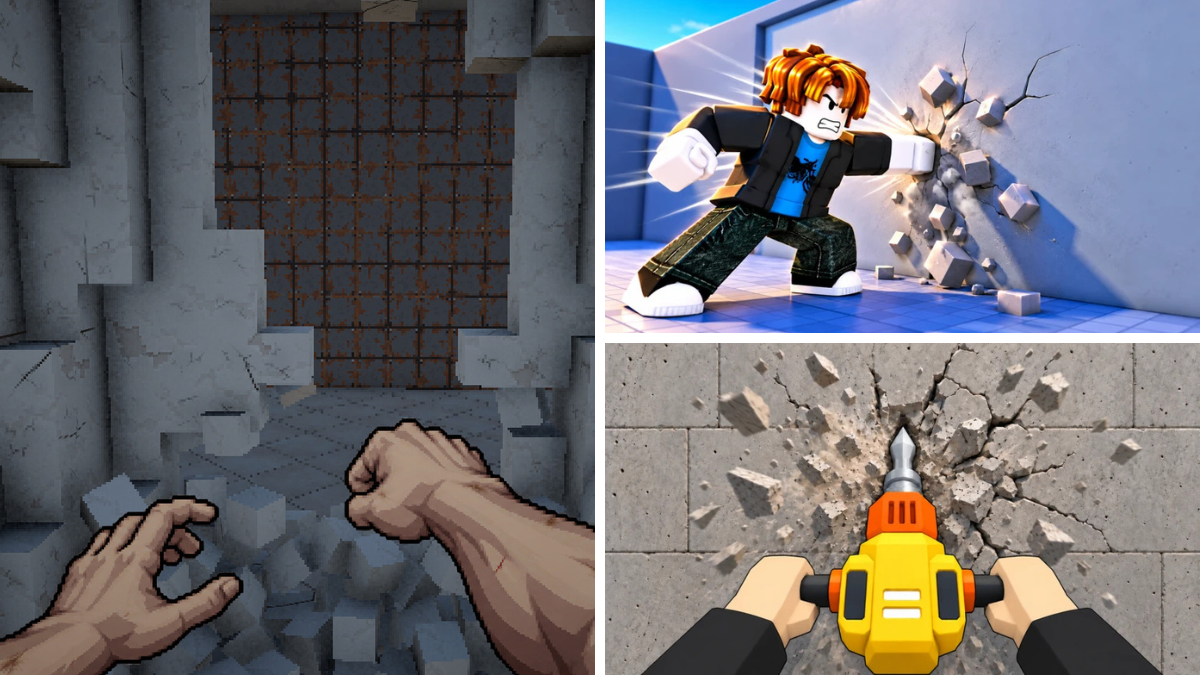
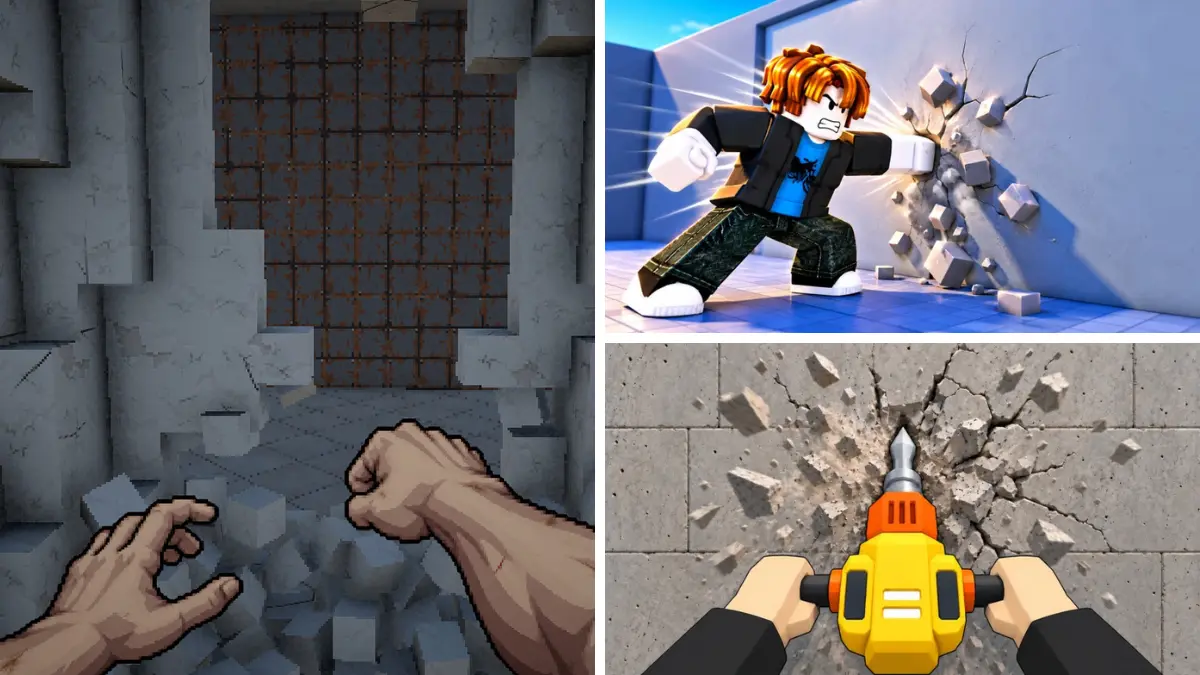
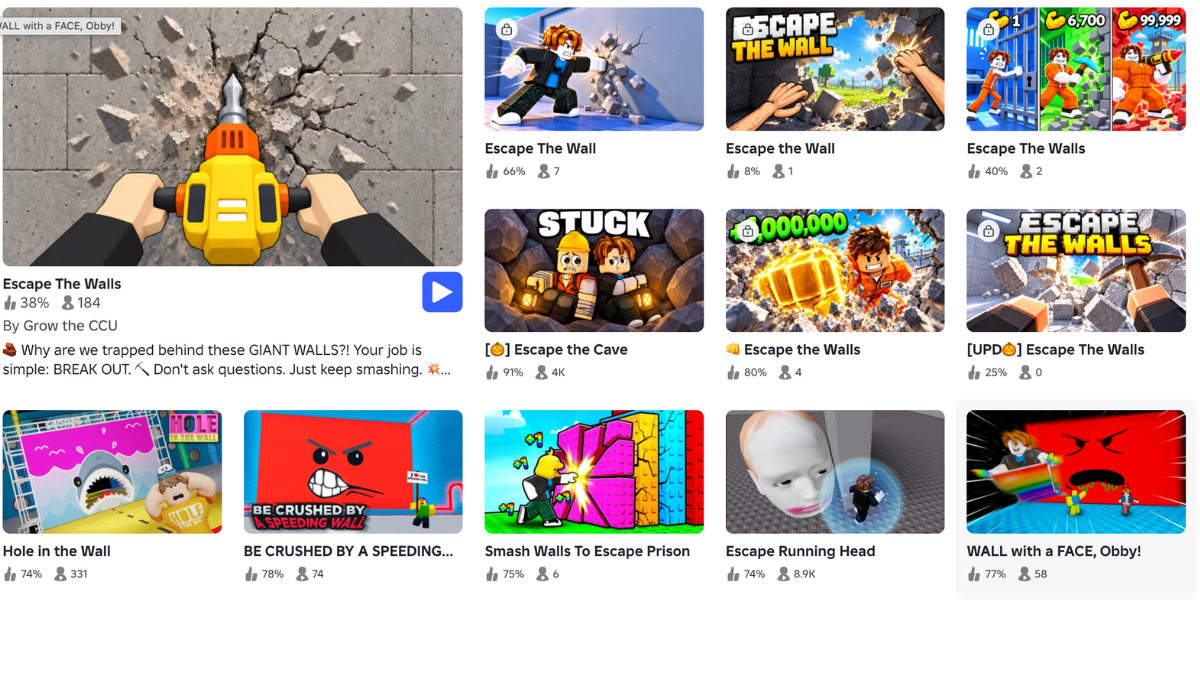
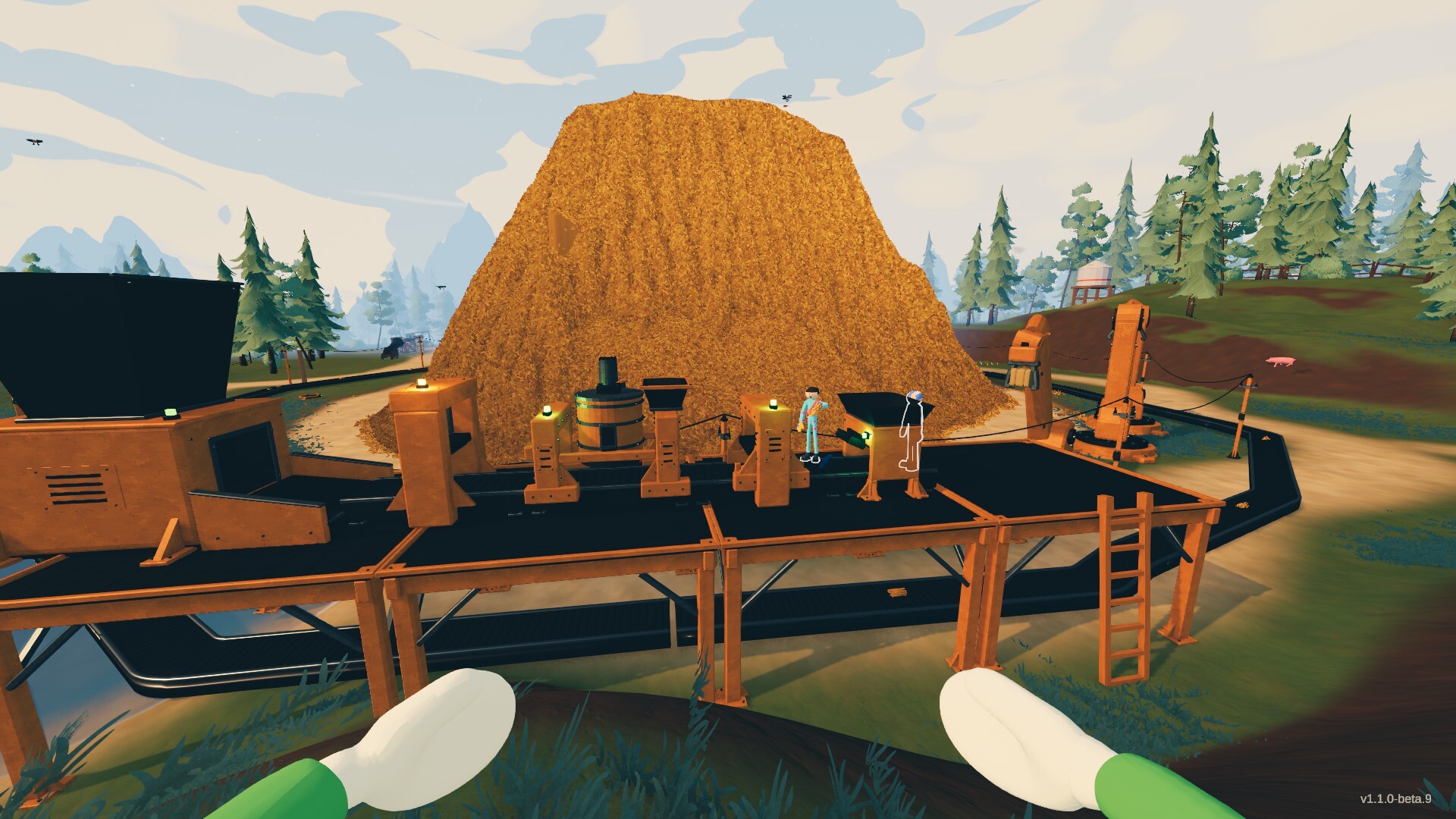
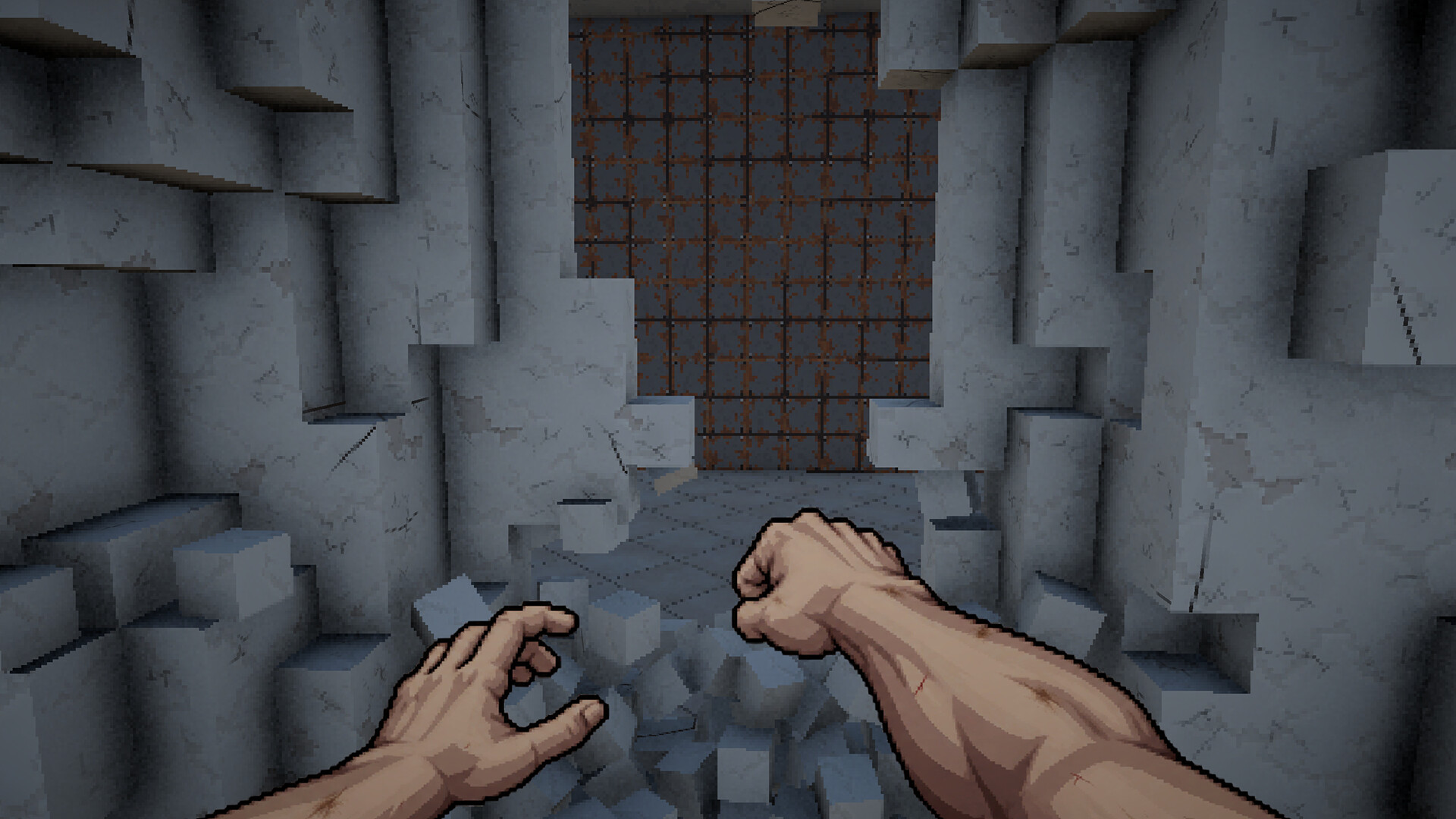
The tipping point into mainstream awareness can be traced to a sobering sequence of events in October. On October 10, the developer behind Escape the Walls—an incremental punching game that itself leans into AI tools to accelerate development efficiency—shared in-progress footage of the title on social media platform X. Responding to the clip, a perceptive user offered a dark prophecy: "You have exactly 7 hours before someone makes this on Roblox and gets 20x your revenue."
The prediction proved nearly charitable in its timeline. Within days, at least seven distinct Escape the Walls clones had materialized across Roblox. More brazenly, a competing micro-studio posted a direct link to their own Steam clone of the game, replying to the original creator with the tone-deaf declaration: "Our Steam page is live too! Nothing wrong with friendly competition!"
This dynamic has normalized a predatory race-to-bottom culture where originality is actively punished. The chilling effect quickly rippled across the wider PC gaming ecosystem. Alliance Arts Inc., the studio behind the upcoming horror-survival game Drunken Goddess Reflux—a tense Russian roulette drinking simulator—abruptly canceled its planned public demo for Steam Next Fest.
In a candid public statement, the studio explained its rationale: "We are concerned that, based on the content of the demo, works imitating or replicating this game’s presentation and gameplay could be quickly produced using AI or other tools and released ahead of the game’s launch." Rather than exposing their work to the open marketplace, Alliance Arts announced they would pivot exclusively to closed, vetted play sessions requiring strict participation agreements.
The crisis escalated from structural cloning to explicit intellectual property theft by mid-October. Developer NoGlyph, creator of the rapid-iteration indie title Needle In A Haystack, took to Steam announcements to publicly accuse Little Field Studios of lifting code directly from their project. Released on October 16 under the title A Game About Needle In A Haystack, the competing product was found to contain more than a thematic overlap; it featured identical source code.
According to NoGlyph, a meticulous forensic examination of the competing game’s files revealed 13 distinct classes bearing identical names, with over half of the underlying functions matching word-for-word. Most damningly, the rogue files still contained residual error messages pointing directly to a custom shader from NoGlyph’s project—a shader that did not even exist within the compiled structure of the plagiarized clone. NoGlyph has since filed formal copyright infringement notices with Valve, setting a tense legal precedent for how platforms must handle automated code laundering.
Supporting Context & Metrics: The Steam Marketplace Under Siege
To understand the macro-economic pressures facing digital storefronts, one must examine the broader metrics governing platforms like Steam. The algorithmic discoverability mechanisms built by Valve are currently fighting a desperate rear-guard action against an overwhelming influx of content.
While headline-grabbing blockbusters and perennial esports titans continue to dominate the financial charts, the long tail of the Steam marketplace is becoming choked with speculative, low-effort releases. A review of weekly revenue data underscores the stark contrast between organic commercial hits and the background noise of low-tier storefront noise:
Top Steam Games by Revenue (October 6 – 13)
| Rank | Game Title / Hardware |
|---|---|
| 1 | Dota 2 |
| 2 | Aion 2 |
| 3 | Counter-Strike 2 |
| 4 | Star Wars: Galactic Racer |
| 5 | FC 27 |
| 6 | Steam Deck |
| 7 | Gears of War: E-Day |
| 8 | Risk of Rain 2 |
| 9 | Arc Raiders |
| 10 | Risk of Rain 2: Hallowed Concepts |
Market analysts note that a week where Dota 2 reclaims the top spot often signals a lull in major AAA or AA tentpole releases, leaving room for mid-tier performers like Star Wars: Galactic Racer—which debuted at number four following strong critical praise—and hardware resurgences like the Steam Deck (benefiting from fresh inventory restocks at number six).
However, beneath the stability of the top ten lies a chaotic subterranean economy. While mainstream titles generate stable revenue streams, thousands of micro-developers and opportunistic "vibe coders" are fighting over pennies in the dark. For these small creators, the traditional indie marketing funnel—relying on viral social media clips, open public demos, and community goodwill—has transformed from a promotional runway into an open invitation for industrial espionage.
Official Statements and Industry Discourse
The debate surrounding the role of generative AI in creative industries has long been polarized, but the video game sector is experiencing a unique reckoning. Proponents of generative tools frequently argue that AI "democratizes" specialized skills, lowering the barrier to entry for music composition, creative writing, programming, and digital art.
In practice, however, the reality within interactive entertainment looks vastly different. Industry veterans argue that AI has not democratized game development; rather, it has emboldened a wave of opportunistic copycats, speculative opportunists, and scam merchants.
"Vibe coding a 20-minute blockbuster-looking videogame that mimics Marvel, Star Wars, or Fortnite universes, or cloning a viral indie hit on Roblox, does not make you a video game developer," industry analysts note. "If anything, it demonstrates precisely why you aren’t one."
True game design is forged through years of iterative thought, technical mastery, and creative iteration. Practitioners who spend decades refining their craft develop a worldview and a distinct voice that translates into meaningful mechanics and artistic vision. By contrast, automated code generation and asset-flipping bypass the crucible of experience. Without an internal well of original ideas, operators armed with advanced AI models are simply playing with the most expensive toy ever built—producing hollow facsimiles that drain consumer trust and exhaust platform moderators.
Future Outlook: The Threat to Open Indie Development
As Steam Next Fest demonstrates the unprecedented scale of modern game production, the long-term health of the independent sector hangs in the balance. If foundational promotional practices—such as releasing early public demos and sharing developmental milestones openly—become too hazardous due to automated cloning, the entire ecosystem will contract.
Independent developers may increasingly retreat behind walled gardens, utilizing closed alpha tests, non-disclosure agreements, and invitation-only communities to safeguard their intellectual property. While algorithmic filters and platform holders like Valve attempt to implement stricter automated moderation and copyright enforcement, the velocity of AI-assisted asset generation threatens to outpace regulatory frameworks.
Unless digital storefronts establish robust provenance tracking, stricter code-auditing protocols, and harsher penalties for systemic asset-flipping, the golden age of indie discovery risks being choked out at the root. The ultimate casualty of the "vibe coding" revolution will not be the large publishers insulated by massive capital reserves, but the solo creators and small teams whose ingenuity forms the creative lifeblood of modern gaming.