The video game industry operates on a strict, carefully orchestrated rhythm of expectation, hype, and execution. For the better part of two decades, the prevailing wisdom among triple-A publishers has dictated that games should remain shrouded in secrecy until they are practically ready to ship. Early announcements—such as Bethesda’s infamous, far-flung tease of The Elder Scrolls 6—are widely regarded within boardrooms as cautionary tales of overextended public relations campaigns, mounting development pressure, and fractured fan communities.
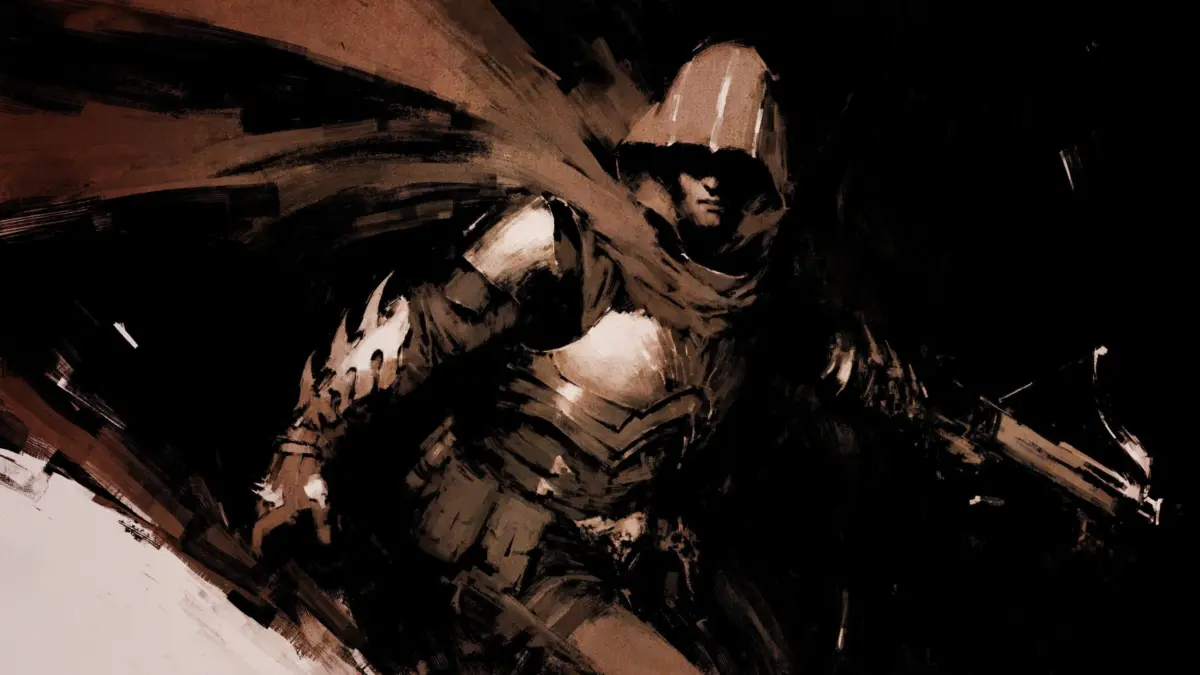
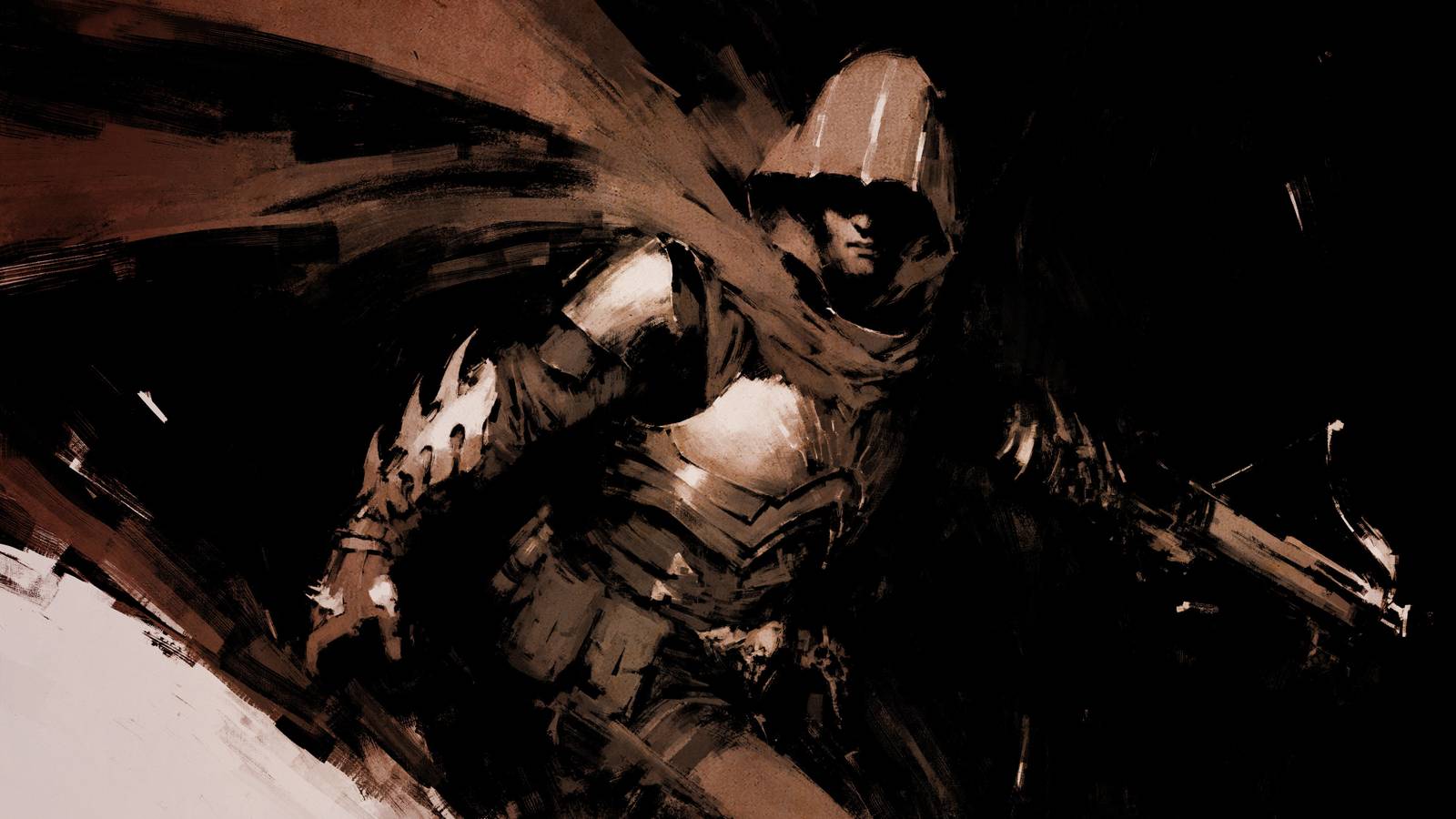
Yet, during a staggering BlizzCon showcase, Blizzard Entertainment detonated this established playbook. Not only did the studio officially confirm the existence of Diablo 5, but it attached a concrete release window—spring 2029—alongside the equally surprising revelation of a brand-new, open-world StarCraft shooter slated for 2030.
For an industry accustomed to decade-long gaps between announcements and launches, this double-header was nothing short of seismic. But beneath the shiny concept art, mock-up inventory user interfaces, and dramatic cinematic teasers lies a more complex narrative of corporate restructuring, internal turmoil at Microsoft, and an urgent reckoning with the limits of the live-service model. Diablo 5 is not arriving early merely because Blizzard wanted to delight its fanbase; it is a forced maneuver born of executive pressure from Xbox leadership and the realization that Diablo 4—despite its commercial success and critical high notes—is hitting a structural wall.
Detailed Chronology: From Live-Service Ambitions to Sudden Sequels
To understand the sudden emergence of Diablo 5, one must trace the timeline of Blizzard’s recent output and leadership shifts. When Diablo 4 launched, it was pitched to the world as an enduring, evergreen platform. Helmed by former franchise general manager Rod Fergusson, the vision for Sanctuary was one of endless horizons: a persistent, online open world supported by continuous seasonal updates and robust, multi-year expansions designed to keep players engaged for a decade.
This strategy mirrored trends across the wider industry, where publishers chased the lucrative, recurring revenue of massive multiplayer games-as-a-service (GaaS). However, the reality of maintaining a hybrid single-player/MMO experience proved grinding. While Diablo 4 found massive commercial success and delivered critically acclaimed content—such as the Lord of Hatred expansion—the cracks in its foundation were beginning to show. The game’s attempt to marry traditional action-RPG dungeon crawling with persistent online infrastructure created design bottlenecks, itemization bloat, and escalating development cycles.
Behind closed doors, the pressure cooker was heating up. Following Microsoft’s monumental acquisition of Activision Blizzard, Asha Sharma stepped into the role of Xbox CEO earlier this year. Sharma brought with her a radically different corporate philosophy. Discontented with the glacial pace of output from some of the industry’s most storied creative houses—where gaps between flagship titles routinely stretched past a decade—Sharma mandated a sweeping operational pivot. Microsoft’s premier studios were instructed to ship more games, more frequently, within their biggest franchises.
The immediate fallout of this directive was felt across the Xbox ecosystem. Bethesda was nudged to lift the curtain on its broader roadmap for Fallout and The Elder Scrolls, while Obsidian Entertainment was effectively diverted from its current trajectory to fast-track a new Fallout project. At Blizzard, the impacts were equally profound. The studio watched as restructuring and layoffs rippled through the broader organization, creating an atmosphere of profound uncertainty.
Amidst this corporate climate, Rod Fergusson exited Blizzard—a departure widely interpreted by industry insiders as a casualty of the shifting mandate. The promise of a ten-year, open-ended lifespan for Diablo 4 was quietly shelved. Resources were hastily pulled away from the current game and reallocated toward Diablo 5, cutting Diablo 4‘s primary support window down to a mere six years.
Because cutting off expansions for Diablo 4 without an explanation would have immediately tipped off the community, Blizzard’s hand was forced. To justify the sudden pivot and signal stability to Microsoft shareholders, Xbox management, and its own anxious workforce, Blizzard had to plant two massive flags in the ground at BlizzCon. Thus, Diablo 5 was prematurely thrust into the public eye.
Supporting Context & Metrics: The Live-Service Trap and Industry Parallels
The shockwaves of the Diablo 5 announcement cannot be viewed in a vacuum; they reflect a broader reckoning within the games industry regarding the sustainability of live-service titles. For years, publishers operated under the assumption that a game could—and should—live forever. However, real-world metrics and historical precedents tell a different story.
Consider the trajectory of Bungie’s Destiny 2. Operating under a similar live-service paradigm, Destiny 2 spent years struggling to sustain its sprawling narrative storylines, balance its convoluted systems, and retain player interest. Long before Bungie ultimately decided to wind down its core live-service model ahead of its ninth anniversary, the studio was caught in an exhausting cycle of crunch and content burnout. Notably, Bungie reached that inflection point without a guaranteed Destiny 3 waiting in the wings—a mistake Blizzard clearly wanted to avoid repeating.
Similarly, Microsoft’s own Halo Infinite serves as a cautionary tale. Pitched as the "platonic foundation" for a decade of Halo experiences, Halo Infinite buckled under the weight of its live-service ambitions, leading to shuttered expansion plans, leadership shake-ups, and a frantic restructuring of 343 Industries.
+---------------------------------------------------------------------------------+
|                         THE LIVE-SERVICE LIFECYCLE PARADOX                      |
+------------------------------------+--------------------------------------------+
| Traditional Franchise Model        | Live-Service Hybrid Model                  |
+------------------------------------+--------------------------------------------+
| • Releases every 4-6 years         | • Continuous updates over 10+ years        |
| • Defined narrative conclusion     | • Endless, meandering narrative threads     |
| • Predictable resource allocation  | • Exhausting, unpredictable dev cycles     |
| • Clean slate for technical upgrades| • Accumulated technical debt & bloat       |
+------------------------------------+--------------------------------------------+
By capping Diablo 4 at a six-year lifespan, Blizzard is tacitly admitting that the live-service treadmill has its limits. More importantly, early design indicators for Diablo 5 suggest a sweeping ideological retreat from the choices that defined its predecessor.
Diablo 4 leaned heavily into persistent open-world mechanics, shared social spaces, and MMO-lite structures. While profitable, these features diluted the dark, claustrophobic, isolating atmosphere that traditional fans cherished. Early details on Diablo 5 confirm that the persistent open world is being scrapped entirely, replaced by a procedurally generated map system reminiscent of the beloved Diablo 2. Itemization is similarly steering away from modern monetization-friendly loops, returning instead to classical action-RPG principles with tighter inventory management and streamlined gear slots.
Official Statements & Industry Reception
The public reaction to the Diablo 5 announcement has been marked by a rare and complex friction. While concept art featuring evocative gothic imagery and discussions of a return to classical series roots generated cautious optimism, the community response has been notably fraught.
For loyalists who poured thousands of hours and substantial financial investments into Diablo 4’s seasons, battle passes, and microtransactions, the announcement felt like a rug-pull. Because Diablo 4 blurred the lines between a traditional action-RPG and an MMO, players felt entitled to a decade-long runway. The abrupt truncation of the game’s expansion roadmap left many feeling as though their investment had been devalued to accommodate corporate timetables in Redmond.
Industry analysts and former developers have weighed in on the unprecedented nature of the reveal. Speaking on the strategic pivot, independent industry analysts noted:
"Blizzard is caught between two worlds. Under Microsoft, the directive is clear: maximize velocity and clear the runway for major tentpole releases. But doing so requires ripping the band-aid off successful live-service cash cows before they begin to rot from the inside out. Announcing Diablo 5 for 2029 is less about marketing hype and more about corporate reassurance—it tells Wall Street and Xbox leadership that the cash flow has a defined, high-value successor locked in."
Internally, the narrative is equally revealing. Sources close to Blizzard suggest that while the studio remains one of Microsoft’s top-performing assets—and thus shielded from the worst of the corporate layoffs that have battered other divisions—the psychological weight of the Xbox restructuring has left developers eager for clear, long-term direction. Planting a flag for 2029 gives the team a definitive horizon to work toward, replacing the open-ended ambiguity of infinite live-service maintenance with a tangible, milestone-driven development cycle.
Future Outlook: A Return to Form or a Dangerous Precedent?
As Blizzard looks ahead to the remainder of the decade, the gamble on Diablo 5 will serve as a definitive litmus test for Asha Sharma’s leadership style and Microsoft’s broader strategy for legacy franchises.
By forcing studios to speak openly about projects years before they materialize, Microsoft is courting a new kind of transparency—though one born out of financial necessity and organizational restructuring rather than consumer-first goodwill. For Diablo fans, the road to spring 2029 will be an exercise in patience. Diablo 4 will coast through its final planned updates, carrying the bitter knowledge that its sunset has already been written into corporate spreadsheets.
Yet, there is a silver lining for purists. The design philosophy driving Diablo 5—abandoning the MMO-lite open world in favor of procedurally generated dread and classical itemization—proves that Blizzard is listening to the underlying critiques of its fourth iteration. The studio is pivoting away from the exhausting, trend-chasing live-service treadmill and returning to the foundational pillars that made the franchise a titan of PC gaming in the first place.
Ultimately, whether this aggressive, early-announcement strategy pays off will depend entirely on execution. If Blizzard can deliver a masterclass in gothic action-roleplaying by 2029, the bruised feelings of Diablo 4 players will likely heal. But if the timeline slips under the weight of corporate mandates and development hell, the decision to prematurely euthanize Diablo 4 for the sake of a distant promise may go down as one of the most glaring miscalculations in the studio’s storied history.