Executive Overview
The 1990s remain one of the most volatile, creatively fertile, and culturally disruptive epochs in modern history. Far from being merely a transitional bridge between the analog anxiety of the Cold War and the hyper-connected digital dawn, the decade was an incubator for radical self-expression, DIY publishing, and unbridled artistic insurgency.
At the center of this cultural upheaval was Dazed & Confused, the pioneering publication co-founded by Jefferson Hack. Emerging initially as a raw, stapler-free A2 poster-zine with the defiant manifesto, "This is not a magazine," Hack and his collaborators captured lightning in a bottle.
Now, with Tate Britain hosting the landmark exhibition The 90s: Art and Fashion—running through February 14, 2027—Hack has cataloged the DNA of the decade through an exhaustive A-to-Z retrospective. This deep dive explores how warehouses transformed into temporary autonomous zones, how raw emotion was weaponized in high fashion and underground music, and how an entire generation rewrote the rules of art, identity, and independence.
Detailed Chronology: An A-to-Z Mapping of the Nineties Underground
A is for Acid House
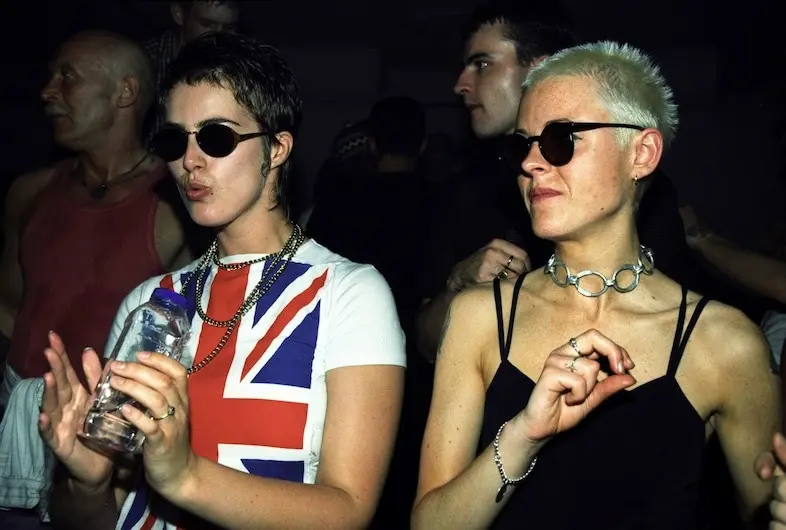
Acid house was never just a genre of electronic music; it was a socio-political permission slip. Across the UK, disused warehouses, industrial estates, and misty fields were instantaneously repurposed into Temporary Autonomous Zones (TAZs). For a brief, intoxicating moment, socioeconomic, racial, and regional differences dissolved under strobes and 303 basslines. Youth culture had not yet been aggressively corporatized or marketed back to itself; instead, a generation was actively building its own transient mythology in real time.
B is for Björk
A singular, transcendent force, the Icelandic artist channeled ancient folklore, avant-garde electronic soundscapes, and high fashion into an idiom entirely her own. Björk made intense emotion feel futuristic. Working alongside visionary directors like Michel Gondry and Chris Cunningham, she proved that music videos could function as high-end experimental art forms, demonstrating that pop music could simultaneously be deeply intimate, violently rebellious, and radically imaginative.
C is for Club Culture
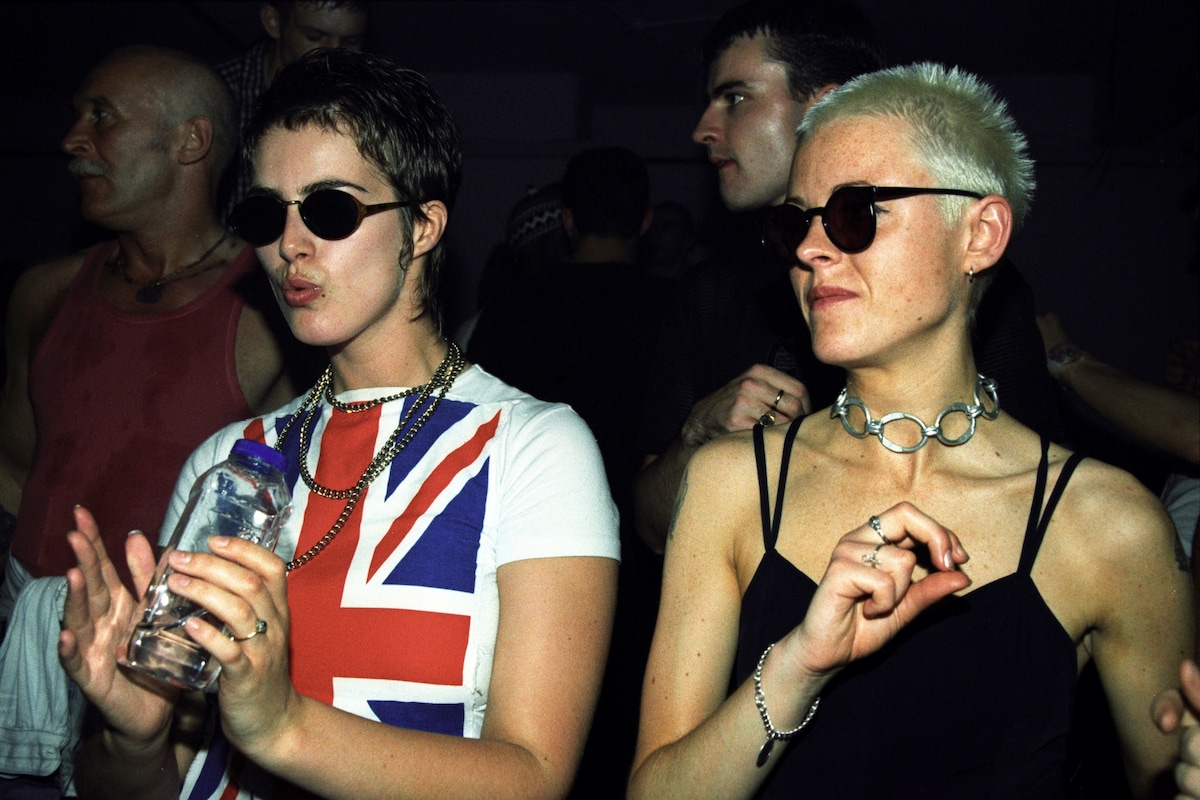
Before social media codified human interaction and flattened subcultures into algorithmic trends, nightclubs served as the true laboratories of modern culture. The sweaty, dark dancefloor was where identity was rehearsed, performed, and coded. DJs operated as master editors of human emotion, sequencing breaks and basslines into a borderless sonic language. Entire movements were forged in the pitch-dark basements of European capitals, radiating outward to permanently alter fashion, fine art, and media.
D is for David Bowie
A cultural shapeshifter who instinctively understood and welcomed emerging generational energies. When Bowie flew Rankin and Jefferson Hack out to Los Angeles for Dazed’s very first celebrity cover, it served as the ultimate validation. Bowie always possessed an uncanny radar for where culture was migrating before it even realized it was moving, making his early endorsement a badge of honor for a fledgling independent publication.
E is for Experimentation
In sound, visual imagery, and personal identity, nothing felt fixed or permanent. Musical genres blurred at breakneck speed, rigid gender codes were radically loosened, and independent publishing reinvented its own architecture. Simultaneously, the nascent internet introduced borderless sampling and the instantaneous exchange of global ideas. Risk was never calculated as a cautious business strategy; it was executed purely on instinct.
F is for Fashion
A seismic shift spearheaded by a rebellious new guard of designers, including Alexander McQueen, Hussein Chalayan, Raf Simons, Helmut Lang, Marc Jacobs, and later, Hedi Slimane. Fashion morphed into a new vernacular for a generation that aggressively rejected tired notions of traditional glamour in favor of an autobiographical, auteur-driven sensibility that dragged haute couture kicking and screaming into the heart of youth culture.
G is for Grunge
A necessary, muddy corrective to the glossy, unsustainable excess of the 1980s. Grunge institutionalized imperfection, allowing anti-fashion to triumph over rigid style guidelines. The frayed flannel, worn-out boots, and unwashed hair became a uniform of authentic disillusionment.
H is for Heroin Chic
When then-President Bill Clinton publicly criticized Dazed & Confused for allegedly aestheticizing and promoting dangerous drug dependencies, it laid bare just how potent and threatening youth imagery had become to the political establishment. Photographers were simply documenting the stark, fragile reality unfolding around them. This raises an enduring philosophical question: did these arresting images actively create a culture of excess, or did they merely hold up an uncomfortably honest mirror to it?
I is for Independence
Independent record labels, independent runway designers, and independent print publishers formed the backbone of the era. There was a prevailing, unshakeable belief that if the mainstream system refused to accommodate your vision, you simply built your own. DIY was never merely an aesthetic choice; it was a survival mechanism and a blueprint for inventing the future.
J is for Jarvis Cocker
Wry, intellectual, and hyper-observative, Cocker embodied the literate cynicism of Britpop. When Rankin shot the band for A Different Class, the transparent album cover acted as a manifesto: Pulp’s brand of pop music was fiercely self-aware, deeply working-class, and defiantly original.
K is for Kate Moss
The immutable face of a generation. Moss single-handedly upended traditional modeling archetypes, offering a look that mirrored the prevailing cultural mood: unpolished, unguarded, playfully punk, and carrying an unmistakably raw London attitude.
L is for Lee Alexander McQueen
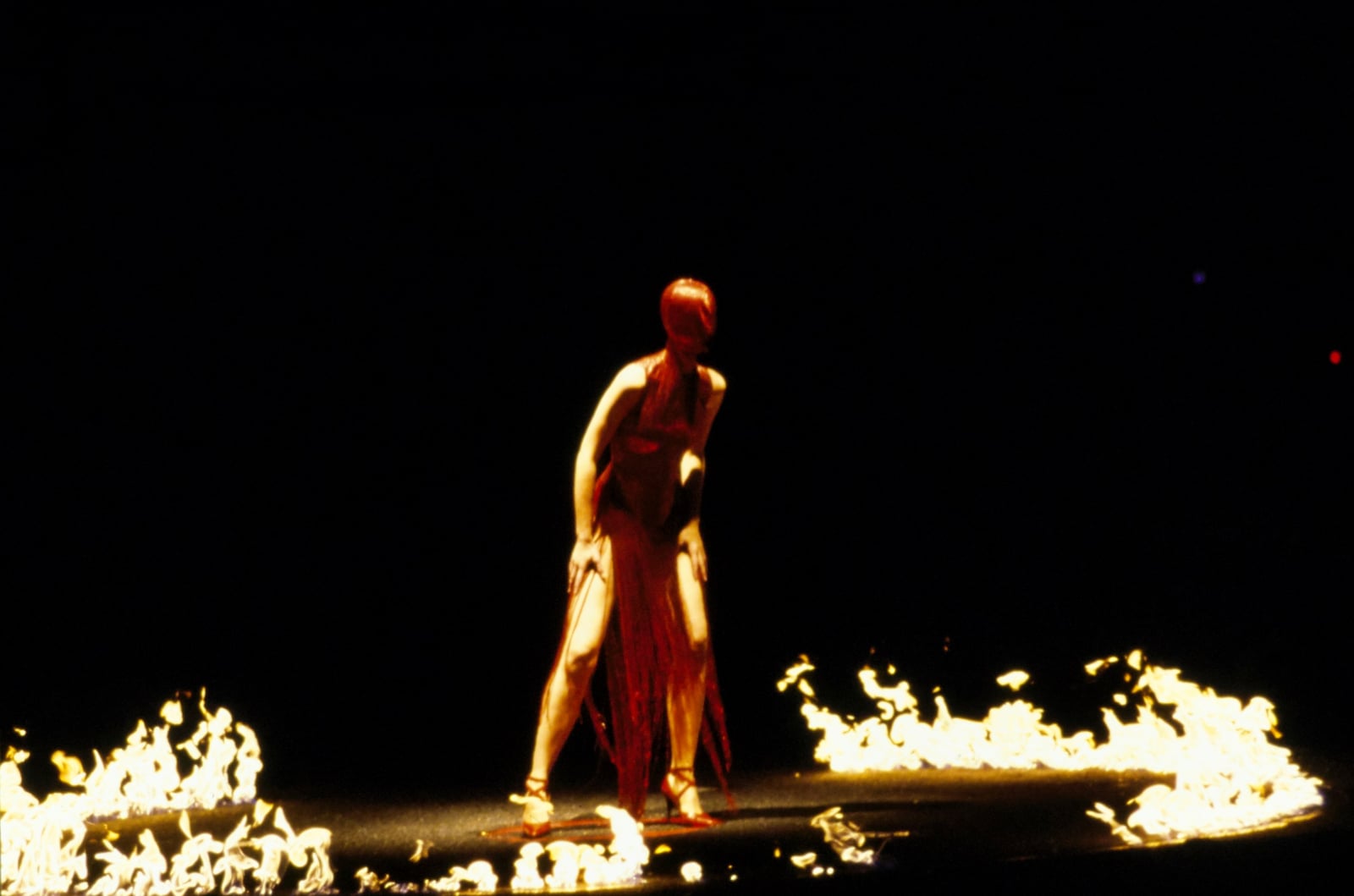
McQueen elevated fashion to the status of high-end performance art through daring, highly narrative-driven runway presentations. When he guest-edited Dazed and placed Paralympian athlete Aimee Mullins on the cover—photographed by Nick Knight and styled by Katy England—it was never about cheap shock value. It was a profound exercise in reframing physical power, beauty, and human possibility.
M is for Metalheadz at the Blue Note
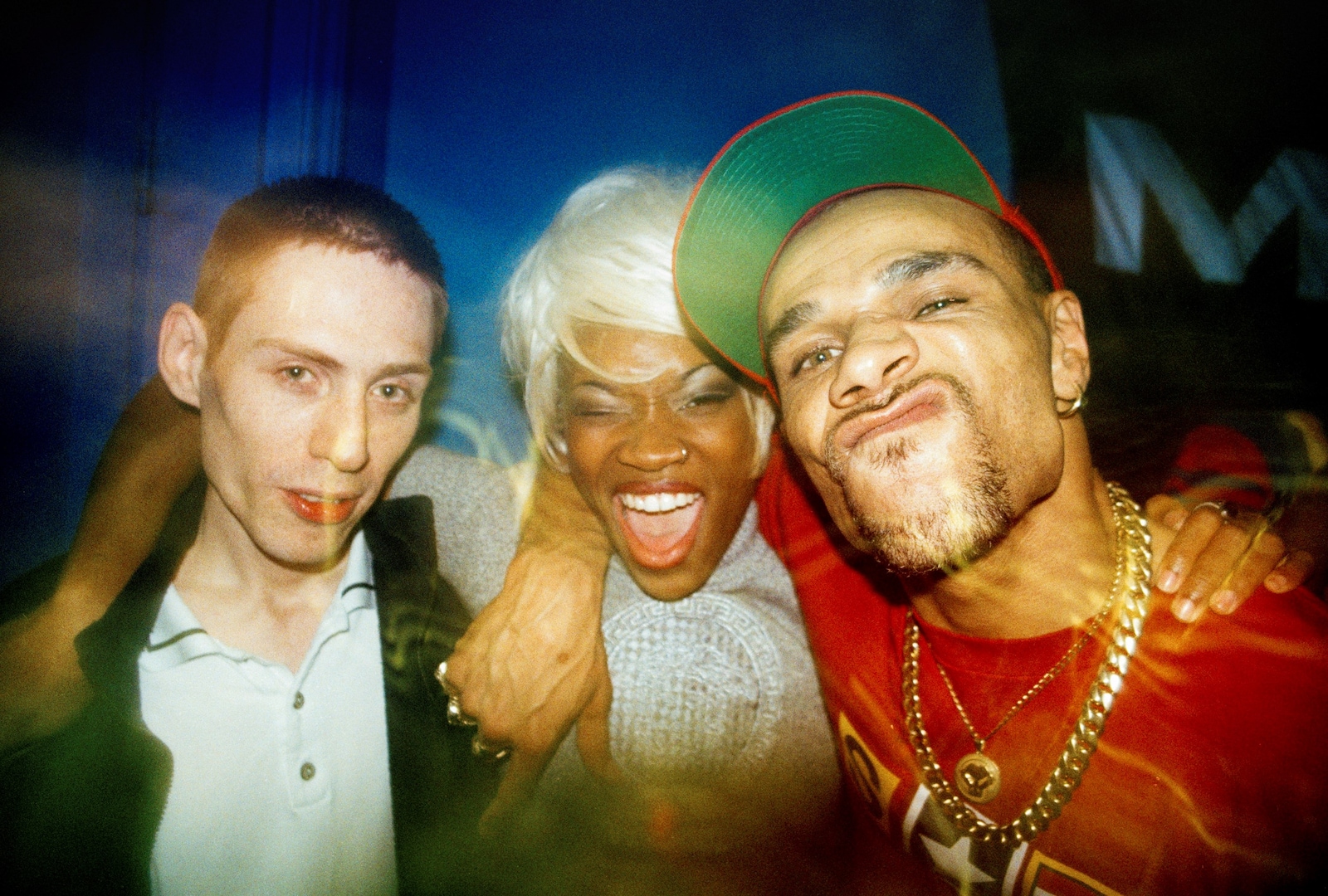
The Sunday sessions at the Blue Note in Hoxton Square operated as a subterranean London pressure-cooker where heavy sub-bass was treated like brutalist architecture. In this smoke-filled room, a potent new Black British futurism took shape in real time, laying down the blueprint for modern jungle and drum and bass.
N is for Nirvana
Uncalculated, raw conviction. Nirvana shifted the psychological center of gravity for youth culture inward, channeling teenage angst, alienation, and existential dread into seismic waves of distortion, anchored forever by Kurt Cobain’s volatile, uncompromising ethos.
O is for OK Computer
Before releasing the genre-defining album that captured turn-of-the-millennium technological paranoia, Radiohead’s Thom Yorke and Colin Greenwood debuted these very songs at the Tramshed in London for the inaugural Dazed Live event. As fire services attempted to shut down the dangerously over-capacity venue, the apocalyptic strains of "Paranoid Android" bled into the sirens of three real fire engines screaming down Shoreditch streets—a sensory collision that remains the quintessential 90s memory.
P is for Primal Scream
With the monumental release of Screamadelica, Primal Scream masterfully fused rock instrumentation, balearic rave culture, gospel choirs, and Jamaican dub. The album captured the spirit of cross-pollination and the relentless search for sonic novelty that defined the decade.
Q is for Queer Cinema
Auteurs like Gregg Araki, Todd Haynes, and Gus Van Sant aggressively reframed queer narratives for a new generation. Operating under the long, tragic shadow of the AIDS crisis, New Queer Cinema injected raw desire, righteous anger, biting humor, and tender vulnerability onto the silver screen with unprecedented sexual energy.
R is for Rankin
Photography as an intense, collaborative dialogue with iconic cultural figures including Björk, Bowie, and Thom Yorke. Rankin’s innovative visual partnerships with stylists Katie Grand and Alister Mackie produced imagery that felt immediate, confrontational, and utterly indelible.
S is for Sign of the Times
Run by Fiona Cartledge, this independent designer boutique and stall in Kensington Market served as an indispensable cultural incubator. It operated as a vital crossroads where designers, artists, and musicians collided, ideas circulated as freely as garments, and some of the decade’s most legendary underground parties were hatched. Famously, it was also the place where artist Jeremy Deller once worked behind the counter.
T is for Trainspotting
When author Irvine Welsh interviewed his personal rock-and-roll hero Iggy Pop for Dazed & Confused in 1995, he was famously stunned to learn that the Godfather of Punk had never actually taken ecstasy. Trainspotting—first as a bleakly hilarious novel and later as Danny Boyle’s cinematic masterpiece propelled by an electrifying soundtrack—crystallized the harsh, post-ecstasy comedown of early-90s youth culture, capturing the institutional hopelessness that pervaded the final years of the Conservative government.
U is for Underground Resistance
Detroit techno functioning as a militant, futurist philosophy. Uncompromising and fiercely political, UR hit the UK music scene like a freight train before ricocheting across continental Europe and returning to reshape global club culture.
V is for Vivienne Westwood
The undisputed queen of British fashion championed style as sophisticated rebellion. By sampling, distorting, and violently remixing historical garments, Westwood proved that subversion could sit comfortably alongside couture craftsmanship.
W is for Wolfgang Tillmans
Tillmans fundamentally reframed photography as an unfiltered document of lived experience. From sweat-soaked club kids to intimate portraits of lovers and friends within London’s underground scenes, he possessed an uncanny ability to make the everyday look radical and the radical look tender.
X is for X-Girl
Kim Gordon’s fiercely femme-focused streetwear label brought together multidisciplinary talents like Spike Jonze and Sofia Coppola to produce its inaugural fashion presentation, featuring Chloë Sevigny marching down the runway. In 1990s New York, virtually all roads of cool led directly back to Gordon and Thurston Moore.
Y is for The Yng British Artists (YBAs)
Damien Hirst, Marc Quinn, Tracey Emin, Steve McQueen, Sarah Lucas, Gary Hume, Chris Ofili, and the Chapman brothers formed an artistic vanguard determined to sever all ties with British artistic history while violently attempting to outdo one another. Sensation was deployed simultaneously as an artistic strategy and a clean cultural slate. As the first generation of artists to actively court mass tabloid media alongside high-powered gallerists and collectors like Charles Saatchi, Sadie Coles, and Jay Jopling, they constructed an unapologetic financial and cultural empire around their creative output.
Z is for Zines
DIY self-publishing at its most visceral. Political manifestos and artistic visions were passed directly from hand to hand. This grassroots ethos is precisely how Dazed was born—not as a glossy corporate product, but as a black-and-white poster-zine, entirely devoid of staples, constructed from four A2 sheets of paper folded down into an A4 cover, bearing the legendary disclaimer: "This is not a magazine…"
Supporting Context & Metrics
To understand the cultural footprint of the 1990s is to examine an era where economic recession in the UK paradoxically birthed an explosion of creative entrepreneurship. Independent magazines grew by over 300% during the mid-90s across London, Manchester, and Glasgow. Club attendance in industrial warehouse spaces peaked between 1992 and 1997, functioning as informal community centers for a disenfranchised youth demographic facing high unemployment rates under the declining Thatcher-Major administrations.
| Cultural Sector | Key 1990s Milestone / Catalyst | Lasting Legacy |
|---|---|---|
| Print Media | Dazed & Confused launched as an A2 poster-zine (1991) | Proved the viability of independent, unfiltered youth publishing |
| Fine Art | YBA movement dominates global consciousness via Sensation (1997) | Commercialized conceptual art and integrated it with tabloid celebrity culture |
| Fashion | Alexander McQueen introduces low-slung "Bumsters" & narrative runway shows | Merged traditional haute couture with raw theatrical performance art |
| Electronic Music | Metalheadz at the Blue Note (1995–1996) | Established jungle and drum and bass as foundational Black British futurism |
Official Statements
Reflecting on the enduring legacy of the decade and its contemporary curation, Jefferson Hack noted:
"Youth culture wasn’t being marketed back to itself yet; it was building its own mythology in real time… Risk wasn’t a strategy; it was instinct. If the system didn’t exist, you built it. DIY wasn’t just a style, it was about inventing the future."
Curatorial teams at Tate Britain emphasize that The 90s: Art and Fashion is not merely an exercise in nostalgic escapism, but a critical examination of how the socio-economic anxieties of the late 20th century continue to provide the foundational blueprints for contemporary digital-age resistance, gender fluidity, and independent creative survival.
Future Outlook
As cultural consumption becomes increasingly sanitized, algorithmic, and risk-averse in the mid-2020s, the raw, unfiltered ethos of the 1990s serves as both a rebuke and a roadmap. The lessons imparted by the independent zinesters, warehouse ravers, brutalist techno producers, and avant-garde fashion designers of thirty years ago remind us that true cultural shifts are never handed down by institutions—they are forged in the dark, built with our own hands, and distributed without permission.
The 90s: Art and Fashion exhibition remains open to the public at Tate Britain through February 14, 2027.