Executive Overview
The 1990s was not merely a transitional decade bridging the analog past and the digital future; it was a volatile, high-stakes crucible of creative destruction. Long before algorithms dictated aesthetic trends and social media flattened youth culture into an endless loop of commodified nostalgia, the final decade of the 20th century operated on raw instinct, localized subcultures, and radical independence.
At the epicenter of this seismic cultural shift was Dazed & Confused, the independent publication co-founded by Jefferson Hack and Rankin in 1991. Born as a humble black-and-white poster zine—four unstapled A2 sheets folded into an A4 cover carrying the defiant manifesto, "This is not a magazine…"—the publication grew alongside the very avant-garde figures it documented.
Now, decades later, the defining textures of that era are being re-examined on institutional walls. Coinciding with the landmark exhibition The 90s: Art and Fashion at Tate Britain (running through February 14, 2027), Jefferson Hack unpacks a deeply personal, alphabetical audit of the decade. From the clandestine warehouses of acid house to the high-art shock tactics of the Young British Artists (YBAs), this comprehensive review explores how sound, style, and socio-political friction collided to forge a modern cultural mythology.
Detailed Chronology: An A-to-Z Cultural Audit
A is for Acid House
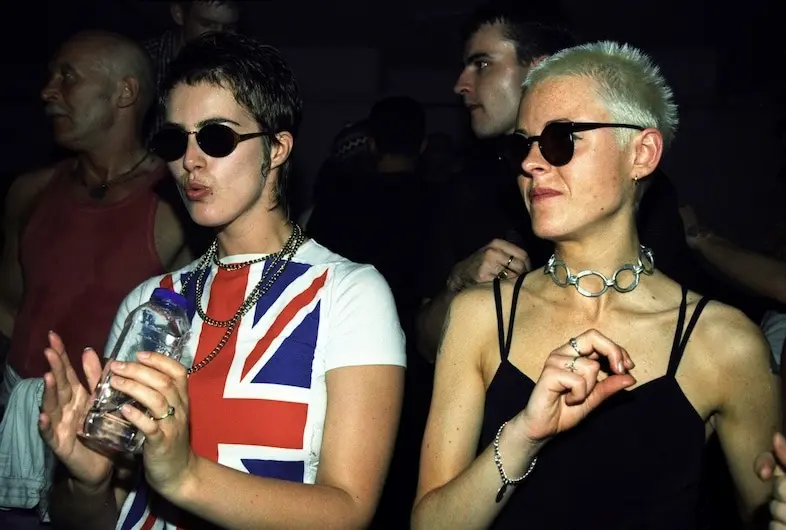
More than a musical genre, acid house offered a psychological and spatial liberation. Warehouses, abandoned factories, and rural fields were transformed into Temporary Autonomous Zones (TAZs). For a fleeting, euphoric moment, societal divisions dissolved under strobe lights and four-on-the-floor beats. Youth culture was not yet being marketed back to itself by corporate conglomerates; it was actively building its own transient mythology in real time, fueled by collective energy and a shared subcultural lexicon.
B is for Björk
A singular, untamable force, Björk channeled ancient folklore, pioneering electronic soundscapes, and high-fashion conceptualism into a language entirely her own. She proved that emotion could feel aggressively futuristic. Working alongside visionary directors like Michel Gondry and Chris Cunningham, she transformed the music video into a legitimate, experimental art form, proving that pop music could simultaneously be intimate, politically rebellious, and radically imaginative.
C is for Club Culture
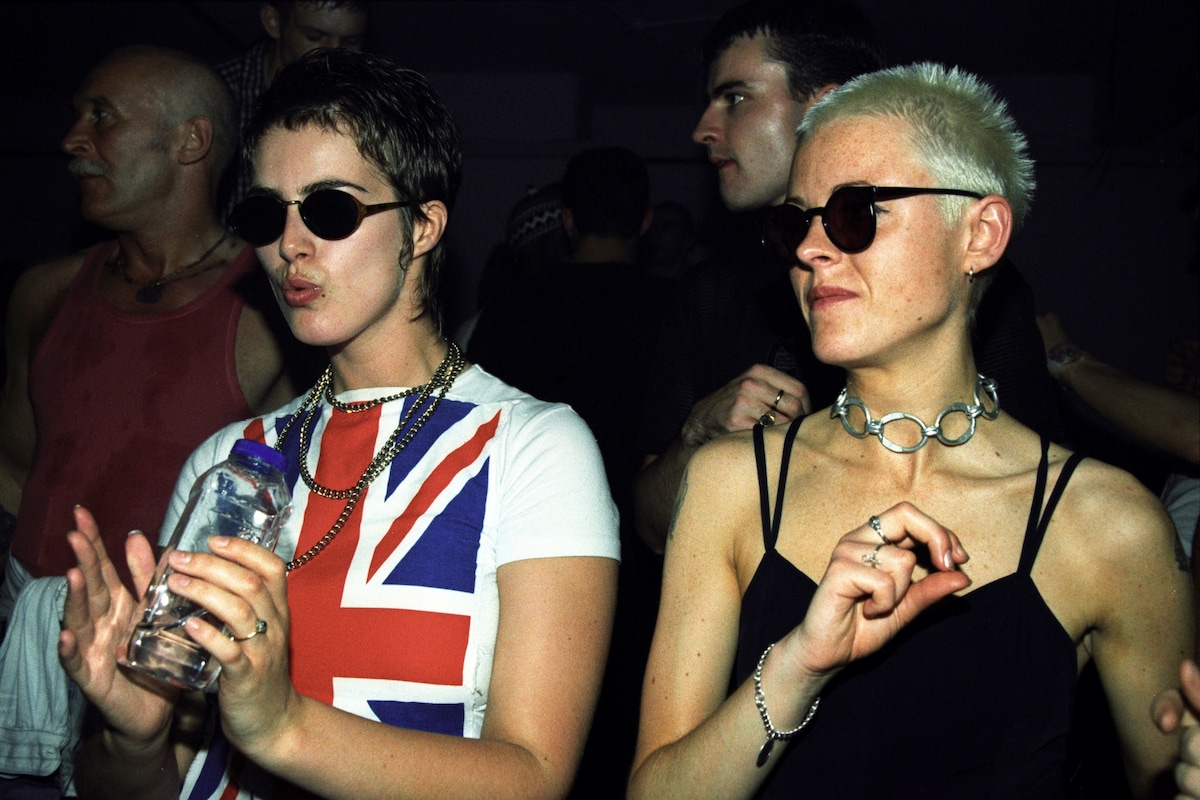
In the pre-social-media landscape, underground nightclubs functioned as the true laboratories of culture. The dancefloor was a social laboratory where identity was rehearsed, coded, and interrogated. Resident DJs acted as emotional editors, sampling and sequencing the anxieties and ecstasies of the decade into a fluid, borderless auditory experience. These insular scenes formed in the pitch-dark hours of the weekend and radiated outward, heavily influencing mainstream fashion, contemporary art, and media.
D is for David Bowie
An eternal shapeshifter who instinctively understood the pulse of emerging youth energy, Bowie recognized Dazed during its infancy. Flying Rankin and Jefferson Hack to Los Angeles for their first major celebrity cover was a watershed moment of validation. Bowie always knew where culture was heading before the mainstream caught up, making his early endorsement an invaluable badge of honor for a young, independent publication.
E is for Experimentation
Risk was not calculated as a corporate strategy; it was treated as a fundamental survival instinct. Across sound, imagery, and identity, nothing felt fixed or permanent. Genres blurred with dizzying speed, traditional gender codes were radically loosened, independent publishing reinvented its own operational mechanics, and nascent internet forums began introducing borderless sampling. The global exchange of ideas moved to the forefront of youth consciousness.
F is for Fashion
A revolutionary new guard of designers—led by Alexander McQueen, Hussein Chalayan, Raf Simons, Helmut Lang, Marc Jacobs, and later in the decade, Hedi Slimane—redefined the parameters of dress. Fashion became a vital language for a disillusioned generation, rejecting hollow, traditional glamour in favor of an autobiographical, auteur-driven sensibility that dragged haute couture kicking and screaming into the gritty reality of youth culture.
G is for Grunge
Emerging from the Pacific Northwest and rippling globally, grunge served as a necessary, visceral corrective to the grotesque excess of the 1980s. It democratized imperfection, elevating aesthetic flaws, thrift-store aesthetics, and anti-fashion sensibilities into a dominant cultural uniform.
H is for Heroin Chic
When US President Bill Clinton publicly criticized Dazed & Confused for allegedly promoting self-destructive drug aesthetics, it brutally exposed the unprecedented political potency of youth imagery. Photographers were simply documenting the stark realities, fragility, and sensory excess of the world surrounding them. This sparked a furious, ongoing debate: did these provocative images actively manufacture culture, or did they merely hold up an uncomfortably honest mirror to it?
I is for Independence
Independent record labels, visionary independent designers, and guerrilla publishing operations were driven by a singular ethos: if the established institutional system did not exist to support you, you built it yourself. DIY culture was not a temporary style choice; it was an uncompromising blueprint for inventing the future.
J is for Jarvis Cocker
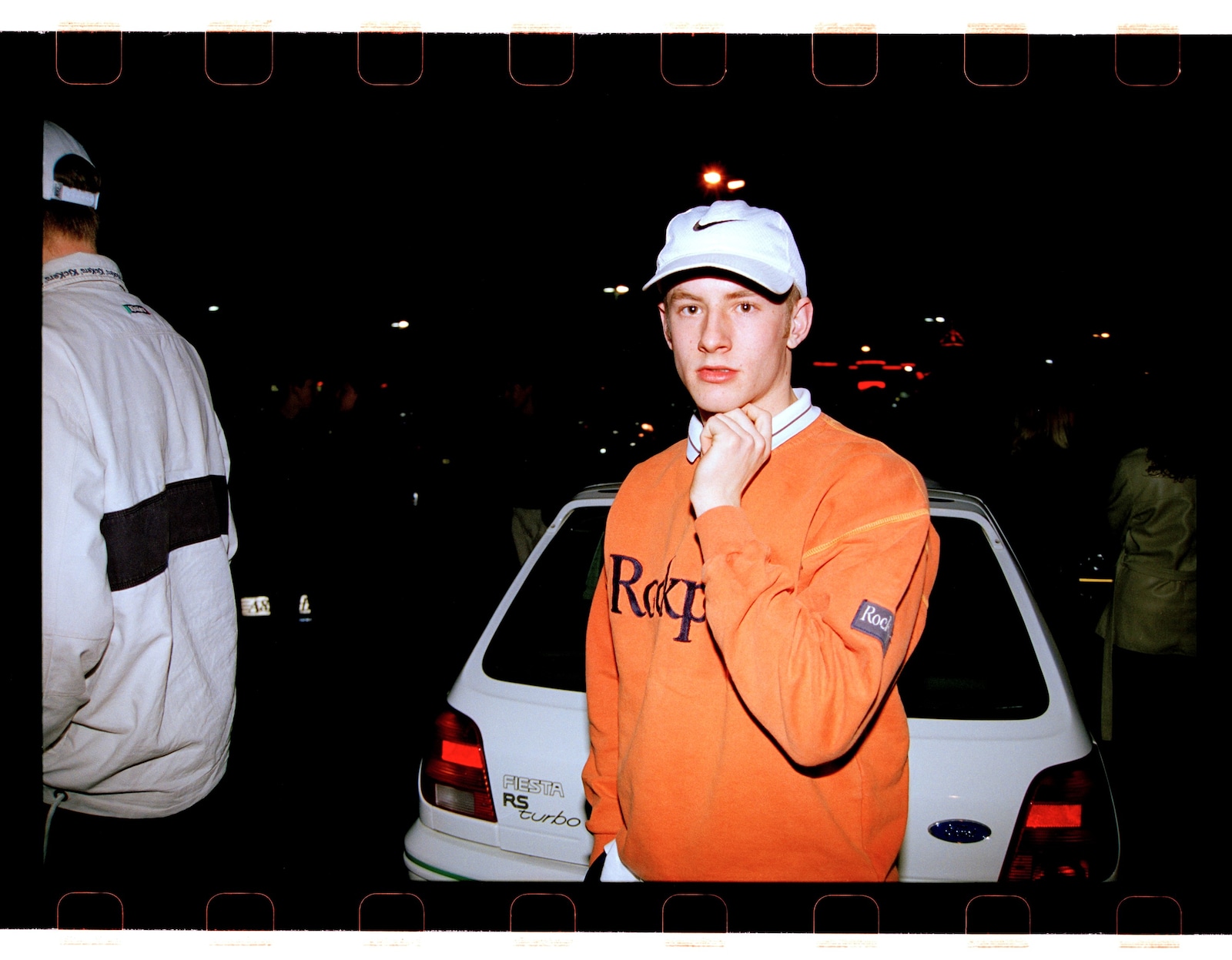
Wry, hyper-observant, and intellectually razor-sharp, Jarvis Cocker and Pulp captured the bittersweet reality of British life. When Rankin photographed the band for their Different Class era, the transparent, interchangeable cover art felt like a manifestative stroke of genius, proving that Britpop could be deeply self-aware, literate, and entirely original.
K is for Kate Moss
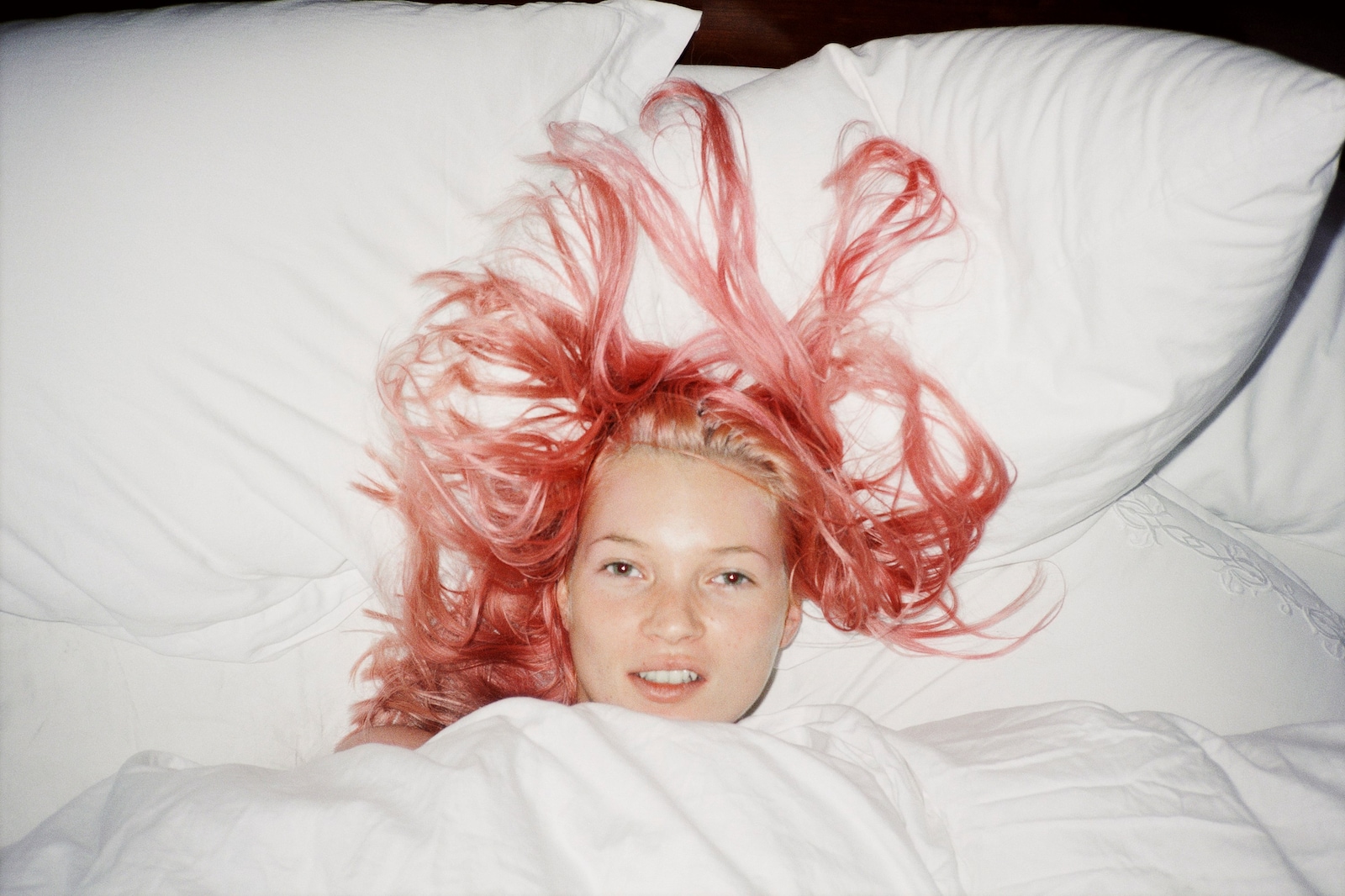
Kate Moss permanently re-engineered the global definition of beauty. Her effortless presence mirrored the exact mood of the late 90s: unpolished, unguarded, playfully punk, and carrying an unmistakable, hard-edged London attitude that could not be manufactured in a studio.
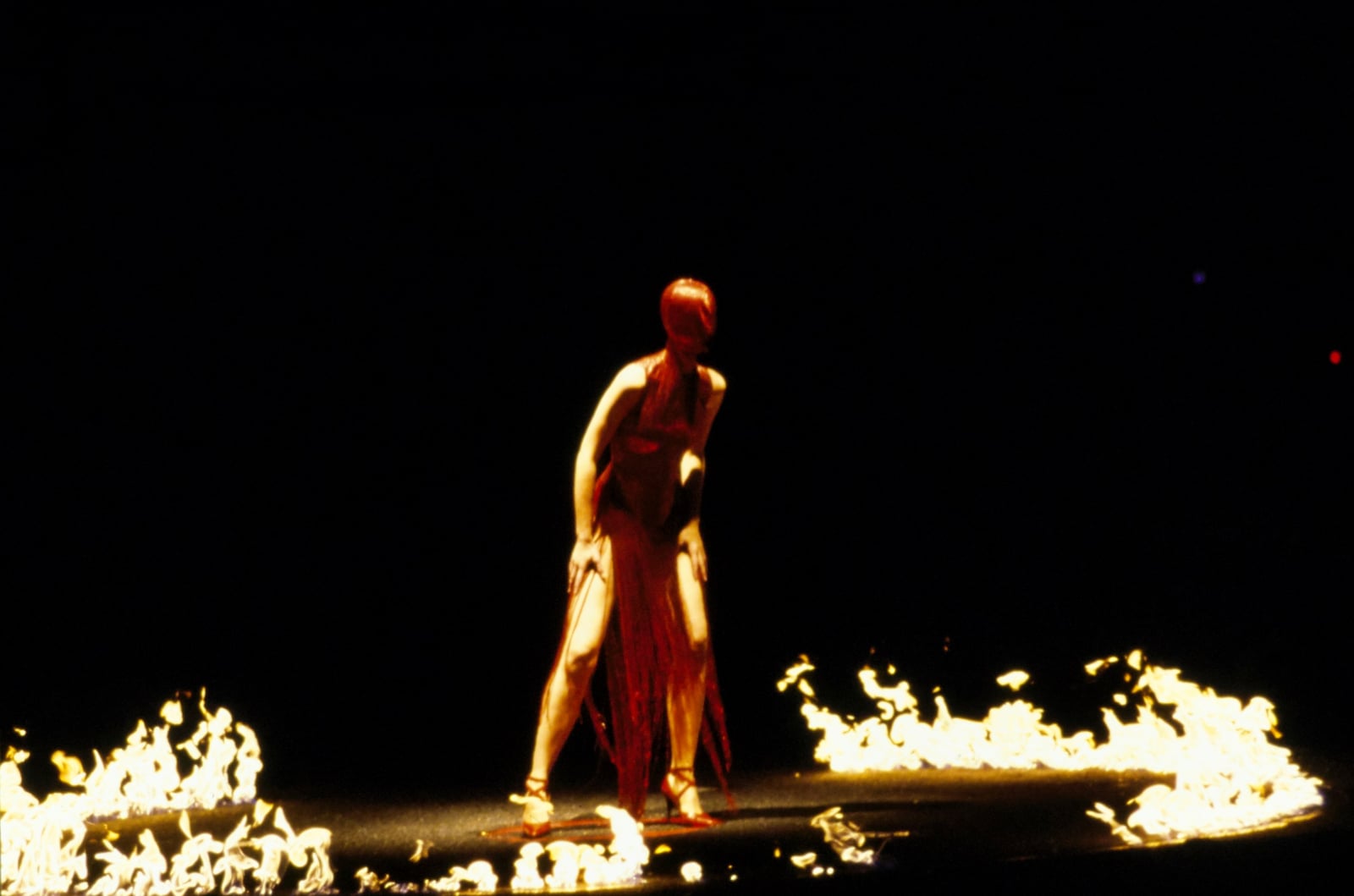
L is for Lee Alexander McQueen
Alexander McQueen elevated fashion into high art through emotionally charged, narrative-driven runway presentations. When he guest-edited Dazed and placed trailblazing Paralympian Aimee Mullins on the cover—photographed by Nick Knight and styled by Katy England—it was never about cheap shock value. Instead, it was a profound act of reframing power, disability, and bodily possibility.
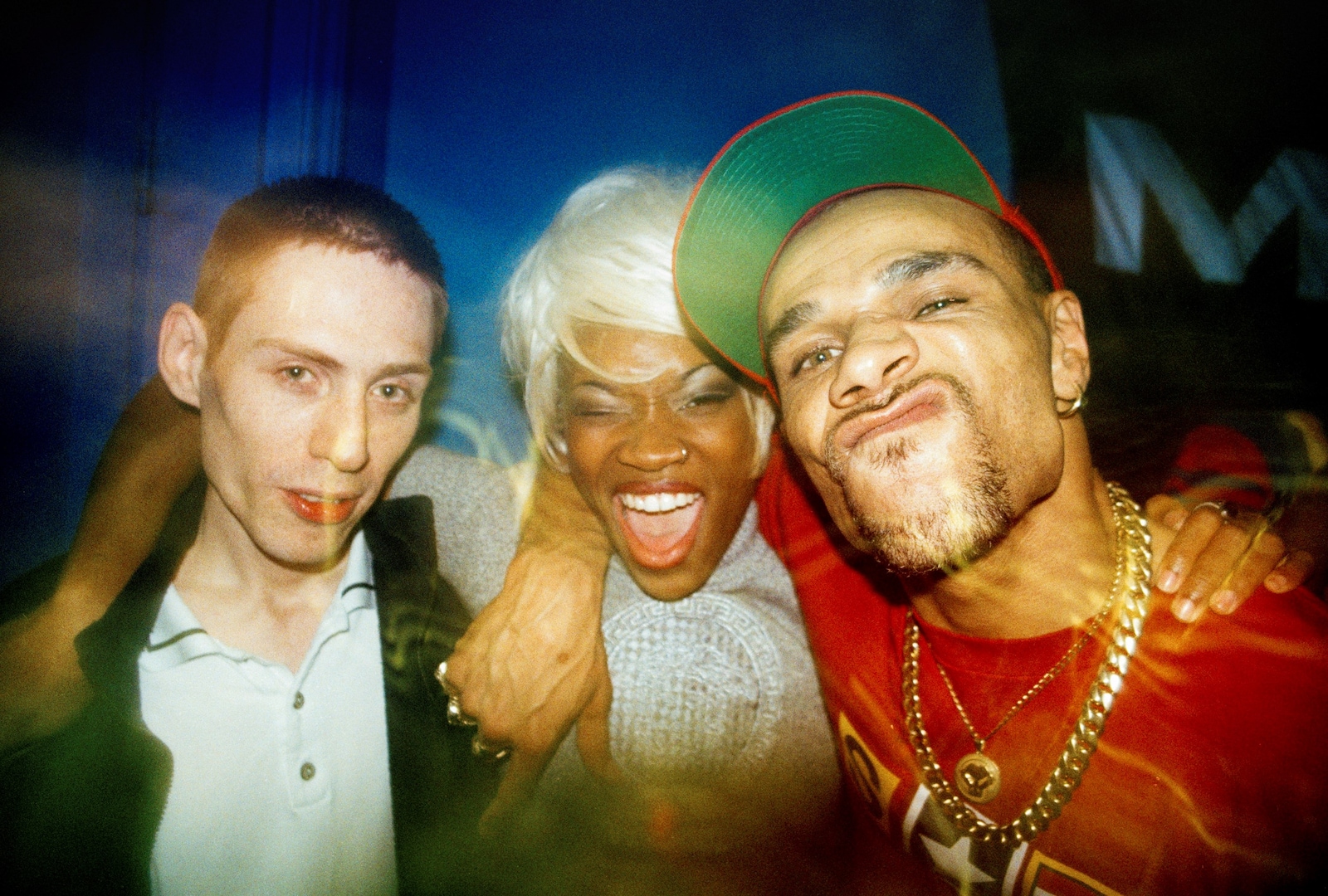
M is for Metalheadz at the Blue Note
Located in the pressure-cooker environment of Hoxton Square, London, the Sunday sessions at Metalheadz saw bone-shaking drum and bass become architectural soundscapes. Here, a distinct, visionary Black British futurism took visceral shape in real time, soundtracking an underground revolution.
N is for Nirvana
Driven by conviction rather than commercial calculation, Nirvana fundamentally shifted the psychological and emotional orientation of an entire generation inward. All the repressed teenage angst, alienation, and generational frustration of the 90s were distilled into the feedback-heavy wall of sound and Kurt Cobain’s weary, uncompromising posture.
O is for OK Computer
Prior to the worldwide release of Radiohead’s genre-defining masterpiece, Thom Yorke and Colin Greenwood performed its tracks live at the Tramshed in London for the inaugural Dazed Live event. Standing next to Wolfgang Tillmans as local fire services attempted to shut down the overcrowded venue, the haunting strains of "Paranoid Android" bleeding into the wailing sirens of three fire engines echoing through Shoreditch remains an undimmed pinnacle of urban adrenaline.
P is for Primal Scream
Primal Scream’s watershed album Screamadelica masterfully fused rock, rave, gospel, and dub. It perfectly captured the insatiable spirit of cross-pollination and the relentless search for sonic novelty that defined the decade’s musical vanguard.
Q is for Queer Cinema
Auteurs like Gregg Araki, Todd Haynes, and Gus Van Sant radically reframed queer narratives for a modern audience. Operating under the long, heavy shadow of the AIDS crisis, New Queer Cinema injected raw desire, righteous anger, dark humor, and tender vulnerability onto the silver screen with unprecedented sexual and political energy.
R is for Rankin
Through his lens, Rankin established photography as an intimate, confrontational dialogue with iconic cultural figures like Björk, Bowie, and Thom Yorke. His high-octane fashion collaborations with stylists Katie Grand and Alister Mackie produced visceral, memorable imagery that permanently etched itself into the visual history of the decade.
S is for Sign of the Times
Fiona Cartledge’s legendary independent designer stall in Kensington Market acted as a vital cultural incubator. Under her curatorial eye, it served as a frictionless meeting point for avant-garde designers, visual artists, and rogue musicians. Ideas circulated here as freely as garments, sparking some of the decade’s wildest underground parties. Famously, it was also where Turner Prize-winning artist Jeremy Deller once worked as a shop assistant.
T is for Trainspotting
When author Irvine Welsh interviewed his rock-and-roll hero Iggy Pop for Dazed & Confused in 1995, he was stunned to discover the Godfather of Punk had never actually taken ecstasy. Irvine Welsh’s Trainspotting—first as a searing novel and later immortalized by Danny Boyle’s cinematic adaptation backed by a blinding soundtrack—crystallized the bleak, post-ecstasy comedown of early-90s youth culture, capturing the acute lack of opportunity and systemic hopelessness that pervaded the final years of the Conservative government.
U is for Underground Resistance
Detroit techno arrived in the UK as an uncompromising, futurist philosophy. Politically charged and fiercely independent, the collective hit the British Isles hard before ricocheting across European club circuits and radiating back out to a global audience.
V is for Vivienne Westwood
Vivienne Westwood championed fashion as a form of sophisticated rebellion. Historical garments were sampled, severely distorted, and brilliantly remixed. She remained, unequivocally, the undisputed queen of London fashion throughout the turbulence of the decade.
W is for Wolfgang Tillmans
Wolfgang Tillmans single-handedly reframed photography as an unfiltered document of lived experience. Capturing club kids, intimate lovers, close friends, and transient underground scenes, he possessed a rare gift for making the everyday appear radical, and the radical feel achingly tender.
X is for X-Girl
Kim Gordon’s unapologetically femme-focused streetwear label bridged the cultural divides between New York and London. The brand brought together indie royalty like Spike Jonze and Sofia Coppola to produce its debut fashion show, featuring Chloë Sevigny striding down the runway. In 1990s New York, all vital creative roads ultimately led back to Kim Gordon and Thurston Moore.
Y is for The YBAs (Young British Artists)
Damien Hirst, Marc Quinn, Tracey Emin, Steve McQueen, Sarah Lucas, Gary Hume, Chris Ofili, and Jake and Dinos Chapman shared a unified desire to violently break from the artistic past while fiercely outdoing one another. Shock and sensory disruption were utilized simultaneously as strategic interventions and creative psychological resets. As the first generation of artists to actively court mass media attention alongside powerful collectors and gallerists like Charles Saatchi, Sadie Coles, and Jay Jopling, they built an unapologetic, high-stakes financial and cultural economy around their work.
Z is for Zines
DIY self-publishing served as the ideological backbone of the entire underground movement. Political manifestos, raw art, and amateur photography were passed physically from hand to hand. This grassroots methodology was precisely how Dazed originated: born as a humble, black-and-white poster zine without a single staple, constructed from four A2 sheets folded down to an A4 cover, bearing an iconic warning to the establishment: "This is not a magazine…"
Supporting Context & Metrics
To fully comprehend the cultural gravity of the 1990s as outlined in Hack’s retrospective, one must examine the socio-economic and media landscape of the era:
- The Publishing Paradigm Shift: In the early 1990s, the cost-barrier of desktop publishing software (such as QuarkXPress and early iterations of Adobe Photoshop) began to drop, coinciding with a boom in independent zine culture across London, New York, and Tokyo. Dazed & Confused transitioned from an A2 poster zine into a glossy independent powerhouse, proving that niche, youth-led perspectives could scale globally without corporate backing.
- The Art Market Re-calibration: The emergence of the YBAs coincided with a massive restructuring of the British art market. The landmark Sensation exhibition, held at the Royal Academy of Arts in 1997, drew over 295,000 visitors, shattering traditional attendance models and cementing contemporary art as mainstream pop culture.
- Club Economy: At its peak, the UK club scene contributed billions to the nighttime economy, with superclubs and illegal warehouse parties drawing upwards of hundreds of thousands of attendees weekly, fundamentally altering licensing laws and urban zoning philosophies.
Official Statements & Exhibition Details
Reflecting on the enduring legacy of the decade, the curation of The 90s: Art and Fashion serves as both a museum retrospective and a cautionary cultural blueprint.
"The 90s weren’t just about looking back at a golden era of aesthetics; they were about a fundamental rewiring of how independent culture could survive and thrive outside corporate permission structures," notes cultural commentary surrounding the Tate Britain presentation.
By placing the radical fashion editorials of Alexander McQueen alongside the photographic realism of Wolfgang Tillmans and the conceptual provocations of the YBAs, the exhibition validates Jefferson Hack’s thesis: the final decade of the 20th century was the last time modern culture truly invented itself from the ground up.
The 90s: Art and Fashion is open to the public at Tate Britain through February 14, 2027.
Future Outlook
As cultural consumption becomes increasingly dominated by algorithmic curation, short-form video loops, and risk-averse corporate nostalgia, the lessons of the 1990s offer an urgent roadmap for contemporary creators. The DIY ethos championed by zine publishers, the spatial liberation found within acid house warehouses, and the fierce independence of designers who built their own systems rather than begging for entry remain timeless antidotes to creative stagnation.
Looking forward, the challenge for the next generation of artists, publishers, and agitators will not be navigating the physical limitations of the analog world, but rather reclaiming physical and psychological space from the digital panopticon. If Jefferson Hack’s retrospective proves anything, it is that when the institutional systems fail to represent youth reality, the only viable option is to tear up the rulebook, fold the paper, and declare: "This is not the end—it is a new beginning."