Executive Overview
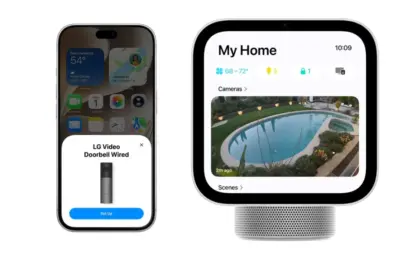
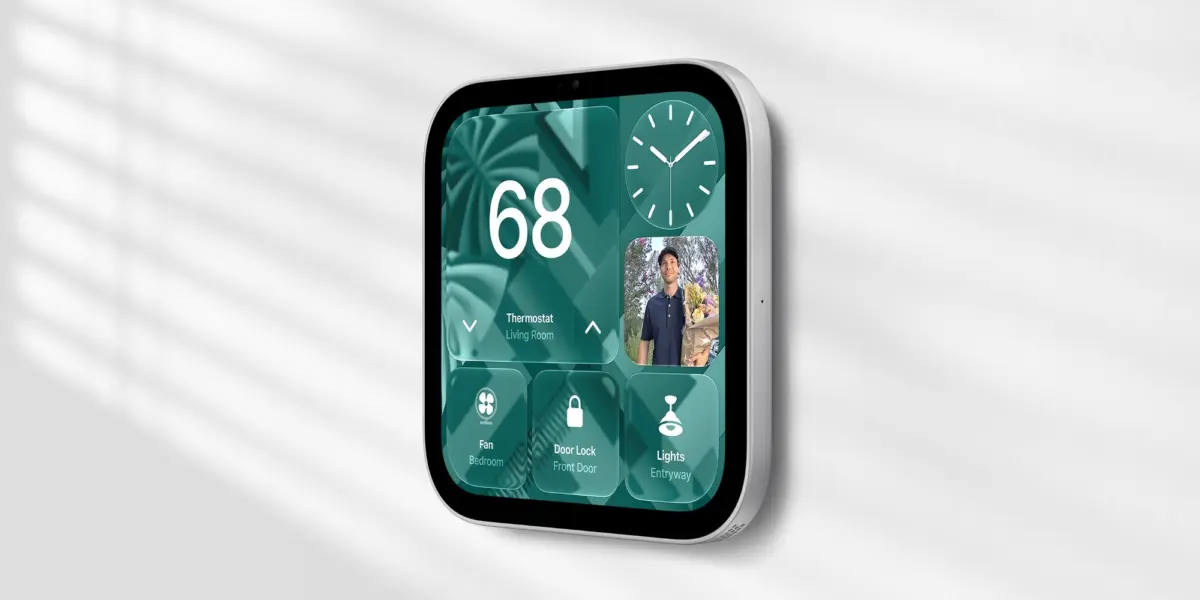
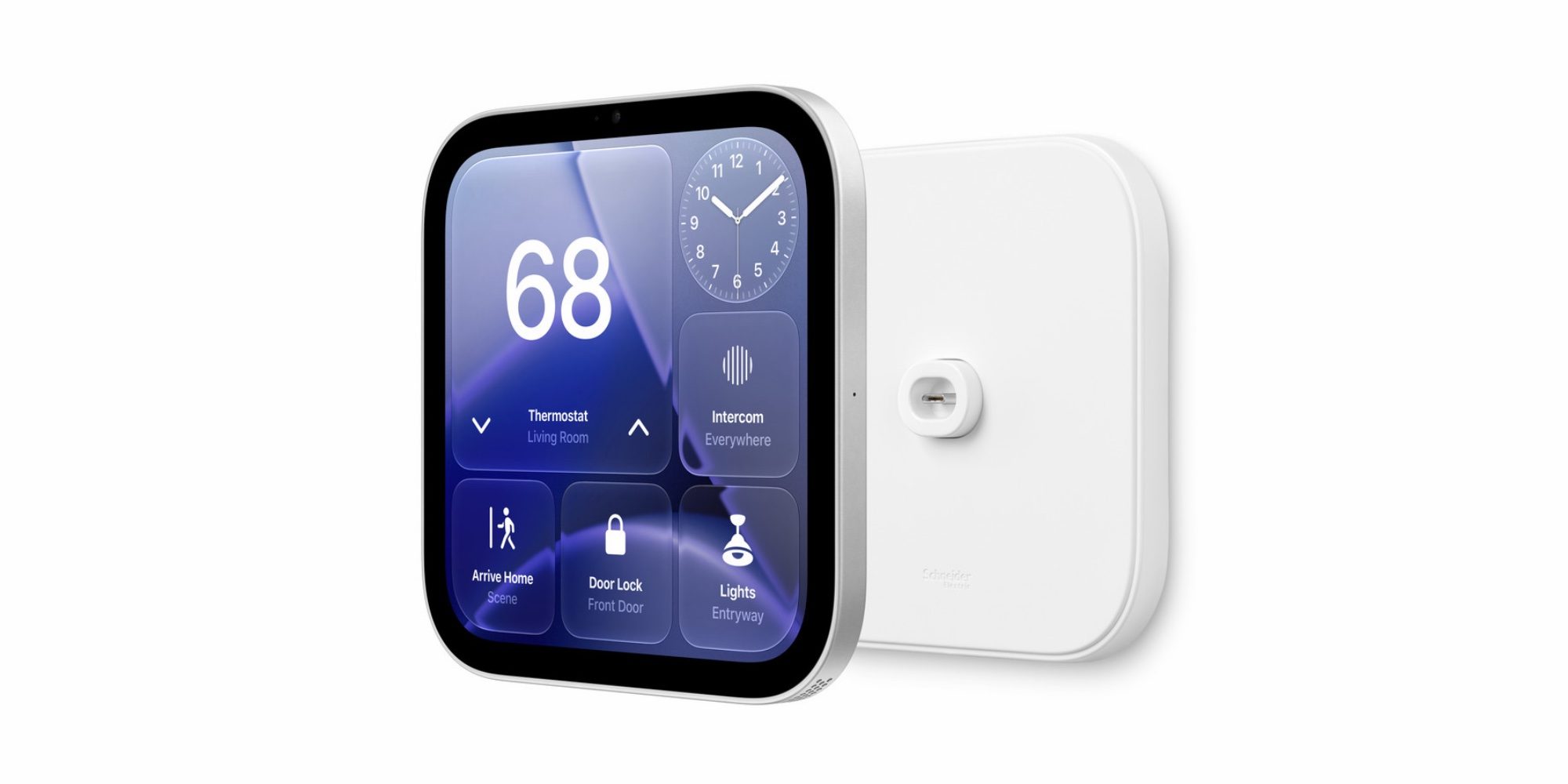
Apple’s long-anticipated foray into dedicated smart home command centers has finally materialized. The technology giant officially pulled back the curtain on its new HomeView ecosystem today, introducing a hardware line designed to unify home automation, communication, and media control. Available for pre-order immediately ahead of its official retail release on November 13, the HomeView arrives in two primary configurations: the standard desktop-oriented model anchored by a robust speaker base, and a sleek, space-saving wall-mounted iteration.
At first glance, both versions appear identical in value proposition, each carrying a uniform manufacturer’s suggested retail price (MSRP) of $299. However, a closer examination of Apple’s product specifications and unbundled hardware strategy reveals a distinct pricing paradox. Despite packing less robust internal audio hardware compared to its desktop counterpart, the wall-mounted HomeView will invariably cost consumers significantly more out of pocket.
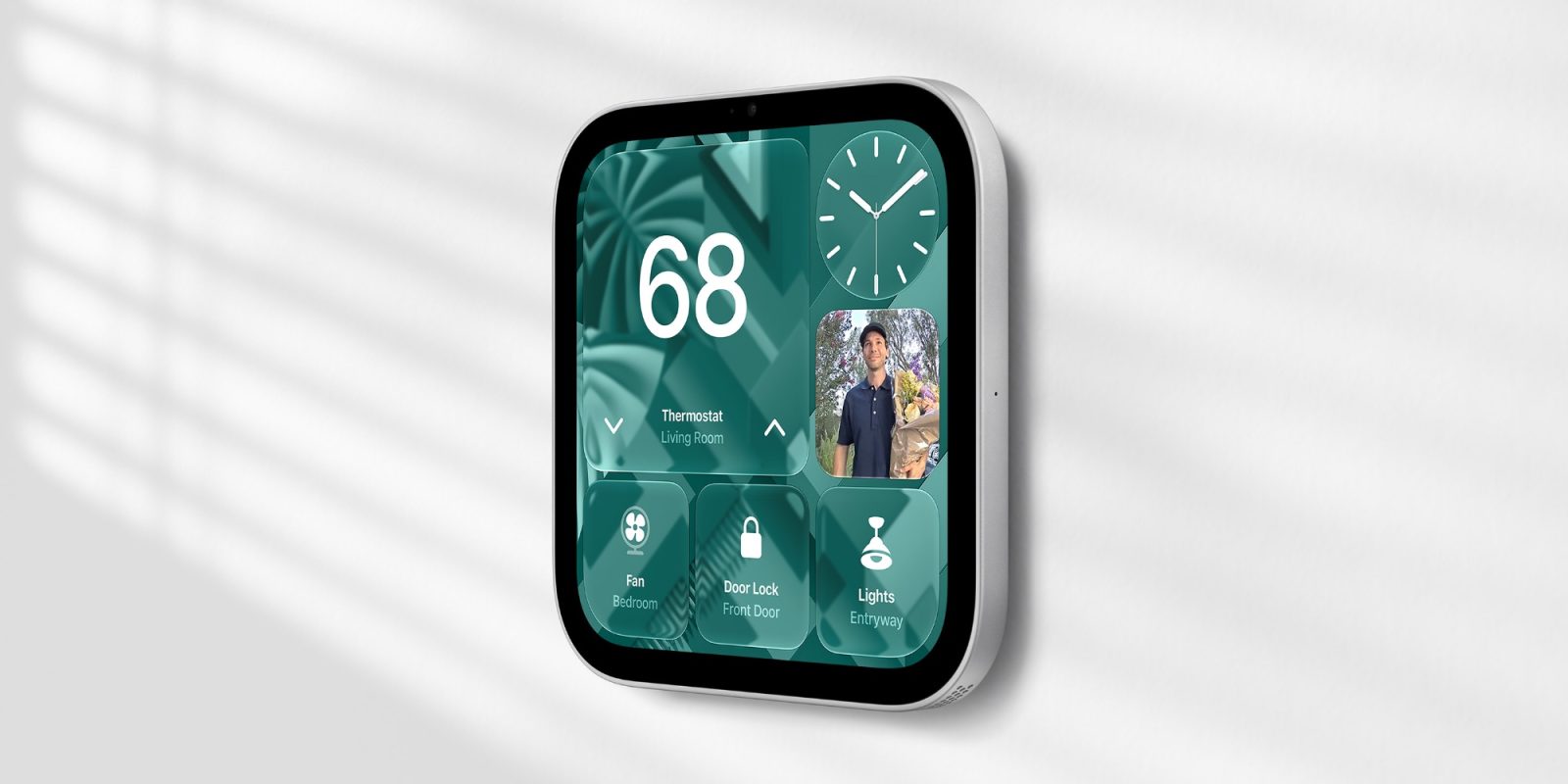
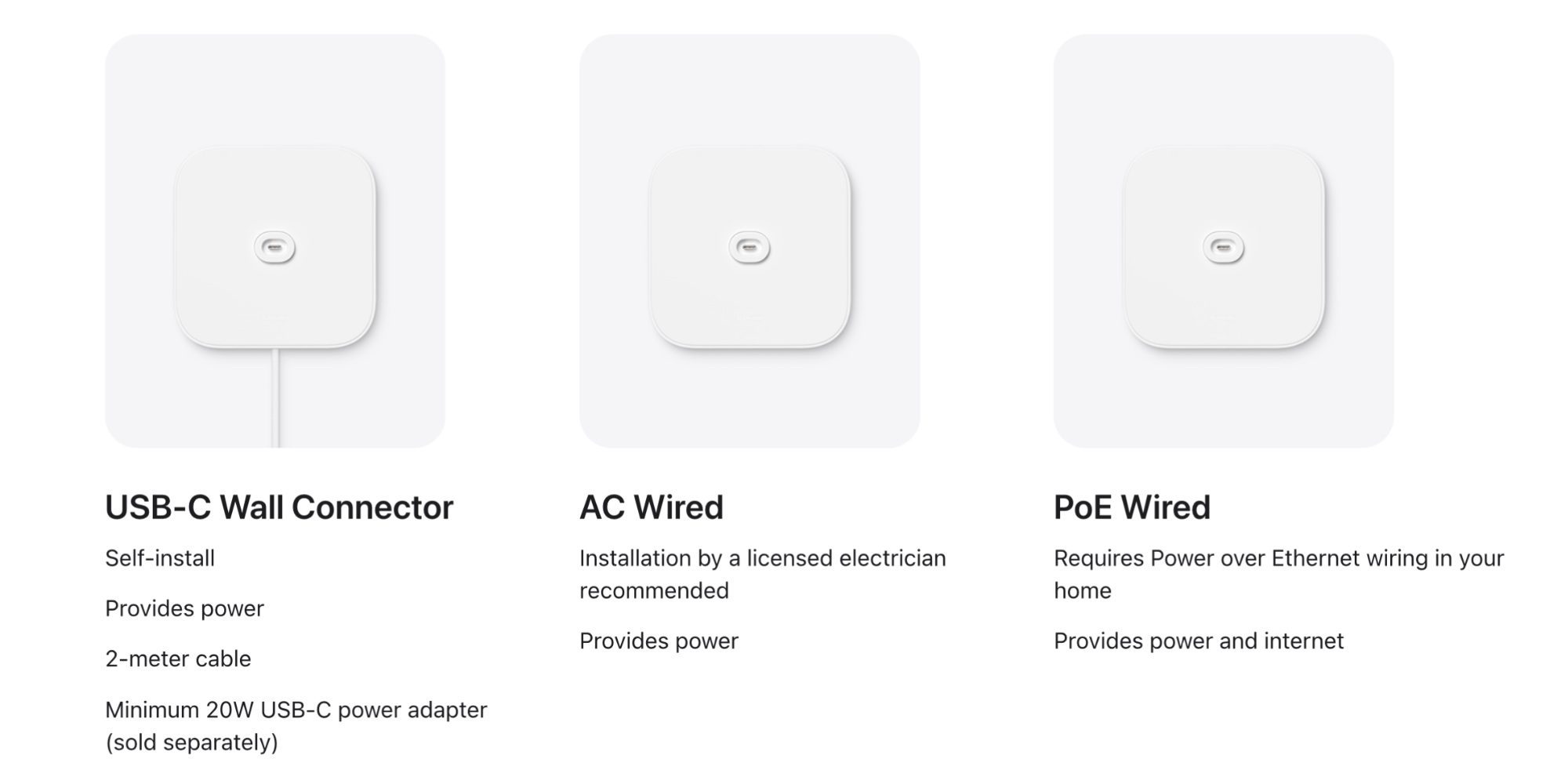
The root of the discrepancy lies in a surprising omission: the wall-mounted HomeView does not ship with a mounting mechanism in the box. Because the hardware fundamentally requires a dedicated physical anchor and power delivery solution to function safely and effectively, buyers are forced to look to third-party accessories. Apple has partnered with home automation specialist Schneider Home to offer a lineup of proprietary mounts starting at an additional $59, with a third variation scheduled to debut in early 2027.
This deep dive examines the anatomy of the HomeView launch, the logistical and financial implications of Apple’s unbundled mounting strategy, consumer reactions, and what this release signals for the future of Apple’s smart home ambitions.
Detailed Chronology
The road to the HomeView announcement has been paved with years of industry speculation, supply chain rumors, and strategic repositioning within Apple’s hardware divisions. For over half a decade, analysts have debated Apple’s strategy to capture the residential smart hub market, which has long been dominated by Amazon’s Echo Show and Google’s Nest Hub lineups.
-
Early 2023–2024: The Rumor Mill and Conceptual Leaks
Reports began surfacing in supply chain circles that Apple was actively prototyping wall-mountable displays running a specialized, lightweight operating system—often referred to internally as "homeOS." Rumors suggested Apple was targeting a dedicated command center market, designed to control HomeKit accessories, facilitate FaceTime calls, and display glanceable widgets. -
Late 2025: Convergence of Smart Home and Entertainment
As Apple refined its strategy, engineers realized that a singular form factor would not satisfy all consumers. While some users wanted a portable or desktop smart display for kitchen counters and nightstands, others demanded a permanent, flush-mounted architectural solution akin to high-end home automation panels from brands like Crestron or Control4. This realization birthed the dual-model strategy: one centered around an acoustic base, the other stripped down for wall installation. -
Today: Official Unveiling and Pre-Order Kickoff
Apple officially announced the HomeView lineup, confirming the $299 price point for both the standard and wall-mounted models. Simultaneously, pre-orders went live across Apple’s online storefront, establishing a firm delivery date of November 13. It was during this rollout that the industry noticed the fine print regarding the wall-mounted version’s lack of bundled hardware. -
Early 2027 Horizon: Expanding the Ecosystem
Alongside the initial hardware drop, Apple confirmed that a third specialized mounting solution—designed for complex retrofits and specialized architectural installations—will arrive in early 2027, further cementing the hardware’s modular installation pipeline.
Supporting Context & Metrics: Breaking Down the HomeView Ecosystem
To understand why the wall-mounted HomeView has sparked discussions regarding hidden costs, one must analyze the hardware breakdown, pricing architecture, and the mechanics of Apple’s partnership strategy.
The Pricing Breakdown
| Model / Accessory | MSRP | Key Features / Notes |
|---|---|---|
| Apple HomeView (Standard) | $299 | Includes enhanced acoustic speaker base; standalone placement. |
| Apple HomeView (Wall Mounted) | $299 | Slimmer profile, reduced internal speaker system; Mount not included. |
| Schneider Home Wall Mount (Standard) | $59 | First-party approved accessory; required for basic installation. |
| Schneider Home Advanced Mount | Varies ($59+) | Articulating and specialized power-routing options. |
| Schneider Home Premium Mount (2027) | TBD | Scheduled for release in early 2027 for architectural integrations. |
The Engineering Trade-Offs
The standard HomeView is built for versatility. It rests on a weighted, acoustically tuned speaker base that delivers rich, room-filling sound suitable for music playback, Siri interactions, and multimedia consumption.
Conversely, the HomeView (Wall Mounted) is engineered to sit flush against drywall or specialized paneling. Because physical space is constrained and audio resonance changes dramatically when mounted flat against a wall, Apple opted to forgo the heavy acoustic chamber found in the standard model. Despite offering less hardware—specifically a less powerful internal speaker configuration—Apple priced the wall-mounted unit identically at $299.
When factoring in the mandatory mounting hardware starting at $59, the total entry cost for the wall-mounted configuration climbs to a minimum of $358 before taxes. For consumers upgrading multiple rooms in a smart home, these unbundled accessory costs compound rapidly.
The Schneider Home Partnership
Breaking from its traditional penchant for strictly proprietary, closed-ecosystem accessories, Apple has tapped Schneider Home to engineer the official mounting solutions for the HomeView. These mounts are designed to integrate cleanly with low-voltage wiring pathways, standard electrical boxes, and surface-mount constraints.
All initial mounting options are currently available for pre-order via Apple’s retail ecosystem, aligning with the November 13 delivery window. However, the reliance on an external manufacturer for critical structural components marks a unique shift in how Apple treats essential installation hardware.
Official Statements & Industry Analysis
Apple’s positioning of the HomeView highlights a deliberate strategy to segment the smart home market by use-case architecture rather than arbitrary tiered pricing. However, the fine print accompanying the product launch has drawn scrutiny from tech analysts and consumer advocates alike.
In its official product documentation and consumer warnings, Apple explicitly states:
“Apple HomeView (Wall Mounted) requires a mount and power solution to operate.”
This simple warning underscores a critical point that many casual buyers might overlook during the initial pre-order rush. Purchasing the wall-mounted device out-of-the-box without an accompanying mount renders the hardware unpluggable and un-installable.
Industry analysts have pointed out the psychological pricing tactic at play. By keeping the headline-grabbing sticker price at $299 for both versions, Apple ensures the wall-mounted model does not appear artificially more expensive at first glance. However, by treating the mounting hardware as an a-la-carte add-on, the company effectively shifts the burden of structural installation costs directly onto the consumer.

"Apple is applying a modular accessory mindset to what is fundamentally an architectural appliance," notes a leading smart home hardware analyst. "While unbundling accessories like power bricks or straps has become common practice in mobile technology, leaving out the structural mount for a wall-exclusive appliance introduces friction for consumers who expect a complete, out-of-the-box solution."
Future Outlook: What HomeView Means for Apple’s Smart Home Strategy
The launch of the HomeView and its intricate mounting ecosystem is widely viewed as a test balloon for Apple’s broader ambitions in the residential automation space. For years, critics have argued that Apple’s HomeKit ecosystem lacked a dedicated hardware focal point—relying instead on iPads repurposed as wall displays via third-party enclosures or iPhones carried from room to room.
By introducing a purpose-built, dedicated operating system and hardware architecture for the home, Apple is signaling that it is ready to compete aggressively with Amazon’s Echo Hub and Google’s Nest ecosystem.
What to Expect Through 2027
- Ecosystem Expansion: As the install base for HomeView grows toward the end of 2026 and into 2027, developers are expected to release specialized homeOS widgets, advanced Matter-compliant integrations, and deeper continuity features linking the display to Apple TV, iPhone, and Mac workflows.
- Third-Party Mount Innovations: With Schneider Home currently anchoring the mounting lineup, other high-end architectural hardware manufacturers may introduce custom enclosures, flush-mount trim kits, and recessed power solutions to cater to luxury smart home installations.
- The 2027 Architectural Mount: The anticipated release of the third mounting variant in early 2027 will likely target professional custom installers, paving the way for HomeView to be integrated into high-end residential construction and commercial boardrooms.
Consumer Takeaway
For prospective buyers looking to pre-order ahead of the November 13 delivery date, careful planning is required. While the $299 price point is an attractive entry barrier for an Apple-branded smart display, consumers eyeing the wall-mounted model must factor in the mandatory $59+ accessory cost to ensure their hardware is operational upon arrival.
As the smart home landscape evolves, the HomeView establishes a new benchmark for Apple’s design language in the residential space—one where architectural integration and modular flexibility come with a distinct, itemized price tag.