The global fashion landscape is currently navigating an unprecedented collision of high-concept nostalgia, institutional restructuring, and cross-industry collaborations. As the industry transitions from the lightweight frivolity of the summer season into the heavier, narrative-driven collections of autumn and winter, a clear thematic thread has emerged: authenticity through unexpected juxtapositions.
At the center of this cultural pivot is a renewed obsession with pop-culture memorabilia transformed into high-fashion streetwear. Led by independent Los Angeles imprint Farmer’s Daughter and entertainment powerhouse A24, the market is witnessing a lucrative renaissance of niche cinematic iconography. Robert Pattinson’s evolving cultural footprint—stretching from his era-defining vampire days to gritty, prestige television dramatizations—has become a cornerstone of modern merch-as-fashion.
Simultaneously, the upper echelons of the luxury sector are experiencing a seismic shift. In what can only be described as a game of creative director musical chairs, legacy houses such as Saint Laurent, Alexander McQueen, Calvin Klein, and Celine are recalibrating their leadership structures. These structural adjustments occur against a backdrop of aggressive marketing campaigns that lean heavily on cross-generational icons—from Cher and Grace Jones to Kris Jenner and SZA—proving that traditional brand ambassadorships are rapidly giving way to deeply personal, multi-generational storytelling.
This report provides a comprehensive, authoritative analysis of the developments shaping the contemporary fashion ecosystem, breaking down the intersection of cinematic merch, luxury labor movements, and retail strategy.
DETAILED CHRONOLOGY
The Cinematic Merch Wave: Primetime and the Robert Pattinson Phenomenon
For the better part of two decades, Robert Pattinson’s visage has occupied a distinct space in youth culture. Ever since the global phenomenon of Twilight swept theaters in 2008, fans have weaponized merchandise as a badge of tribal identity. Hoodies, tracksuits, mugs, and cardboard cut-outs of Edward Cullen became foundational elements of early 2010s internet subcultures.
However, what began as conventional studio merchandising has undergone a sophisticated, high-fashion re-contextualization. Two years ago, high-street giant Bershka launched a Twilight-inspired capsule collection that vanished from online storefronts within hours, sparking an unexpected sartorial revival. This momentum was further accelerated earlier this spring when A24—known for disrupting traditional film marketing—released a coveted, limited-edition zip-up hoodie featuring the combined likenesses of Pattinson and Zendaya to coincide with the release of The Drama.
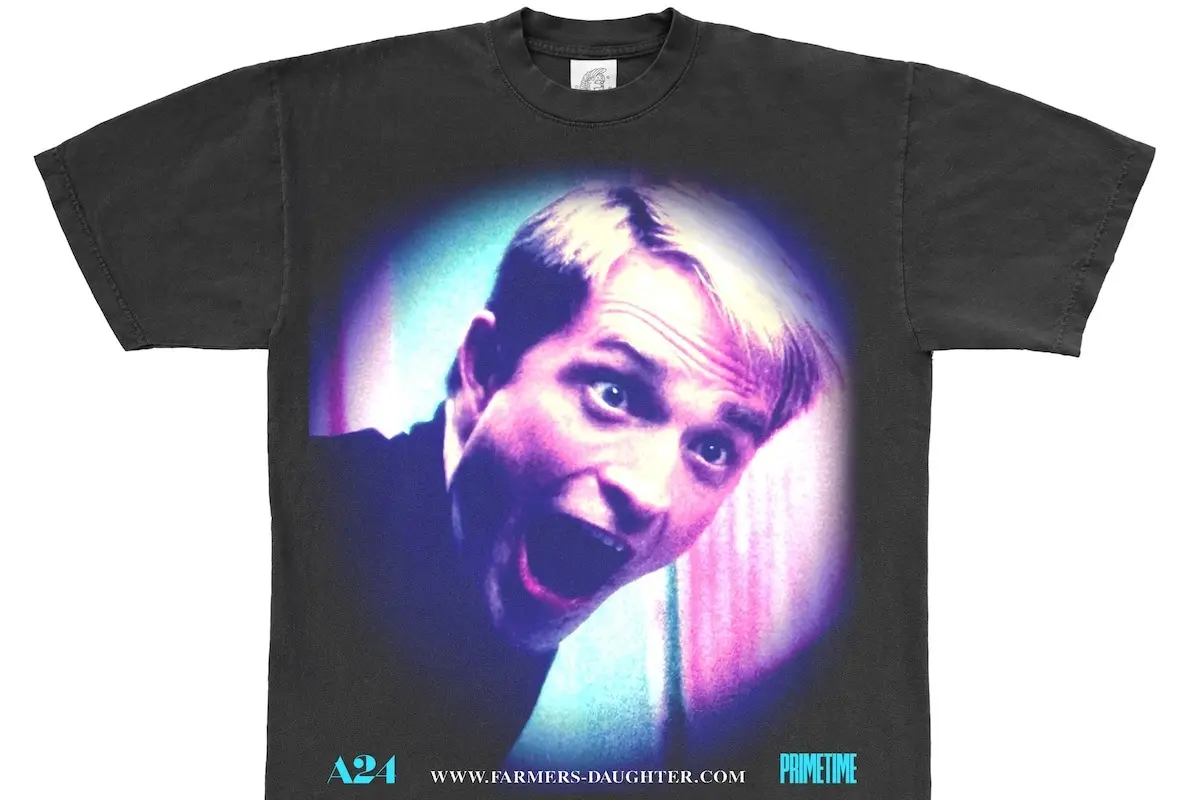
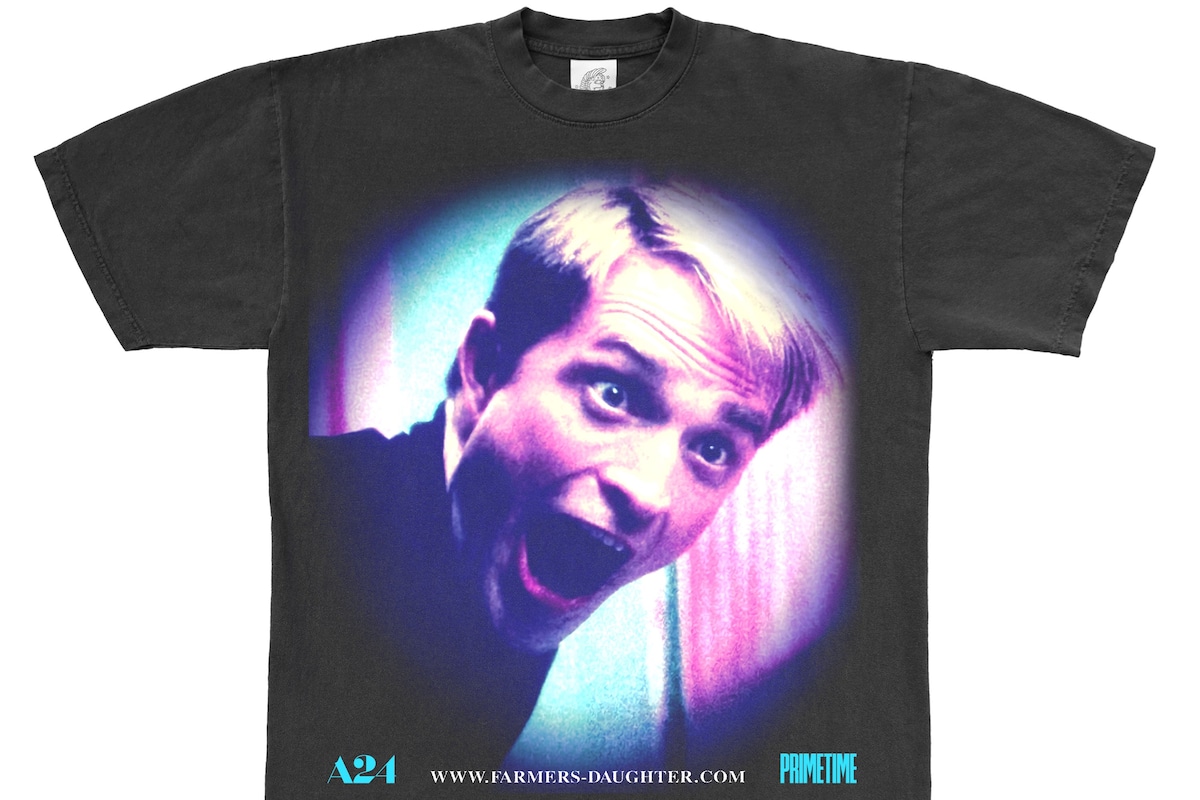
The latest evolution of this trend arrives via an ongoing partnership between A24 and LA-based streetwear label Farmer’s Daughter. Following a collaborative capsule with Dazed, the brand has turned its attention to Primetime, a dark cinematic dramatization of Chris Hansen’s infamous 2006 reality television series To Catch a Predator. The film, slated for UK cinematic release at the end of October, features Pattinson in a startling transformation as the American TV host.
The accompanying fashion collection is a masterclass in tongue-in-cheek streetwear curation. Comprising two graphic T-shirts, a heavyweight hoodie, and a utilitarian raincoat, the drop is stamped with iconic, unsettling dialogue from the film. Most notably, the phrase "YOU KNOW HOW THIS LOOKS, RIGHT?" is emblazoned across the sleeves of the hoodie.
Creative Director Musical Chairs: The Autumn Exodus
While independent streetwear thrives on cinematic irony, the luxury houses of Paris, Milan, and London are experiencing a dramatic house-cleaning at the executive design level. The autumn cycle has been dominated by a rapid succession of creative director departures that signal a broader industry re-evaluation of commercial viability versus artistic vision.
The shifts began with the confirmation that Anthony Vaccarello is stepping down from his long-standing tenure at Saint Laurent. Vaccarello, who defined the modern, sleek, rock-and-roll aesthetic of the Kering-owned French house for nearly a decade, leaves behind colossal shoes to fill.
The departures continued at a dizzying pace. Within a single 24-hour window, both Veronica Leoni and Seán McGirr exited their respective posts: Leoni parting ways with Calvin Klein, and McGirr leaving Alexander McQueen. These high-profile exits underscore the immense pressure placed upon modern creative directors to balance heritage preservation with immediate, digital-first commercial impact in an increasingly volatile global market.
Archives, Collaborations, and Festive Campaigns
Beyond executive shake-ups, the retail calendar is seeing a flurry of milestone celebrations and unexpected partnerships:
Yang Li’s Decade Archive Sale: Beijing-born designer Yang Li is throwing open the doors of his Whitechapel studio in East London to host a massive, public archive sale titled NOTHING EVER ENDS. Marking ten years of his eponymous brand, the designer is purging rare pieces sourced from over 30 distinct collections, offering collectors a rare window into contemporary avant-garde history.
SZA x Vans (Vansza): Musician SZA is solidifying her status as a bona fide fashion heavyweight. Fresh off a front-row appearance at Celine’s SS27 presentation in Paris, her debut collaborative campaign with Vans, photographed by India Sleem and titled Vansza, officially broke cover ahead of an October 22 launch.
Moncler’s Icon Lineup: Moncler continues its legacy of high-impact visual storytelling by enlisting an unprecedented trio of cultural titans—Cher, Grace Jones, and BLACKPINK’s Jennie—to front its new Re/Icons campaign, captured through the lens of Gabriel Moses.
Ferragamo’s Early Holiday Kickoff: Despite the autumn leaves barely turning, Ferragamo has unveiled its festive campaign, The Joy of Loving. Photographed with an emphasis on modern family dynamics, the campaign features matriarch Kris Jenner alongside sibling models Paloma and Sage Elsesser.
Louis Vuitton and Callum Turner: Actor Callum Turner has stepped into the spotlight as the face of Louis Vuitton’s latest Trunk campaign. Styled in Pharrell Williams’ latest offerings for the house, Turner is featured alongside a canine co-star—a Rhodesian Ridgeback—in a campaign that marries luxury travel heritage with whimsical character study.
Margaret Howell’s London Workroom: In a nod to domestic manufacturing and sustainable craft, Margaret Howell has officially opened its new London Workroom. This specialized production space will house expert craftspeople dedicated to continuing the brand’s historic tradition of precision shirtmaking, with the first garments slated to hit shelves this autumn.
SUPPORTING CONTEXT & METRICS
To fully understand the economic mechanics driving these cultural shifts, one must examine the intersection of secondary-market streetwear economics and luxury conglomerate performance metrics.
Brand / Collaboration
Partner / Subject
Key Product Offering
Market Positioning
Farmer’s Daughter x A24
Robert Pattinson (Primetime)
Hoodies, Raincoats, T-Shirts
Niche Streetwear / Cinephile Curation
Vans x SZA
SZA (Vansza)
Footwear & Apparel
Mass-Market Youth Culture / Music crossover
Moncler
Cher, Grace Jones, Jennie
Re/Icons Outerwear
High-End Luxury Outerwear
Ferragamo
Kris Jenner, Elsesser Siblings
The Joy of Loving Holiday Collection
Heritage Italian Luxury
Louis Vuitton
Callum Turner
Pharrell Williams Trunk Collection
Global Luxury Goods Dominance
The valuation of cinematic merchandise has shifted drastically over the past five years. Driven by platforms like A24’s online store and independent labels like Farmer’s Daughter, limited-run cinematic apparel routinely commands secondary-market premiums of 200% to 400% above retail. This scarcity model mimics the drop-culture mechanics pioneered by Supreme and Palace, weaponizing film release dates as artificial deadlines for consumer urgency.
Conversely, the luxury sector’s current leadership instability—exemplified by the departures at Saint Laurent, Alexander McQueen, and Calvin Klein—reflects a cooling period in consumer spending among aspirational luxury buyers. As macroeconomic pressures mount across North America and Europe, conglomerates are forced to re-evaluate creative directions that rely heavily on conceptual runway spectacles rather than high-margin, scalable accessories and core ready-to-wear lines.
OFFICIAL STATEMENTS
Industry leaders and designers have been vocal about the collaborative impulses and operational philosophies driving this season’s most notable releases.
Alix Ross, founder of Farmer’s Daughter, reflected on the creative genesis behind the Primetime capsule collection and the collaborative freedom afforded by independent studio partnerships:
"Actually, what the fuck?" was brand founder Alix Ross’s first response when screening the film. He expanded on the collaboration by noting:
"Lance [Oppenheim] is an amazing filmmaker. Rob [Pattinson] is my favorite actor. I love working with A24. They’re the best, they are always down to support my ideas."
The sentiment highlights a broader industry shift wherein independent apparel designers are granted unprecedented access to intellectual property, bridging the gap between Hollywood film marketing and underground fashion subcultures.
While luxury houses have remained characteristically tight-lipped regarding the sudden departures of their creative directors, industry analysts point to a growing demand for commercial stability. The rapid turnover in major design studios indicates that executive boards are increasingly unwilling to grant multi-season grace periods for creative directors to find their commercial footing in an unforgiving retail environment.
FUTURE OUTLOOK
As the industry looks toward the remainder of the fourth quarter and into the upcoming spring/summer planning cycles, several distinct trajectories are poised to dominate the fashion ecosystem:
1. The Institutionalization of Cinephile Merch
The success of the Farmer’s Daughter x A24 Primetime collection proves that cinema-adjacent streetwear is no longer a passing novelty. Expect major entertainment studios to further professionalize their internal merchandising arms, treating apparel not merely as promotional giveaways, but as genuine, high-margin revenue streams executed through strategic partnerships with credible independent designers.
2. The Stabilization of Luxury Leadership
The wave of departures at Saint Laurent, Alexander McQueen, and Calvin Klein will inevitably lead to a period of cautious appointments. Conglomerates are likely to pivot away from high-risk, radical aesthetic shifts and instead favor seasoned operators who can guarantee steady revenue growth, master brand heritage, and maintain strict control over accessories lines—the traditional lifeblood of luxury balance sheets.
3. Hyper-Targeted Consumer Experiences
Initiatives like Yang Li’s Whitechapel archive sale and Margaret Howell’s new London Workroom signal a growing consumer appetite for transparency, locality, and tactile heritage. As digital fatigue sets in among discerning fashion consumers, physical touchpoints—such as studio open-houses, localized production spaces, and immersive pop-ups—will become crucial tools for cultivating brand loyalty and community engagement.
Ultimately, the autumn style landscape demonstrates that whether through the subversive irony of Robert Pattinson’s face emblazoned across a heavyweight hoodie or the quiet, meticulous craft of a London-made cotton shirt, authenticity remains the ultimate currency in modern design.