Executive Overview
As the sweltering heat of summer slowly begins to yield to the crisp, structural transition of the colder months, the global fashion industry has firmly shifted its gaze toward the horizon of the Autumn/Winter 2026 (AW26) season. While consumers across the globe bid a reluctant farewell to endless sun-drenched evenings, the machinery of luxury fashion has already flooded digital feeds, print editorials, and high-fashion inboxes with the blueprints of next season’s wardrobes.
The AW26 campaign season is defined by a paradoxical blend of high-octane cinematic storytelling and deeply intimate nostalgia. From unexpected 1980s power ballad soundtracks underpinning edgy French luxury to visionary film directors stepping behind the lens for heritage Italian houses, this season’s visual narratives transcend traditional advertising. They are cultural touchstones.
Major houses have pulled out all the stops, recruiting heavy-hitting photographers such as Steven Meisel, David Sims, Inez & Vinoodh, and Juergen Teller, while pairing them with generational muses including Hunter Schafer, Connor Storrie, Teyana Taylor, and Anok Yai. This report provides an exhaustive, authoritative analysis of the defining campaigns shaping the AW26 landscape, mapping out the artistic directions, collaborative milestones, and stylistic shifts dictating the future of luxury storytelling.
Detailed Chronology & Campaign Breakdown
The rollout of the AW26 campaigns has been nothing short of a masterclass in modern digital dominance and heritage positioning. Below is a comprehensive look at the standout presentations defining the season across the world’s most prestigious luxury houses.
1. Saint Laurent: Connor Storrie’s 80s Nostalgia Trip
Kicking off the season with an undeniable cultural splash, Saint Laurent captured the digital zeitgeist last week by placing breakout star Connor Storrie at the center of its latest visual offering. Photographed by Talia Chetrit, the campaign immediately dominated feeds with its raw, magnetic energy.
In a move that caught many critics delightfully off guard, creative director Anthony Vaccarello infused the campaign with an unexpected taste in retro culture. Storrie is seen winking to the camera and rhythmically bobbing his head to Milli Vanilli’s 1989 emotional power ballad, "Girl I’m Gonna Miss You." The juxtaposition of Saint Laurent’s razor-sharp tailoring, decadent leather pieces, and sleek silhouettes against the melancholic pop-soul track creates a jarring yet intoxicating bridge between contemporary luxury and late-20th-century pop culture nostalgia. Chetrit’s flash-heavy, unvarnished photographic style grounds Storrie in a world that feels both hyper-real and cinematic.
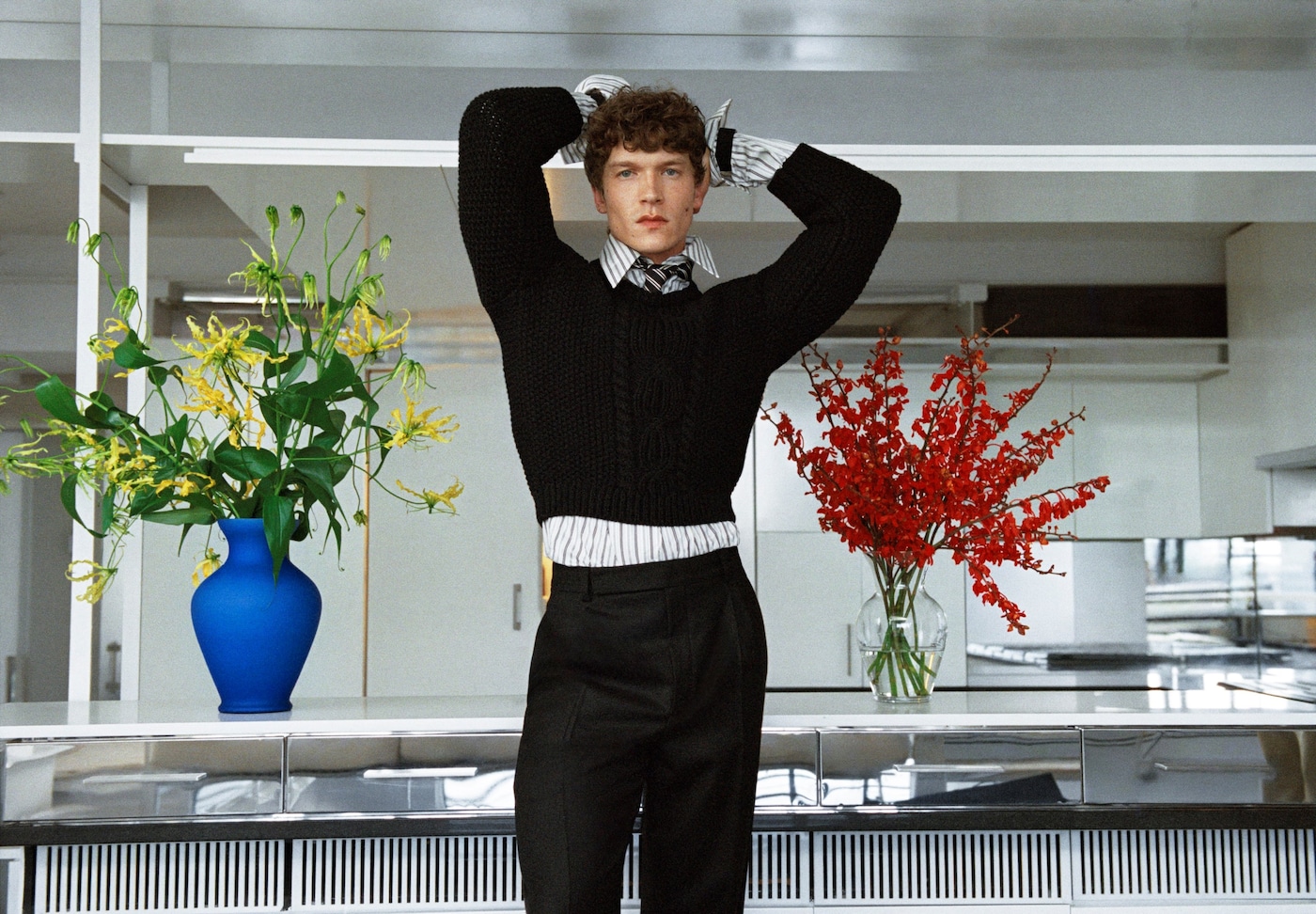
2. Alaïa: Teyana Taylor and David Sims’ Sculptural Elegance
Under the visionary stewardship of Pieter Mulier, Alaïa continues to redefine modern sensuality. For AW26, the house tapped multidisciplinary powerhouse Teyana Taylor, captured through the stark, uncompromising lens of legendary photographer David Sims.
Sims is renowned for his ability to strip away extraneous noise, allowing form, silhouette, and fabric to speak for themselves. In this campaign, Taylor—celebrated as a modern fashion icon—brings an undeniable physicality to Alaïa’s second-skin knits, architectural outerwear, and masterfully draped creations. The interplay between Taylor’s fierce, athletic poise and Sims’ minimalist lighting emphasizes the house’s commitment to celebrating the human form as the ultimate canvas.
3. Versace: Steven Meisel’s Transitional Mastery
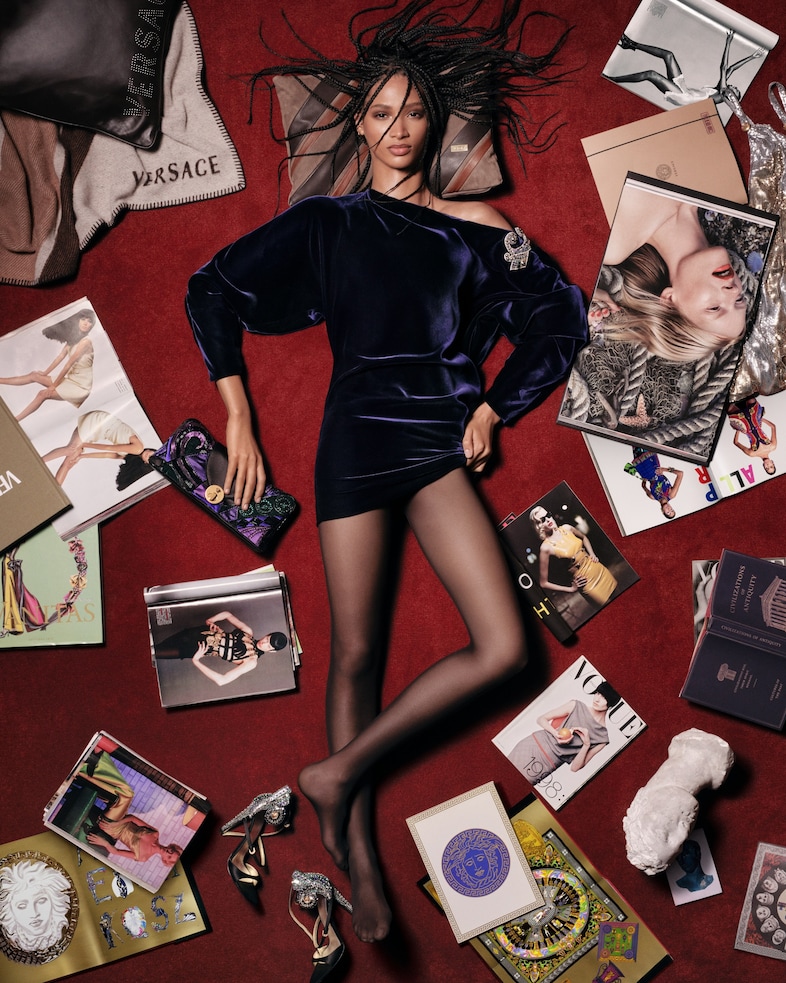
As the fashion world eagerly anticipates the formal arrival of Pieter Mulier at its creative helm, Versace has delivered an interim masterpiece shot by none other than Steven Meisel.
Often referred to as a "layover campaign," Meisel’s work for Versace AW26 bridges eras with characteristic poise. Rather than signaling a complete break from the past, Meisel leans into the house’s storied DNA—bold, unapologetic glamour, commanding tailoring, and an unmistakable aura of confidence. The imagery serves as a crucial visual palate cleanser, maintaining brand momentum while paying homage to the high-voltage aesthetic that has defined Versace for decades.
4. Chloé: Raquel Zimmermann in a Coastal Paradise
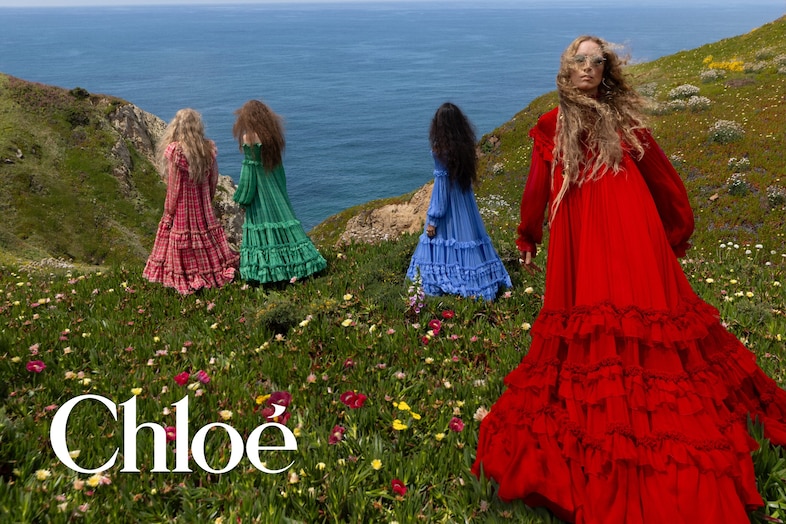
For Chloé, the AW26 season represents a continued exploration of breezy, bohemian romanticism elevated for the modern era. Photographed by the iconic duo Inez & Vinoodh, the campaign transports viewers to a sun-drenched, windswept coastal paradise.
Supermodel Raquel Zimmermann anchors the narrative, embodying the effortless, free-spirited ethos that has come to characterize the label’s recent renaissance. Fluid silks, ruffled hems, and rich leather accessories are set against crashing waves and rugged shorelines. Inez & Vinoodh’s lush, sun-bleached color grading evokes a sense of escapism, offering a warm visual antidote to the impending chill of winter.
5. Ferragamo: Anok Yai and Johnny Dufort’s Modernist Edge
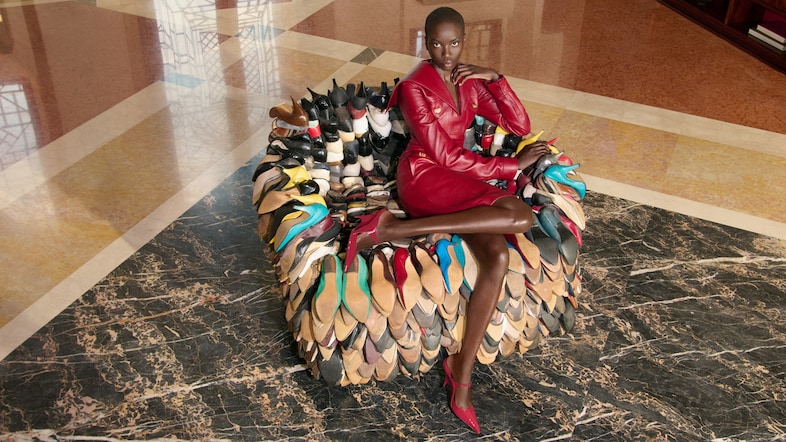
Ferragamo continues its sharp, contemporary reinvention under Maximilian Davis, enlisting photographer Johnny Dufort to capture superstar model Anok Yai for AW26.
The campaign is a study in precise lines, rich jewel tones, and sculptural minimalism. Yai, whose presence in contemporary fashion remains peerless, commands the frame with statue-like grace. Dufort’s clean compositions highlight the meticulous craftsmanship of Davis’s vision, seamlessly blending Hollywood-inflected heritage with a sleek, futuristic sensibility.
6. Burberry: Rosemary Ferguson Through Vitali Gelwich’s Lens
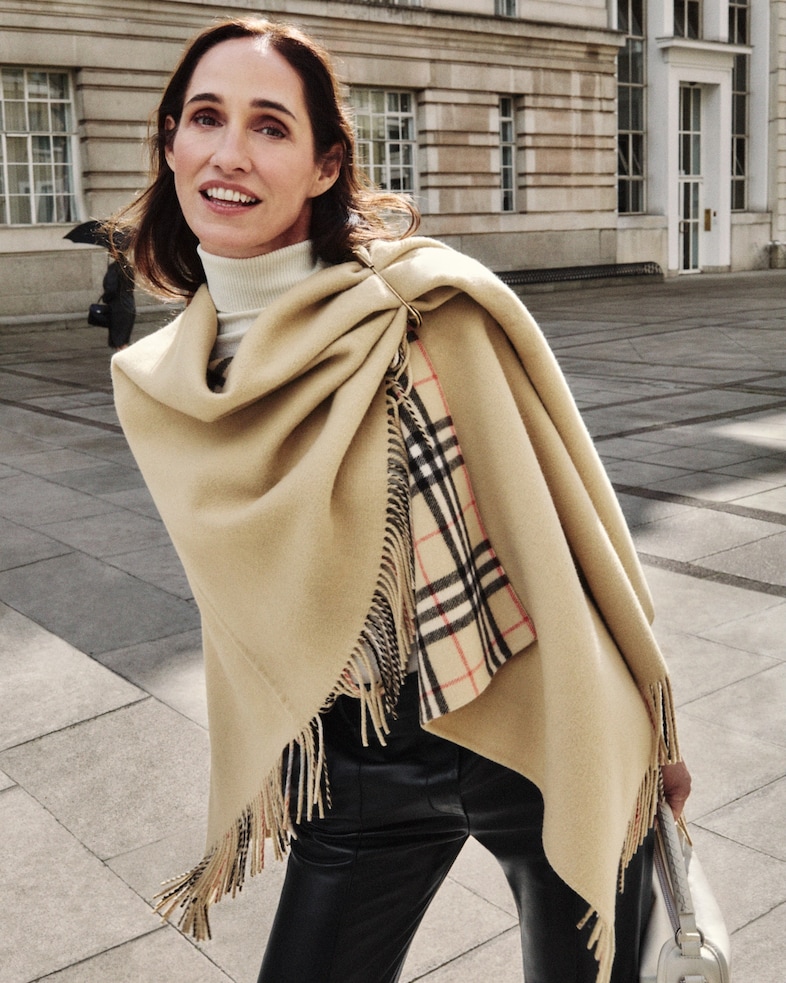
Burberry’s ongoing exploration of British identity takes a gritty, authentic turn for AW26. Shot by Vitali Gelwich, the campaign stars 90s fashion icon Rosemary Ferguson.
By casting Ferguson, Burberry taps into a rich vein of British fashion history while contextualizing it within the brand’s modern narrative. Gelwich’s imagery is moody, rain-slicked, and unmistakably London. Classic trench coats, heavy wool tartans, and rugged outerwear are documented with a documentary-style immediacy, underscoring the brand’s functional roots in unpredictable weather and urban exploration.
7. McQueen: Paloma Elsesser and Glen Luchford’s Dramatic Vision
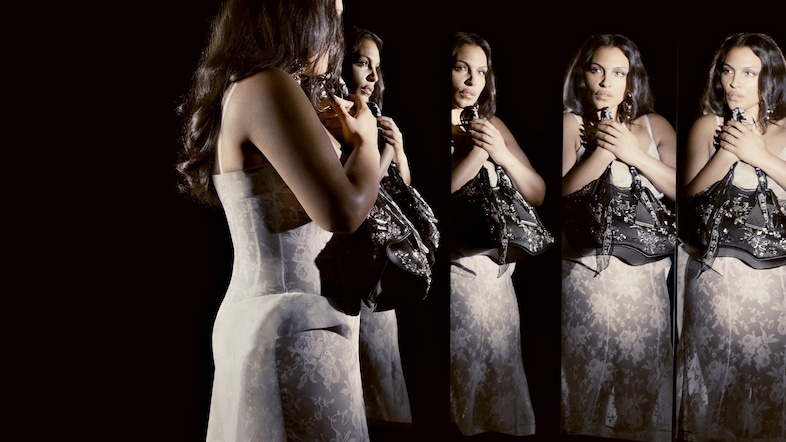
Under the creative direction carrying forward the house’s theatrical heritage, McQueen’s AW26 campaign is a masterclass in dark romance. Photographed by Glen Luchford, the campaign features the magnetic Paloma Elsesser.
Luchford’s cinematic lighting and deep, moody shadow play evoke the gothic romanticism historically synonymous with the McQueen name. Elsesser embodies a fierce vulnerability, draped in structured corsetry, voluminous tulle, and razor-cut tailoring. The resulting images are both haunting and deeply empowering, cementing the brand’s ongoing dedication to emotional and physical drama.
8. Prada: Barry Jenkins Directs Hunter Schafer
Perhaps one of the most anticipated creative pairings of the season is Prada’s AW26 campaign, directed by Academy Award-winner Barry Jenkins (Moonlight, If Beale Street Could Talk) and starring trans icon and fashion muse Hunter Schafer.
In a wide-ranging creative dialogue, Jenkins stepped behind the camera to direct his first-ever fashion campaign. The resulting film and print assets are a triumph of narrative depth. Schafer navigates an ambiguous, highly stylized interior landscape that feels less like a traditional advertisement and more like a psychological short film. Jenkins brings his signature empathetic framing and rich color palettes to Prada’s intellectual, uniform-inspired intellectualism, resulting in a campaign that probes the boundaries of identity, performance, and luxury.
9. Fendi: Jo Ann Callis’s Subversive Intimacy
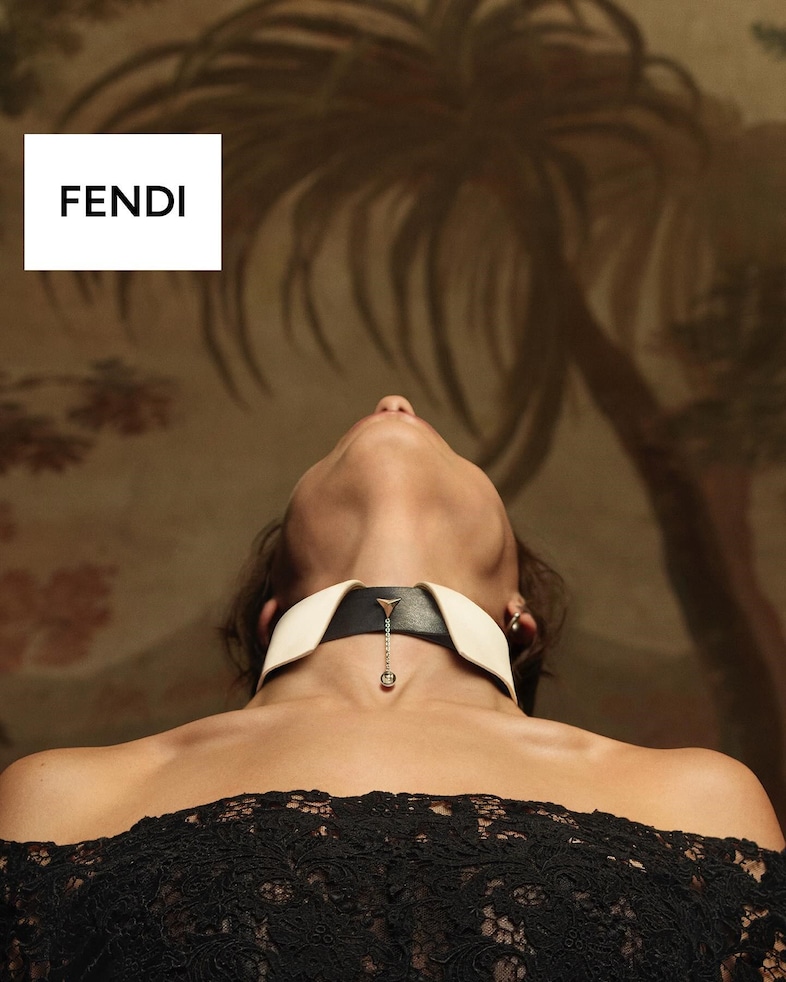
Fendi took an avant-garde approach for AW26, enlisting renowned art photographer Jo Ann Callis. Known for her work exploring color, texture, and domestic surrealism, Callis brings a distinct artistic sensibility to the Roman house’s latest offerings. The campaign plays with domestic spaces, uncanny objects, and tactile leather goods, offering a cerebral visual experience that challenges traditional notions of luxury marketing.
10. Miu Miu: Zoë Ghertner and Hailey Bieber
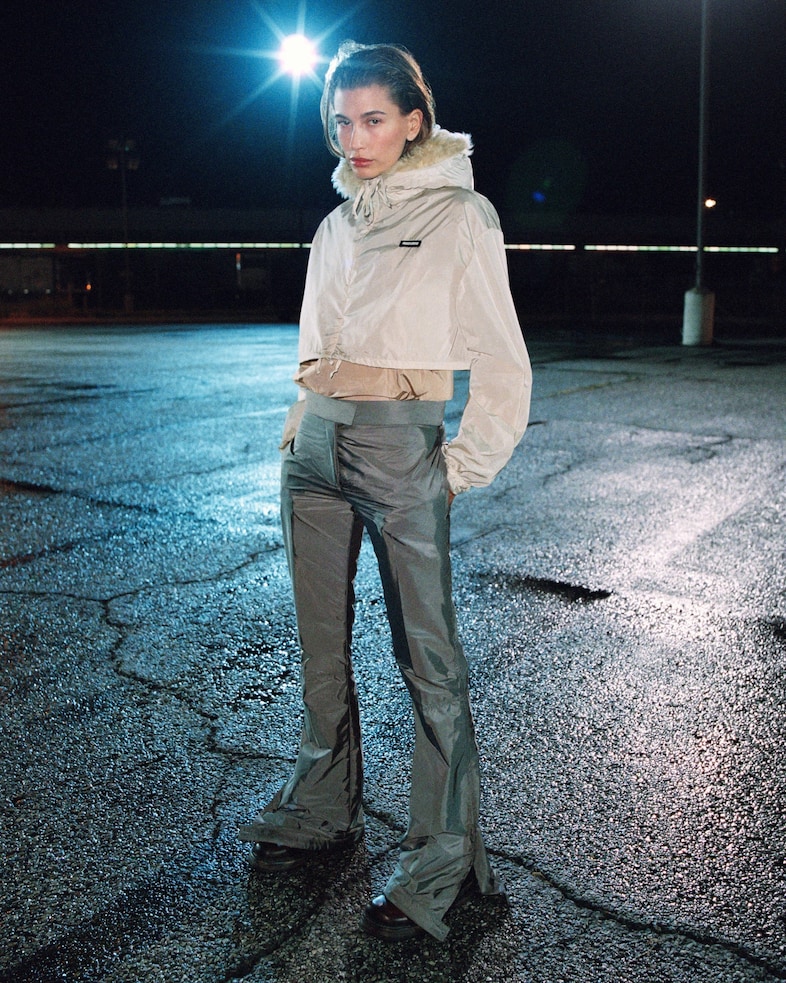
Miu Miu continues its cultural dominance with a campaign shot by Zoë Ghertner, starring Hailey Bieber. Leaning into the brand’s signature subversion of bourgeois codes, Ghertner captures Bieber in schoolgirl-inspired tailoring, layered knitwear, and quirky accessories. The imagery is unpretentious yet highly stylized, striking a chord with the digital-first demographic that has made Miu Miu one of the most commercially successful houses of the decade.
11. Vivienne Westwood & Carhartt WIP: Counter-Culture Icons
Rounding out the season are two powerhouse expressions of subcultural heritage. Vivienne Westwood tapped longtime collaborator Juergen Teller for a campaign dripping with the house’s trademark irreverence, punk heritage, and provocative styling. Meanwhile, Carhartt WIP enlisted photographer Pablo Escudero to capture the rugged, utilitarian authenticity of its workwear-inspired AW26 collection, proving that functional durability remains a cornerstone of contemporary streetwear.
Supporting Context & Metrics: The Shift Toward Cinematic Storytelling
The landscape of luxury fashion advertising has undergone a seismic shift over the past three years. Traditional static print campaigns distributed exclusively through legacy glossy magazines have been almost entirely eclipsed by multi-platform, narrative-driven digital ecosystems.
The Rise of the Auteur Director
As demonstrated by Barry Jenkins’ directorial debut for Prada and the ongoing trend of cinematic short films (such as Saint Laurent’s musical interludes), luxury brands are increasingly behaving like Hollywood studios. According to recent digital media analytics:
- Video Engagement: Campaigns featuring motion-picture elements or narrative-driven video shorts generate an average of 3.4 times higher engagement across Instagram and TikTok compared to standalone static imagery.
- Cross-Disciplinary Collaborations: The recruitment of acclaimed feature-film directors has yielded a 45% increase in earned media value (EMV), as cultural publications outside the traditional fashion sphere cover these campaigns as cinematic events.
Nostalgia as Economic Armor
The heavy reliance on 1980s and 90s cultural touchstones—exemplified by Milli Vanilli needle-drops at Saint Laurent, Rosemary Ferguson at Burberry, and Steven Meisel at Versace—is not merely aesthetic; it is economic strategy. In times of global economic and socio-political uncertainty, luxury houses leverage generational touchpoints that offer emotional resonance and consumer trust. Nostalgia acts as an economic anchor, reassuring consumers through familiar visual codes while modernizing them with cutting-edge silhouettes.
Official Statements & Industry Perspectives
The convergence of high-fashion and cinematic artistry has sparked widespread commentary from the creative minds behind this season’s campaigns.
Discussing his transition from narrative cinema to luxury advertising, Oscar-winning director Barry Jenkins noted in a recent interview:
"Working with Prada and Hunter Schafer allowed me to explore character study in an entirely compressed format. A fashion campaign doesn’t need two hours to tell a story; it needs to evoke a complete emotional architecture in a single frame or a thirty-second movement. The precision required is staggering, but the artistic freedom was absolute."
Reflecting on the overarching ethos of the AW26 season, prominent fashion critic and historian Dr. Aris Thorne observed:
"What we are witnessing in AW26 is the ‘Hollywoodization’ of the runway. Brands are no longer selling garments; they are selling cinematic universes. When you cast figures like Connor Storrie, Teyana Taylor, and Hunter Schafer—individuals who carry distinct, powerful cultural narratives—you aren’t just putting clothes on bodies. You are authoring contemporary mythologies."
Future Outlook: What AW26 Signals for the Industry
As the AW26 campaign rollout reaches its peak and physical retail spaces prepare to transition their window displays for the colder months, several clear trajectories emerge for the future of luxury fashion:
- The Death of the Purely Static Campaign: Brands that rely solely on traditional studio portraiture are increasingly finding themselves sidelined in digital discourse. The baseline requirement for a successful luxury campaign now includes moving-image assets, behind-the-scenes documentary footage, and immersive digital activations.
- Director-Driven Brand Identity: Expect to see more luxury houses partnering with independent filmmakers and auteur photographers rather than relying on internal marketing teams. The blurring of lines between cinema, art photography, and commercial fashion will only accelerate.
- Authenticity in Casting: The industry’s embrace of multi-hyphenate talents—musicians like Teyana Taylor, actors like Connor Storrie, and cultural icons like Hunter Schafer—proves that consumers demand emotional authenticity. Models who embody distinct intellectual or artistic viewpoints will continue to outperform traditional, anonymous hangers.
Ultimately, the AW26 season proves that while the weather may be cooling down, the creative output of the global fashion industry is hotter, bolder, and more cinematically ambitious than ever before.