Executive Overview
The global fashion landscape for the Autumn/Winter 2026 (AW26) season is undergoing a profound cultural recalibration. As luxury conglomerates and independent houses alike navigate shifting consumer expectations and a post-digital fatigue, the traditional playbook of glossy, hyper-curated advertising campaigns is giving way to narratives anchored in authenticity, community, and personal provenance.
While previous cycles prioritized algorithmic perfection and astronomical reach, the AW26 campaign season—unfolding through September 2026—demonstrates a pivot toward raw, unvarnished intimacy. Brands are no longer just selling garments; they are curating worlds of human connection, historical homage, and ideological defiance.
This report provides a comprehensive analysis of the most significant developments across the international fashion ecosystem. From Ami Paris leaning into its literal nomenclature by casting designer Alexandre Mattiussi’s closest friends, to Palm Angels, DKNY, and Desigual redefining the boundaries of cinematic nostalgia and counter-cultural rebellion, the industry is signaling a return to tangible roots. Concurrently, structural shifts within creative agencies like Huxley illustrate that the infrastructure supporting these talents is evolving in tandem with the aesthetics on display.
Detailed Chronology & Campaign Breakdown
Ami Paris: The Power of Proximity
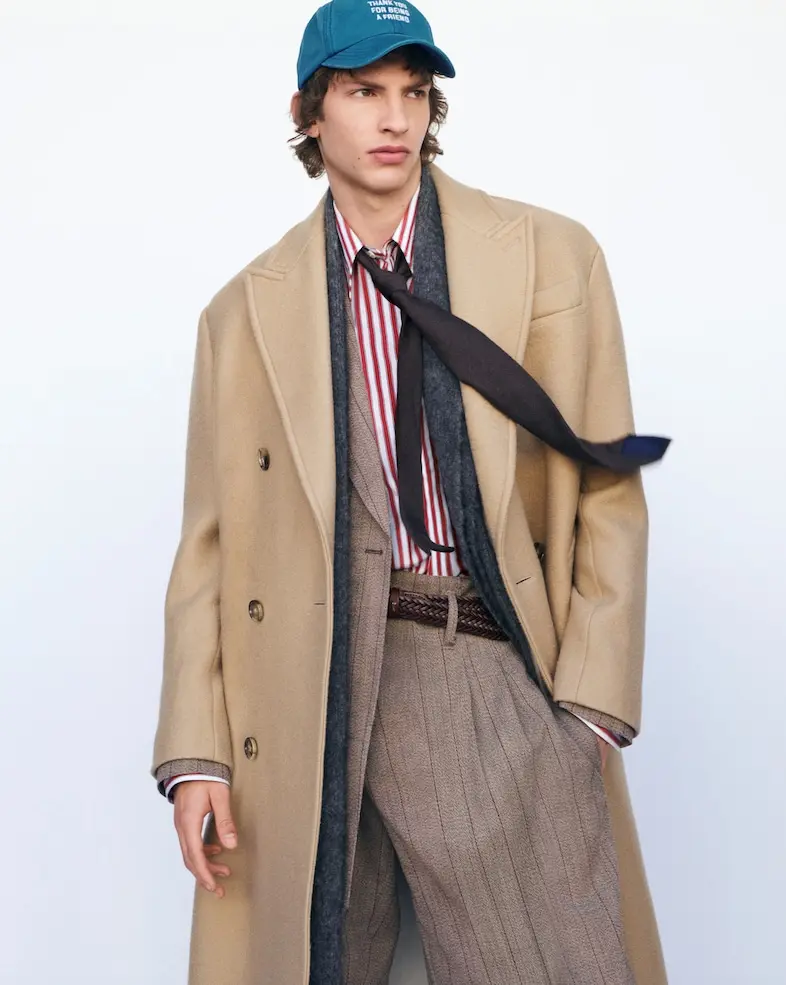
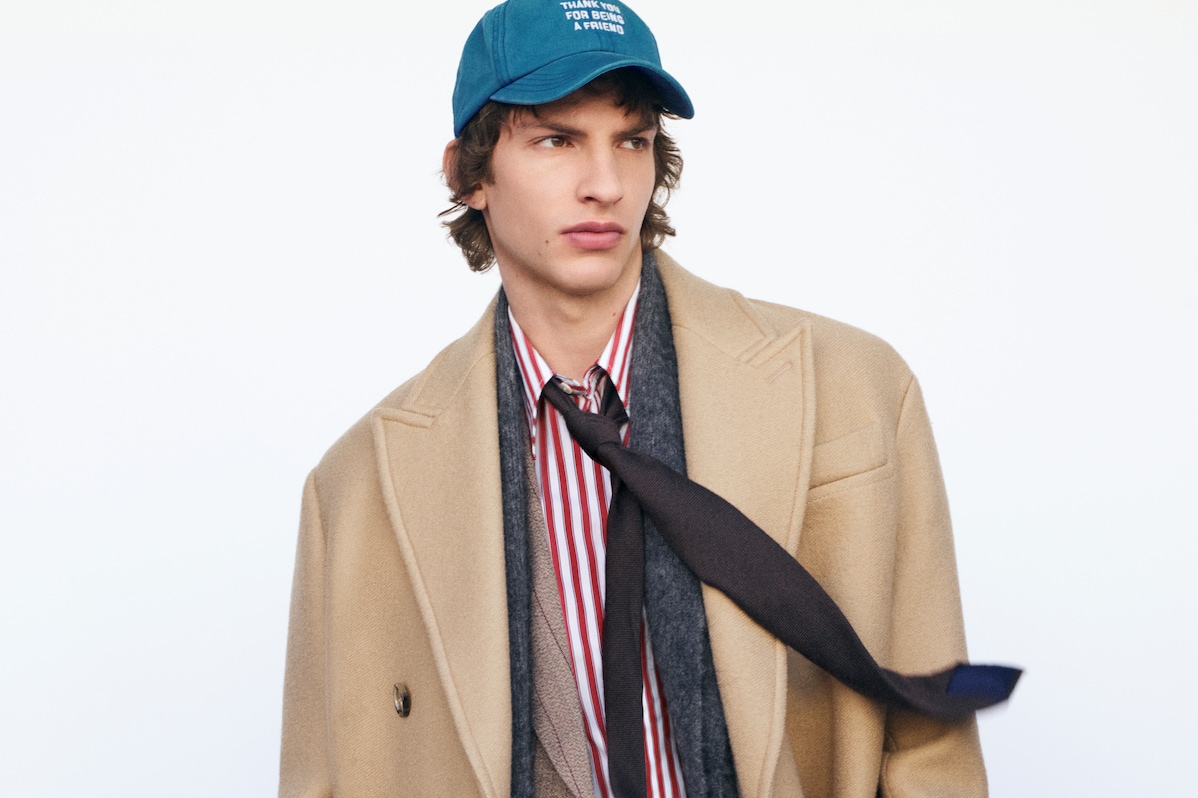
Building upon a robust opening week of AW26 reveals that featured heavyweights like Saint Laurent and Alaïa, Ami Paris delivered a masterclass in organic storytelling. For its AW26 campaign, founder and creative director Alexandre Mattiussi looked inward, bypassing traditional model casting agencies to honor the real people who fuel his creative vision.
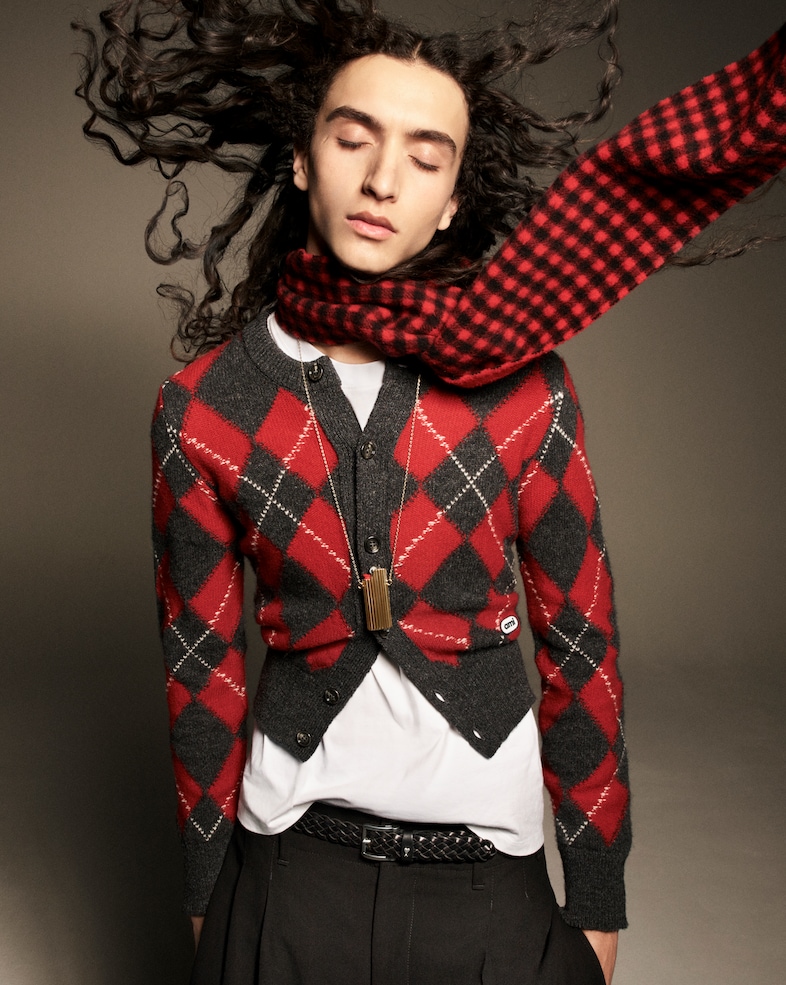
Captured through the lens of acclaimed photographer Karim Sadli, the campaign features an ensemble cast composed entirely of former Ami runway walkers who also happen to be Mattiussi’s personal confidants. The roster includes Rebecca Leigh, Saskia De Brauw, George Anderson, Jia Jingwen, Dara Gueye, Mack Karpes, Elliot Belot, and Mohamed Benhadda. Rather than striking rigid, calculated poses, the subjects are caught mid-gesture in spontaneous, almost off-guard frames.
The rationale is deeply poetic: given that "Ami" translates to "friend" in French, the campaign actualizes the brand’s foundational ethos. It posits that true luxury in 2026 is not about exclusivity derived from distance, but rather the warmth of community.
Palm Angels: Lost Frames and Cinematic Memory
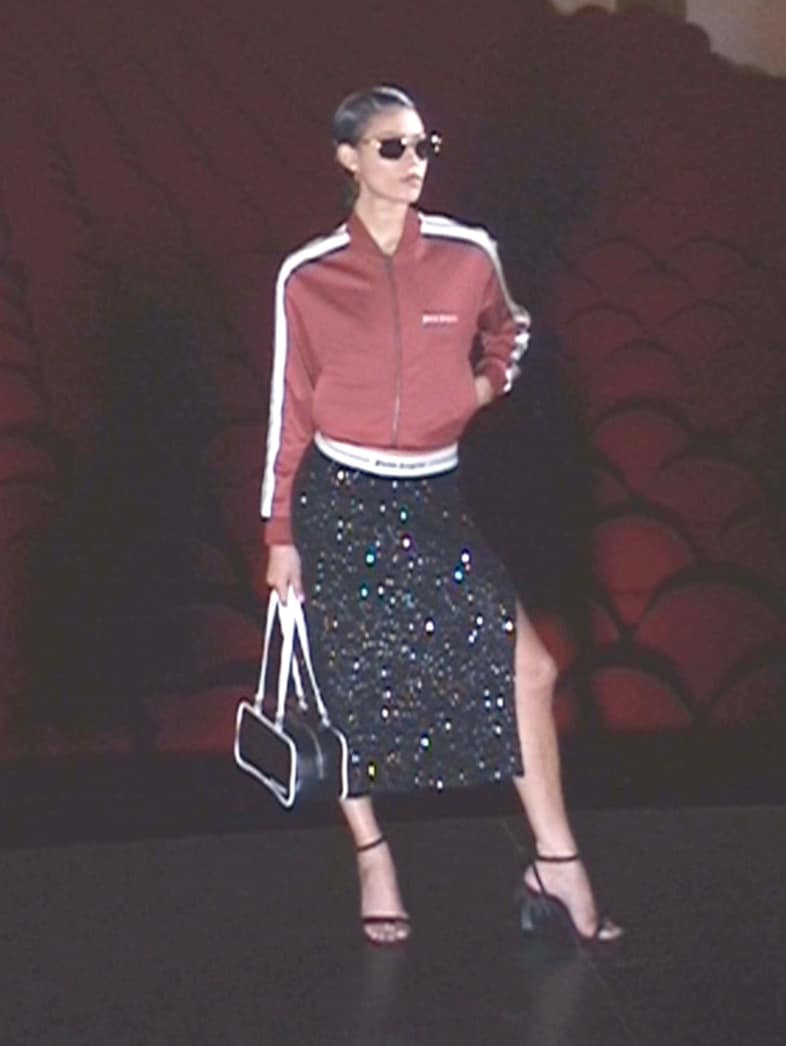
Joining the upper echelon of AW26 campaigns is Italian luxury streetwear pioneer Palm Angels, which unveiled Lost Frames. Photographed by Sharna Osbourne and Van Khokhlov inside a cavernous, historic theatre, the campaign explores the intersections of cinema, memory, and physical reality.
By utilizing the dramatic architecture of a deserted auditorium, the imagery suspends the viewer in a liminal space between narrative fiction and documentary memory. The collection pieces—steeped in Palm Angels’ signature subcultural codes—are framed as costumes for an unfolding psychological drama, capturing a mood that is both haunting and deeply evocative.
DKNY, Desigual, and Gimaugas: The New Guard of Personal Identity
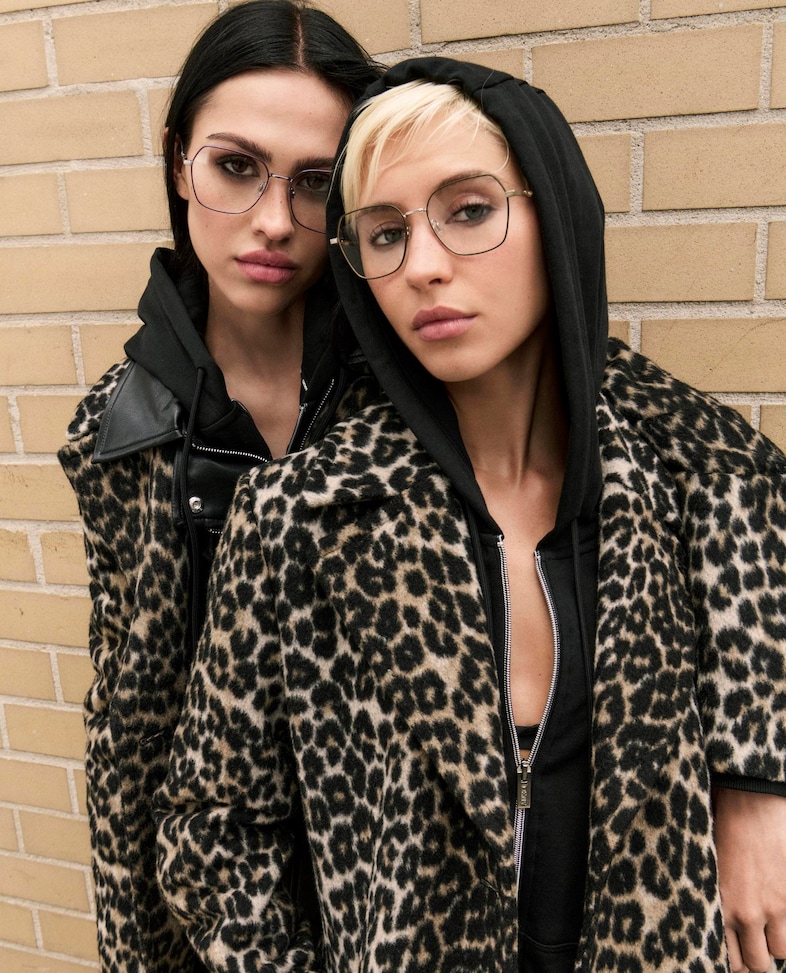
New York heritage brand DKNY tapped the undeniable cultural capital of "It girls" Amelia Gray and Iris Law to anchor its AW26 initiative. Shooting her second campaign for the label alongside Law, Gray emphasized a dual approach to modern metropolitan dressing. "Shooting my second DKNY campaign, now with my friend Iris, was all about channeling the looks in our way while creating a double expression of personal style," Gray noted.
Across the Atlantic, Spanish label Desigual recruited former Dazed cover star Vivian Wilson as the face of its AW26 campaign, titled "Born to Disobey". The accompanying manifesto champions a timely ideological stance:
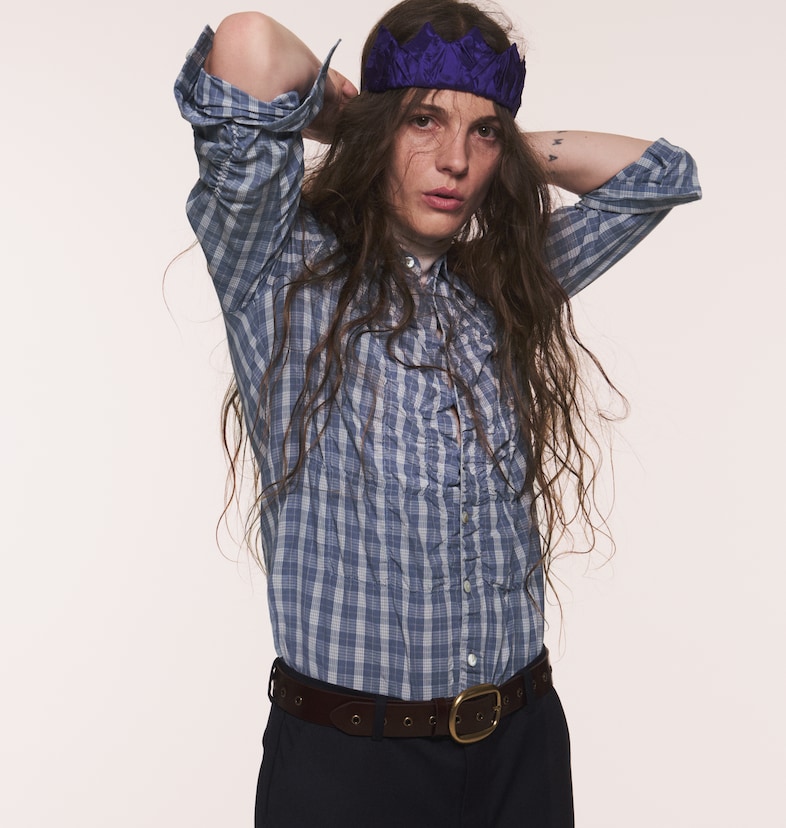
"The greatest rebellion is no longer about fighting against the system but about refusing to be part of it. In an environment where technology and artificial intelligence seem to lead the way, authenticity remains the most disruptive gesture."
Meanwhile, the unstoppable rise of alternative pop sensation Sophia Stel continued unabated. Following high-profile turns for Palace, Stel was tapped by Spanish imprint Gimaugas to front its latest campaign. Having already walked for avant-garde powerhouses like Ann Demeulemeester, Stel’s trajectory cements her status as fashion’s most compelling modern muse, with industry insiders already speculating on an impending Miu Miu exclusive.
Supporting Context & Metrics
The visual narratives of AW26 do not exist in a vacuum; they are reinforced by broader structural movements across music, entertainment, and archival fashion discourse.
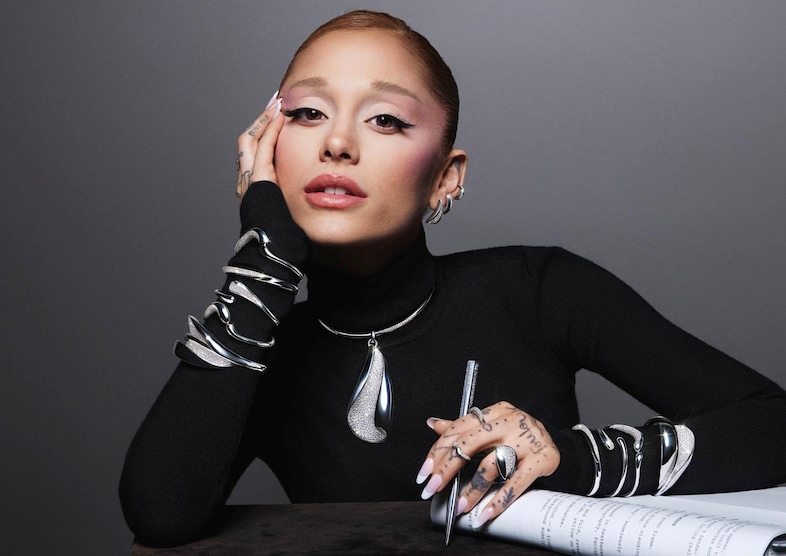
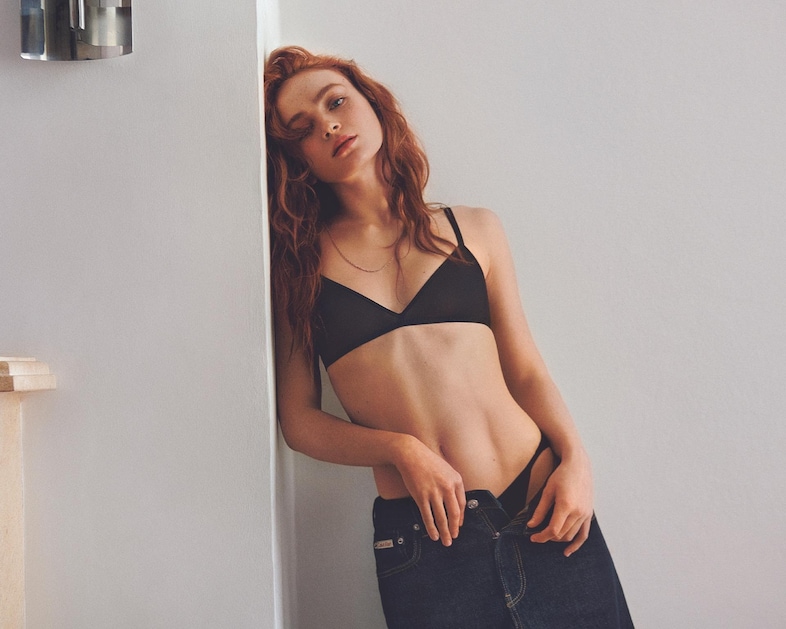
- Celebrity Continuity and High-Impact Retail Collaborations: Ariana Grande maintained her stranglehold on luxury jewelry visibility by fronting Swarovski’s new 29-piece Classica collection (comprising pendants, bracelets, rings, and earrings) hot on the heels of her sold-out London O2 Arena residency. Simultaneously, Calvin Klein swapped last week’s focus on Tate McRae for Stranger Things breakout star Sadie Sink, who fronts the "Feel the Fit" denim campaign directed and photographed by Dazed contributor Aidan Zamiri.
- Cultural Philanthropy and Archival Exhibitions: In California, pop superstar Olivia Rodrigo hosted her inaugural Daisy Chain Fields festival, raising an unprecedented $20 million for women’s charities. Featuring an all-female lineup that included Doechii, Chappell Roan, and Stevie Nicks, the festival was notably supported by Loewe. The Spanish luxury house backed the event’s Grrrl Germs exhibition—a tribute to punk feminism and the Riot Grrrl movement—which previewed at the festival and runs through November at the Grant Park gallery.
- Exhibition Realignments: The fashion world was also forced to pivot following the unexpected cancellation of the upcoming John Galliano Met retrospective in New York. While curators contemplate alternative themes—ranging from Goth lineages to Y3K aesthetics—institutions like Tate Britain are stepping into the void. Edward Enninful’s anticipated exhibition, The 90s, which explores the collision of art, fashion, and cultural iconography (featuring figures like Kate Moss), remains one of the most eagerly awaited cultural moments of the year.
Official Statements & Industry Analysis
The pivot toward authentic relationships and human-centric infrastructure is further exemplified behind the scenes. London-based creative agency Huxley, founded by industry titan Anna Meacham, announced a major expansion into creative management.
Long celebrated for managing some of contemporary music’s most disruptive talents—including Frank Ocean, fakemink, Charli xcx, Lorde, Oklou, and Skepta—Huxley is formally extending its rigorous management model to visual and spatial creators. The newly integrated roster features elite stylists Edda Gudmundsdottir, Alexandra Cronan, and Kate Foley; hair stylist Jacob Kajrup; creative powerhouse Zak Group; make-up artists Marcelo Gutierrez and Mata Mariéele; casting director Najia Li Saad; and photographer Jebi Labembika.
This structural expansion reflects a larger industry truth: as brands demand more cohesive, narrative-driven campaigns that resonate beyond traditional advertising spaces, the machinery behind the imagery must be as agile and culturally fluent as the artists themselves.

Future Outlook
As the industry looks toward the remainder of 2026 and anticipates the Spring/Summer 2027 cycle, several macro-trends are crystalizing:
- The Death of Algorithmic Uniformity: The overwhelming success of Ami Paris’s friendship-driven casting and Desigual’s anti-system manifesto indicates that consumers are rejecting sterile, AI-assisted perfection in favor of flawed, human-centric storytelling.
- Interdisciplinary Talent Management: Agencies like Huxley are setting a new precedent. The boundaries between music management, fine art curation, and fashion styling are dissolving, requiring agents to act as holistic career architects rather than mere booking agents.
- Purpose-Driven Luxury: Philanthropic integration—as demonstrated by Loewe and Olivia Rodrigo’s Daisy Chain Fields partnership—is no longer a peripheral marketing tactic. It is rapidly becoming an expectation for brands wishing to maintain cultural relevance among politically and socially conscious consumer bases.
Ultimately, the Autumn/Winter 2026 season will be remembered as the moment fashion stopped trying to impress the algorithm and started talking directly to its friends.