Executive Overview
The personal computing landscape has crossed a critical threshold, shifting from user-driven application interaction to agentic orchestration. When OpenAI introduced Codex as part of its desktop ecosystem, it was widely received as a sophisticated tool for programmers—a generational leap for software engineers writing boilerplate code or debugging complex repositories. Yet, the broader implications of agentic coding extend far beyond traditional software development.
Over the past several months, a quiet revolution has taken place among non-technical professionals. Writers, researchers, and creative workers are no longer passive consumers of pre-packaged software. Armed with natural language prompts and advanced desktop integration tools like OpenAI’s Computer Use plugin, non-programmers are crafting bespoke macOS applications tailored to their precise workflows.
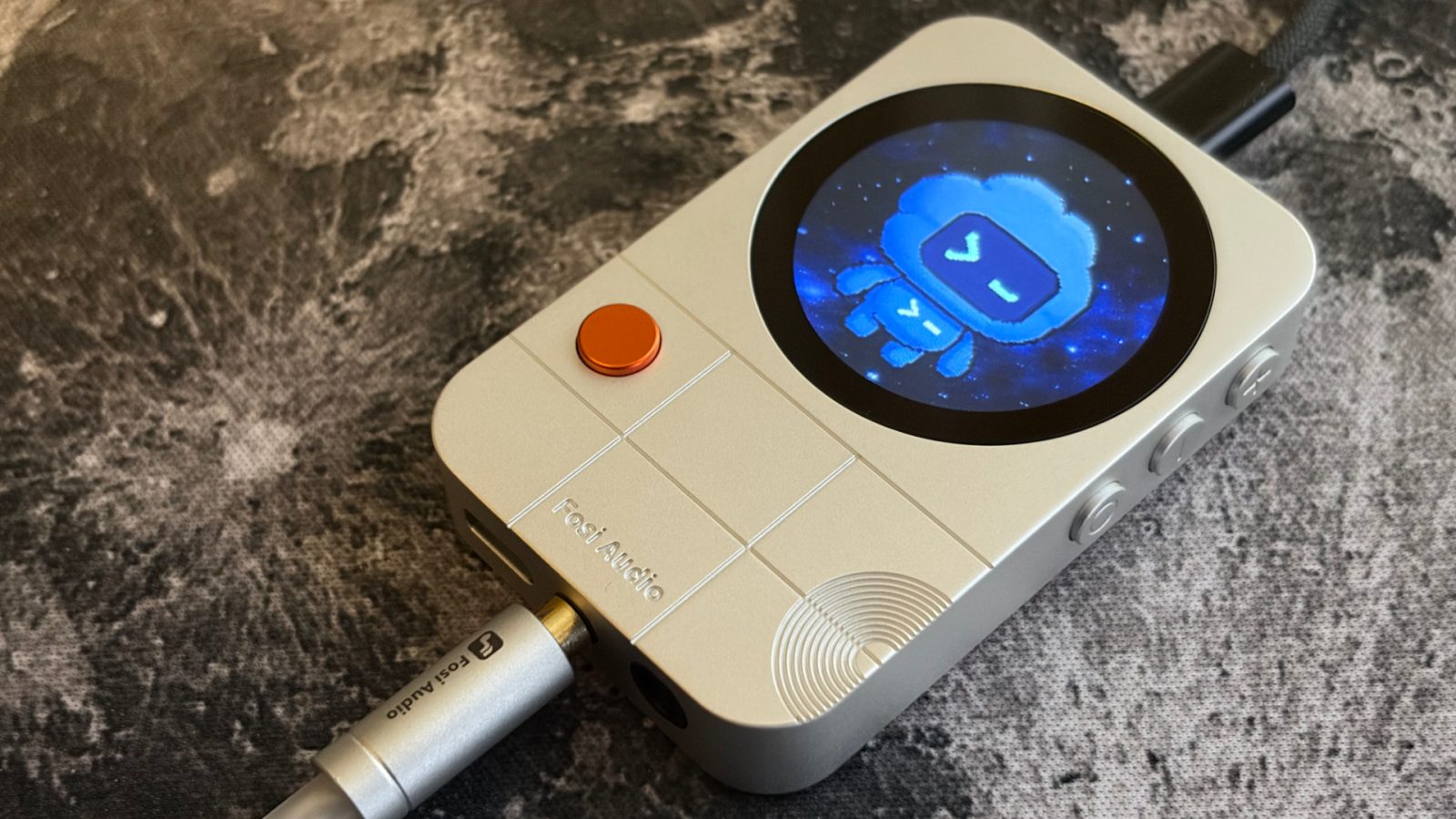
This transformation mirrors the early days of generative text models in 2023, but with a profound twist: instead of merely generating prose or analyzing data, users are now deploying AI to architect, compile, and deploy functional software directly onto their machines. This comprehensive review examines the cultural and technical shift sparked by Codex for Mac, tracing its lineage from early iOS automation experiments to the modern era of natural language software creation, and exploring what this democratization of coding means for the future of human-computer interaction.
Detailed Chronology: From Workflow to the Codex Revolution
To understand how a writer could transition from struggling with rigid automation scripts to independently building customized Mac apps, one must trace the lineage of modern automation paradigms. The journey of software accessibility is marked by key milestones that bridge the gap between human intent and machine execution.
The Genesis of Mobile Automation: Workflow (2014)
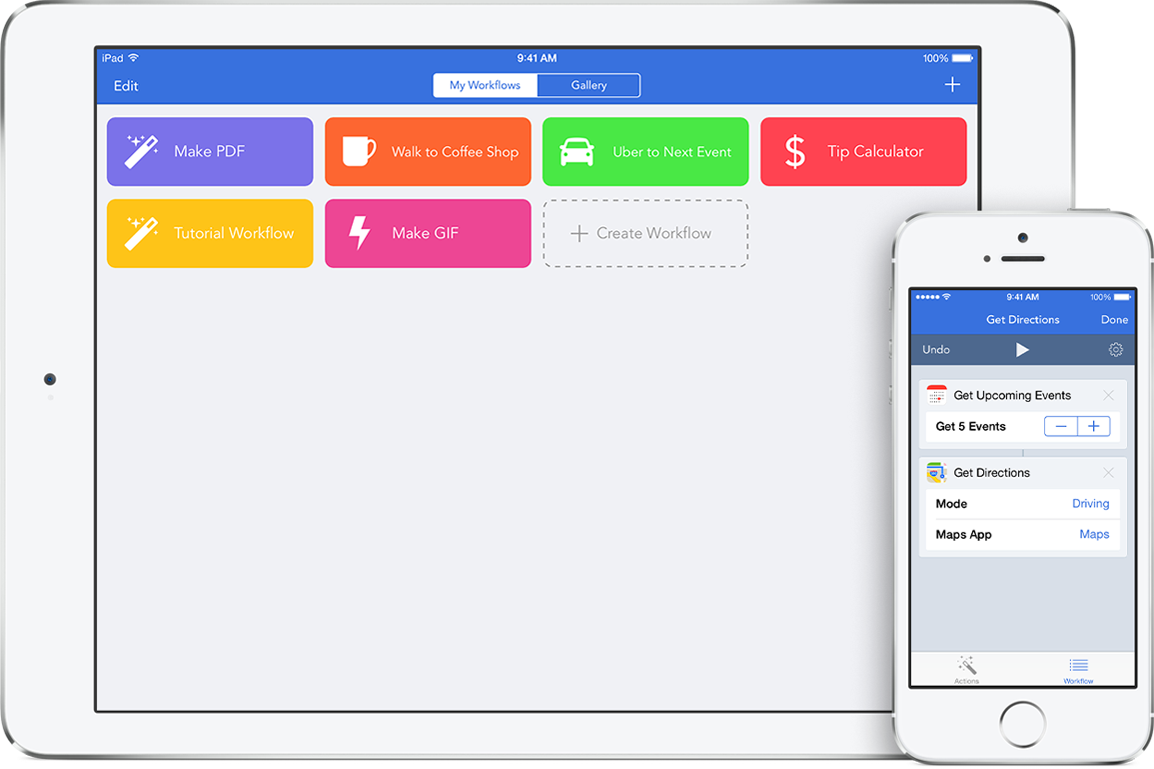
In December 2014, developers Ari Weinstein, Ali Talib, and Conrad Kramer released Workflow for iOS 8. Billed as an Automator-like experience for the iPhone and iPad, the app allowed users to chain together discrete actions—such as grabbing images from a webpage, resizing them, and sending them via email—into reusable visual scripts.
For the first time, complex automation was brought to a mobile operating system. Recognizing its potential to empower everyday users, Apple acquired Workflow in March 2017 and subsequently made the application free. By 2018, the core technology was deeply integrated into iOS 12 as Apple Shortcuts, establishing a foundation for visual, block-based programming on mobile devices.
The AI Pivot and the Birth of Sky
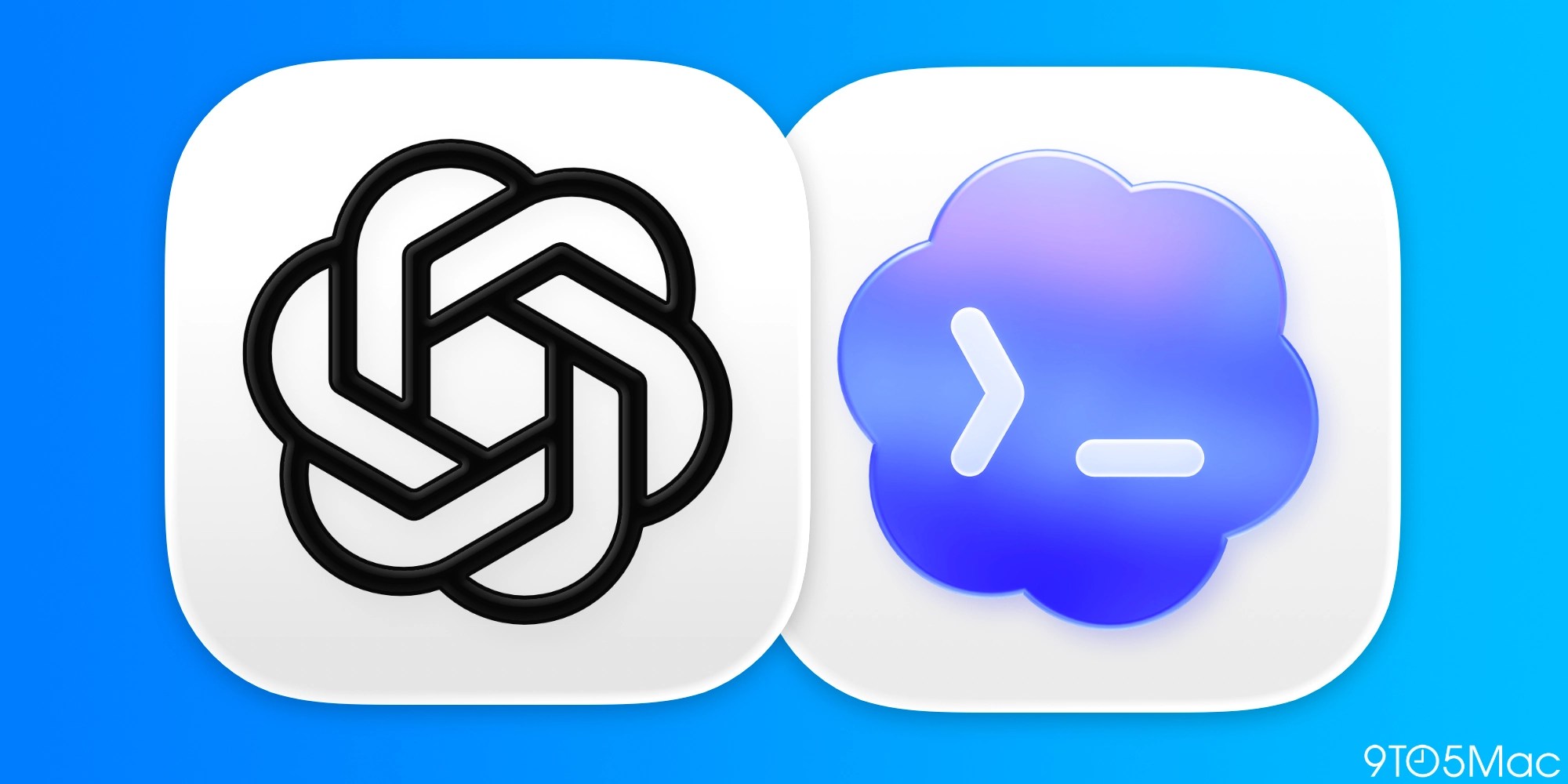
Following their tenure at Apple, Weinstein and key members of the original Workflow team departed to found Software Applications Incorporated. Their vision was to build a modern, context-aware AI assistant specifically engineered for the Mac, codenamed Sky.
Although Sky previewed a frictionless future of natural language machine control, it never saw a public commercial release. Instead, OpenAI acquired the startup’s engineering team in October 2025, absorbing their deep expertise in system-level automation and user interface integration.
The Integration of Computer Use (April 2026)
That acquisition bore fruit in April 2026, when OpenAI rolled out a major update to Codex for Mac, introducing the groundbreaking Computer Use plugin. Spearheaded by the former Workflow team, Computer Use gave Codex the ability to see, click, and type within native macOS applications using its own dedicated cursor.
Operating asynchronously in the background, the agent could navigate menus, manipulate files, and execute multi-step tasks while the user continued working uninterrupted. For many early adopters, this inherited lineage of automation veterans provided an essential baseline of trust. Moving past the intimidating command-line interfaces of traditional coding, users were suddenly equipped with an agent that understood the visual context of the operating system.
Supporting Context & Metrics: Building the Modern Non-Technical Stack
For non-programmers, breaking past the psychological barrier of software development requires approachable entry points. For many, that gateway arrived in the form of iterative, low-stakes interactions—such as toy-like experimental features within Codex that demystified the code-generation process.
Once the initial intimidation faded, users quickly realized that standard productivity applications could no longer compete with hyper-personalized tools built entirely on demand.
Case Study: Flow and the Death of Legacy Workflows
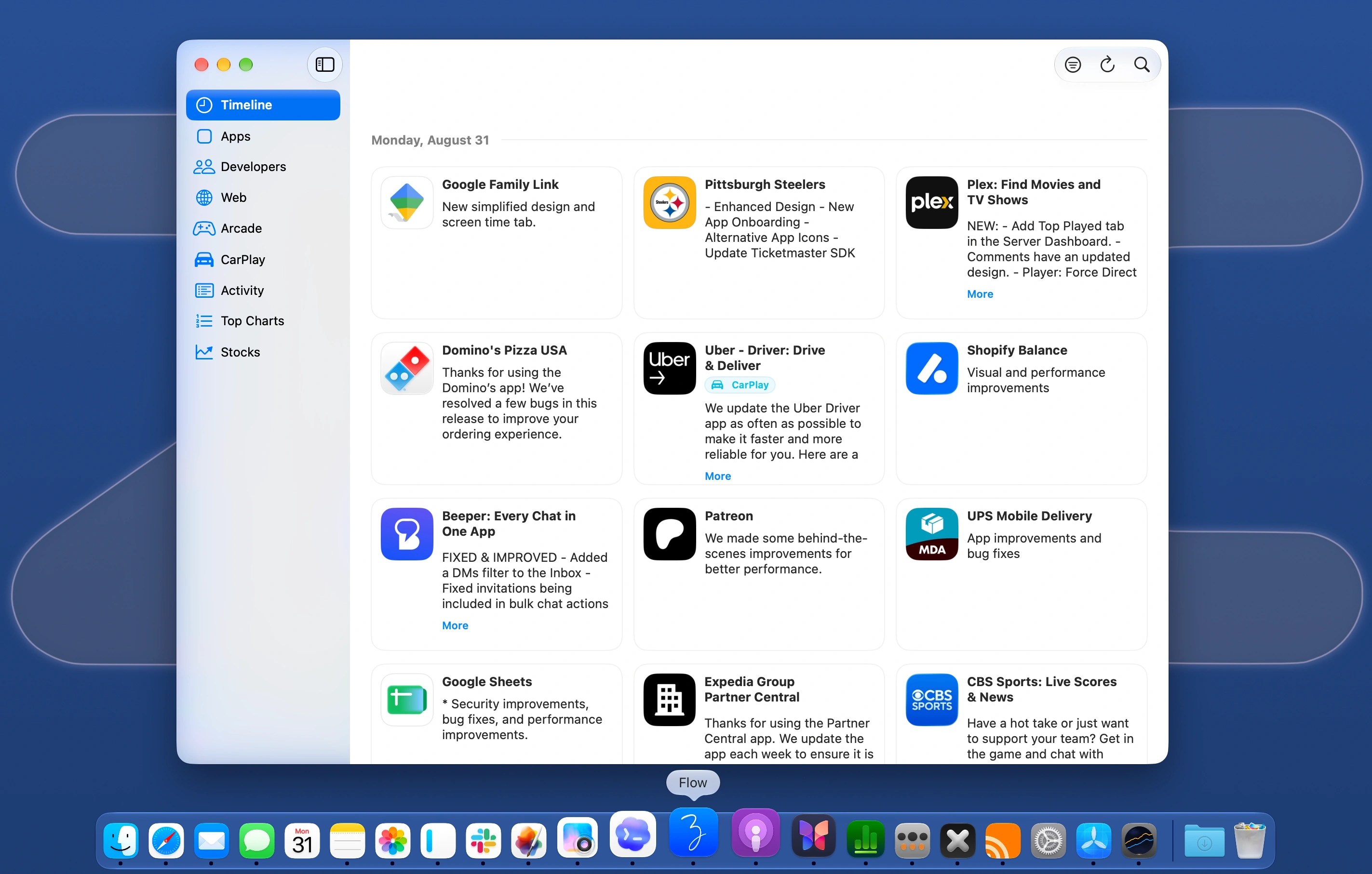
Consider the operational friction faced by digital content creators monitoring software ecosystems. Historically, tracking app updates and product releases required convoluted hacks, ranging from utilizing outdated versions of local media managers to continuously mirroring mobile devices via features like iPhone Mirroring.
By simply describing this operational routine to Codex as if messaging a colleague, users could initiate the creation of dedicated native utilities—such as Flow, a lightweight dashboard built exclusively to monitor app releases and streamline the writing process.
Granular UI Customization
The true power of Codex-driven development lies not in replicating existing software, but in addressing hyper-specific ergonomic needs that commercial developers frequently ignore. Off-the-shelf applications often enforce rigid layout constraints, generic accent colors, and bloated interfaces.
Using Codex, creators have engineered bespoke implementations of essential daily tools:
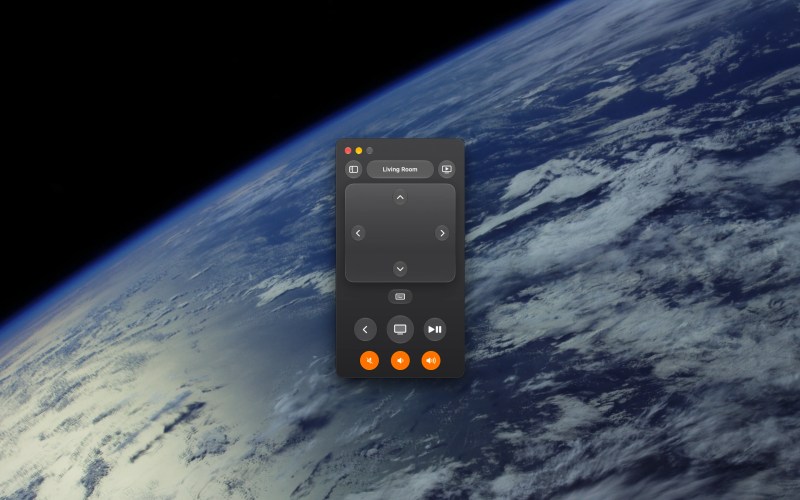
- Precision Layouts: Designing minimalist column views for social media and RSS feeds fixed at exact widths (e.g., precisely 275 pixels) optimized for modern macOS releases.
- Persistent Visual Cues: Bypassing standard macOS behaviors where window accent colors desaturate entirely into gray upon losing focus, maintaining a subtle splash of active color for passive monitoring apps.
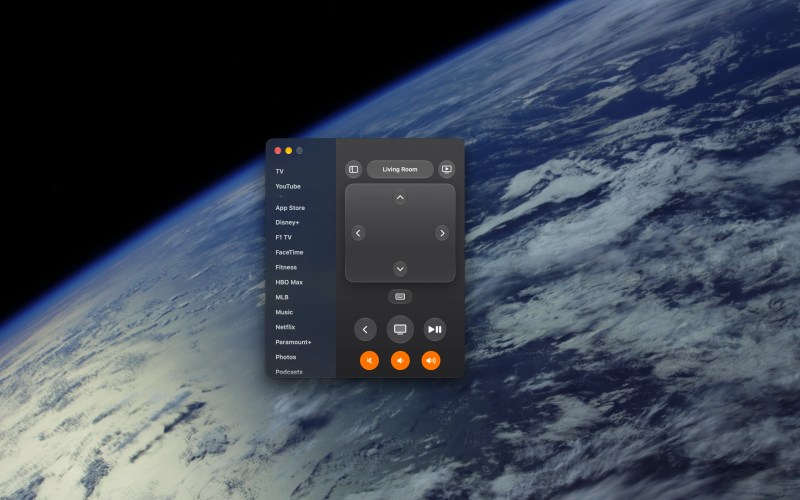
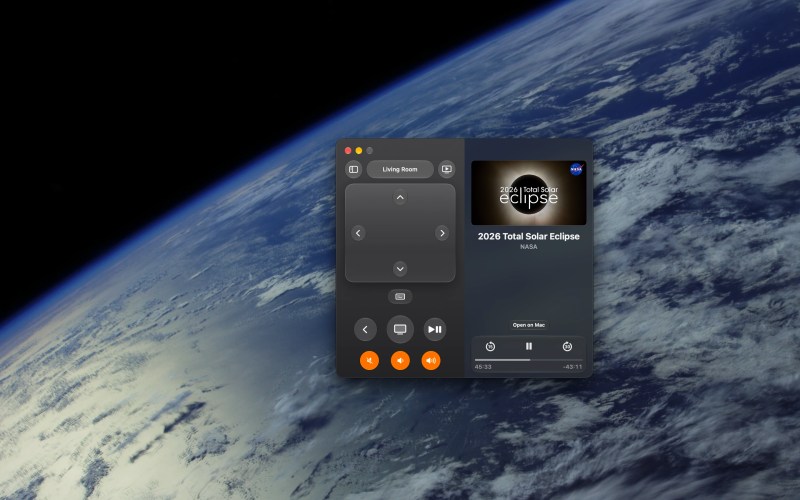
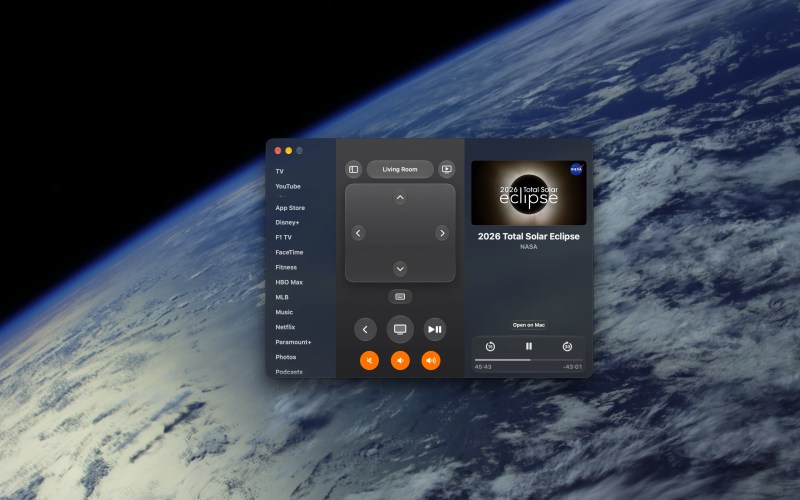
- Streamlined Side Projects: Deploying standalone applications like Better Remote (which bridges tvOS control directly into the macOS environment) and Better Battery (which fixes readability issues in native battery percentage indicators during beta testing cycles).
These utilities are constructed entirely through natural language dialogue, iteratively refined over a matter of days rather than months, and packaged cleanly for distribution via the Mac App Store or custom web domains.
Official Statements and Industry Impact
The democratization of software development through agentic AI has sparked significant discussion across the tech sector. Industry analysts view the convergence of large language models and operating system-level agents as the most consequential paradigm shift since the introduction of the graphical user interface.

"So excited to share that we’re bringing Computer Use to Codex," noted Ari Weinstein, co-founder of Software Applications Incorporated and OpenAI engineer, during the April 2026 launch. "Computer Use lets Codex see, click, and type into your Mac apps, with its own cursor. It’s a magical feeling to have agents using your apps in the background, and still get to use your computer at the same time."
Bridging the Web Presence Gap: ChatGPT Sites
As non-programmers increasingly build functional applications, the need for companion infrastructure—such as landing pages, documentation, and download portals—has grown exponentially. OpenAI addressed this bottleneck by expanding its ChatGPT Sites feature, enabling creators to deploy custom-domain web portals directly through chat prompts.

Recent updates incorporating shared site management tools and streamlined user interfaces have drawn comparisons to early web-publishing pioneers like Apple’s classic iWeb. By bundling application generation with instant web deployment, OpenAI has effectively closed the product lifecycle loop for solo creators.
Future Outlook: The GarageBand Moment of Software
We are witnessing the early days of a profound cultural shift in personal computing. Just as Apple’s GarageBand democratized music production two decades ago—allowing millions of people who could not read sheet music to compose original tracks—Codex and desktop AI agents are democratizing software engineering.

The barrier between having an idea for a software tool and executing that idea has collapsed. When anyone can converse with their operating system to construct bespoke applications, the definition of a "programmer" changes permanently. We are moving toward a future where software is fluid, disposable, and infinitely customizable—crafted on the fly to suit the unique cognitive patterns of individual human beings.
As agentic tools continue to mature, the primary limitation will no longer be technical skill or engineering resources, but human imagination. For writers, creators, and professionals across every discipline, the summer of Codex has proven that the desktop is once again a canvas for creation.