Executive Overview
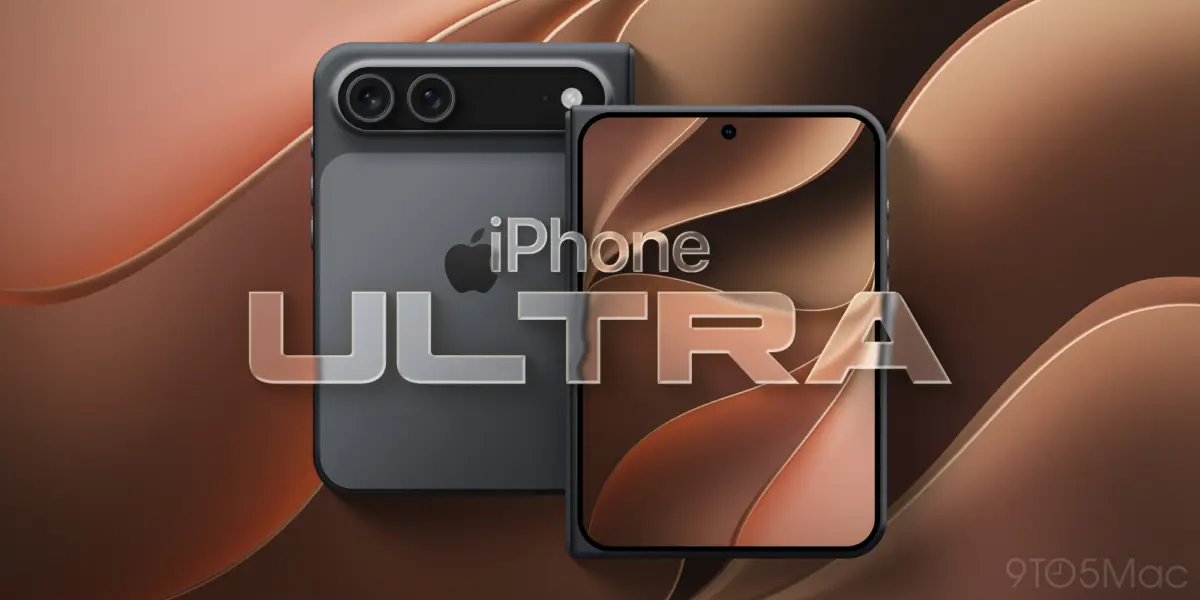
As the technology sector edges closer to its traditional autumn hardware window, anticipation surrounding Apple’s upcoming product slate has reached a fever pitch. Just weeks away from what is widely expected to be a watershed moment for the Cupertino-based giant, rumors and insider reports have coalesced around a singular, defining device: the rumored iPhone Ultra. Marking Apple’s long-awaited debut in the foldable smartphone market, this device represents a seismic shift in form factor, engineering philosophy, and market strategy.
Recent insights, notably surfacing from Bloomberg’s authoritative Power On newsletter by Mark Gurman, have provided a rare, behind-the-scenes look at real-world impressions from individuals inside Apple who have spent extensive time testing the device. These initial field reports paint a picture of a hardware marvel that—despite carrying a projected price tag upwards of $2,000—is winning over skeptics through refined ergonomics, innovative display engineering, and a targeted feature set.
While the device will inevitably require compromises compared to traditional slab-style flagships like the upcoming iPhone 18 Pro, the prevailing sentiment among insiders is that Apple is once again poised to redefine a product category. This comprehensive report explores the real-world feedback, hardware specifications, strategic compromises, and broader industry ramifications as Apple prepares to unveil the iPhone Ultra this fall.
Detailed Chronology: The Road to the iPhone Ultra
The journey toward Apple’s first foldable device has been years in the making, marked by cautious patience, iterative prototyping, and fierce competition from rivals like Samsung, Google, and OnePlus. To understand the significance of this impending release, it is necessary to trace how the narrative has evolved over the past several years.
The Early Rumor Ecosystem (2023–2025)
For years, supply chain analysts and patent filings hinted at Apple’s quiet experimentation with flexible OLED panels. While competitors rushed first-generation foldables to market—often plagued by prominent screen creases, fragile internal hinges, and bulky chassis designs—Apple elected to observe from the sidelines. Industry insiders repeatedly noted that Apple executives were unwilling to compromise on durability, display seamlessness, or user experience simply to be first to market.
Throughout 2024 and 2025, reports began to solidify regarding a high-end, ultra-premium tier device that would sit above the Pro Max lineup. Initially referred to broadly as the "iPhone Fold," nomenclature shifted toward "iPhone Ultra" as leaks suggested it would align with Apple’s nomenclature for its most rugged and capable hardware, echoing the branding of the Apple Watch Ultra.

The 2026 Ramp-Up and Supply Chain Realities
By mid-2026, the timeline crystallized. Supply chain checks and regulatory filings indicated that mass production was ramping up for a late-year release. Reports in June and July outlined expected pricing tiers, confirming that the device would comfortably clear the $2,000 threshold, positioning it firmly as a luxury tier product aimed at early adopters, enterprise power users, and tech enthusiasts.
Furthermore, real-world context shifted dramatically with the release of competitive hardware, such as Samsung’s Galaxy Z Fold 8. The positive reception of Samsung’s latest iteration provided consumers and analysts alike with a tangible benchmark for what a mature foldable form factor can achieve, inadvertently setting the stage for Apple’s entry.
Now, sitting just weeks away from the official announcement, the news cycle has shifted from if the device is coming to how it performs in daily use, courtesy of insider leaks filtering out of Apple Park.
Supporting Context & Metrics: Real-World Impressions and Hardware Trade-offs
According to Mark Gurman’s latest reporting, individuals within Apple who have been granted access to pre-production units of the iPhone Ultra have shared remarkably positive feedback regarding its day-to-day usability. While early skeptics worried about the viability of a foldable iPhone, real-world testing has seemingly alleviated many of those initial design concerns.
The Ergonomic Advantage and Display Engineering
One of the most praised aspects of the device during internal testing has been its physical footprint. Apple appears to have solved several ergonomic hurdles that historically plagued foldable devices, striking a delicate balance between a pocketable outer screen and an expansive, tablet-sized inner canvas.
Crucially, industry chatter points toward significant advancements in panel manufacturing aimed at mitigating the notorious middle crease. By drawing comparisons to the seamless displays seen in current-generation foldable competitors, Apple is expected to deliver a viewing surface that feels structurally unified, enhancing both media consumption and productivity tasks like multitasking and split-screen workflows.
Compromises in the Name of Innovation: Cameras and Biometrics
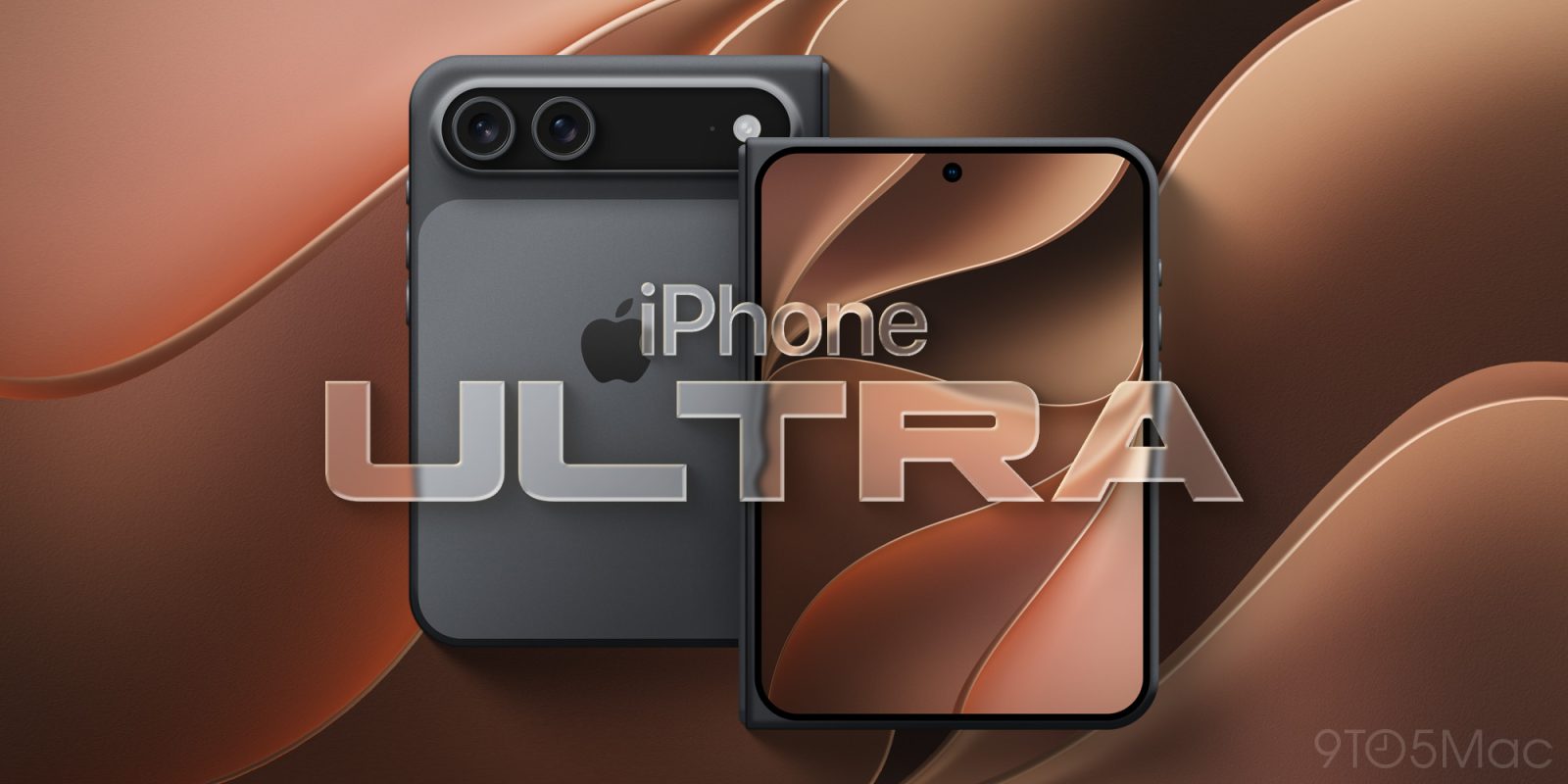
Achieving a form factor as thin and complex as a foldable phone requires difficult engineering compromises. Reports indicate that the iPhone Ultra will feature a dual-lens camera array comprising a main wide camera and an ultra-wide camera. Notably absent from the spec sheet is a dedicated telephoto lens—a staple of Apple’s Pro lineup. For users accustomed to optical zoom capabilities, this will represent a distinct shift, though users of slim-profile devices (such as the iPhone Air) may already be well-adjusted to life without dedicated telephoto hardware.
In another surprising hardware decision, the iPhone Ultra is heavily rumored to feature Touch ID rather than Face ID for biometric authentication. Integrating Face ID hardware into both the cover display and the internal folding screen presents substantial structural and spatial challenges within a folding chassis. Returning to Touch ID—likely embedded within the power button, reminiscent of recent iPad designs—offers a reliable, lightning-fast alternative that fits neatly into the industrial design constraints of a foldable phone.
Pricing and Market Positioning
At a projected cost of $2,000 and above, the iPhone Ultra is not designed for the mass upgrade cycle. Instead, it serves as a halo product designed to showcase Apple’s absolute peak engineering capabilities. It targets a niche but lucrative demographic willing to pay a premium for cutting-edge form factors, mirroring the initial rollout strategies of pioneering foldable devices across the industry.
Official Statements and Industry Perspective
While Apple has maintained its traditional, stoic silence ahead of the official keynote event, the ripple effects of the upcoming release are already being felt across the broader mobile ecosystem. Competitors are keenly watching how Apple plans to market a foldable device at a $2,000+ price point, particularly given the maturation of Android-based foldables.
Industry analysts suggest that Apple’s entry into the foldable market will serve as a massive catalyst for mainstream adoption. While foldable phones have historically occupied a single-digit percentage of total global smartphone shipments, an "iPhone Ultra" carries the brand weight and retail ecosystem power necessary to push foldables from a niche enthusiast category into broader cultural consciousness.
Furthermore, software developers are already receiving advanced development kits and guidelines to optimize iOS applications for the unique dual-screen dynamics of the device. Apple’s ecosystem advantage—seamlessly transitioning apps, continuity features, and unified design languages across iPadOS and iOS—will play a critical role in justifying the device’s steep asking price.

Future Outlook: What the iPhone Ultra Means for the Ecosystem
The launch of the iPhone Ultra is more than just the introduction of a new hardware SKU; it represents a pivotal moment in smartphone design philosophy. For over a decade, the standard glass-and-aluminum slab has reigned supreme as the undisputed king of mobile computing. Foldable technology threatens to upend that monopoly, offering users the portability of a traditional phone paired with the workspace versatility of a compact tablet.
Looking Ahead to the Fall Keynote
As we count down the final weeks to the official unveiling, several questions remain:
- Will Apple introduce exclusive software features that take full advantage of the folding crease and multi-angle "tent" modes?
- How will supply chain constraints affect availability? Given the complexity of manufacturing foldable OLED panels and precision hinges, initial stock is expected to be severely constrained.
- How will consumer sentiment react to the missing telephoto lens and the return of Touch ID? While power users may scrutinize these omissions, the undeniable allure of a foldable iPhone may easily overshadow these technical trade-offs.
Final Thoughts
The iPhone Ultra is shaping up to be the most daring hardware gamble Apple has taken in years. By prioritizing refined ergonomics, innovative display engineering, and a radically different form factor, Apple is stepping boldly into uncharted territory. Whether you are an early adopter eager to throw down $2,000+ for the bleeding edge of mobile tech, or a cautious observer waiting to see how the technology matures in its second or third generation, one thing is certain: the mobile landscape is about to change forever.
What are your thoughts on the upcoming iPhone Ultra rumors? Do you plan on purchasing Apple’s first foldable device this fall, or are you sticking with traditional slab smartphones? Let us know in the comments below.