For several consecutive years, Apple’s Mac ecosystem underwent a quiet yet revolutionary democratization. Driven by the architectural efficiency of Apple Silicon, the Cupertino-based tech giant progressively lowered entry barriers to macOS. Consumers enjoyed higher baseline memory and storage configurations per dollar spent, while competitive pricing made Macs some of the most compelling value propositions in the personal computing market. The introduction of accessible form factors—culminating in the groundbreaking MacBook Neo—pushed this philosophy even further, positioning Apple not merely as a luxury hardware maker, but as a surprisingly practical choice for mainstream buyers.
However, the macroeconomic landscape for consumer electronics has shifted abruptly. Driven by an ongoing, severe global memory shortage affecting both DRAM and specialized flash storage components, Apple has instituted sweeping, drastic price increases across its entire Mac and iPad portfolios. This sudden market correction has disrupted the value equations that shoppers had come to rely on.
While Macs may no longer possess the untouchable value proposition they did just a few weeks ago, they remain formidable contenders against Windows and ChromeOS alternatives. For buyers currently navigating the market, understanding where the remaining deals lie—and how to evaluate Apple’s diverse laptop offerings in light of these sudden price hikes—is more critical than ever. This guide provides an exhaustive analysis of the current MacBook landscape, evaluating the MacBook Air, the budget-friendly MacBook Neo, and the powerhouse MacBook Pro series, alongside strategic purchasing advice for the remainder of the year.
Detailed Chronology: The Shift from Affordability to Shortage-Driven Hikes
To understand how Apple’s pricing strategy arrived at its current crossroads, it is helpful to trace the trajectory of the Mac lineup over the past several product cycles.
The Golden Era of Apple Silicon Value (2020–2025)
When Apple transitioned away from Intel processors to its proprietary M-series chips, the initial narrative centered squarely on performance-per-watt metrics, thermal efficiency, and battery life. However, by the era of the M3 and M4 generations, a secondary narrative took root: affordability and configuration generosity.
Recognizing that modern workflows demand higher baseline specifications, Apple quietly upgraded its entry-level unified memory floors across the board, moving past the historical 8GB bottleneck on many pro machines and offering more aggressive base pricing. The introduction of the MacBook Neo expanded this strategy into a truly budget-friendly tier, capturing market share from traditional Windows ultrabooks and educational Chromebooks. For a brief window, consumers could purchase a deeply capable, premium-feeling laptop without enduring the "Apple tax" that characterized the Intel era.
The Turning Point: The Global Memory Crunch
The current market disruption is rooted in deep structural bottlenecks within the global semiconductor supply chain. An unprecedented surge in enterprise demand for high-bandwidth memory (HBM) modules—largely fueled by exponential investments in artificial intelligence infrastructure, data centers, and advanced server clusters—has squeezed silicon foundries.
Consumer-grade memory components have consequently experienced severe supply constraints and surging acquisition costs. Unlike previous component shortages that could be absorbed by corporate margins, the sustained scale of the current memory deficit has forced major hardware vendors to reprice their inventories. Apple’s recent, sweeping price hikes across Macs and iPads reflect this harsh new reality, abruptly ending an era of downward price pressure and forcing consumers to reassess upgrade timelines.
Supporting Context & Metrics: The Current MacBook Ecosystem
Despite inflationary pressures and component-cost adjustments, Apple’s current three-tiered laptop portfolio serves distinct user segments. Evaluating these machines requires weighing hardware compromises against shifting price points.
1. MacBook Air: The Mainstream Sweet Spot
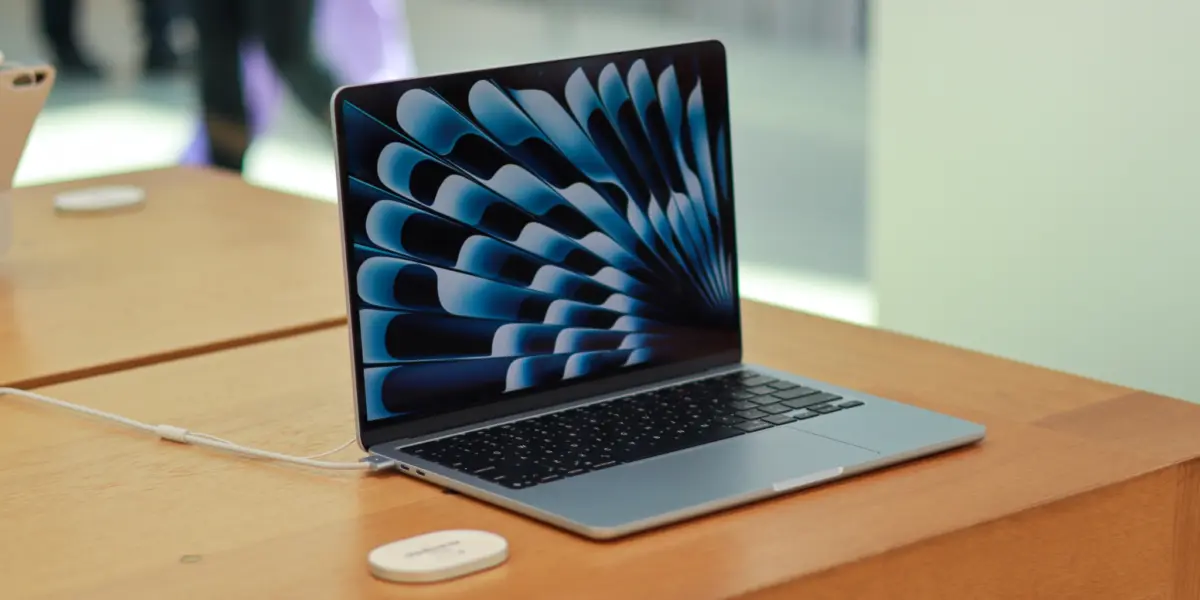
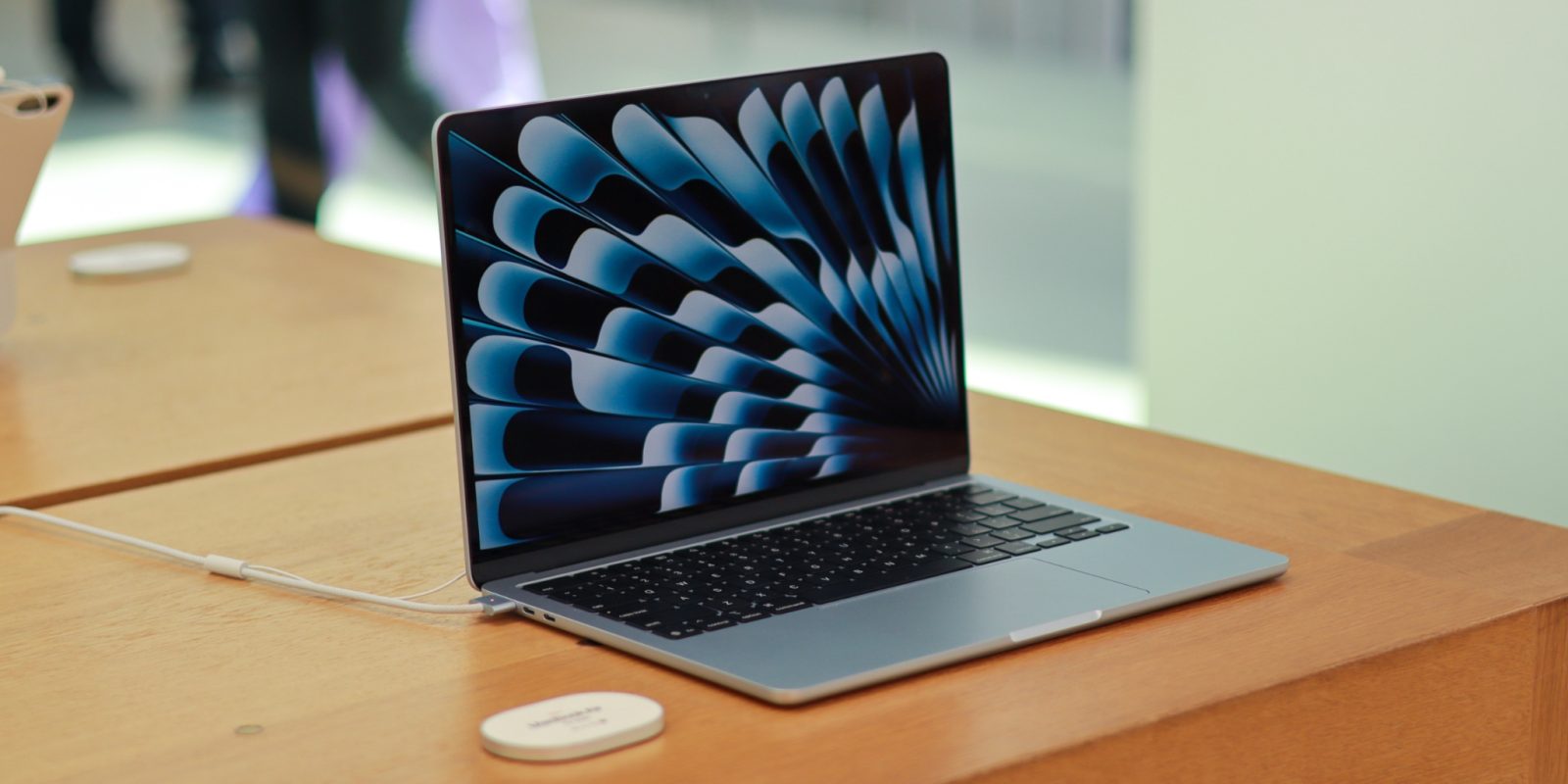
Up until the arrival of the MacBook Neo, the MacBook Air served undisputed duty as the baseline entry point to Apple’s portable lineup. Even with the Neo muddying the waters of pure affordability, the MacBook Air remains the definitive choice for the vast majority of consumers who desire a premium, reliable daily driver without stepping up to heavy-duty professional hardware.
Key differentiators for the MacBook Air include:
Display Quality: A vibrant Liquid Retina display featuring P3 wide color support, delivering color-accurate visuals that outclass standard sRGB panels found on competing budget laptops.
Connectivity & Design: The inclusion of MagSafe magnetic charging, freeing up Thunderbolt ports for accessories, alongside fanless, completely silent operation.
Ergonomics & Video Conferencing: An upgraded webcam supported by Center Stage framing technology.
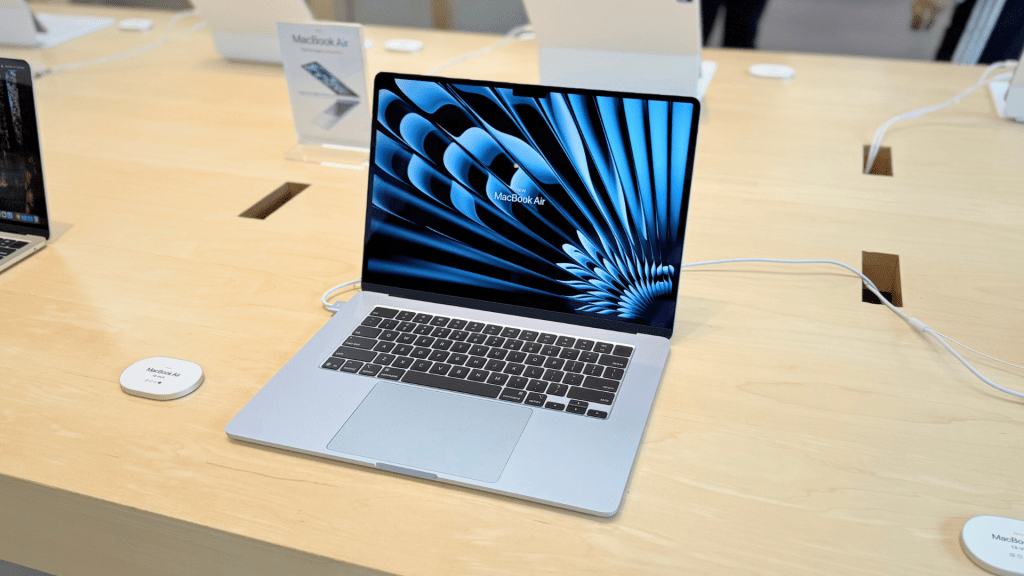
Form Factor Versatility: Crucially, the MacBook Air is available in both 13-inch and 15-inch configurations, catering to users who want expansive screen real estate without the added weight and cost of a MacBook Pro.
While the recent price adjustments have impacted retail margins, savvy shoppers can still unearth competitive discounts across both sizes through authorized third-party electronics retailers, making the Air a resilient value play.
2. MacBook Neo: Redefining the Budget Tier
The MacBook Neo stands as Apple’s most radical departure from traditional pricing norms: a dedicated, highly affordable MacBook starting at an accessible $699 price point.
While it introduces calculated compromises compared to its MacBook Air sibling, its execution is remarkably disciplined:
Uncompromised Build & macOS Experience: The industrial design, aluminum chassis rigidity, display sharpness, and trackpad responsiveness remain quintessentially Apple. Users get the full, unadulterated macOS ecosystem experience.
Internal Architecture: Driven by the A18 Pro chip, the MacBook Neo is no slouch for web browsing, document editing, and media consumption, though it lacks the raw multi-core muscle and active cooling of the M-series chips.
I/O and Memory Constraints: Buyers must contend with a more limited array of ports and a baseline 8GB of unified memory—a specification perfectly adequate for light daily tasks, but restrictive for heavy prosumer workflows.
Aesthetic Appeal: Leaning into youthful design sensibilities, the Neo is offered in vibrant, playful colorways including Citrus, Blush, and Indigo.
For those looking to bypass retail price increases altogether, Apple’s official refurbished store offers the MacBook Neo at a $100 to $120 discount. These refurbished units maintain Apple’s full one-year warranty and undergo rigorous reconditioning, featuring replaced outer shells and fresh batteries to ensure a factory-fresh experience.
3. MacBook Pro: Uncompromising Power Facing Imminent Redesign
At the pinnacle of Apple’s hardware hierarchy sits the MacBook Pro, designed for creative professionals, software engineers, and power users who demand maximum compute performance. However, prospective buyers face a crucial strategic dilemma.
Industry reports indicate that Apple is preparing a major structural overhaul for the high-end MacBook Pro variants, slated for later this year. Anticipated upgrades include:
OLED Display Technology: Transitioning from mini-LED to OLED panels for deeper blacks, infinite contrast ratios, and enhanced energy efficiency.
Touchscreens: Rumors point to the introduction of touchscreen functionality within macOS, marking a historic interface shift for Apple laptops.
Thinner Industrial Design: Further shaving down chassis thickness while maintaining thermal thresholds.
Buying Strategy Caveat: According to supply chain roadmaps, this dramatic redesign is expected to debut exclusively alongside the forthcoming M5 Pro and M5 Max chips. Consequently, buyers eyeing the base-tier MacBook Pro powered by the standard M5 chip are in the clear; these models are not slated for the radical structural redesign immediately, making them safe purchases for those who need performance today. Similarly, users who prioritize immediate performance over OLED panels or touchscreens will find current-generation Pro models to be staggering technological achievements, especially when paired with temporary retail markdowns.
Official Statements & Industry Perspective
Industry analysts and supply chain observers have closely monitored Apple’s pricing adjustments in response to the memory crisis. While consumer advocacy groups have expressed frustration over the sudden erosion of the value-pricing trend established over the last half-decade, financial analysts view the move as an inevitable reflection of component scarcity.
"The semiconductor supply chain is experiencing structural constraints that transcend typical seasonal fluctuations," notes a prominent hardware analyst. "When foundational components like high-density memory face systemic supply deficits, OEMs are forced to choose between margin compression and end-user price adjustments. Apple has historically guarded its profit margins fiercely, making price corrections across their portfolio an expected, if painful, market reality."
Despite these headwinds, Apple’s ecosystem retention remains remarkably strong. Representatives from major retail partners note that consumer demand for Apple Silicon machines has proven remarkably inelastic, largely because the longevity, resale value, and performance efficiency of M-series Macs continue to offset initial acquisition costs when viewed across a multi-year ownership lifecycle.
Future Outlook: What to Expect in the Latter Half of the Year
As the consumer technology market stabilizes for the remainder of the year, several key inflection points will dictate purchasing strategies for prospective laptop buyers:
Memory Market Trajectory: Supply chain stabilization for DRAM and flash storage remains contingent on foundry prioritization. Industry consensus suggests that memory pricing may remain elevated through the holiday shopping season, meaning consumers should not anticipate widespread official price cuts from Apple in the near term.
The Rise of the "MacBook Ultra" and OLED Pros: The anticipated launch of redesigned Pro hardware in the fall will likely create a bifurcated market. Early adopters chasing cutting-edge form factors will gravitate toward the OLED, touchscreen-enabled flagship models, while value-conscious professionals may seek clearance discounts on outgoing mini-LED variants.
The Longevity of Current Deals: With retail margins tightening, third-party promotions on the MacBook Air and MacBook Pro lineups are expected to fluctuate. Shoppers are advised to monitor authorized retailers closely for short-lived promotional windows, or leverage Apple’s Certified Refurbished marketplace as a reliable hedge against rising retail costs.
Ultimately, while the era of unchecked downward pricing on Macs has hit a temporary roadblock, the underlying hardware remains exceptionally capable. By carefully aligning individual productivity needs with the right tier—whether that is the budget-friendly MacBook Neo, the versatile MacBook Air, or the uncompromising MacBook Pro—consumers can still secure a top-tier computing experience that will comfortably outlast the current market turbulence.