Executive Overview
For decades, the ritual of purchasing a video game was straightforward: you paid your hard-earned money, walked out of a store with a physical box containing a disc or a cartridge, and that game was yours. You could lend it to a friend, sell it to a secondhand shop, play it on an offline console a decade later, or hand it down to your children. Today, that fundamental consumer reality has all but evaporated.
When a gamer spends $99.99 on a premier title like the NBA 2K25 All-Star Edition, they are laboring under a dangerous illusion. They do not own a game; they buy a temporary, revocable permission slip. Under current industry frameworks, major storefronts—from Steam and the PlayStation Store to the Xbox Marketplace and Nintendo eShop—sell games strictly as licenses. These permits can be altered, restricted, or entirely revoked at the whim of the publisher.
This structural shift toward an all-digital future is accelerating rapidly. Sony’s upcoming transition to a completely digital format for PlayStation releases in January 2028, combined with the rising dominance of online-mandatory infrastructure, highlights a sobering truth: your digital game library is yours only until it isn’t. As server shutdowns become more frequent, physical media declines, and legal loopholes shield corporations from accountability, the video game industry faces a historic crisis regarding digital consumer rights, historical preservation, and property ownership.
Detailed Chronology of an Industry Shift
To understand how modern gaming arrived at this precarious juncture, it is necessary to examine how publishers gradually stripped consumers of their traditional ownership rights over the last two decades.
- The Early 2000s (The Rise of Digital Stores): The launch of Valve’s Steam platform in 2003 laid the groundwork for digital-first distribution. While initially met with skepticism by PC gamers accustomed to physical CD-ROMs, convenience ultimately won over consumers. However, buried within the initial end-user license agreements (EULAs) was a foundational legal truth: users were paying for access, not property.
- The Generation of Always-Online Consoles (2013–2014): The launch of the PlayStation 4 and Xbox One generations marked a major pivot toward integrated online connectivity. While Microsoft attempted an aggressive push toward a fully digital, always-online ecosystem in 2013, fierce consumer backlash forced a temporary retreat. Nevertheless, the infrastructure for mandatory check-ins, day-one patches, and digital authentication was securely locked into place.
- March 2024 (The Murder of The Crew): Ubisoft took a drastic step that shocked mainstream gamers by shutting down the servers for The Crew, an always-online racing game released in 2014. Worse still, players subsequently reported that Ubisoft began actively purging the title from their digital libraries, moving the game into an "inactive" category that could no longer be downloaded or played. This served as a stark reminder that even purchased content could be retroactively erased.
- January 2025 (California’s AB 2426 Enactment): Consumer protection advocates won a minor victory when California’s AB 2426 law went into effect. The legislation prohibited digital storefronts from using terms like "buy" or "purchase" unless they explicitly disclosed to consumers that they were merely acquiring a revocable license. However, the law stopped short of forcing publishers to keep servers running or guarantee long-term access.
- Late 2025 – August 2026 (Legal Showdowns and Court Filings): Class-action lawsuits challenged whether platforms like the PlayStation Store misled consumers regarding the permanence of digital purchases. In an August 2026 court filing, Sony defended its business practices by arguing that "reasonable consumers" should inherently understand that digital software is merely licensed, not sold. Meanwhile, publishers continued to sunset popular titles, such as 2K’s decision to remove NBA 2K25 from digital storefronts on October 30, 2026, ahead of its impending server shutdown on December 31.
- January 2028 (The Discontinuation of PlayStation Discs): Sony announced a watershed policy change: starting in January 2028, the company will cease manufacturing physical, disc-based PlayStation games entirely. Future titles will rely exclusively on digital downloads or retail-distributed codes, effectively closing the book on the traditional era of console-based physical media ownership.
Supporting Context & Metrics: The Anatomy of a Disappearing Library
The erosion of game ownership touches every facet of modern gaming, from single-player progression systems to the physical hardware sitting in consumer living rooms.
The Illusion of Offline Play
A common misconception among consumers is that games purchased digitally or physically will always remain playable offline as long as the code is on the hard drive. Modern game design has systematically dismantled this fallback. Titles like NBA 2K25 demonstrate how core features—such as MyCareer, the single-player story mode—are tethered directly to remote servers. When 2K shuts down the online infrastructure, modes built around user progression evaporate alongside the multiplayer components, leaving players with stripped-down, hollowed-out versions of games they paid full price for.
The Death of the Physical Disc
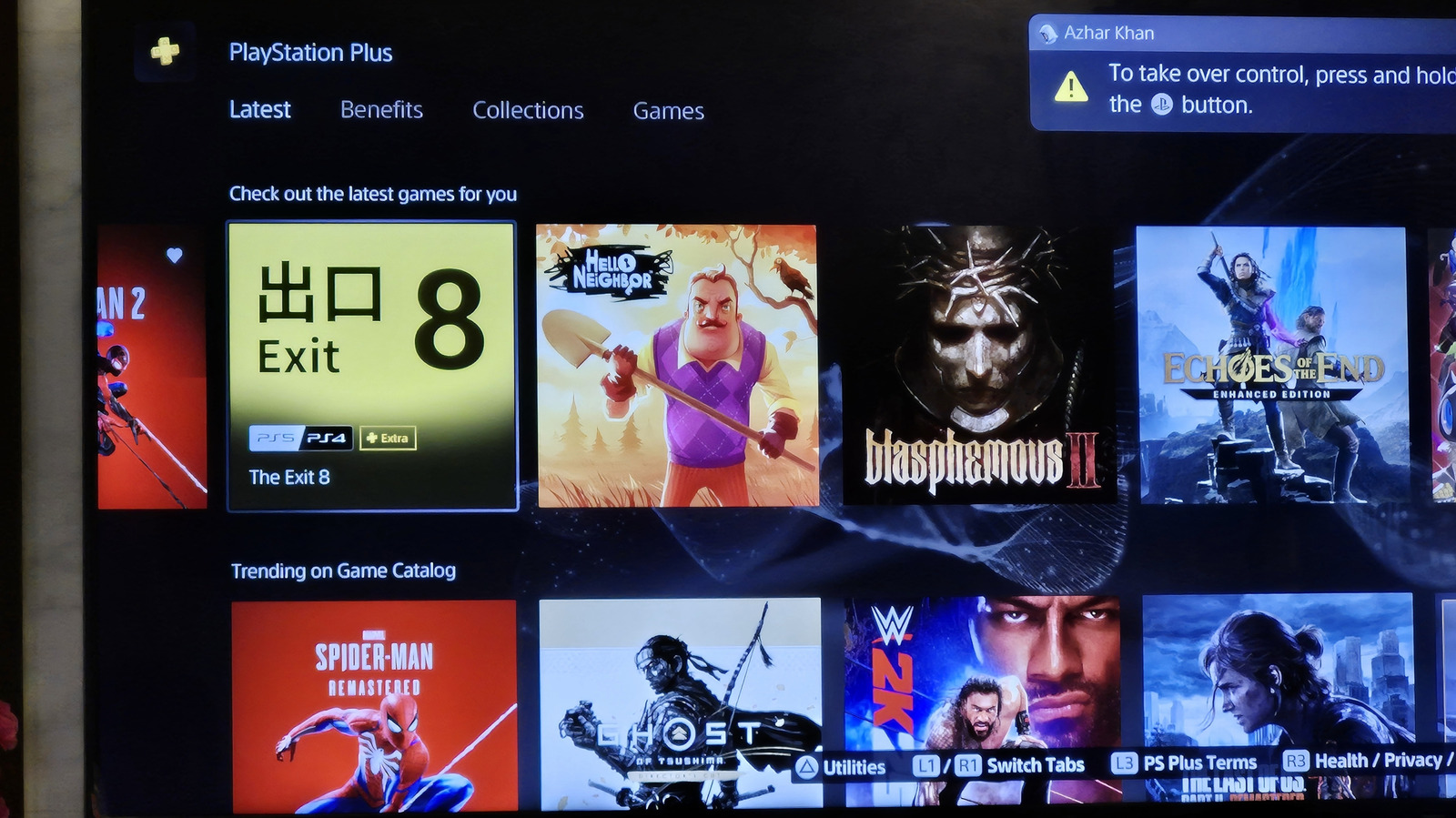
Physical media is undergoing a systemic dismantling. Upcoming blockbusters like Grand Theft Auto VI have previewed a worrying retail standard: boxed physical editions that contain a digital download code rather than a playable disc. Once that code is redeemed, the plastic case functions as little more than waste, eliminating the consumer’s right to lend, trade, or resell the game.
Even when traditional discs are sold, their utility is increasingly compromised. Nintendo utilizes game-key cards for select Switch 2 titles, forcing consoles to download the actual software online and maintain active server handshakes. Similarly, physical copies of Ubisoft’s The Crew became useless paperweights the moment the publisher pulled the plug on its online servers.
Global Scale of the Crisis
The scope of consumer frustration has mobilized millions. The European "Stop Killing Games" citizens’ initiative successfully collected more than 1.29 million valid signatures, demanding legislative action to force publishers to leave games in a playable state before abandoning them. Despite this massive public outcry, regulatory bodies like the European Commission have repeatedly opted for voluntary industry talks over binding legal mandates, leaving consumers exposed to corporate whims.
Official Statements and Legislative Interventions
As public anger mounts, lawmakers and consumer advocates are stepping into a regulatory vacuum that has long favored multinational tech and gaming conglomerates.
- Representative Ritchie Torres (D-NY): Addressing the predatory nature of modern software licensing, Torres announced a landmark congressional bill designed to protect video game ownership. Summarizing the core philosophy of the legislation, Torres stated: "If you pay for it, you own it." The proposed bill would direct the Federal Trade Commission (FTC) to establish rules treating purchased digital games as genuine property and mandate that publishers provide a functional offline mode before decommissioning online servers.
- Sony Interactive Entertainment: In legal defenses regarding its digital storefront practices, Sony maintained that its licensing agreements explicitly protect the company from liability. In a notable August 2026 court filing, Sony’s legal representatives argued that standard, "reasonable consumers" are well-aware that digital storefronts convey temporary access rights rather than permanent ownership, downplaying the deceptive nature of checkout buttons marked "Buy."
- The European Commission: Following the submission of over 1.29 million signatures via the Stop Killing Games initiative, the European Commission declined to propose strict legislative bans on server shutdowns in June. Instead, Brussels opted to initiate voluntary dialogues with publishers and consumer protection groups, aiming to draft a voluntary code of conduct—a move critics argue lacks teeth and fails to hold corporations legally accountable.
Future Outlook: Navigating a Digital-Only Horizon
The trajectory of the video game industry points toward a future where traditional property rights are entirely extinct for software consumers. With Sony’s 2028 cutoff for physical media looming large, and competitors steadily shifting toward cloud streaming, subscription models, and digital lockers, the concept of building a permanent, personal game collection is becoming obsolete.
For the average consumer, this means accepting a precarious bargain: absolute convenience in exchange for zero permanence. Games are no longer cultural artifacts preserved on a shelf; they are temporary entertainment services rented indefinitely until the publisher decides the venture is no longer profitable.
While grassroots consumer movements and legislative pushes—such as Representative Torres’ proposed bill and California’s disclosure laws—offer glimmers of hope, they are currently fighting a rear-guard action against a deeply entrenched corporate business model. Unless global regulators unite to pass binding legislation that legally guarantees offline functionality and consumer property rights, the digital libraries we spend thousands of dollars building will remain entirely at the mercy of corporate bottom lines—owned by us, until they aren’t.