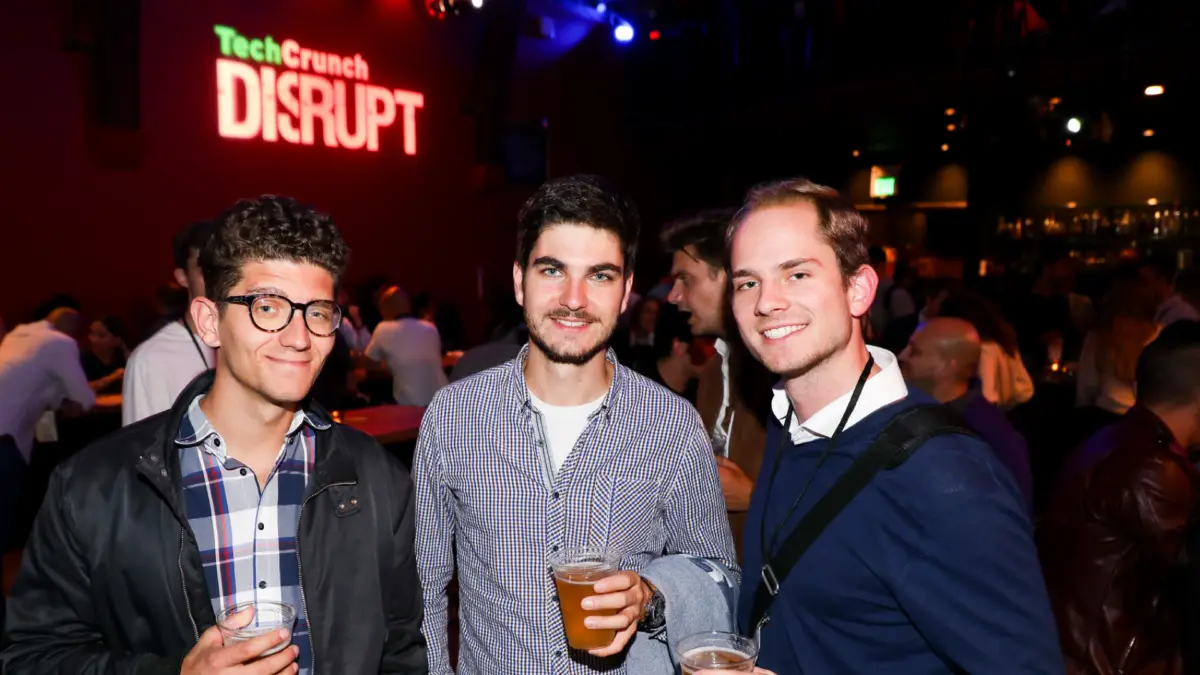
Executive Overview
The landscape of professional tech conferences has undergone a profound structural shift over the last decade. No longer are major industry gatherings confined to the exhibition floors and keynote halls of centralized convention centers. Today, the true center of gravity for deal-making, fundraising, and high-impact networking has migrated outward into a decentralized constellation of satellite gatherings: VIP dinners, curated panel discussions, hackathons, and late-night cocktail hours.
As TechCrunch Disrupt 2026 prepares to descend upon San Francisco this October, the scramble for ecosystem dominance has reached a critical juncture. Organizers have less than 24 hours remaining to submit their applications to host an official Disrupt Side Event. The application window is scheduled to close tonight, at precisely midnight PT.
For early-stage startups, established venture capital firms, corporate partners, and service providers, these side events are not merely social hours; they are highly strategic marketing and business development activations. By hosting an officially sanctioned side event, brands can tap directly into the massive influx of talent, capital, and media attention that Disrupt draws to the Bay Area.
With more than 10,000 tech leaders, founders, and investors expected to converge on the region from October 10 to 16, the side event ecosystem functions as a critical force multiplier. It allows hosts to build intimate, high-trust environments that cut through the noise of the main exhibition floor, driving targeted conversations that can accelerate fundraising rounds, cement strategic partnerships, and elevate brand equity.
Detailed Chronology & Key Deadlines
To maximize the impact of the upcoming conference week, stakeholders must navigate a tight timeline of operational deadlines and event windows. Below is the chronological progression of the lead-up to TechCrunch Disrupt 2026:
[Tonight, Midnight PT] ──> [Sept 25] ──────────────────> [Oct 10–16] ───────────────> [Oct 13–15]
Side Event Applications     Early-Bird Ticket Pricing    Official Side Events Week    Main Disrupt Conference
Window Closes               Discount ($200 off) Ends     (Decentralized Activations)  (Moscone Center / Main Stage)
Phase 1: The Side Event Application Deadline (Tonight, Midnight PT)
The immediate priority for any brand looking to establish an official presence during Disrupt week is the submission of their Side Event application. The portal closes tonight at 11:59 PM PT. This deadline is absolute; the TechCrunch events team requires sufficient lead time to review, vet, and catalog submissions to compile the official event directory.
Phase 2: The Ticket Pricing Threshold (September 25)
For general attendees, founders, and investors who are not hosting events but still plan to participate in the broader Disrupt ecosystem, a critical financial threshold occurs on September 25. This date marks the end of the early-bird registration tier, after which ticket prices will increase by up to $200. Securing passes before this deadline is highly recommended for organizations sending multi-person delegation teams.
Phase 3: Side Events Week (October 10–16)
The official window for approved Side Events spans a full week, beginning on Friday, October 10, and running through Thursday, October 16. This extended window is designed to capture the "pre-game" energy of early arrivals and the "post-mortem" networking that occurs after the main stage closes. It allows organizers to schedule events during low-friction hours—such as weekend brunches, evening receptions, or early-morning breakfast briefings—without competing directly with the main conference programming.

Phase 4: The Main Disrupt Conference (October 13–15)
Nestled within the broader side events week is the core TechCrunch Disrupt conference itself, running from October 13 to October 15. This is the period of peak density in San Francisco, where keynote speeches, the Startup Battlefield competition, and structured networking sessions take place at the main venue.
Supporting Context & Metrics: The Economics of the "Fringe Festival"
The evolution of major technology conferences like Disrupt into decentralized, city-wide festivals mirrors trends observed in other global cultural and business gatherings, such as SXSW in Austin, Slush in Helsinki, and the World Economic Forum in Davos. This phenomenon—often referred to as the "fringe festival" model—succeeds because it addresses the inherent limitations of massive, centralized events.
The Problem of Scale and "Deal-Flow Friction"
In a centralized convention hall with over 10,000 attendees, the signal-to-noise ratio can degrade rapidly. Founders struggle to secure undivided attention from venture capitalists, while investors find themselves overwhelmed by unstructured pitches.
Side events solve this "deal-flow friction" by acting as self-sorting filters. A side event focused specifically on "Generative AI Infrastructure in the Enterprise" or "DeepTech Seed Investing" naturally attracts a highly curated subset of attendees. This targeted curation significantly increases the Return on Investment (ROI) for both the host and the attendee.
| Metric | Centralized Main Hall | Curated Side Event |
|---|---|---|
| Average Attendee Density | Very High (10,000+) | Low-to-Medium (50–200) |
| Interaction Depth | Superficial (Business card exchanges) | Deep (Structured conversations, shared meals) |
| Targeting Precision | Low (Broad tech audience) | High (Niche, thematic focus) |
| Brand Share of Voice | Diluted (Among hundreds of booths) | Exclusive (100% host ownership) |
| Post-Event Follow-up Rate | Estimated 10–15% | Estimated 45–60% |
San Francisco’s Ongoing Tech Renaissance
The geographic backdrop of Disrupt 2026 adds another layer of significance to these metrics. Despite years of media narratives predicting the decline of Silicon Valley, San Francisco has experienced a massive resurgence, fueled almost entirely by the artificial intelligence boom.
According to venture capital funding data, the Bay Area continues to capture over 40% of all venture capital dollars invested in the United States. Hosting a side event in SOMA, the Financial District, or Mission Bay during Disrupt week places brands at the literal epicenter of global wealth creation and technological innovation.
Official Guidelines, Selection Criteria, and Host Responsibilities
While the allure of hosting an official Side Event is strong, TechCrunch maintains a rigorous vetting process to ensure that the "Disrupt" brand is not diluted by low-quality or predatory activations. Applying does not guarantee acceptance into the official program.
The Vetting and Selection Process
All applications are manually reviewed by the TechCrunch events team. The primary evaluation criteria include:

- Relevance and Value to the Community: Events must offer genuine value to the tech ecosystem. Pitch-slams disguised as networking events or highly commercial sales pitches are routinely rejected.
- Operational Viability: Applicants must demonstrate that they have secured (or are actively securing) a viable venue and have a clear logistical plan to execute the event safely and professionally.
- Diversity of Programming: TechCrunch aims to curate a balanced portfolio of side events. This means balancing highly technical workshops and panel discussions with social happy hours, athletic meetups (e.g., founder runs), and executive dinners.
Host Responsibilities: The Fine Print
Organizers whose events are approved gain inclusion in the official TechCrunch Disrupt Side Events directory, giving them direct marketing exposure to the 10,000+ registered attendees. However, this inclusion comes with strict operational parameters:
- Financial Independence: The host is entirely responsible for all costs associated with the event, including venue rental, catering, insurance, security, and AV equipment. TechCrunch provides no financial subsidy.
- Logistical Autonomy: All operations—from registration management and badge printing to local permitting and clean-up—must be managed independently by the host.
- Brand Alignment: While hosts are encouraged to market their events aggressively, they must adhere to TechCrunch’s brand guidelines, ensuring that they do not misrepresent their independent activation as an internally produced TechCrunch main-stage event.
Future Outlook: Disrupt 2026 as a Macroeconomic Bellwether
As we look ahead to October 2026, TechCrunch Disrupt arrives at a critical juncture for the global technology sector. After several years of macroeconomic recalibration—marked by fluctuating interest rates, a tightening of late-stage venture capital, and a rigorous focus on profitability over growth-at-all-costs—the tech industry is searching for its next sustained expansionary phase.
Disrupt 2026, and the hundreds of side events surrounding it, will serve as a vital bellwether for the health of this ecosystem. The themes, technologies, and deals that dominate the conversation from October 10 to 16 will likely set the agenda for the venture capital landscape heading into 2027.
The Rise of Specialized Co-Investing
We anticipate that the side events of 2026 will show a marked shift away from generalized networking toward highly specialized, thesis-driven co-investing sessions. With multi-stage funds increasingly looking to partner with niche, early-stage micro-VCs to secure allocation in competitive rounds, intimate side events provide the perfect environment for these GP-to-GP (General Partner) relationships to form.
The Integration of Physical and Digital Networking
Furthermore, the tools used to manage and measure the success of these side events are evolving. We are seeing the widespread integration of specialized event platforms (such as Luma, Partiful, and custom enterprise event software) that utilize AI-driven matchmaking to suggest connections before attendees even step foot in the venue. The side event of 2026 is a data-rich environment where hosts can track engagement metrics, conversion rates, and pipeline generation with unprecedented precision.
For organizations looking to leave an indelible mark on the tech landscape, the clock is ticking. The decisions made before tonight’s midnight deadline will determine which brands occupy the spotlight during Silicon Valley’s most consequential week of the year.