Executive Overview
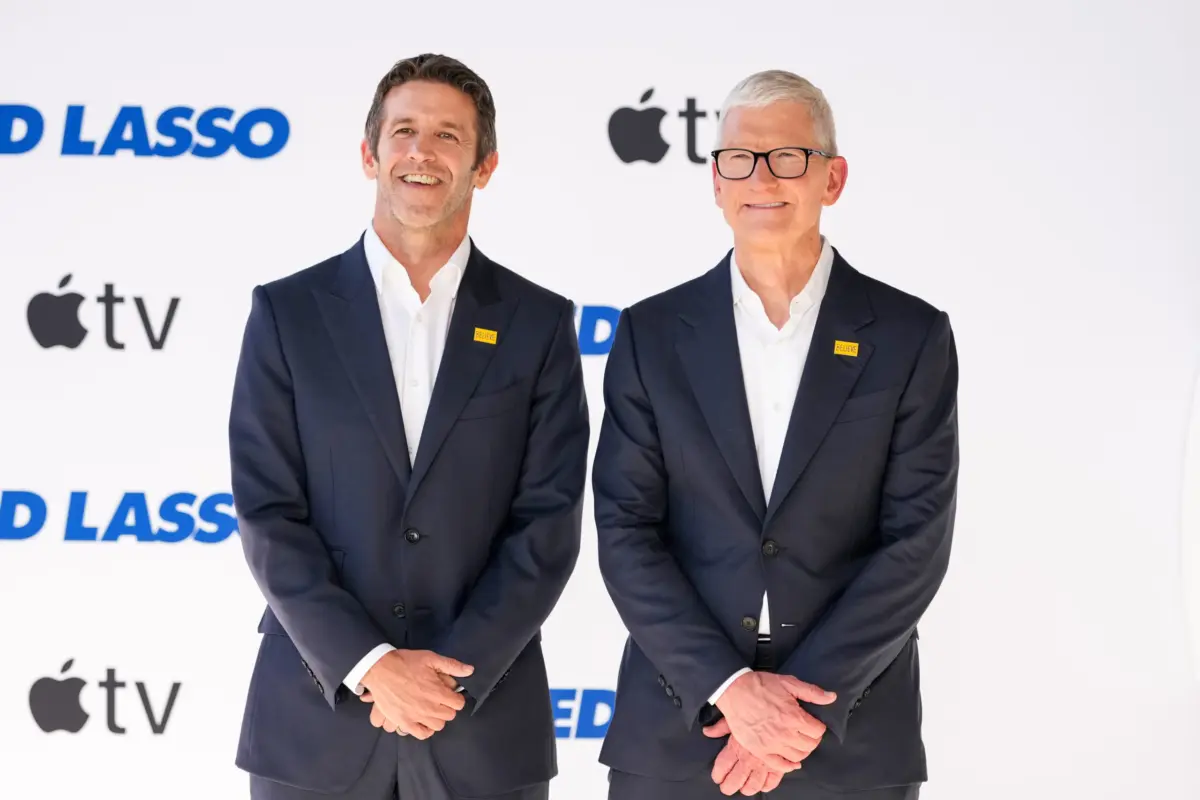
In one of the most consequential corporate handoffs in modern technology history, Apple Inc. has officially entered a new executive era. Tim Cook, who steered the Cupertino giant through more than a decade of unprecedented financial growth, supply chain mastery, and geopolitical turbulence, has formally stepped down as Chief Executive Officer. Passing the mantle is John Ternus, Apple’s longtime Senior Vice President of Hardware Engineering, who assumes the CEO role at a critical strategic inflection point for the world’s most valuable enterprise.
       +--------------------------------------------------------+
       |               APPLE LEADERSHIP TRANSITION              |
       +--------------------------------------------------------+
                                   |
         +-------------------------+-------------------------+
         |                                                   |
         v                                                   v
  TIM COOK                                            JOHN TERNUS
  Role: Executive Chairman                            Role: Chief Executive Officer
  Focus: Global Policy, Regulatory                    Focus: Core Product Execution,
         Affairs & Geopolitics                               AI & Software Integration
The executive transition comes at a juncture defined by intense regulatory scrutiny, shifting global supply chains, and an industry-wide rush toward generative artificial intelligence. While Cook transitions into the role of Executive Chairman—retaining oversight of high-stakes governmental and policy relationships—Ternus assumes operational control immediately. His appointment represents a distinct philosophical pivot: shifting leadership from an operational and supply chain strategist to an engineer and product builder.
Ternus faces a trial by fire. Within hours of assuming the leadership position, his inaugural internal memo to Apple staff promised a "huge launch next week," signaling that the company’s flagship autumnal product unveilings will take place directly under his watch. As Wall Street and Silicon Valley assess this changing of the guard, fundamental questions emerge regarding how Ternus will balance Apple’s unrivaled hardware ecosystem with the urgent imperative to lead in artificial intelligence, software design, and global market compliance.
Detailed Chronology of the Transition
The official passing of the torch represents the culmination of a multi-year succession plan designed to maintain corporate stability while addressing evolving market demands.
+-----------------------------------------------------------------------------------+
|                              TRANSITION TIMELINE                                  |
+-----------------------------------------------------------------------------------+
|  AUGUST 31                                                                        |
|  • Tim Cook officially announces departure as CEO.                                |
|  • Cook assumes role as Executive Chairman, focusing on global policy.            |
|  • Board confirms John Ternus as incoming Chief Executive Officer.                |
+-----------------------------------------------------------------------------------+
|  SEPTEMBER 1                                                                      |
|  • John Ternus issues inaugural company-wide memorandum.                          |
|  • Ternus teases "huge launch next week," setting immediate operational pace.     |
+-----------------------------------------------------------------------------------+
|  UPCOMING                                                                         |
|  • Annual Fall iPhone & Hardware Unveiling under Ternus's direct executive leadership.|
+-----------------------------------------------------------------------------------+
The Departure Announcement
Tim Cook’s decision to step down as CEO marks the conclusion of a fifteen-year tenure during which Apple’s market capitalization surged from roughly $350 billion to over $3 trillion. Under Cook, Apple transformed from an iconic consumer device manufacturer into a global technology superpower anchored by recurring services revenue, proprietary silicon developments, and unprecedented supply chain resilience. Cook’s parting message emphasized internal continuity, reassuring shareholders and employees that Apple was being left in the hands of an experienced product architect capable of leading its next technological evolution.
The Inaugural Executive Memo
On September 1, John Ternus distributed his first official memorandum to Apple’s global workforce. The communication set a tone of aggressive execution and operational confidence. Rather than proposing a prolonged transitional onboarding period, Ternus highlighted the immediate horizon, hyping a major corporate presentation scheduled for the following week. The timing places Apple’s most vital annual commercial event—the fall hardware launch—squarely on his shoulders, demonstrating his willingness to take immediate ownership of the corporate roadmap.
Redefining the Executive Chairman Role
Cook’s transition to Executive Chairman is structured to insulate the incoming CEO from complex global regulatory engagements. By remaining on board to manage policy infrastructure, Cook retains responsibility for high-stakes government negotiations, antitrust defense across Washington and Brussels, and regional supply chain balances. This structure frees Ternus to focus on internal engineering, product integration, and software development.
Supporting Context & Key Metrics
To understand the operational environment John Ternus inherits, one must examine the macroeconomic and financial baseline established during the closing chapters of the Cook administration.
+-----------------------------------------------------------------------------------+
|                         APPLE FINANCIAL & PRODUCT BASELINE                        |
+-----------------------------------------------------------------------------------+
| Metric / Pillar               | Historical / Target Baseline                      |
+-------------------------------+---------------------------------------------------+
| Annual Revenue Threshold      | ~$380B+ annualized driven by device and services  |
| iPhone Revenue Share          | ~50% of total quarterly consolidated net sales    |
| Services Segment Growth       | Exceeding $85B annually (App Store, iCloud, Pay) |
| Silicon Architecture Base     | 100% transition across Mac & iPad product lines   |
| Capital Allocation Standard   | High share repurchase activity & dividend growth  |
+-----------------------------------------------------------------------------------+
The Hardware Legacy vs. The AI Shift
Ternus steps into the corner office after leading Apple’s Hardware Engineering division through one of its most successful engineering periods. Under his leadership, the hardware team completed the transition from Intel processors to Apple Silicon (M-series chips), a move that revitalized the Mac lineup, drastically improved battery efficiency, and fortified Apple’s gross margins.
However, the hardware ecosystem now faces market saturation. Upgrades for devices like smartphones and tablets have lengthened globally. Concurrently, the industry benchmark for innovation has shifted decisively toward software and artificial intelligence.
                       CORE HARDWARE ECOSYSTEM
                    (iPhone, Mac, iPad, Wearables)
                                  |
                                  v
                  PROPRIETARY SILICON (M & A-Series)
                                  |
                                  v
         +------------------------+------------------------+
         |                                                 |
         v                                                 v
  ON-DEVICE AI PROCESSING                         SOFTWARE INTEGRATION
  (Neural Engine Architecture)                    (Apple Intelligence & OS)
The central challenge facing Ternus is translating Apple’s hardware dominance into leadership across native artificial intelligence ecosystems, such as the newly deployed Apple Intelligence stack. While competitors built specialized software infrastructure in the cloud, Apple’s model relies on integrating on-device AI processing with privacy-focused silicon architectures.
Geopolitical and Policy Headwinds
Operating an enterprise of Apple’s scale requires navigating intense geopolitical dynamics. Cook’s tenure demonstrated that minor domestic regulatory or geopolitical shifts can spark market volatility.
Recent controversies highlight the sensitivity of these dynamics:
- Regulatory Compliance: European Union regulations under the Digital Markets Act (DMA) have forced structural alterations to Apple’s App Store and operating system architectures.
- Geopolitical Sensitivity: Geopolitical tensions routinely challenge map labels, content availability, and localized software services, demonstrating how domestic regulatory bodies impact corporate operations.
- Supply Chain Diversification: Apple continues shifting secondary manufacturing bases into regions like India and Vietnam to mitigate over-reliance on single markets.
By maintaining Cook as Executive Chairman to handle these diplomatic and regulatory balancing acts, Apple seeks to minimize friction for Ternus as he executes the product roadmap.
Official Statements & Executive Perspectives
The leadership change has drawn significant analysis from internal communications and industry experts, including perspectives shared on TechCrunch’s flagship Equity podcast with hosts Kirsten Korosec and Sean O’Kane.
Internal Communications
In his introductory address to the workforce, John Ternus highlighted operational continuity alongside a commitment to product iteration:
"As we prepare for a huge launch next week, our focus remains squarely on delivering incredible experiences for our customers. Apple has always been defined by the seamless integration of world-class hardware, software, and services. I am honored to step into this role as we build what’s next."
In his final corporate memo as Chief Executive, Tim Cook framed the leadership shift around product execution:
"Apple is in the most capable hands imaginable. John is a product builder at heart whose engineering talent, standard of excellence, and devotion to Apple’s ethos make him the ideal leader for this next chapter. As I step into the role of Executive Chairman, I look forward to supporting John and focusing on the global policy and institutional relationships that safeguard Apple’s future."
Industry Analysis: The Podcaster Perspective
On TechCrunch’s Equity podcast, co-hosts Kirsten Korosec and Sean O’Kane discussed the tactical advantages and underlying risks of appointing a hardware-centric leader in an era increasingly dominated by AI software.
+-----------------------------------------------------------------------------------+
|                        EQUITY PODCAST: KEY TAKEAWAYS                              |
+-----------------------------------------------------------------------------------+
| Perspective                   | Strategic Rationale                              |
+-------------------------------+---------------------------------------------------+
| Hardware Execution Discipline | Ternus’s deep system-level background enables     |
|                               | tight coordination between silicon and OS stacks.|
+-------------------------------+---------------------------------------------------+
| AI Infrastructure Urgency     | Shareholders expect rapid advances in generative  |
|                               | AI; hardware mastery alone is insufficient.       |
+-------------------------------+---------------------------------------------------+
| Policy Shielding              | Cook’s presence as Executive Chairman buffers     |
|                               | Ternus from time-consuming regulatory disputes.   |
+-------------------------------+---------------------------------------------------+
During the episode, Kirsten Korosec noted the strategic intent behind the move:
"Putting a hardware leader at the helm when the narrative is dominated by AI and software might seem counterintuitive at first blush. But when you look at how Apple builds products, the silicon, the chassis, and the local Neural Engines are where the software actually lives. Ternus understands the physical realities of bringing complex technological systems to scale."
Sean O’Kane elaborated on shareholder expectations and the policy separation:
"Tim Cook staying on as Executive Chairman is key here. Cook created the modern Apple supply chain and mastered global political diplomacy. By keeping Cook on the phone with regulators and foreign leaders, John Ternus gets the runway he needs to focus purely on product execution, fixing software bottlenecks, and catching up on the AI roadmap."
Strategic Analysis: Hardware Titan in an AI & Software World
John Ternus’s rise through Apple’s engineering ranks provides clear insight into his operational approach. Joining the company’s design team in 2001, Ternus worked on early generations of the Mac display line before overseeing hardware engineering for every major product category, including the iPad, Mac, and iPhone.
                     JOHN TERNUS CAREER TRAJECTORY

   2001: Joins Apple Engineering Team
     │
     ▼
   2013: Appointed Vice President of Hardware Engineering (Mac/iPad)
     │
     ▼
   2020: Spearheads Apple Silicon Transition (M-Series Chips)
     │
     ▼
   2021: Named Senior Vice President of Hardware Engineering
     │
     ▼
   PRESENT: Named Chief Executive Officer of Apple Inc.
The Systemic Advantage of a Product Architect
Unlike traditional operational leaders who prioritize cost optimization, an engineering CEO brings a hands-on methodology to technical trade-offs. The modern consumer technology landscape requires balancing on-device power budgets, silicon die real estate, thermal efficiency, and cloud-assisted offloading. Ternus’s technical background gives him a strong basis for making unified architecture decisions across these disciplines.
Addressing the AI Infrastructure Dilemma
Apple’s AI strategy faces specific operational pressures:
- On-Device vs. Cloud Compute Balance: Competitors like Google and Microsoft leverage large cloud datacenters for parameter-heavy generative models. Apple’s privacy-centric architecture relies heavily on local processing through its Neural Engines, which places intense demands on hardware memory bandwidth and chip design.
- Developer Ecosystem Alignment: Encouraging third-party developers to utilize Apple’s localized AI APIs requires disciplined integration between iOS, macOS, and developer tools like Xcode.
- Execution Velocity: Software delivery schedules must align with annual fall hardware releases. Ternus must resolve internal software deployment delays to ensure marketed AI features ship alongside the hardware.
Future Outlook & Investor Considerations
As John Ternus assumes leadership, Wall Street is evaluating how much runway shareholders will grant the new CEO to execute his vision. Apple enters this transitional era supported by strong balance sheets, high consumer retention, and expanding services margins. However, sustaining growth will require careful strategic execution.
                       STRATEGIC PRIORITIES UNDER TERNUS

               ┌─────────────────────────┴─────────────────────────┐
               │                                                   │
               ▼                                                   ▼
     PRODUCT ARCHITECTURE                                GLOBAL GOVERNANCE
  • Monetize AI features                              • Navigate EU Digital Markets Act
  • Optimize local Neural Engine execution            • Maintain supply chain resiliency
  • Advance spatial computing hardware                • Manage trade & regulatory risks
Short-Term Milestones
- The Impending Fall Event: The upcoming product launch will serve as an initial market test for Ternus’s leadership style and public presentation.
- Apple Intelligence Rollout: Investors will carefully track the performance, uptake, and reliability of Apple’s generative AI services across its installed device base.
- Services Expansion: Sustaining top-line growth through App Store monetizations, spatial computing software, and native services remains critical to maintaining valuation multiples.
Long-Term Structural Challenges
- Antitrust Interventions: Navigating ongoing legal actions brought by the U.S. Department of Justice and the European Commission regarding ecosystem access, developer commission structures, and default application choices.
- Hardware Refresh Cycles: Establishing compelling value propositions for hardware updates in a mature, long-lived smartphone market.
- Geopolitical Diversification: Balancing production shifts to rising manufacturing hubs while maintaining legacy operational efficiencies.
Conclusion
The appointment of John Ternus signals a commitment to product design and engineering execution at Apple. By pairing a hardware leader with an Executive Chairman who retains responsibility for external policy and diplomacy, Apple has built a dual executive structure designed to protect its core businesses while addressing new market demands. As Ternus prepares to take the stage for his first major presentation as CEO, the market will soon see how this product builder guides Apple through the next generation of computing.