Executive Overview
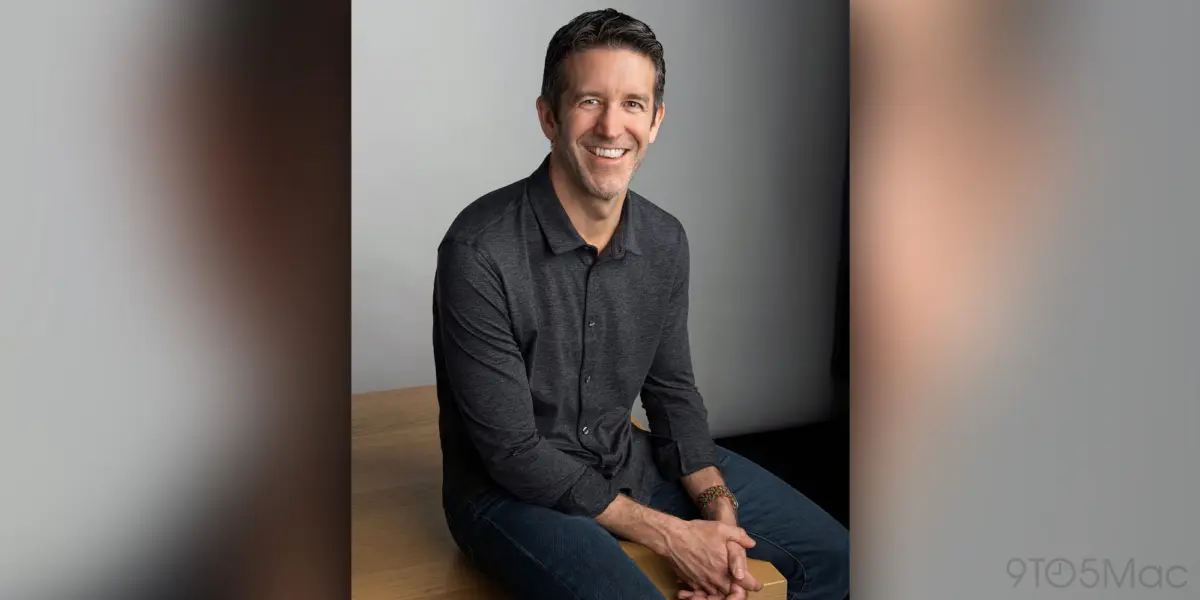
The technological landscape shifted profoundly this week as Apple Inc. officially inaugurated a new chapter in its storied corporate history. John Ternus, long regarded as a stalwart of the company’s hardware engineering division, stepped into the role of Chief Executive Officer. This monumental transition sees former CEO Tim Cook ascend to the position of Executive Chair, capping off an era that witnessed extraordinary financial expansion, widespread ecosystem maturation, and profound cultural transformation within the Cupertino-based tech giant.
As global markets and loyal consumers alike adjust to the news, a fresh profile published by the Financial Times has shed invaluable light on the man now steering the world’s most valuable technology brand. Far from being a mere corporate biography, the report unveils a complex portrait of an executive celebrated internally for his exceptional technical acumen, steady demeanor, and distinct lack of performative flair. Yet, beneath his unassuming exterior lies a competitive edge forged on both the factory floor and the racetrack.
With Apple preparing to host its landmark autumn hardware event next week—where Ternus will make his inaugural public appearance as CEO—industry analysts, investors, and consumers are searching for clues about where he will take the company next. This comprehensive report examines the nuances of Ternus’s rise, the inner workings of Apple’s seamless executive handover, and the challenges and opportunities that await the new chief executive as he inherits the keys to Apple Park.
Detailed Chronology: From Hardware Lead to Chief Executive
To understand John Ternus and his ascent to the highest office in consumer technology, it is necessary to examine the trajectory that brought him to this pivotal juncture. Born and raised in California, Ternus developed an early affinity for mechanical and technological design, cultivating a mindset rooted in hands-on problem-solving and rigorous engineering standards.
Having joined Apple in 2001—at a time when the company was still orchestrating its legendary resurrection under Steve Jobs—Ternus steadily climbed the ranks within the hardware engineering organization. Over the span of two and a half decades, he became deeply embedded in the development of nearly every major product category that defined Apple’s modern dominance.
The Architect of Modern Devices
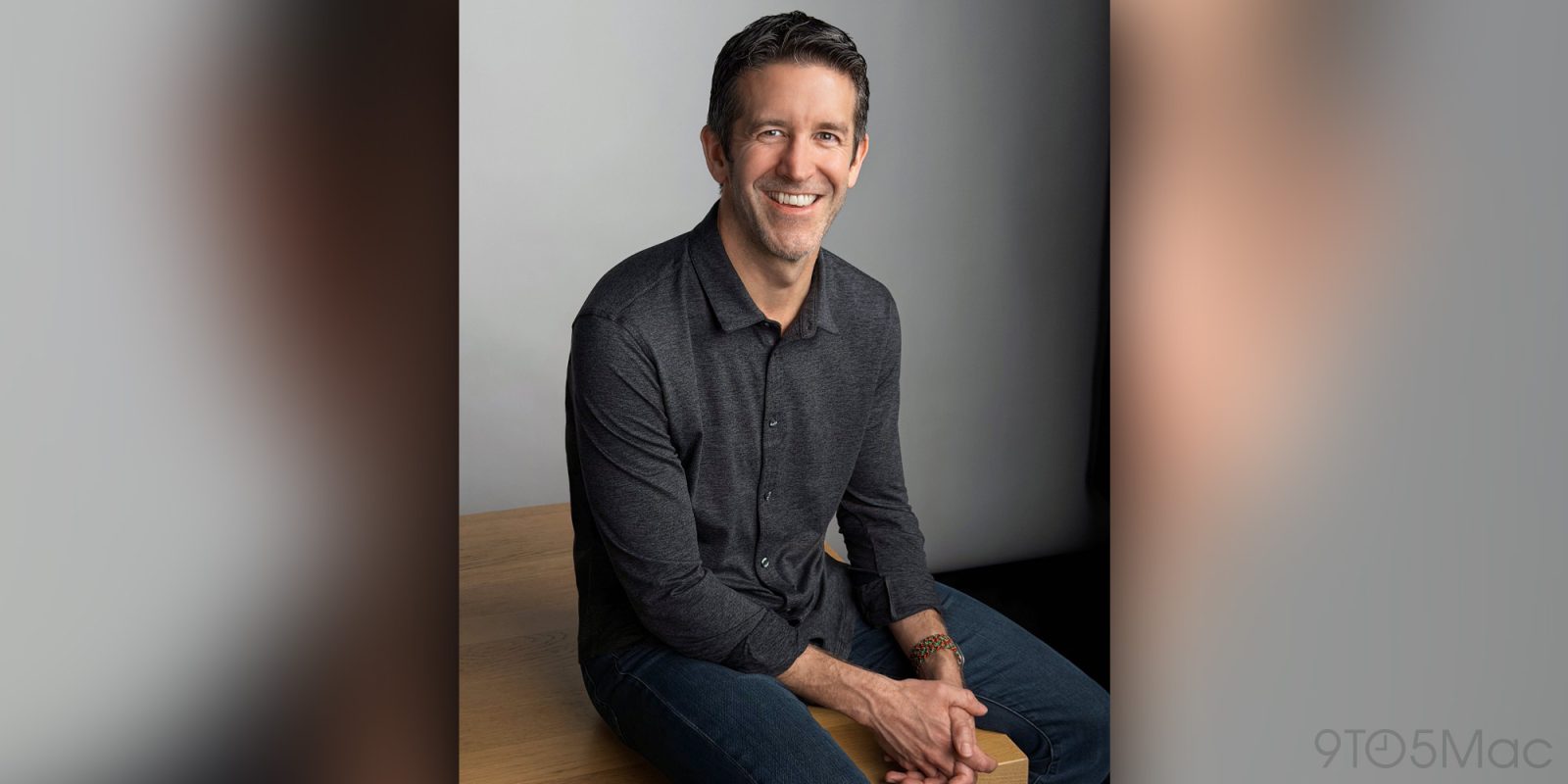
Ternus’s fingerprint is visible across the entire spectrum of Apple’s hardware ecosystem. Long before his promotion to CEO, he served as the Vice President of Hardware Engineering, reporting directly to then-senior vice president of hardware engineering Dan Riccio before eventually succeeding him in that role. In that capacity, Ternus oversaw the engineering teams behind the revolutionary transition of Mac computers to Apple Silicon—a move that redefined performance-per-watt metrics across the personal computing industry.
His portfolio spans the architectural evolution of the iPad, through successive generations of the iPhone, and into the cutting-edge design of AirPods and the Apple Watch. Industry insiders point to his leadership during the development of the iPad nearly two decades ago as a watershed moment in his career. It was during this period that he established vital working relationships with external supply chain partners—partners who today speak of his operational rigor with profound respect.
The Anatomy of a Planned Handover
The transition from Tim Cook to John Ternus was not a reactionary measure, but rather the culmination of years of deliberate succession planning. Cook, who famously steered Apple through a period of unprecedented financial triumph that saw AAPL gain more than 2,700% under his stewardship, recognized the necessity of grooming a leader who understands both the soul of Apple’s product-centric culture and the immense complexities of global supply chain logistics.
By transitioning to Executive Chair, Cook ensures a stabilizing bridge between the old guard and the new administration. According to internal reports, the handover was executed with characteristic Apple precision. Celebrations at Apple Park earlier this week—featuring a set by Apple Music’s creative director Zane Lowe—highlighted a corporate culture that felt remarkably at ease with the change. Indeed, the transition has been so seamlessly integrated into the daily rhythm of the Cupertino campus that some employees noted they felt little need to attend celebratory events, having already acclimated to Ternus’s de facto leadership presence over the past year.
Supporting Context & Metrics: Reputation, Internal Culture, and Personal Dynamics
Transitioning from a specialized engineering role to the chief executive office of a multi-trillion-dollar enterprise is a formidable challenge. While Ternus’s technical credentials are unimpeachable, public and institutional perceptions of his broader leadership capabilities are still taking shape.
The "Unshowy" Leader
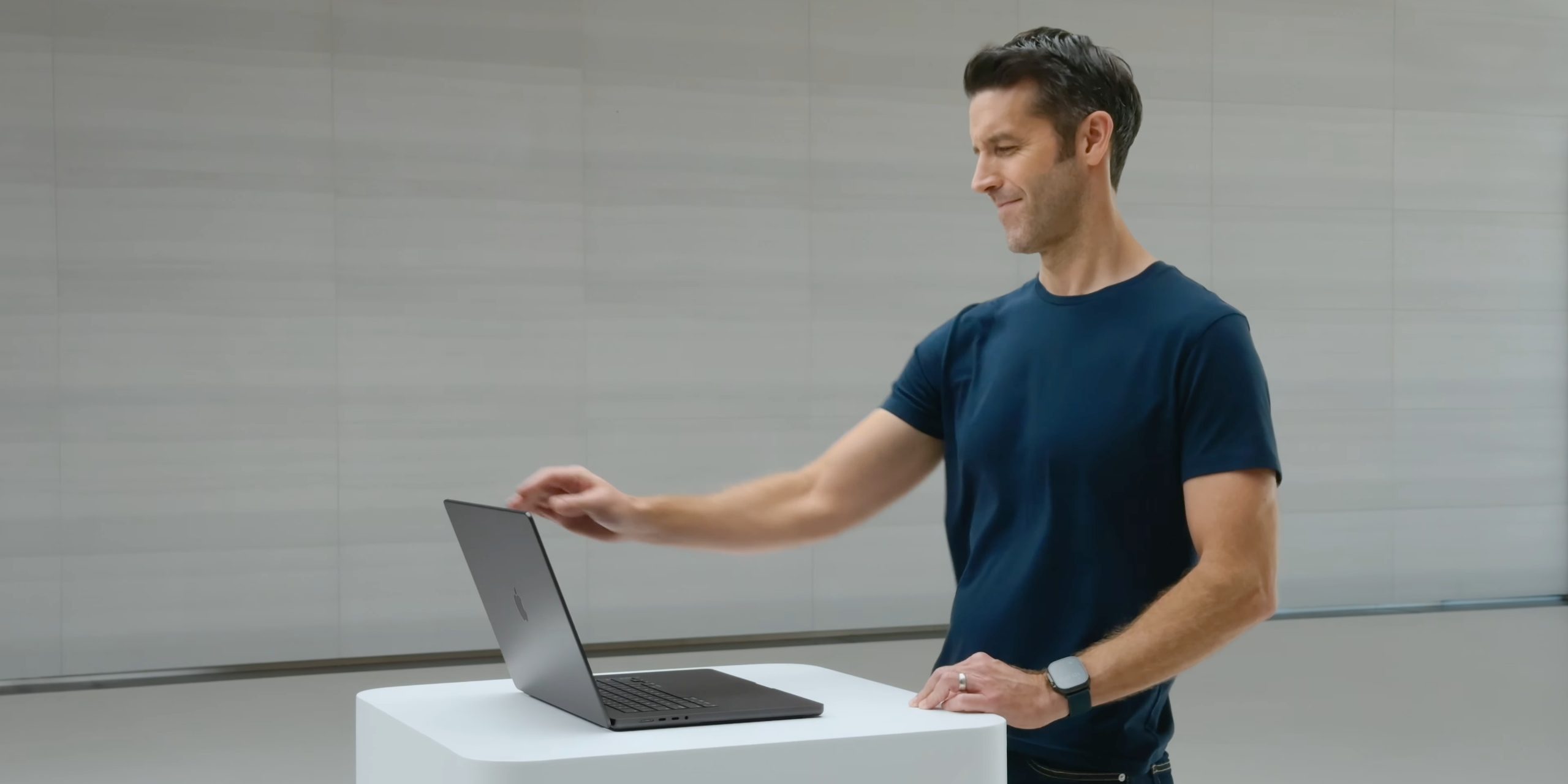
Within the walls of Apple Park, Ternus is widely characterized as highly competent yet refreshingly unshowy. Unlike corporate leaders who court constant media attention or lean heavily into personal branding, Ternus has historically preferred to let the physical products speak for themselves.
Wendell Weeks, the Chief Executive Officer of Corning—Apple’s longtime glass supplier and a foundational partner in the development of the iPhone and iPad—offered striking insights into Ternus’s character in the recent Financial Times profile.
"It was very obvious from the earliest days that John was super-talented," Weeks remarked, recalling their early collaborations nearly twenty years ago. Describing Ternus as a humble "good guy," Weeks added a fascinating psychological observation drawn from one of the new CEO’s high-octane personal hobbies: motor racing.
"There are not many non-passionate people that drive race cars… but at the same time, you have to be wicked calm and really dedicated to excellence if you’re good at it. And John is good at it."
This duality—an inner reservoir of intense passion paired with a cool, collected exterior—may well serve Ternus as he navigates the high-pressure realm of global geopolitics, regulatory scrutiny, and rapid technological disruption.

Bridging the Organizational Divide
Despite his stellar reputation within the hardware engineering division, some institutional observers note potential blind spots. A former Apple executive recently told the Financial Times that Ternus is "relatively unknown outside the hardware organisation" within the company.
While that critique may reflect a historical silo effect typical of large technology conglomerates, insiders emphasize that Ternus’s visibility within Apple has expanded dramatically over the past twelve months. As CEO, he will immediately need to project leadership across software services, artificial intelligence development, legal, marketing, and global retail operations—proving that his administrative vision matches his engineering pedigree.
Outside of the boardroom and the racetrack, Ternus maintains a tightly guarded personal life. Married with children and deeply rooted in his native California, he represents a continuation of the West Coast tech ethos that originally birthed Apple, balancing intense corporate ambition with a grounded family life.
Official Statements and Industry Perspectives
The global reaction to Ternus’s appointment underscores the sheer weight of the shoes he is filling. Tim Cook, reflecting on the meticulous planning behind the leadership change, stated in recent interviews that Apple "really wanted this transition to be the best" in corporate history. By orchestrating a structured handoff where Cook remains involved as Executive Chair, Apple aims to reassure Wall Street that stability and strategic continuity remain paramount.
Market analysts have been quick to dissect the implications of elevating a hardware engineer to the top post. For over a decade, under Cook’s operational and financial stewardship, Apple perfected the art of supply chain optimization, services expansion, and shareholder value maximization. With Ternus at the helm, many interpret the move as a symbolic—and literal—re-centering of Apple’s identity around product innovation, physical design, and integrated hardware-software experiences.

Suppliers, developers, and enterprise partners have echoed this sentiment, viewing Ternus as an executive who speaks their language. His decades-long immersion in the physical realities of manufacturing, thermal dynamics, materials science, and component sourcing gives him a distinct advantage in managing complex international supply chains at a time of rising geopolitical tensions.
Future Outlook: The Road Ahead for Apple Under Ternus
As the champagne glasses from the Apple Park celebration are cleared away, John Ternus faces an immediate and demanding agenda. The honeymoon phase of his tenure will be exceptionally brief, as the technology industry’s eyes turn toward next week’s major autumn product launch event.
The Immediate Test: The Autumn Showcase
Next week’s event will mark Ternus’s debut on the grandest stage in consumer electronics. Traditionally the platform for unveiling the latest generation of iPhone hardware alongside companion ecosystem devices, the upcoming showcase will provide the public with its first definitive look at Ternus’s presentation style, executive presence, and overarching vision for the brand. Analysts will be listening closely for clues as to how the new CEO frames Apple’s ongoing integration of artificial intelligence, augmented reality initiatives, and hardware-software synergy.
Strategic Horizons: Challenges and Opportunities
Looking beyond the immediate product cycle, Ternus inherits an enterprise operating at an unprecedented scale, yet facing distinct headwinds:
- Regulatory and Antitrust Pressures: Governments worldwide continue to scrutinize Apple’s App Store policies, ecosystem lock-in, and dominant market position. Ternus will need to manage delicate diplomatic and legal relationships without compromising the core user experience that defines Apple products.
- The Artificial Intelligence Frontier: As competitors race to dominate generative AI and ambient computing, Apple must prove its ability to deliver innovative, privacy-centric AI capabilities that seamlessly enhance user workflows without sacrificing hardware efficiency or user trust.
- Ecosystem Evolution: Maintaining hardware growth in a saturated global smartphone market requires pushing into new form factors, deepening health and wellness integrations, and redefining personal computing through spatial computing and ambient devices.
Conclusion
John Ternus steps into the role of Apple CEO not as an outsider seeking to tear down and rebuild, but as a homegrown custodian of Apple’s core engineering philosophy. Backed by the steady hand of Tim Cook as Executive Chair and armed with a reputation for humility, technical brilliance, and cool-headed execution, Ternus is well-positioned to steer Apple into its next great era. Whether on the racetrack or at the helm of a multi-trillion-dollar titan, the new chief executive has proven that he knows how to navigate hairpin turns at high speeds—a skill that will serve him well in the years to come.