Executive Overview
The digital marketing landscape is experiencing a structural evolution. As traditional, high-velocity distribution models—such as chasing sporadic viral hits—give way to sustainable, long-tail content strategies, digital platforms are simultaneously overhauling their underlying technical architectures. Content creators, growth marketers, and enterprise brands are no longer operating within static publishing environments. Instead, they are navigating a complex ecosystem driven by semantic AI indexing, automated lead-generation workflows, cross-channel out-of-home (OOH) media syndication, and unified data application programming interfaces (APIs).
This intelligence briefing synthesizes the most significant platform updates, strategic insights, and emerging industry trends of the period. Key developments include:
- The untapped organic potential of legacy LinkedIn newsletters via AI-driven semantic optimization.
- The transition from isolated short-form content to serialized, Hollywood-inspired video frameworks.
- A massive influx of platform-specific feature updates across Amazon, Meta, TikTok, X, and YouTube.
- Critical insights from current industry data revealing the state of artificial intelligence adoption among marketing professionals.
By analyzing these disparate threads, this report provides brand leaders with an authoritative roadmap for navigating algorithmic shifts, maximizing asset longevity, and maintaining authentic connections with target audiences.
Detailed Chronology of Platform Updates and Feature Rollouts
Platform ecosystems have accelerated their feature release cycles, deploying major programmatic enhancements across e-commerce integration, automated workflows, and audience tracking metrics.

E-Commerce and Social Commerce Integrations
Amazon Joins the YouTube Shopping Affiliate Program
In a strategic move bridging long-form entertainment with frictionless social commerce, Amazon has formally integrated its catalog into the YouTube Shopping Affiliate Program. Eligible U.S. creators can now seamlessly tag and promote products from Amazon directly within YouTube videos, Shorts, and livestreams.
- Mechanics: Creators must link an active Amazon Associates or Influencer account to their YouTube channel. Products can be manually tagged or automatically identified via YouTube’s auto-tagging systems.
- Monetization & Attribution: Viewers complete transactions on Amazon’s native platform, while qualifying commissions are distributed directly through YouTube’s established AdSense infrastructure. This integration provides creators with a scalable monetization avenue that bypasses traditional brand-sponsorship bottlenecks.
Workflow Automation and Creation Tools
Instagram Introduces One-Tap "First Draft" for Reels
To combat friction in the short-form video creation pipeline, Instagram has initiated the global rollout of "First Draft." This auto-editing feature ingests a collection of raw user clips and synthesizes an initial Reel edit in under ten seconds.
- Creative Control: Built directly into the native Reels creation interface, First Draft eliminates tedious asset-stitching while leaving absolute editorial control to the creator. Rather than delivering a rigid, finished product, the tool supplies an immediate baseline assembly, accelerating the time-to-publish metric without compromising creative output.
Meta Streamlines Authentication With Enhanced SSO and iOS Features
Meta has updated its "Login with Facebook" developer ecosystem, introducing one-tap sign-in protocols across Android and web browsers alongside refined authentication flows on iOS.
- Technical Upgrades: Limited Login sessions now support dynamic credential refreshing without forcing users through redundant authentication prompts. Furthermore, the newly implemented Fast App Switch routes eligible authentication requests directly through the native Facebook mobile application, substantially reducing drop-off rates during login funnels.
Meta Tests Automated "Reply to Keywords" for Instagram Ads
To optimize lead capture on paid social campaigns, Meta is testing a localized "Reply to Keywords" automation feature within Instagram Ads.

- Functionality: Advertisers can configure up to five distinct keyword or phrase triggers. When a user comments the matching phrase on an ad, the system instantly dispatches a direct message (DM) containing targeted links, promotional offers, or contact information.
- Strategic Value: This early-stage test bridges public engagement with private conversational commerce, streamlining the pipeline for lead generation and direct-response marketing.
Cross-Channel Expansion and Native Advertising
TikTok Scales "Out of Phone" Program Across Europe
TikTok is expanding its "Out of Phone" initiative via six strategic media partnerships spanning the United Kingdom, France, Belgium, Spain, and Italy.
- Media Distribution: The program translates digital creator content into physical, digital out-of-home (DOOH) placements across diverse real-world environments, including fitness centers, university campuses, transit hubs, retail supermarkets, and hospitality venues.
- Marketer Implications: Brands can now extend digital, creator-led TikTok campaigns into physical spaces, uniting high-performing social creative with real-world consumer touchpoints.
X Launches Native Lead Generation Ads Globally
Microblogging platform X has introduced native Lead Generation Ads on a global scale. This format permits advertisers to harvest consumer data through native in-stream forms, eliminating the friction of redirecting users to external landing pages.
- User Experience: The system utilizes pre-filled form fields for returning respondents. Captured leads are managed directly via X’s newly launched Leads Center, with built-in export capabilities and direct integrations for third-party Customer Relationship Management (CRM) platforms.
X Opens Ad Campaign Data to Third-Party AI Agents via MCP
In an alignment with modern artificial intelligence workflows, X has launched an Ads Model Context Protocol (MCP) server. This architectural update allows advertisers to bridge campaign telemetry and analytics directly with compatible AI agents, including Grok, Claude Code, and proprietary enterprise tools. Marketers can now query advertising data using natural-language prompts within their preferred AI environments, reshaping how performance analysis is conducted.
Media Consumption and Metric Standardization
YouTube Expands Prompt-Based Custom Feeds
YouTube is piloting an expanded Custom Feeds experiment in the U.S. that empowers viewers to curate and save up to eight personalized discovery feeds using natural-language prompts.

- User Control: Viewers can articulate specific informational interests or viewing moods, dynamically modify these parameters, and pin the resulting feeds directly to their mobile Home page. For participating users, this feature supplants traditional algorithmic topic chips.
YouTube Standardizes Public View Counts Across All Video Formats
Effective August 24, YouTube overhauled its core metric architecture. Public views are now tallied from the exact moment a video begins playing—aligning long-form videos, podcasts, and livestreams with the exposure-based counting system previously reserved exclusively for Shorts.
- Metric Distinctions: While total exposure is now universally measured, Engaged Views remain the primary barometer for historical benchmarking and Creator Partner Program (YPP) monetization. Core delivery mechanisms—such as Click-Through Rates (CTR), viewer retention curves, and recommendation algorithms—remain unaffected.
YouTube Expands "Stations" Beyond Music to Creator Content
YouTube is scaling its continuous-stream "Stations" experiment. Initially bound to music catalogs, the feature now packages creator content, media broadcasts, and podcasts into continuous, 24/7 shared viewing experiences complete with live chat functionality. Stations are distributed globally across mobile, desktop, and television interfaces via Home and Search discovery vectors.
Supporting Context & Metrics: The State of AI Adoption
While platform ecosystems rapidly evolve, the internal operations of marketing teams remain constrained by resource isolation. According to data highlighted in the third annual AI Marketing Industry Report, the operational reality of marketing professionals is defined by self-directed experimentation:
- 85% of Marketers learn artificial intelligence techniques through autonomous experimentation.
- Only 7% receive formal, company-sponsored AI training.
- More than 50% of marketing professionals personally finance the software tools required to execute AI-driven tasks.
These figures underscore a systemic disconnect between corporate tool adoption and institutional education. As automated workflows, generative prompts, and AI-driven data analysis (such as X’s MCP integration) become table stakes, small business owners and enterprise marketers alike are forced to bridge this knowledge gap independently.
Deep-Dive Strategic Analyses
Beyond rapid feature rollouts, two primary strategic shifts demand immediate operational focus from digital marketers: extracting long-tail value from archival assets and transitioning from sporadic viral tactics to serialized video frameworks.
1. The Long-Tail Discovery Engine: Revitalizing Dormant LinkedIn Newsletters
Most content creators and B2B marketers treat publishing channels as ephemeral assets—publishing once, capturing initial engagement, and allowing archives to decay. Industry expert Judi Fox challenged this paradigm at Social Media Marketing World by demonstrating how archival LinkedIn newsletters function as dormant, high-authority discovery engines.
The Mechanics of Archive Optimization
Platforms like LinkedIn possess immense domain authority, ensuring that published newsletters are heavily indexed by search engines and internal platform AI. Over time, these archives accumulate authority yet suffer from stagnant optimization fields.
By conducting a strategic optimization pass on newsletters published two to four years prior, marketers can unlock significant organic reach without incurring additional promotional expenditures.

- SEO Rectification: Audit and rewrite metadata, titles, and SEO description fields across archived newsletter issues to align with current semantic search queries.
- Conversion Realignment: Re-insert active conversion pathways—such as calendar booking links, updated lead magnets, or transactional landing pages—into legacy content. If a brand temporarily suspended sales calls or lead intake in the past, those archival issues represent a missed leakage point that can be instantly reactivated.
Case Study Evidence
When Judi Fox applied this targeted optimization protocol to newsletters aged 24 to 48 months, the adjustments generated over 15,000 incremental views within the subsequent twelve-month cycle, achieved entirely through organic search and AI indexation. This proves that high-authority publishing platforms reward structural maintenance of historical assets just as heavily as the production of fresh output.
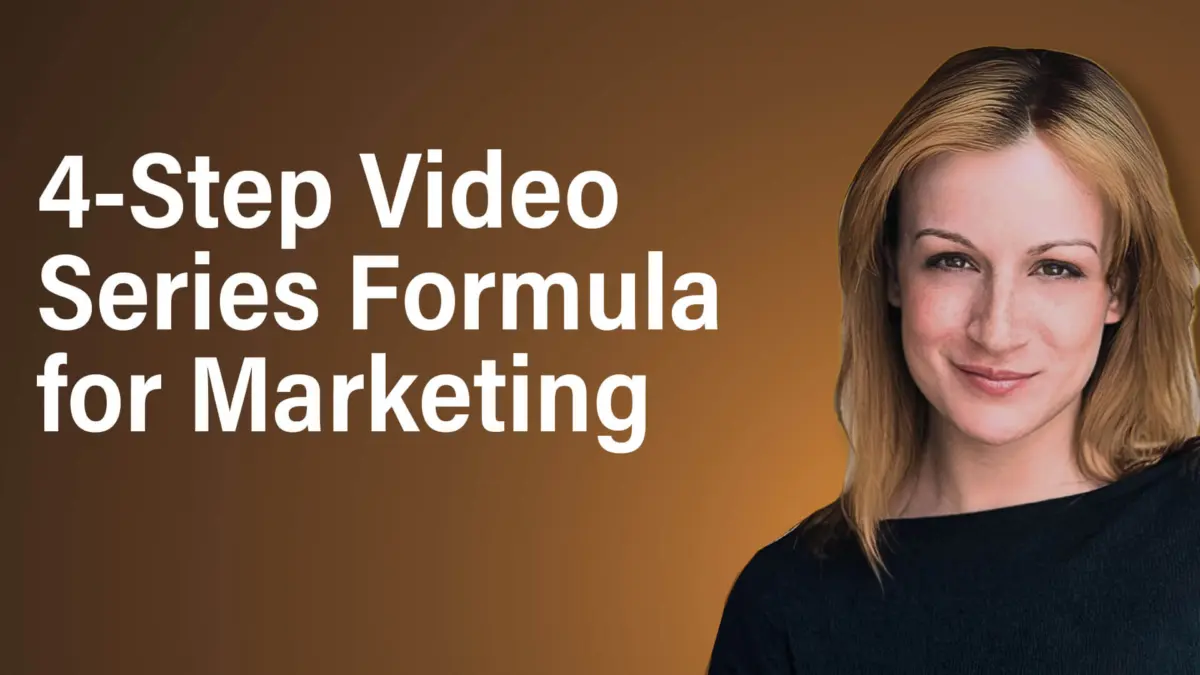
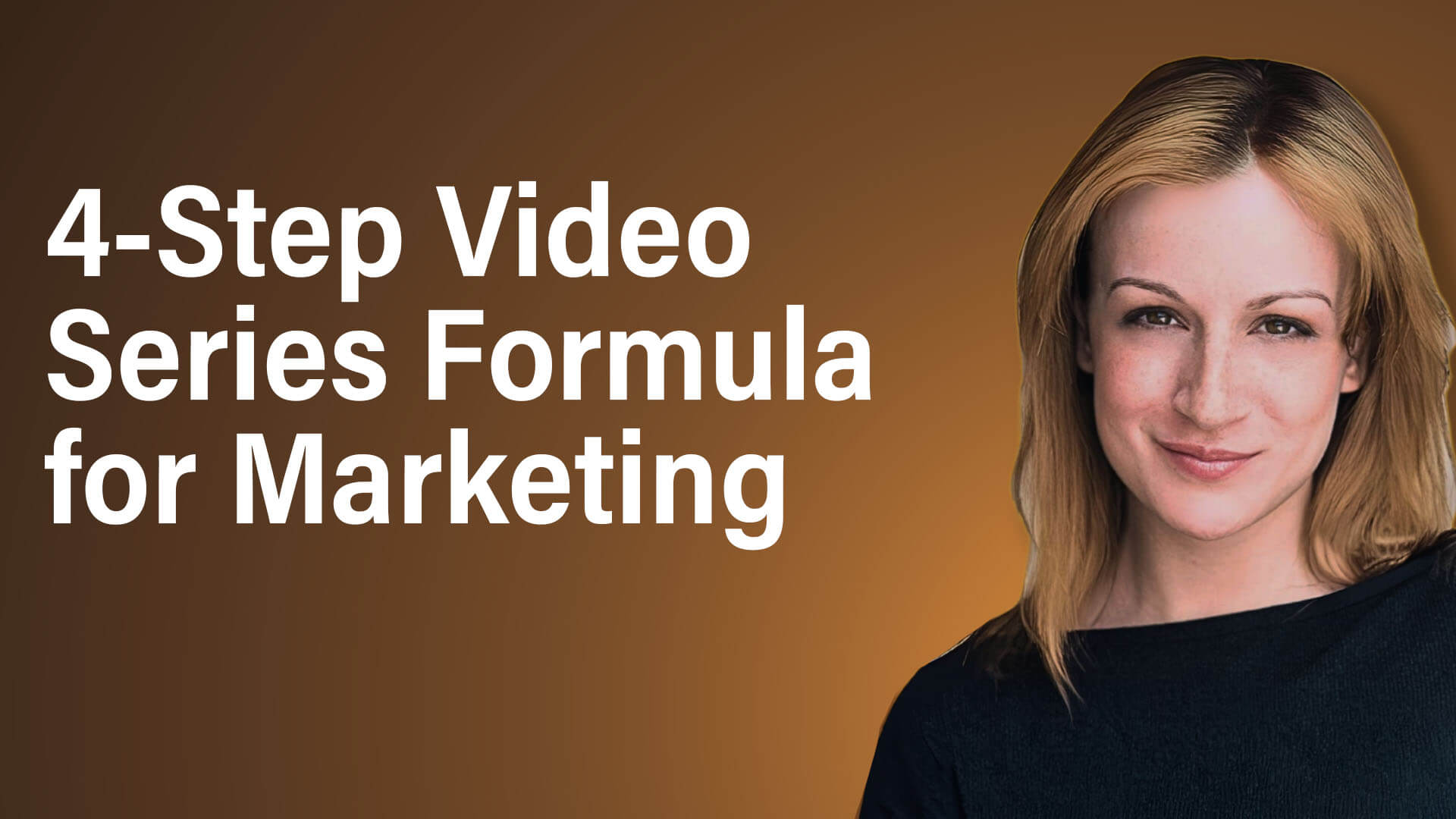
2. Hollywood Frameworks for Creators: Building a Binge-Worthy Video Series
The era of optimizing strictly for the algorithmic lottery—hoping a random, standalone video achieves viral velocity—is yielding diminishing returns. Modern social platforms prioritize watch time, user session length, and repeat viewership. Transitioning to a series-style content model requires adopting narrative structures historically reserved for television and cinema.
Why Viral Chasing Fails
Single viral hits rarely convert into sustainable business growth. A viewer who stumbles upon an isolated video lacks contextual brand trust, rarely navigates to the sales funnel, and rarely returns. In contrast, serialized content conditions audiences to anticipate future installments, systematically building the buyer trust required for long-term customer acquisition.
The Four-Part Educational Story Structure
According to video strategist and Writers Guild Award winner Daryn Strauss, effective educational content must eschew exhaustive scripting in favor of a flexible, four-part narrative formula:

- The Hook & Promise: Establish the core pain point and articulate the exact value proposition within the opening seconds.
- The Stakes: Validate why this problem matters, creating psychological tension for the viewer.
- The Core Insight: Deliver the actionable, educational framework without overcomplicating the narrative delivery.
- The Clear Next Step: Guide the viewer toward a specific, low-friction conversion action.
The Creator Archetype Strategy
To eliminate audience comparison syndrome and foster sustainable personal branding, creators must define their specific communicative role. Strauss outlines five primary creator archetypes:
- The Guide: Empathetic, experienced, and focused on mentoring the audience past common pitfalls.
- The Analyst: Data-driven, objective, and analytical.
- The Visionary: Forward-thinking, philosophical, and focused on macro-trends.
- The Troubleshooter: Tactical, highly practical, and focused on immediate problem-solving.
- The Entertainer: High-energy, comedic, and focused on engagement.
Aligning content creation with a singular archetype provides psychological consistency, allowing creators to stop comparing their metrics to mismatched peers and focus on consistent audience delivery.
Four Pillars of a Binge-Worthy Series
Transforming standalone assets into a cohesive series requires four structural components:
- The Quest: A unifying overarching goal or journey that spans multiple episodes.
- Tension Architecture: Cliffhangers or unresolved conceptual questions that incentivize viewers to seek out the next installment.
- Repeatable Formats: A predictable visual and structural rhythm that reduces cognitive load for both the creator and the consumer.
- Personal Resonance: Aligning the narrative format with the creator’s natural comfort level regarding personal storytelling.
Future Outlook: Strategic Recommendations for Marketers
As we look toward the remainder of the digital marketing cycle, several strategic imperatives emerge for brands aiming to maintain competitive advantage:

- Audit and Optimize Historical Assets: Do not let legacy content sit idle. Implement an ongoing quarterly audit of archival newsletters, blog posts, and long-form video descriptions. Update metadata for semantic AI search engines and verify that all embedded conversion links are active.
- Pivot from Campaigns to Content Universes: Abandon the treadmill of isolated, high-production standalone videos. Adopt serialized narrative frameworks that build episodic tension, establish clear creator archetypes, and maximize viewer retention across platforms like YouTube, TikTok, and Instagram Reels.
- Embrace Conversational Automation: Capitalize on native platform integrations—such as Meta’s keyword-triggered DMs and X’s Lead Generation Ads—to shorten the conversion funnel. Minimizing user friction between public engagement and private messaging is paramount for lead generation.
- Bridge the AI Education Gap: Recognizing that 85% of marketers experiment with AI independently, enterprise leadership must invest in internal training protocols. Equipping teams with standardized AI workflows, prompt libraries, and safe data-handling policies will mitigate individual guesswork and elevate organizational output.
By synchronizing long-tail asset optimization with rigorous narrative frameworks and cutting-edge platform integrations, modern marketers can transform algorithmic volatility into predictable, sustainable growth.