Executive Overview
The digital marketing and social media landscape is undergoing a profound structural evolution, driven primarily by the rapid democratization of artificial intelligence tools, increasingly sophisticated platform search algorithms, and a regulatory push toward strict content transparency. Over the past week, major social platforms have rolled out sweeping updates designed to lower barriers to entry for advertisers while simultaneously raising the stakes for content authenticity.
From Instagram’s elevation of its search bar as a premier content research tool to TikTok’s deployment of generative AI ad agents, marketers are tasked with balancing automated efficiency with human-centric, scroll-stopping creative execution. Concurrently, platforms like Reddit, Snap, YouTube, and X have introduced targeted updates to their advertising measurement frameworks, monetization systems, and engagement capabilities.
This briefing provides an authoritative, deep-dive analysis of these developments, offering strategic insights for brands, media buyers, and creators navigating the shifting paradigms of digital engagement.
Detailed Chronology & Core Developments
1. Instagram: Leveraging the Search Engine and Managing AI Profile Compliance
Content ideation remains one of the most persistent bottlenecks for digital marketers. According to insights shared by Michelle Gifford at Social Media Marketing World, the most overlooked research tool for planning high-performing content is already embedded within every marketer’s pocket: the Instagram search bar.
Instead of relying solely on generic brainstorming, marketers are advised to treat Instagram as a search engine. The content that appears at the top of keyword-specific search results represents material that the platform’s algorithm has already empirically validated as high-performing and aligned with user demand. Gifford recommends a weekly research routine:
- Identify top-performing content within specific keyword niches.
- Feed competitor handles into advanced language models (such as Claude) alongside your own brand metrics to analyze content patterns, identify strengths to emulate, and pinpoint market gaps.
- Establish three to five core content pillars derived directly from proven search demand.
Concurrently, Instagram is cracking down on platform transparency regarding artificial intelligence. The platform has introduced a formal "AI-generated profile" label for accounts featuring AI-generated human personas. Accounts that utilize AI-generated identities must apply this label or face severe reach penalties and limited recommendations. Crucially, the policy draws a clear distinction between creators who utilize AI tools to assist in their editing or ideation workflows and accounts that present a wholly synthetic identity. Creators who properly disclose their synthetic nature will not face algorithmic penalization, while those incorrectly flagged retain the right to appeal via their Account Status dashboard.

2. TikTok: AI-Powered Advertising and Interactive Comments
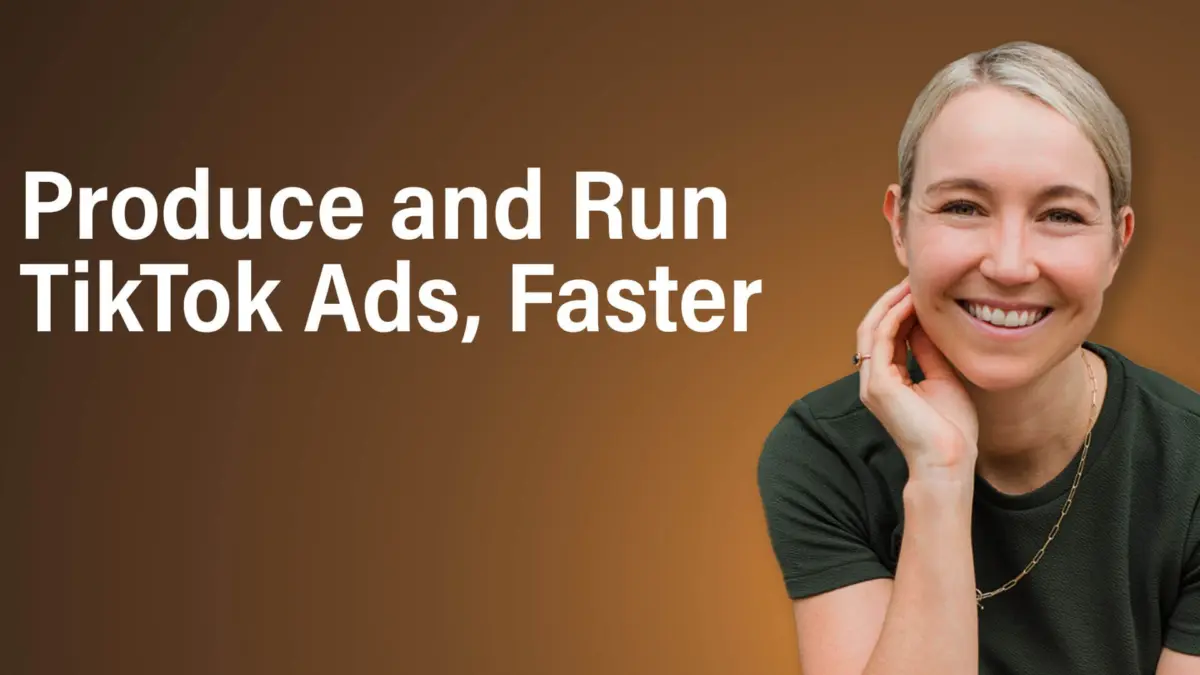
TikTok has introduced a comprehensive suite of AI-driven capabilities aimed at democratizing advertising for businesses of all sizes, regardless of their internal creative bandwidth. Melissa Laurie, founder of Oysterly Media, highlights several key shifts:
- Conversational Ad Management: Advertisers can now connect their TikTok ad accounts directly to external AI workflows, enabling them to manage campaigns, analyze performance data, and strategize via natural language prompts, bypassing the traditional Ads Manager interface.
- Downloadable AI Skills: A new category of specialized tools allows brands to analyze winning creative frameworks and receive automated recommendations for budget allocations.
- On-Demand Video Creation: Upgraded creative studios can ingest brand guidelines and real-time platform trends to generate fully realized, editable video ads.
Despite these advanced automation tools, industry experts emphasize that raw, unpolished video content continues to outperform highly produced, corporate-style advertisements on TikTok. The most effective campaigns rely on authentic opening hooks and native-feeling storytelling rather than glossy production values.
In addition to advertising updates, TikTok is expanding its organic engagement features by rolling out voice responses (up to 60 seconds), photo carousels (up to nine images in a single comment), Live Photo comments, and creator-managed comment polls featuring up to five choices.

3. Reddit: Monetization, Optimization, and Automation Expansion
Reddit continues to mature its advertising ecosystem with two major rollouts exiting beta testing:
- 15-Second Engaged Video Views: Advertisers can now optimize and bid specifically for users who complete shorter videos or watch at least 15 seconds of longer creative assets. Backed by automated bidding and pay-per-engaged-view billing, this global public beta gives brands a dedicated tool for messages requiring extended consumer attention.
- Max Campaigns for All Advertisers: Automated targeting, placement selection, creative optimization, and budget allocation are now accessible to all Reddit advertisers. The rollout includes enhanced Advertising API support, integrations with Smartly, and new asset grouping capabilities designed to simplify multi-product campaign management.
4. Snap, X, and YouTube: Ecosystem and Attribution Updates
- Snapchat: Global availability of Unified Attribution for app advertisers using AppsFlyer or Adjust merges performance metrics and Measurement Partner (MMP) conversion data into a single, real-time interface.
- X (formerly Twitter): U.S.-based payouts for Original Content Rewards and Subscriptions have officially transitioned to X Money, streamlining access to creator earnings.
- YouTube: The platform is testing automated retailer optimization for affiliate products—allowing alternative local retailers to serve tagged items if performance metrics dictate—while expanding its "Watch With" feature, enabling mobile creators to livestream reactions alongside other broadcasts with independent monetization frameworks.
Supporting Context & Industry Metrics
The convergence of generative AI tools and programmatic ad optimization is fundamentally altering cost-per-acquisition (CPA) benchmarks across digital ecosystems. Early adopters of automated campaign suites—such as Reddit’s Max campaigns—have reported measurable decreases in acquisition costs alongside increased conversion volumes, validating the shift toward algorithmic budget and audience management.
Simultaneously, the regulatory and platform-enforced clampdown on synthetic media reflects growing consumer demand for authenticity. With Instagram penalizing unlabeled AI-generated profiles and TikTok prioritizing unpolished, human-centric video creative, brands face a dual mandate: leverage AI for operational efficiency and data-driven ideation, while doubling down on authentic human storytelling to maintain audience trust.
Official Statements and Industry Perspectives
"The content that appears at the top of keyword searches is the content the algorithm has already validated as high-performing. By studying these results before you create, you skip the guesswork and build content based on proven demand."
— Michelle Gifford, Content Strategist & Speaker (via Social Media Marketing World)"TikTok’s latest updates are designed to make advertising accessible to businesses of all sizes, but marketers must know where to stay hands-on—particularly when it comes to maintaining the raw, unpolished creative style that stops the scroll."
— Melissa Laurie, Founder of Oysterly Media
Future Outlook
Over the next 12 to 18 months, the line between manual media buying and AI-driven campaign management will continue to blur. Advertisers must prepare for an environment where conversational agents handle routine optimization tasks, leaving human strategists to focus on brand positioning, high-level creative direction, and community building.

Key trends to monitor include:
- Stricter Synthetic Media Regulations: Expect platforms beyond Instagram to adopt rigorous labeling requirements for AI-generated profiles and hyper-realistic synthetic video assets.
- Cross-Platform Attribution Standardization: Solutions like Snap’s Unified Attribution will become the baseline expectation for multi-channel advertisers seeking real-time Return on Ad Spend (ROAS) clarity.
- Search-First Content Architecture: Organic social strategy will increasingly mirror traditional Search Engine Optimization (SEO), with creators utilizing native search data and algorithmic validation loops to dictate content calendars.
Marketers who successfully integrate AI efficiencies while preserving authentic, human-led creative resonance will be best positioned to capture consumer attention in an increasingly saturated digital economy.