Executive Overview
The autumn fashion cycle has proven to be one of the most volatile and culturally intersected periods in recent memory. Within a single week, the industry witnessed a massive restructuring of its highest-ranking executive and creative personnel—most notably marked by a simultaneous exodus of major creative directors across legacy European luxury houses—alongside an unprecedented acceleration of pop-cultural streetwear collaborations.
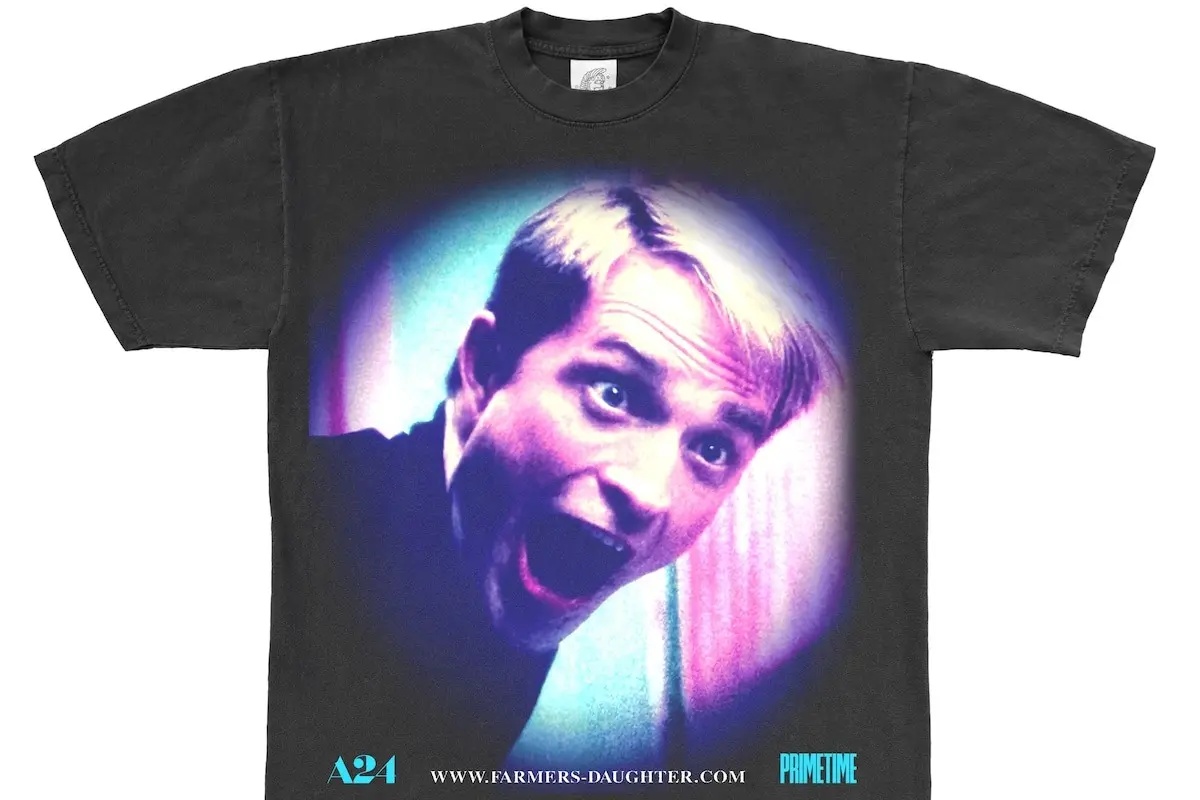
While houses like Saint Laurent, Alexander McQueen, and Calvin Klein grapple with the high-stakes game of "creative director musical chairs," independent labels and film production houses continue to rewrite the rules of modern retail. A24, the indie studio turned merchandising powerhouse, has deepened its footprint in the streetwear space by partnering with Los Angeles-based label Farmer’s Daughter for an apparel capsule tied to the upcoming film Primetime, starring Robert Pattinson.
Simultaneously, unexpected brand pairings—ranging from SZA’s debut campaign with Vans to Moncler enlisting avant-garde icons Cher, Grace Jones, and BLACKPINK’s Jennie—demonstrate a luxury market heavily reliant on cross-generational star power and meme-literate marketing. This report provides an authoritative, comprehensive investigative breakdown of the major shifts, collections, and executive exits shaping the global fashion economy this season.
Detailed Chronology: A Week of Industry Disruption
The convergence of cinematic merchandise drops, archival retrospectives, and high-level corporate departures created a dizzying timeline for fashion analysts and consumers alike.
Monday: The Luxury Exodus Begins
The week’s news cycle kicked off with high-level tremors in European luxury. Rumblings that had circulated through the atelier corridors for weeks were confirmed when Anthony Vaccarello officially parted ways with Saint Laurent. Vaccarello’s tenure at the Kering-owned house had been defined by sharp tailoring, razor-thin silhouettes, and high-octane Parisian glamour, leaving a massive void at the pinnacle of French luxury.
Tuesday: Mid-Week Departures at McQueen and Calvin Klein
The corporate shockwaves intensified as two more major houses announced leadership vacuums. Both Seán McGirr and Veronica Leoni exited their respective creative posts. McGirr departed Alexander McQueen—having helmed the storied British house through a period of critical introspection—while Leoni stepped down from her position at Calvin Klein. The simultaneous departures of three major creative forces within a 48-hour window signaled an increasingly impatient luxury market where tenure lengths continue to shrink under mounting commercial pressures.
Wednesday: A24 Drops Primetime and Moncler Unveils Re/Icons
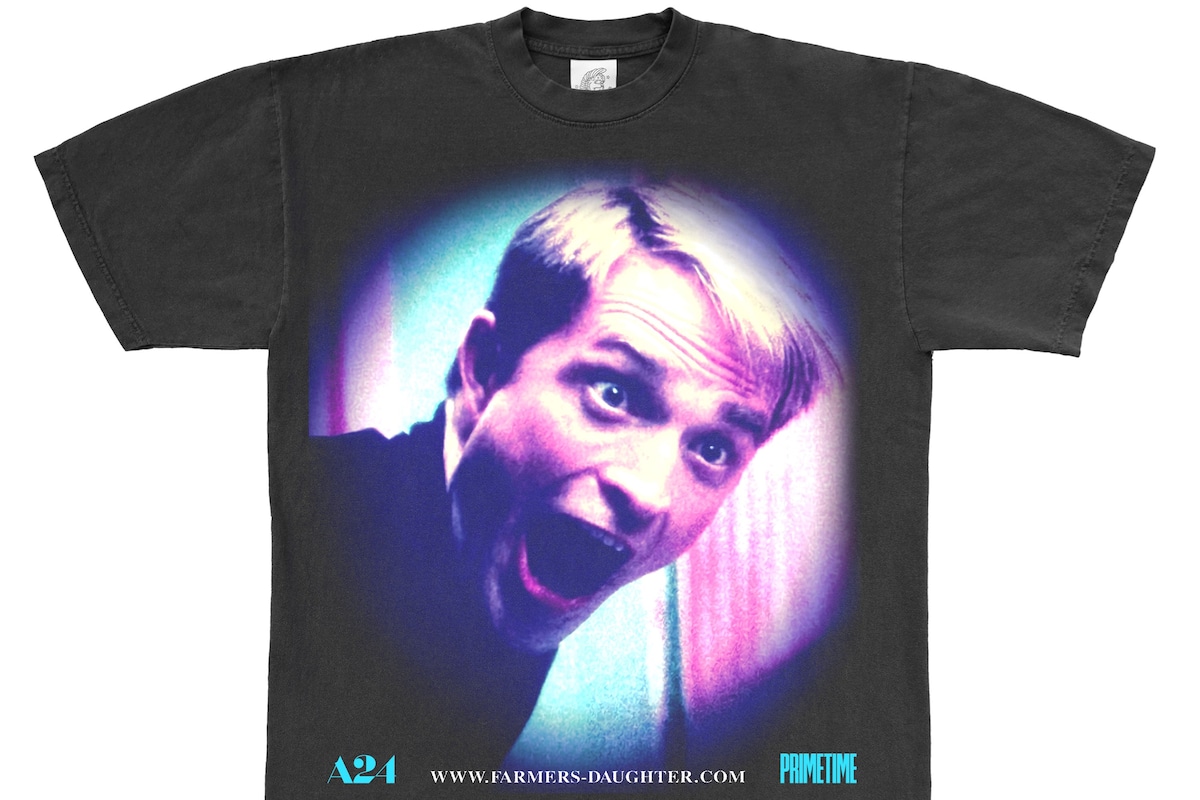
Shifting focus from the executive suite to the street, A24 and LA-based streetwear imprint Farmer’s Daughter officially launched their latest collaborative capsule. Centered around the upcoming crime drama Primetime—a dramatization of Chris Hansen’s To Catch a Predator starring Robert Pattinson as the American television host—the collection brought a dark, satirical edge back into contemporary menswear.
Concurrently, outerwear giant Moncler launched its Gabriel Moses-shot Re/Icons campaign. By recruiting multi-generational cultural titans Cher, Grace Jones, and Jennie of BLACKPINK, Moncler bypassed traditional millennial-targeted marketing in favor of a universal statement on timeless outerwear endurance.
Thursday to Friday: Archival Celebrations and Early Holiday Rollouts
As the corporate dust settled, independent designers and heritage brands looked toward cultural retrospectives and premature seasonal rollouts. Beijing-born designer Yang Li announced plans to open his Whitechapel studio for a massive archive sale titled NOTHING EVER ENDS, celebrating ten years of his eponymous brand by making pieces from over 30 collections available to the public.
Meanwhile, Ferragamo shattered calendar norms by launching its holiday campaign, The Joy of Loving, starring Kris Jenner alongside sibling models Paloma and Sage Elsesser. Vans also capitalized on the cultural zeitgeist by dropping imagery for Vansza, its debut sneaker and apparel collaboration with genre-bending musician SZA, photographed by India Sleem.

Supporting Context & Metrics: The Mechanics of the Cinematic Merch Economy
The marriage between independent cinema and high-end streetwear is no longer an accidental byproduct of fandom; it is a calculated, highly lucrative pillar of modern retail. To understand the cultural footprint of items like the Primetime zip-up or the ongoing obsession with Robert Pattinson’s likeness on apparel, one must examine the metrics driving the contemporary merchandise economy.
The A24 Effect: From Studio to Streetwear Monopoly
Since the release of Twilight in 2008, Robert Pattinson’s image has been utilized as a commercial anchor for fan merchandise—ranging from unauthorized bootleg tees to high-street iterations by Bershka. However, the elevation of cinematic merch into coveted, limited-run streetwear is a phenomenon largely pioneered and optimized by A24.
- The Scarcity Model: Unlike traditional film merchandising—which aims for mass-market saturation through big-box retailers—A24 and its collaborators (such as Farmer’s Daughter, Cactus Plant Flea Market, and Online Ceramics) employ artificial scarcity. Drops are typically unannounced or given brief pre-announcements, manufactured in limited quantities, and rarely restocked.
- The Secondary Market Valuation: Pieces like the spring A24 zip-up featuring Robert Pattinson and Zendaya routinely command a 200% to 400% markup on secondary platforms like Grailed, Depop, and StockX.
- The Irony Economy: Modern consumers—particularly Gen Z and younger millennials—engage with movie merchandise through a lens of post-ironic appreciation. Wearing a T-shirt emblazoned with a disturbing quote or an unsettling dramatic still (such as the Primetime hoodie featuring the sleeve text "YOU KNOW HOW THIS LOOKS, RIGHT?") operates as a subcultural badge of honor, signaling allegiance to prestige cinema and internet meme culture simultaneously.
Creative Director Turnover: The Kering and Richemont Pressure Cooker
The departures of Anthony Vaccarello, Seán McGirr, and Veronica Leoni point to a broader systemic issue within the luxury fashion conglomerates. According to industry financial analysts, the average tenure of a creative director at a major luxury house has dropped from over seven years in the late 20th century to less than three years today.
- The Revenue Slump: Following the post-pandemic luxury spending boom of 2021–2022, major houses have experienced significant quarterly revenue contractions, particularly in the Chinese and North American markets.
- The Creative Burnout Cycle: Designers are now expected to produce anywhere from six to eight collections annually (Ready-to-Wear, Haute Couture, Cruise/Resort, Pre-Fall, and capsule collaborations), leading to severe creative exhaustion.
- The Replacement Game: As the musical chairs of fashion continues, industry insiders are eagerly anticipating where Vaccarello, McGirr, and Leoni will land, and which unknown talents or established veterans will be tapped to stabilize Saint Laurent, McQueen, and Calvin Klein.
Official Statements & Industry Perspectives
The convergence of high-art fashion and pop-culture subversion has elicited strong responses from the creators at the center of this week’s news cycle.
Alix Ross, founder of Farmer’s Daughter, discussed the organic inception of the Primetime partnership and his enduring relationship with the indie studio:

"Actually, what the fuck?" was Ross’s initial reaction upon viewing early cuts of the film.
He added: "Lance [Oppenheim] is an amazing filmmaker. Rob [Pattinson] is my favorite actor. I love working with A24. They’re the best, they are always down to support my ideas."
The collaboration utilizes direct dialogue and unsettling thematic elements from the film, bridging the gap between true-crime dramatization and wearable art. The collection includes two graphic T-shirts, a heavyweight hoodie, and a utilitarian raincoat, each emblazoned with raw quotes pulled directly from the screenplay.
In the realm of archival preservation, Yang Li’s decision to open his Whitechapel studio for the NOTHING EVER ENDS sale speaks to a growing desire among independent designers to bypass traditional wholesale models and connect directly with their core consumer base. By making a decade of design history accessible outside of traditional museum spaces, Li is redefining how independent labels handle excess inventory and historical output.
Future Outlook: What’s Next for Retail and Luxury?
As the industry pivots toward the winter shopping season and prepares for the upcoming round of international fashion weeks, several key trends are set to dominate the retail landscape:

- The Proliferation of Cross-Disciplinary Collaborations: Expect more film and television studios to adopt the A24 merchandising blueprint. The boundary between cinematic marketing departments and independent streetwear labels will continue to dissolve as studios realize that physical garments offer a higher return on cultural capital than digital advertising alone.
- The Stabilization of Vacant Houses: Over the next two quarters, all eyes will be on Kering and parent companies to announce the successors to Vaccarello, McGirr, and Leoni. Speculation is already mounting regarding whether these houses will lean toward safe, commercial veterans or take risks with underground design talent.
- The Rise of Experiential Retail: With projects like Yang Li’s Whitechapel studio sale and Margaret Howell’s newly opened London Workroom—designed to honor local, specialist shirtmaking heritage—consumers are increasingly prioritizing physical proximity to production and tangible heritage over sterile e-commerce experiences.
Ultimately, whether through an ironized Robert Pattinson T-shirt or a multi-generational Moncler campaign, the modern fashion consumer is demanding authenticity, narrative depth, and a direct line to the culture they consume. The brands and designers that successfully navigate this shifting terrain will be those flexible enough to bridge the gap between high conceptual art and accessible pop-cultural commentary.