Executive Overview
In the fast-paced ecosystem of internet culture, viral trends frequently emerge from unexpected corners of the globe, transforming niche educational content into global comedic gold. The latest sensation capturing the imagination of millions across TikTok, YouTube, and Douyin is Shan Shen Bu (闪身步)—also referred to simply as Shanshenbu.
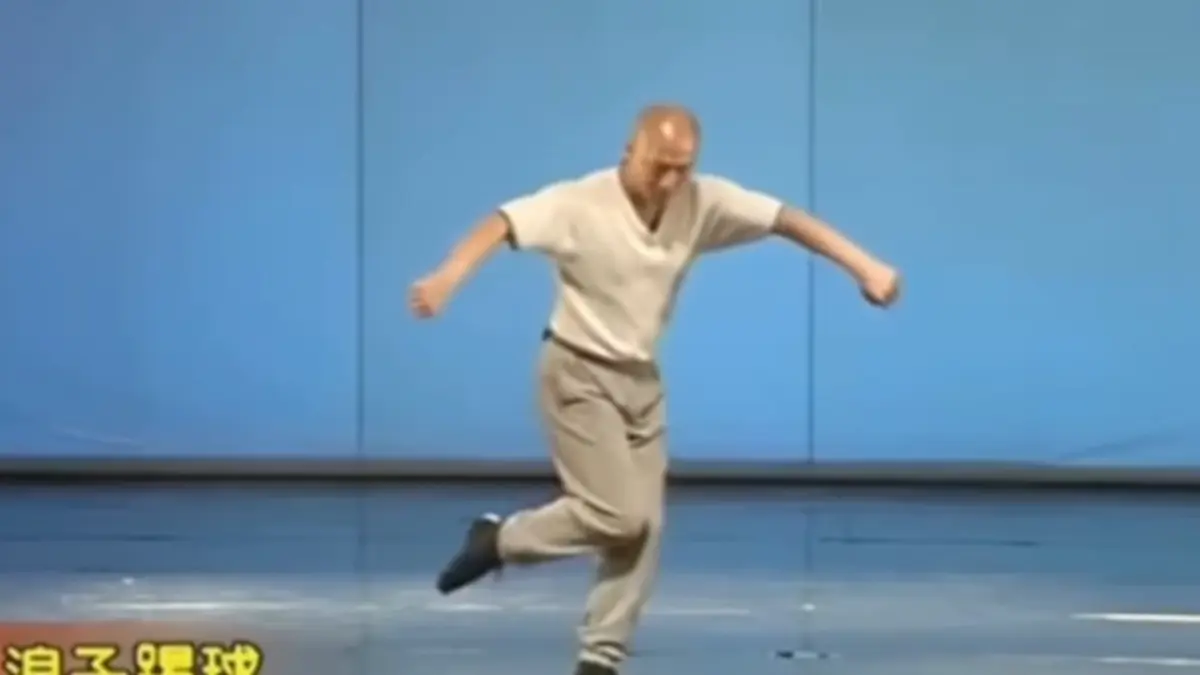
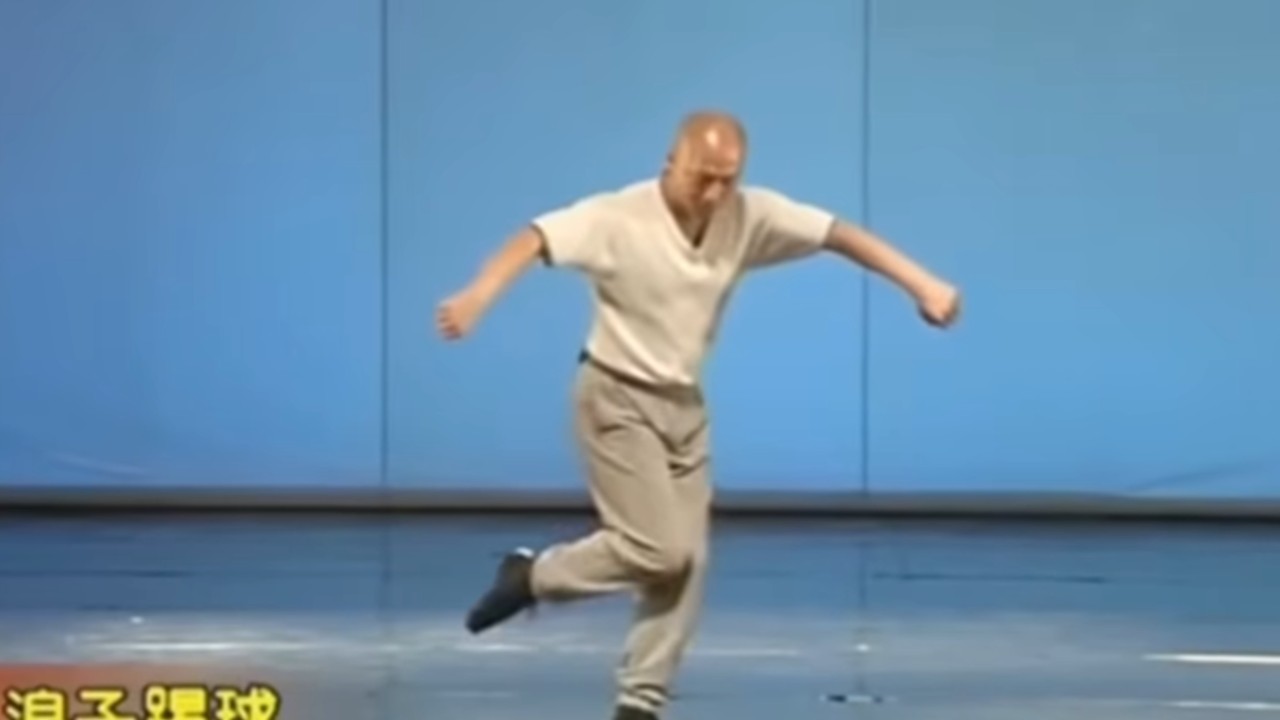
Rooted in traditional Han Chinese folk dance, the trend stems from an instructional video hosted by Professor Zhao Tiechun of the prestigious Beijing Dance Academy. In the footage, Professor Zhao methodically breaks down a series of dynamic choreography steps, reciting and acting out each movement with the authoritative grace of a seasoned master. What began as a formal pedagogical exercise, however, quickly underwent a radical internet mutation.
By late September and early October 2026, international social media users repurposed the instructional steps into a comedic physical gag. Today, Shanshenbu is most commonly recognized as a viral meme where creators utilize the distinctive "flash step" to comically dodge awkward social interactions, workplace responsibilities, and unexpected confrontations. This comprehensive report examines the origins, trajectory, cultural impact, and broader implications of the Shanshenbu phenomenon as it continues to dominate short-form video algorithms worldwide.
Detailed Chronology: From Academy Classroom to Global Feed
The journey of Shanshenbu from an elite academic institution to the feeds of millions of everyday internet users is a masterclass in modern digital diffusion. The timeline of its ascent highlights how decentralized re-uploads and comedic re-contextualization can turn standard educational material into viral currency.
Late September 2026: The Initial Spark on TikTok
While the precise genesis of the meme traces back to domestic Chinese platforms like Douyin, the trend crossed over to Western audiences in late September 2026. On September 25th, 2026, TikTok creator @imjoeyreed published one of the earliest viral adaptations of the routine. By pairing Professor Zhao’s instructional cadence with situational comedy, the video struck an immediate chord, accumulating over 464,000 views within its first three weeks. This early post established the template for what would follow: treating high-art traditional choreography as a practical, everyday survival mechanism.
Early October 2026: YouTube Amplification and Viral Escalation
As the meme gained momentum, archival and re-upload channels stepped in to satisfy a surging global curiosity regarding the source material. On October 2nd, 2026, YouTuber 请key reuploaded the full instructional video featuring Professor Zhao Tiechun teaching the Chinese flash dance. The video achieved explosive growth, crossing the one-million-view threshold in less than a fortnight and serving as the definitive reference point for users seeking to learn the authentic steps.
The meme’s comedic application solidified just days later. On October 4th, 2026, TikTok user @._su05 uploaded a sketch reinterpreting the dance steps literally—using the swift, evasive movements of the Shanshenbu to physically dodge an unwanted encounter. The clip resonated deeply with global audiences, pulling in over 1.3 million views in two weeks and cementing the "dodging" trope as the core mechanic of the trend.
Mid-October 2026: Diversification and Workplace Saturation
By mid-October, the trend had matured into a multi-faceted meme format. On October 10th, @china_trending8 posted a breakdown emphasizing the move’s origins in traditional Han Chinese folk dance, which garnered an additional 450,000 views in six days.
Concurrently, creators began applying the Shanshenbu framework to hyper-specific subcultures and scenarios. Office workers utilized the flash step to evade approaching managers; retail employees deployed the moves to dodge customer inquiries; and international dance enthusiasts flooded the hashtag with tutorial attempts of their own. By mid-October, the hashtag had transformed from a localized novelty into an international cross-platform staple.
Supporting Context & Metrics: Cultural Roots and Algorithmic Reach
To fully understand why Shanshenbu captured the global consciousness, one must examine both its traditional heritage and the quantitative metrics driving its digital distribution.
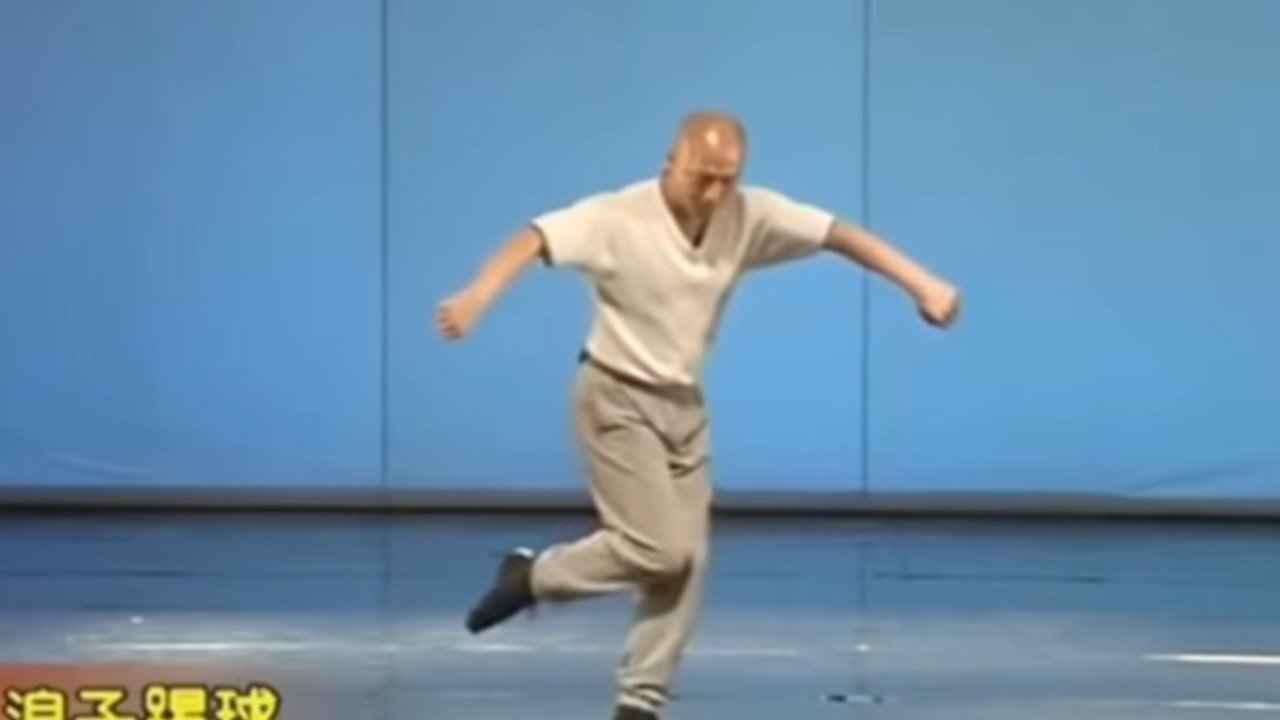
The Art Form: Traditional Han Chinese Folk Dance
At its core, Shanshenbu is not a modern internet invention; it is a meticulously preserved movement vocabulary. Professor Zhao Tiechun’s instruction at the Beijing Dance Academy reflects decades of rigorous academic study into Han Chinese folk traditions. The term itself translates roughly to "flash-body step" or "evasive step," historically designed to showcase agility, swift directional changes, and expressive bodily control within classical and folk performance frameworks.
The irony that underpins the meme relies on this contrast: users are taking a disciplined, highly technical martial or theatrical evasion technique and applying it to trivial, modern inconveniences. This juxtaposition between elite conservatory instruction and mundane slapstick humor is a proven formula for viral success on platforms driven by algorithmic irony.
Quantitative Metrics and Engagement Analysis
While official search interest metrics continue to climb as new regions adopt the trend, engagement data across major platforms illustrates the sheer scale of the Shanshenbu wave:
- The Source Material: Re-uploads of Professor Zhao’s tutorial routinely clear seven-figure view counts on YouTube within weeks of posting.
- The Comedy Skeletons: Early viral sketches, such as @._su05’s workplace and street-dodging skits, easily surpass 1.3 million views, proving high replay value and algorithmic favorability.
- Hashtag Ecosystem: Variations of
#shanshenbu,#闪身步, and#chinesetiktokhave accumulated tens of millions of cumulative impressions, driven by cross-pollination between Western TikTok and Chinese Douyin communities.
Official Statements and Academic Perspectives
While major institutions like the Beijing Dance Academy have not issued formal press releases regarding the unexpected internet stardom of Professor Zhao Tiechun, cultural commentators and dance historians have weighed in on the phenomenon.
Digital culture analysts note that Shanshenbu represents a healthy, organic form of cross-cultural exchange. Unlike manufactured trends designed by marketing agencies, this phenomenon showcases grassroots appreciation for authentic Asian performance arts, even if that appreciation manifests through the lens of internet satire.
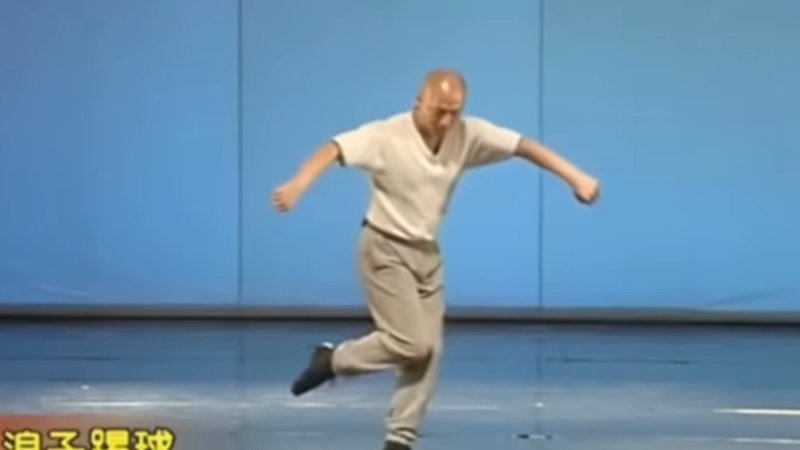
Furthermore, dance educators have cautiously praised the unexpected spotlight on traditional training. While purists might initially balk at classical techniques being reduced to a meme, many educators acknowledge that millions of young people worldwide are now exposed to the terminology, structure, and aesthetic beauty of traditional Chinese folk dance—an audience that traditional academic outreach rarely reaches directly.
Future Outlook: Where Does the Flash Step Go From Here?
As with all viral internet phenomena, the lifespan of Shanshenbu faces the inevitable challenge of saturation and fatigue. However, several factors suggest the movement may leave a lasting imprint on digital culture:
- Mainstream Integration: As fitness influencers and dance creators adopt the routine for cardio and workout challenges, the physical reality of the dance may outlast its pure meme status.
- Cross-Platform Longevity: The bridge built between Douyin and TikTok via Shanshenbu reinforces a growing trend where Chinese domestic internet culture seamlessly bleeds into Western mainstream media, a conduit that will likely accelerate future trends.
- Institutional Recognition: It remains to be seen whether Professor Zhao Tiechun or the Beijing Dance Academy will capitalize on the global visibility, potentially through official remote masterclasses or collaborative digital content.
Ultimately, Shanshenbu stands out as a unique cultural artifact of late 2026—a brilliant collision between high academic discipline and low-brow internet comedy that proved, if nothing else, that sometimes the best way to handle life’s challenges is to simply execute a textbook flash step and dance your way out of them.