Executive Overview
The global PC gaming hardware landscape is facing an unprecedented crisis. What began as localized supply disruptions and component shortages has metastasized into a full-scale market catastrophe, pushing graphics card pricing into territory that many industry analysts and consumers describe as entirely unsustainable. According to recent intelligence reports from hardware tracking outlets like ChannelGate, wholesale spot prices for Nvidia’s coveted RTX 50-series graphics cards are scaling dizzying new heights, starting in the Chinese domestic market and rapidly threatening to cascade across international retail channels.
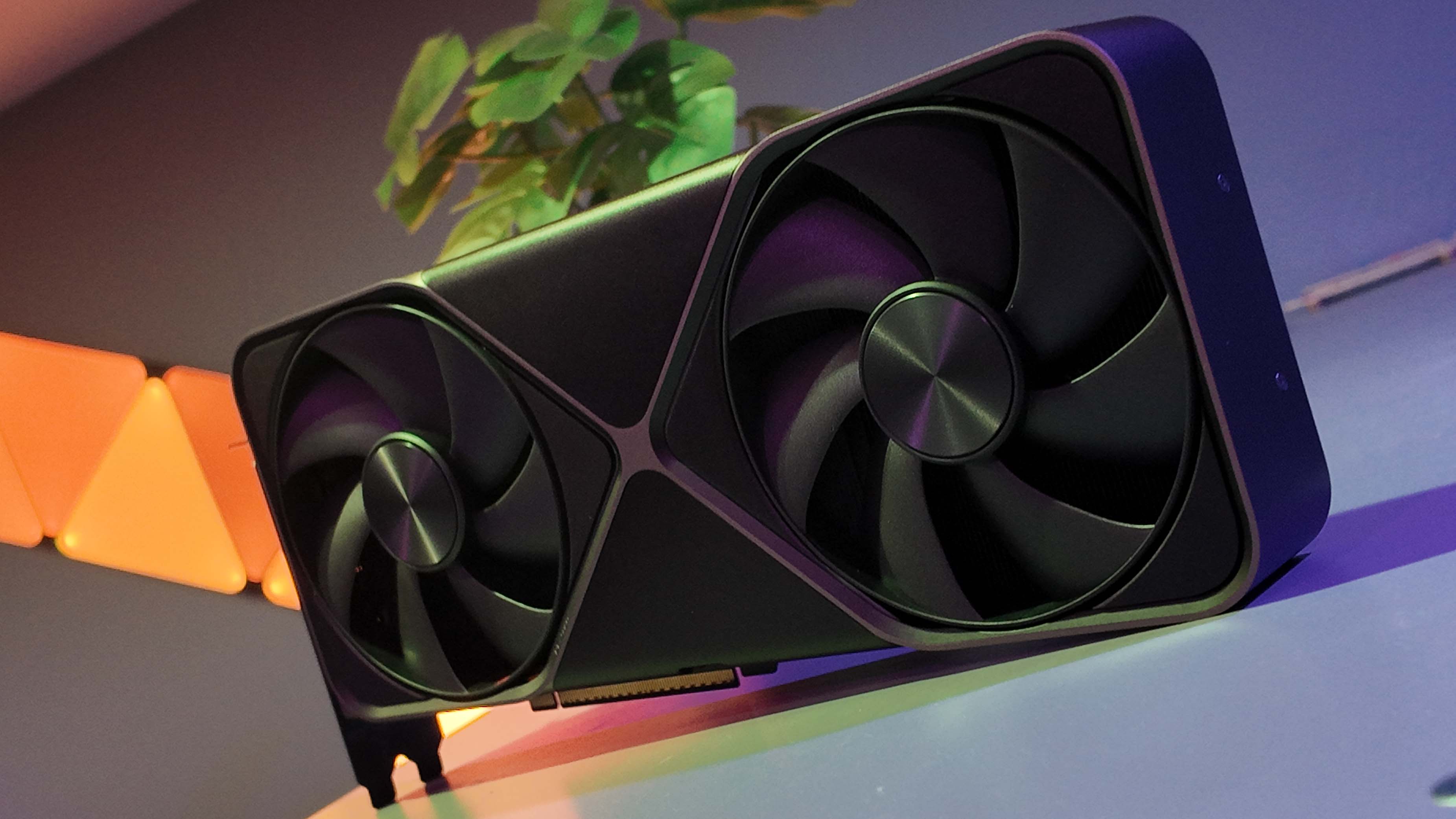
The epicenter of this latest surge centers on high-end components, most notably the 16 GB Nvidia GeForce RTX 5080, which has recorded wholesale spikes of roughly 2,000 CNY (approximately $300 USD) in a single market cycle. Mid-tier cards are by no means spared; the RTX 5070 Ti has similarly suffered marked wholesale inflation. Compounded by aggressive price-policy updates from major board partners like Asus—affecting everything from mid-tier Nvidia chips to competing AMD hardware stacks—the ripple effects are being felt acutely by everyday consumers.
In North America and Europe, retail shelves reflect this macro-level chaos. Entry-level hardware that once served as the gateway for budget-conscious builders now commands premium prices, while high-end flagships sit comfortably out of reach for all but the most affluent enthusiasts. Driven by a volatile mix of surging AI-driven component demand, global memory shortages, looming production bottlenecks, and strategic product cycle shifts, the hardware market finds itself trapped in a vicious cycle. As industry indicators flash red, the immediate future for PC builders looks bleak, raising serious questions about the long-term accessibility of PC gaming as a mainstream hobby.
Detailed Chronology: How the 2026–2027 GPU Market Escalated
To understand the severity of the current pricing crisis, one must trace the compounding series of supply chain shocks and corporate maneuvers that have defined the hardware sector over the past year.
The Early-Generation Setup and Initial Shocks
When Nvidia initially introduced the RTX 50-series architecture, consumers anticipated the usual generational teething problems: tight initial inventory, scalper activity, and premium pricing on custom partner cards. However, unlike previous generations where supply stabilized within a few months, structural macro-economic pressures intervened.
By late 2026, global memory markets—specifically high-density GDDR7 and system RAM—began experiencing severe constriction. The insatiable demands of enterprise artificial intelligence infrastructure monopolized silicon wafer allocations and advanced packaging facilities worldwide. Consequently, memory and storage component costs skyrocketed, pulling graphics card manufacturing costs upward before the chips even left the assembly line.
The ChannelGate Revelations and Wholesale Escalation
The situation intensified dramatically when hardware intelligence firm ChannelGate published tracking data revealing that wholesale spot prices for Nvidia’s RTX 50-series were creeping upward at an alarming velocity in key Asian distribution hubs.
- The RTX 5080 Spike: Wholesale spot pricing for the 16 GB RTX 5080 surged into the 14,500 to 15,000 yuan range, translating to an astonishing $2,171 to $2,246 USD conversion tier. Individual wholesale lots jumped by roughly 2,000 CNY ($300 USD) almost overnight.
- Mid-Range Creep: The RTX 5070 Ti wasn’t immune, logging wholesale increases of approximately 600 CNY ($90 USD), signaling that the price pressure was bleeding down from the ultra-enthusiast tier into the performance sweet spot.
Major Board Partners Adjusting Policies
Following the wholesale market shifts, major original equipment manufacturers (OEMs) and board partners began formalizing systemic price increases. Reports surfaced that Asus updated its pricing policies across its entire catalog stack.
Under the new directives, even modest performance tiers saw enforced upward adjustments:
- An additional 1,000 yuan ($150 USD) for the RTX 5080 16 GB.
- A 200 yuan ($30 USD) bump applied uniformly across the RTX 5070 Ti, RTX 5070, and RTX 5060 Ti 16 GB.
- A steady 100 to 300 yuan markup applied across competing AMD graphics card lines, demonstrating that the pricing contagion is industry-wide rather than brand-exclusive.
The Rumored RTX 5080 24GB Transition
Adding fuel to the fire are persistent rumors regarding product lifecycle adjustments. Reports indicate that Nvidia is weighing the discontinuation of the standard 16 GB RTX 5080 in favor of a beefed-up 24 GB "Super" variant targeted for an early 2027 release. ChannelGate estimates suggest that when this rumored 24 GB card officially hits wholesale channels, its starting spot price could reach an eye-watering 19,999 yuan—just under $3,000 USD at current exchange rates. This anticipated shift has created a vacuum in the high-end 16 GB bracket, artificially inflating demand and prices for existing stock.
Supporting Context & Metrics: The Retail Reality
While wholesale movements in overseas markets provide a predictive indicator, the retail reality facing consumers in the United States and Europe is nothing short of carnage.
The Collapse of Budget and Mid-Range Value
The historic definition of a "budget" or "mid-range" graphics card has been completely obliterated. A look at current GPU tracking pages and major retailer listings reveals pricing structures that break every historical precedent:
- The RTX 5080 Retail Floor: The absolute cheapest 16 GB RTX 5080 cards currently discoverable on major US retail platforms (such as Best Buy) hover around a wallet-shattering $1,850 USD.
- The Compression of the Stack: The pricing tiers for lower-end cards have compressed so tightly that the performance-to-cost ratio has broken down entirely. Only a meager $70 USD separates the entry-level RTX 5050, the standard RTX 5060, and the RTX 5060 Ti 8 GB.
- The Death of the Affordable GPU: Consequently, the cheapest available RTX 5050—Nvidia’s lowest-tier gaming GPU of the current generation—now commands a staggering $400 USD price tag. Paying $400 for an entry-level card represents a radical departure from historical pricing norms, pricing casual and youth demographics out of the custom PC building ecosystem entirely. Furthermore, the RTX 5060 Ti 16 GB now occupies the exact same pricing bracket as the superior RTX 5070 in many retail configurations, creating consumer confusion and market distortion.
The Dual Crises: Memory and Supply
This market degradation is driven by two interlocking macroeconomic forces:
- The Global Memory Crisis: Enterprise AI data center expansion continues to devour high-bandwidth memory (HBM) and advanced GDDR supplies. Because profit margins on enterprise hardware dwarf those of consumer gaming components, silicon foundries prioritize server contracts, leaving consumer GPU manufacturers scrambling for scraps.
- GPU Production Shortages: Wafer allocation constraints, coupled with yield challenges on cutting-edge process nodes, mean that actual physical output cannot keep pace with baseline global demand.
As a minor silver lining, consumers looking to upgrade their peripheral ecosystem will note that gaming monitors remain relatively affordable—offering a small consolation to those unable to justify purchasing a new graphics card.
Official Statements and Industry Insights
Major industry stakeholders have been largely tight-lipped regarding the long-term trajectory of retail pricing, preferring to attribute fluctuations to "dynamic global supply chain pressures" and "unprecedented component acquisition costs." However, distribution channels and supply chain analysts have been far more candid.
ChannelGate’s recurring dispatches emphasize that the current price increases are not temporary anomalies or seasonal retailer markups, but rather structural shifts baked into wholesale contracts. When primary board partners like Asus systematically rewrite their pricing policies upward across entire regional stacks, it signals a top-down corporate recognition that manufacturing overhead has fundamentally changed.
Independent hardware analysts have pointed out that the current generation of GPUs risks pricing itself into a niche luxury bracket. By prioritizing high-margin enterprise AI accelerators, silicon giants have inadvertently created an environment where the consumer PC market is forced to absorb the financial burden of a global technological shift it did not ask for.
Industry commentary underscores a growing sentiment of despair among independent system integrators and boutique builders, many of whom report plummeting order volumes as everyday enthusiasts simply elect to postpone their upgrade cycles indefinitely.
Future Outlook: What Lies Ahead for PC Gamers?
As the industry looks past the winter months and toward the remainder of 2027, the outlook for graphics card pricing remains profoundly grim.
Without a substantial, systemic intervention—such as a massive expansion in global silicon foundry capacity, a cooling of enterprise AI demand, or a radical shift in consumer hardware manufacturing strategies—the market is unlikely to experience any meaningful price correction.
Consumers hoping for a return to traditional price-to-performance ratios must temper their expectations. The normalization of $400 entry-level cards and $2,000+ enthusiast flagships threatens to permanently alter the economics of PC gaming. For those currently sitting on hardware from previous generations (such as the RTX 30-series or 40-series), the prevailing advice from hardware veterans is clear: hold onto your current rigs, maintain your components, and brace yourselves for a prolonged winter in the PC hardware market.