Executive Overview
Over the past twenty-four months, social media feeds have undergone a profound and picturesque metamorphosis. Where polished concrete fitness studios, heavy iron dumbbells, and neon-lit indoor gym chains once dominated digital wellness spaces, a new aesthetic has firmly taken hold. Snow-capped peaks, undulating emerald-green pastures, wandering cattle adorned with heavy bronze bells, and rustic timber cabins have captured the collective cultural imagination. It frequently appears as though overnight, an entire generation—alongside the family dog—has transformed into elite alpinists. Weekend warriors now scale rugged switchbacks clad in high-performance Gore-Tex, pausing only at dizzying altitudes to crack open a refreshing can of Almdudler.
This cultural pivot is far more than a fleeting algorithmic trend; it represents a fundamental recalibration of how modern society seeks wellness, community, and mental clarity. As burnout rates soar and urban environments become increasingly claustrophobic, the great outdoors has emerged as the ultimate sanctuary. This movement cuts across demographics, drawing in both seasoned mountaineers and absolute novices who have never laced up a pair of hiking boots before.
At the intersection of this cultural awakening is a profound shift in consumer values. People are no longer satisfied with fitness measured purely in calories burned on a treadmill screen. Instead, they crave tangible, immersive experiences that challenge both body and mind. Brands, too, are taking note. Industry leaders like adidas TERREX are actively investing in this space, recognizing that the mountains offer a unique crucible for personal growth, resilience, and female empowerment. By fusing physical endurance with mindful coaching, initiatives like the upcoming "Design Your Life" hiking experiences in Germany’s breathtaking Elbe Sandstone Mountains are redefining what it means to connect with nature—and with oneself.
Detailed Chronology: From Digital Escapism to the Trailblazing Boom
To understand how hiking conquered contemporary culture, one must trace the convergence of technological fatigue, pandemic-era lifestyle shifts, and the democratization of outdoor apparel.
The Pandemic Catalyst (2020–2021)
When global lockdowns restricted indoor movement, public parks and local nature reserves served as the primary escape valves for pent-up physical energy. Confined to cramped apartments and virtual workspaces, populations rediscovered the immediate physiological benefits of a simple walk in the fresh air. What began as a mandatory health measure quickly evolved into a cherished ritual. As travel restrictions gradually lifted, this newfound appreciation for local green spaces naturally expanded outward, prompting urban dwellers to venture further afield into regional nature parks, rolling hills, and eventually, high-alpine regions.
The Algorithmic Aestheticization of Nature (2022–2023)
As travelers returned to the wild, digital platforms captured the movement in real time. Content creators and everyday hikers alike began documenting their ascents, turning misty valleys, dramatic cliff formations, and sunlit ridges into viral currency. Phrases like "in a chokehold" became vernacular shorthand for the irresistible pull of these scenic vistas. The aestheticization of hiking blended utility with style: technical outdoor wear transitioned seamlessly from specialized mountaineering gear into high-fashion streetwear (often referred to as "gorpcore").
The Experiential Era (2024 and Beyond)
Today, the hiking boom has matured from an aesthetic trend into a lifestyle movement. Consumers are no longer content with merely viewing mountains through a smartphone screen; they demand authentic, physical participation. This evolution has prompted outdoor brands to shift their marketing strategies away from traditional product placement toward immersive, community-driven experiences. Rather than simply selling a jacket, brands are curating weekend retreats, educational workshops, and guided expeditions that foster deep interpersonal connections and personal empowerment.
Supporting Context & Metrics: The Anatomy of the Hiking Phenomenon
The resurgence of hiking is underpinned by a compelling matrix of physical, mental, and socio-economic factors that make it uniquely suited to the modern lifestyle.
Why We Climb: The Multi-Dimensional Benefits of Hiking
1. Accessibility and Affordability
Unlike elite fitness modalities that require expensive monthly memberships, specialized training classes, or proprietary equipment, hiking remains remarkably democratic. At its core, it requires little more than two reliable legs and a sense of curiosity. In most cases, the trails themselves are entirely free. Whether exploring local forest paths on a spontaneous micro-adventure or embarking on a week-long alpine trek, the barrier to entry is vanishingly low.
2. The Democratization of Adventure
The modern trail does not discriminate. It accommodates both the absolute beginner wearing borrowed sneakers and the seasoned trekker outfitted like an archaeological expedition team. This inclusivity has enabled people to experience nature on their own terms. Micro-adventures—short, single-day getaways or weekend trips—allow individuals who cannot relocate to alpine regions to experience profound disconnect and renewal without upending their professional lives.
3. Historical and Artistic Echoes
The landscapes drawing modern hikers are steeped in cultural resonance. The picturesque natural vistas found across Central Europe—featuring mystical rock formations, idyllic waterfalls, enchanted forests, and sweeping valley views—are the very same landscapes that inspired the great painters of German Romanticism. When contemporary hikers stand before a dramatic panorama, they are participating in a centuries-old tradition of artistic and spiritual contemplation.
4. The Power of Shared Vulnerability
While solo treks offer profound solitude, hiking is frequently elevated when shared with friends or partners. The rhythmic pacing of a multi-hour ascent creates a unique psychological space for conversation. Free from the distractions of glowing screens, notification chimes, and urban noise, interpersonal dialogue deepens organically. The shared physical struggle builds a camaraderie that is difficult to replicate in standard social environments.
5. Somatosensory Grounding and Mental Resilience
In a world dominated by sedentary, screen-based labor, hiking returns the human body to its evolutionary baseline. There are no mirrors, dumbbell racks, or digital counters to hide behind. Instead, participants experience raw feedback from their physical form: the powerful drive of leg muscles against gravity, the steep incline beneath the soles of the boots, and the burning sensation in the lungs as the air thins at higher elevations.
This physical challenge directly translates into mental fortitude. Pushing through exhaustion, managing breathing, and choosing where to place the next footstep serve as active lessons in decision-making and perseverance. These cognitive patterns—stepping up, pausing to rest when depleted, and actively believing in one’s capacity to overcome obstacles—form mental blueprints that individuals apply directly to their personal and professional lives.
Official Statements & Industry Integration: adidas TERREX and the "Design Your Life" Movement
Major athletic brands have recognized that modern consumers are searching for deeper meaning within their athletic pursuits. Rather than focusing exclusively on performance metrics, forward-thinking companies are aligning their missions with holistic personal development.
adidas TERREX, a leading voice in the outdoor apparel sector, has formally integrated the synergy between physical exertion and mental clarity into its core philosophy. Acknowledging that the mountains serve as an unmatched arena for self-discovery, the brand has continually developed initiatives designed to empower outdoor enthusiasts—particularly women—to push past their perceived limits.
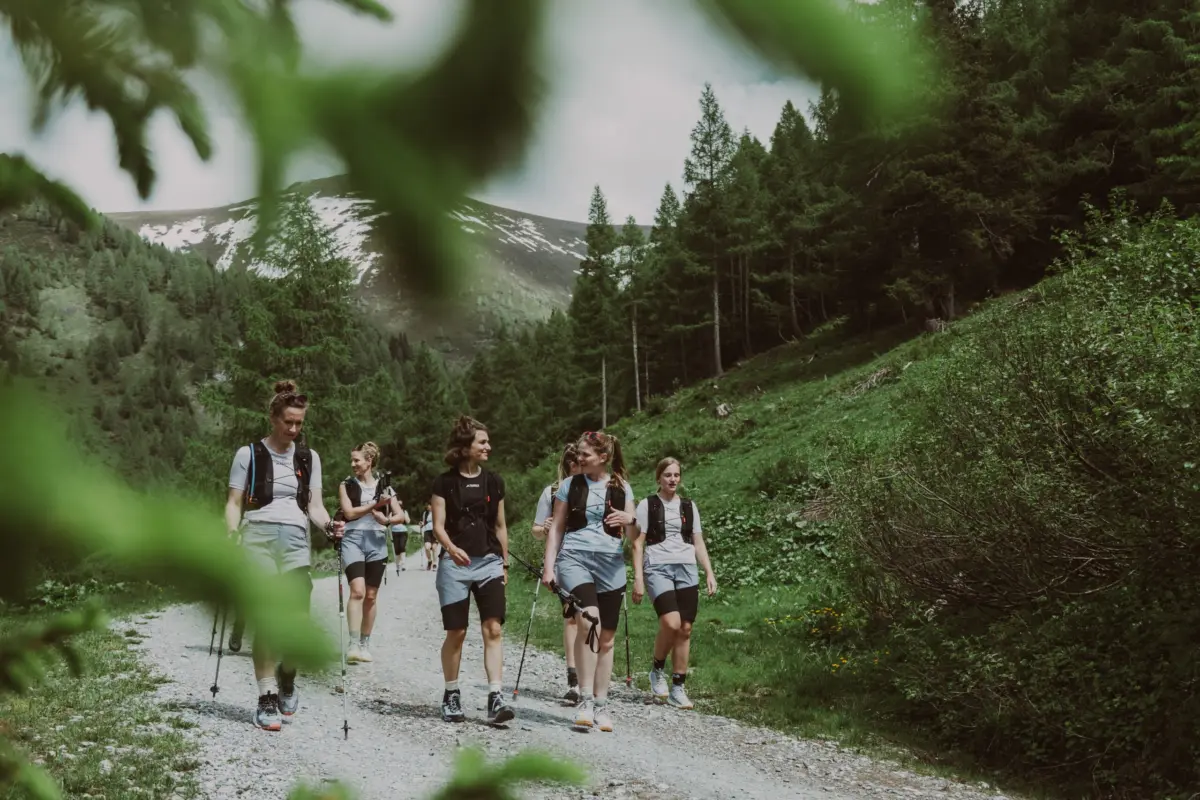
A prime manifestation of this philosophy is the “adidas TERREX Design Your Life” initiative and specialized hiking days. These curated experiences are specifically engineered to merge expert-led personal coaching with rigorous athletic exploration along some of Europe’s most legendary routes, such as the historic Malerweg (Painter’s Way) in the Elbe Sandstone Mountains.
Fostering Empowerment Through Community
Initiatives of this caliber are designed to answer a growing demand among women for spaces where athletic challenge intersects with mentorship and community building. By bringing together groups of like-minded individuals in dramatic natural settings, these programs address fundamental questions regarding personal growth, decision-making, and active future-planning.
Participants in such immersive workshops are typically provided with comprehensive support structures—including expert mountain guides, professional coaching, high-end mountain lodging, and complete technical gear packages—ensuring that every attendee can focus entirely on their physical and mental journey. The integration of professional photography and tailored nutrition further elevates the experience, transforming a simple weekend hike into a transformative milestone of personal development.
Future Outlook: The Permanent Shift Toward Mindful Outdoor Culture
As we look toward the future of wellness and recreation, it is evident that the hiking boom is not a cyclical fad destined to fade away with the next shifting algorithm. It is a structural recalibration of modern priorities.
1. The Rise of "Slow Adventure"
As urban centers become denser and digital connectivity grows more pervasive, the cultural appetite for offline, sensory-rich environments will only intensify. Future travel trends point away from passive tourism and toward "slow adventure"—journeys measured not by the number of sights checked off a list, but by the depth of physical immersion and mental restoration achieved.
2. Corporate and Brand Evolution
The commercial landscape will continue to adapt to this outdoor-first mentality. Brands that successfully merge technical innovation with holistic lifestyle integration will dominate the market. We can anticipate an increase in collaborative events where outdoor brands partner with mental health professionals, environmental conservationists, and life coaches to offer multidimensional retreats.
3. Sustainability and Trail Stewardship
With increased foot traffic comes the critical responsibility of environmental preservation. The future of the hiking movement will heavily depend on sustainable practices, eco-conscious apparel manufacturing, and rigorous trail stewardship. Educating the next generation of outdoor enthusiasts on Leave No Trace principles will be paramount to protecting the very landscapes that nourish our collective well-being.
Ultimately, the mountains will remain. Whether tackled through spontaneous weekend micro-adventures, structured mentorship workshops, or quiet solo ascents, the trail offers a timeless invitation: to step outside, breathe deeply, and discover the immense resilience waiting just beneath the surface.