Executive Overview
Over the past twenty-four months, a profound cultural shift has quietly swept across digital feeds, urban centers, and rural pathways alike. Snow-dusted peaks, emerald-green alpine meadows, cattle bells chiming across misty valleys, and weathered wooden huts have seized the collective imagination of a generation. It often feels as though overnight, an entire populace—alongside everyone’s closest circle of friends and their pets—has transformed into elite alpinists. Weekend warriors now scale rugged switchbacks clad in advanced Gore-Tex membrane jackets, conquering dizzying vertical meters before pausing at panoramic summits to crack open a cold regional herbal lemonade.
This modern obsession with hiking is far more than a fleeting aesthetic trend born of algorithmic preference. It represents a collective psychological recoil against hyper-digitization, urban burnout, and the relentless pacing of contemporary life. The phenomenon speaks to a deep, primal yearning for physical autonomy, tactile reality, and profound mental recalibration.
At its core, hiking offers a rare paradox: it is simultaneously intensely demanding and radically accessible. Requiring little more than a pair of resilient legs and a baseline of curiosity, the trail has leveled social stratifications. It welcomes the absolute novice alongside the gear-obsessed veteran whose equipment resembles an archaeological expedition kit.
Beyond the undeniable cardiovascular benefits and glute-burning exertion, the trail has become a crucible for mental wellness, interpersonal connection, and profound self-discovery. Brands and cultural institutions have taken note of this seismic lifestyle shift. Recognizing that the mountains serve as both a physical playground and a mental sanctuary, initiatives like the adidas TERREX "Design Your Life" Hiking Days have emerged. These immersive programs bridge the gap between outdoor athleticism and personal empowerment, proving that the lessons learned on steep inclines—grit, resilience, and deliberate pacing—are directly transferable to the boardrooms, relationships, and internal landscapes of modern life.
Detailed Chronology: The Evolution of the Hiking Boom
To understand how hiking transitioned from a niche recreational hobby into a dominant cultural lifestyle pillar, one must examine the timeline of events, socio-economic factors, and digital shifts that accelerated its rise.
Phase 1: The Pandemic-Era Reconnection (2020–2021)
The foundational roots of the current hiking surge trace back to the global health crises of the early 2020s. Lockdowns, remote work mandates, and sweeping travel restrictions forced populations indoors, creating an unprecedented appetite for open-air freedom. When urban parks reached capacity and international travel ground to a halt, local nature reserves, forest trails, and suburban hillsides became the primary outlets for physical sanity and emotional release. During this period, millions rediscovered the geography immediately surrounding their doorsteps. What began as a desperate measure to escape confinement gradually evolved into a conscious lifestyle habit.
Phase 2: The Aestheticization of the Trail (2022–2023)
As restrictions eased, the outdoor experience migrated online, permanently altering social media ecosystems. Platforms like Instagram and TikTok were flooded with high-definition vistas, morning mist rolling over ancient pine forests, and meticulously styled "trail aesthetics." High-performance outdoor brands collaborated with streetwear designers, making technical shells, trail-running shoes, and moisture-wicking layers desirable fashion statements. Hiking shifted from being perceived as a rugged, inaccessible endeavor for seasoned survivalists to an aspirational, visually captivating lifestyle choice. The trail became the new runway, and outdoor competency became a coveted social currency.
Phase 3: The Micro-Adventure and Sustainable Tourism Movement (2023–Present)
Today, the hiking movement has matured into a sophisticated philosophy of travel and self-care. Rejecting the carbon-heavy footprint of long-haul mass tourism, modern explorers increasingly embrace "micro-adventures" and single-day regional getaways. Trains and regional transit systems are utilized to access trailheads nestled within local mountain ranges, national parks, and biological reserves.
This phase is characterized by intentionality: travelers seek out mystical rock formations, hidden waterfalls, and enchanted valleys not merely for the photo opportunity, but for the meditative silence and the chance to disconnect entirely from digital noise. The movement has also fostered a powerful community aspect. Group hikes, co-ed excursions, and specialized women-centric outdoor workshops have redefined hiking as a collaborative, connective social ritual rather than a solitary pursuit.
Supporting Context & Metrics: The Anatomy of a Cultural Shift
The transformation of hiking from a traditional pastime into a multi-billion-dollar cultural juggernaut is supported by a confluence of physical, psychological, and socio-economic drivers.
The Low Barrier to Entry vs. High Return on Investment
Unlike golf, equestrian sports, or alpine skiing—disciplines burdened by steep financial overheads, specialized club memberships, and expensive equipment rentals—hiking remains fundamentally democratic. In its purest form, walking through nature is entirely free. A beginner can step onto a marked trail wearing comfortable sneakers and cotton clothing, gradually upgrading their kit as their dedication deepens.
However, the physiological return on investment is extraordinary. From a medical standpoint, hiking is a comprehensive, low-impact exercise regime. It engages the entire kinetic chain:
- Cardiovascular Endurance: Sustained climbs elevate heart rates safely, strengthening the heart muscle and improving lung capacity as the air thins at higher elevations.
- Muscular Strength: Navigating uneven terrain, loose scree, and steep inclines recruits stabilizing muscles in the ankles, calves, quadriceps, and core, while serving as a phenomenal glute workout.
- Mental Clarity: Studies in environmental psychology consistently demonstrate that immersion in natural settings—often referred to by the Japanese term Shinrin-yoku (forest bathing)—significantly reduces cortisol levels, lowers blood pressure, and mitigates symptoms of anxiety and depression.
The Psychology of the Ascent
There is a distinct psychological architecture unique to hiking. When an individual confronts a steep incline, all metaphorical distractions are instantly stripped away. There are no hantelbenches to hide behind, no professional emails to draft, and no digital notifications to triage. There is only the rhythmic cadence of footsteps, the burning sensation in the lungs, and the immediate physical reality of the terrain.
This physical vulnerability fosters mental resilience. As hikers push through exhaustion to reach a summit, they experience a somatic sense of achievement. The subsequent descent into the valley—often accompanied by a well-deserved "vesper" picnic of local cheeses, crisp apples, and fresh bread eaten atop a checkered sit-mat—reinforces a deep sense of self-efficacy.
Furthermore, the conversational depth achieved during a multi-hour hike is rarely replicated in standard social settings. Side-by-side walking removes the confrontational pressure of face-to-face dialogue, allowing vulnerable thoughts, complex life decisions, and authentic human connection to flow naturally.
Official Statements: Industry Perspectives and Experiential Leadership
Leading brands and outdoor experts have recognized that the modern hiker is not merely looking for a durable boot; they are seeking holistic self-betterment. A prime example of this evolution is the strategic positioning of legacy outdoor entities into spaces of female empowerment and holistic lifestyle coaching.
Industry leaders emphasize that the outdoors serves as the ultimate equalizer and laboratory for personal growth. Commenting on the intersection of physical endurance and mental fortitude, brand representatives frequently highlight that the modern outdoor enthusiast is redefining what it means to be strong, resilient, and connected to their environment.
"The trail does not care about your title, your bank account, or your social media following. It asks only for your presence, your resilience, and your willingness to put one foot in front of the other. When we bring women together in spaces like the Elbe Sandstone Mountains, we aren't just teaching them how to navigate a map or select a technical shell—we are providing a physical container for them to rewrite the narratives of their own lives."
— *Excerpt from Outdoor Brand Initiative Briefings*
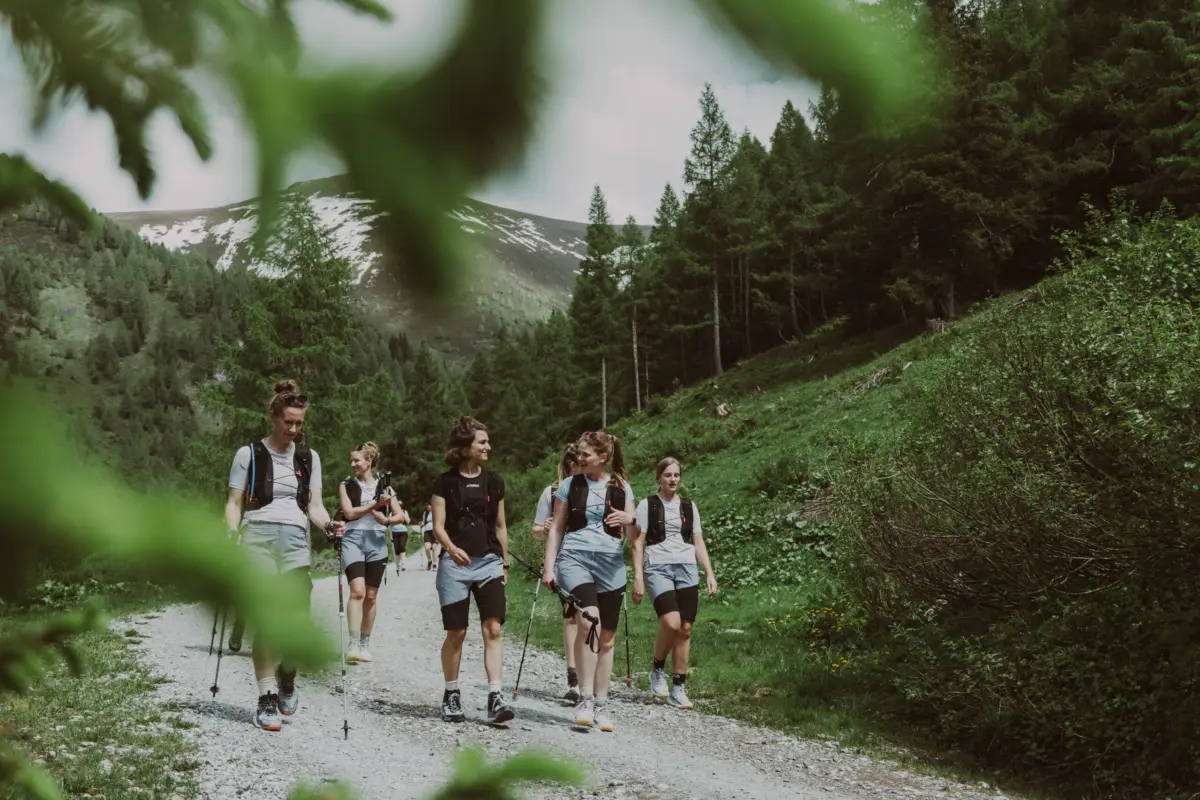
This philosophy is vividly brought to life through immersive initiatives such as the adidas TERREX "Design Your Life" Hiking Days, hosted in iconic landscapes like Germany’s Malerweg (Painter’s Way) in the Elbe Sandstone Reserve. Designed exclusively for women, these specialized programs transcend traditional athletic workshops. They combine professional outdoor coaching, expert mountain navigation, and rigorous daily hikes of 500 to 600 vertical meters over six-to-seven-hour stretches with deep-dive workshops on decision-making, personal leadership, and intentional living. By pairing participants with complete gear packages valued at upwards of €1,000, professional mountain guides, wellness coaches, and dedicated documentation teams, such programs validate the profound synergy between conquering physical geography and mastering one’s internal world.
Future Outlook: Where the Trail Leads Next
As we look toward the horizon of outdoor recreation, several distinct trends indicate that the hiking phenomenon is not a temporary pandemic-era anomaly, but a permanent recalibration of modern priorities.
1. The Rise of Conscious, Slow Travel
In an era dominated by hyper-speed consumption, hiking offers the ultimate antidote: "slow travel." Future outdoor movements will increasingly prioritize sustainability, Leave-No-Trace principles, and deep regional appreciation over ticking off bucket-list tourist checkpoints. Regional tourism boards are already pivoting toward developing rail-to-trail infrastructure, encouraging visitors to leave their cars behind and experience landscapes with minimal ecological impact.
2. Specialized Inclusivity and Community-Led Expeditions
The monolithic image of the solo mountaineer is dissolving. The future of hiking belongs to diverse, supportive communities. Programs that target specific demographics—particularly women, BIPOC communities, and urban youth—are democratizing access to the wilderness. Initiatives that combine mentorship, psychological coaching, and outdoor physical training will become the gold standard for wellness retreats, replacing traditional indoor spa getaways with rugged, empowering mountain experiences.
3. The Integration of Digital Detox and Somatic Wellness
As artificial intelligence and digital integration permeate every facet of daily existence, the value of true offline sanctuaries will skyrocket. Hiking will increasingly be prescribed not just as a physical hobby, but as a clinical and holistic tool for mental health maintenance. The trail will remain our most accessible therapist, gym, and art gallery rolled into one.
Ultimately, whether you are traversing the mystical rock formations of the Saxon Switzerland National Park, tackling a grueling alpine ridge, or simply taking a Sunday afternoon stroll through your local municipal forest, the core lesson remains unchanged. Every step forward is an active choice. By learning to navigate the physical inclines of the natural world, we build the unshakeable internal frameworks needed to shape our own futures, step by deliberate step.