Executive Overview
Verschneite Berggipfel, saftig grüne Wiesen, Kühe mit großen Glocken, urige Holzhütten—hiking imagery has spent the better part of the last few years holding our digital feeds in a complete and unrelenting chokehold. Overnight, it seems everyone you know, alongside your best friend’s dog, has morphed into a hardened alpine professional. Suddenly, ordinary urbanites are scaling jagged peaks in head-to-toe Gore-Tex, effortlessly navigating dizzying elevation gains, and casually sipping sparkling alpine lemonades at altitudes that leave the rest of us gasping.
Yet beneath the viral aesthetic of crisp morning air and sweeping vistas lies a profound cultural shift. The mass migration of millennials and Gen Z from the concrete jungle to the backcountry is not merely a fleeting pandemic-era coping mechanism or an ephemeral social media trend. It is a calculated retreat from hyper-connectivity, an instinctive pushback against digital burnout, and a therapeutic reclamation of the physical body.
This deep-dive investigation explores the renaissance of contemporary hiking culture. We examine the sociological factors driving millions toward the trails, unpack the symbiotic relationship between outdoor brands and wellness movements, and look at exclusive initiatives—such as the transformative adidas TERREX “Design Your Life” hiking days in Germany’s mystical Elbe Sandstone Mountains—that are actively merging physical endurance with personal development.
Detailed Chronology: The Evolution of the Modern Trail
Phase I: The Pandemic Catalyst (2020–2021)
When global lockdowns brought urban life to a screeching halt, green spaces became our sole sanctuaries. Confined to cramped apartments and suffocated by endless Zoom calls, humanity collectively remembered the restorative power of a brisk walk. What began as legally permitted hourly exercise quickly evolved into longer weekend excursions. City dwellers traded crowded indoor gyms for wide-open bridle paths and regional nature parks.
Phase II: The Aestheticization of the Alpine (2022–2023)
As travel restrictions lifted, the appetite for outdoor exploration did not recede; rather, it professionalized. Social media platforms—specifically Instagram and TikTok—became flooded with high-definition panoramas, aesthetic trail-mix flat lays, and rugged gear reviews. The language of extreme mountaineering was democratized. Hiking was no longer viewed as a dull pastime for retirees in woolen socks; it was rebranded as a high-fashion, highly photogenic lifestyle choice where performance meets streetwear sensibility.
Phase III: The Holistic Rebrand (2024 and Beyond)
Today, hiking sits at the intersection of mental health advocacy, sustainable tourism, and physical self-actualization. It is no longer just about reaching the summit for a photograph; it is about the internal dialogue that occurs during a six-hour ascent. Modern outdoor enthusiasts view the trail as a moving meditation—a space to confront personal roadblocks, process life transitions, and forge deep, unfiltered bonds with companions away from the relentless hum of notifications.
Supporting Context & Metrics: Why We Trek
To understand why millions are lacing up their boots, we must look beyond the postcard-perfect views and analyze the foundational motivations propelling this movement.
1. The Low Barrier to Entry vs. High Emotional Yield
Unlike specialized team sports or capital-intensive hobbies, hiking requires remarkably little upfront investment. In its most basic form, it demands only two functional legs, a rudimentary sense of direction, and an adventurous spirit. For the most part, nature’s trails are entirely free. Whether you are a broke student taking a Sunday stroll through local woodlands or a seasoned trekker outfitted in carbon-fiber poles and waterproof shells, the trail welcomes all strata of society equally.
2. The Micro-Adventure Revolution
Not everyone possesses the luxury of waking up like Heidi to the chime of cowbells in the Swiss Alps every single morning. Recognizing this, the modern outdoor movement has embraced the "micro-adventure." A single-day getaway or a weekend micro-trip to local geographical wonders—such as the jagged rock formations, fairy-tale forests, and cascading waterfalls of Germany’s low mountain ranges—allows urbanites to disconnect profoundly without requiring a transcontinental flight. This localized exploration also champions sustainable tourism, minimizing carbon footprints while boosting regional economies.
3. The Visceral Physicality (The Antidote to Sedentary Life)
Modern white-collar existence forces our bodies into unnatural, static configurations behind desks and glowing screens. Hiking offers a visceral antidote. It is an uncompromised glute and core workout, yes, but more importantly, it strips away our technological safety blankets. On a steep incline, there are no dumbbells to hide behind or fitness trackers to meticulously obsess over. There is only the raw, rhythmic power in your thighs, the gravel shifting beneath your soles, and the burning sensation in your lungs as the air thins out. Your body performs monumental work to propel you upward, fostering an embodied self-awareness that gym environments rarely replicate.
4. Mental Resiliency and the Art of Pacing
The psychological benefits of long-distance trekking run deep. When climbing grueling switchbacks, hikers inevitably confront their own mental barriers. How we push through exhaustion, when we choose to grant ourselves a merciful rest, and how we actively pause to absorb the breathtaking beauty around us mirror our broader decision-making patterns in everyday life. Step by step, the hiker makes an active choice to continue. These cognitive frameworks—resilience, pacing, and mindful observation—translate seamlessly off the trail and into our personal and professional realities.
Official Statements & Industry Integration: The adidas TERREX Phenomenon
Major global brands have astutely recognized that contemporary outdoor culture is driven as much by internal transformation as it is by physical apparel. Companies are moving away from purely utilitarian marketing, pivoting instead toward holistic wellness and community-building.
A prime illustration of this evolution is the strategic initiative launched by adidas TERREX. Understanding the profound intersection of physical exertion and mental clarity, the outdoor powerhouse curates immersive experiences designed to push participants past their perceived limitations.
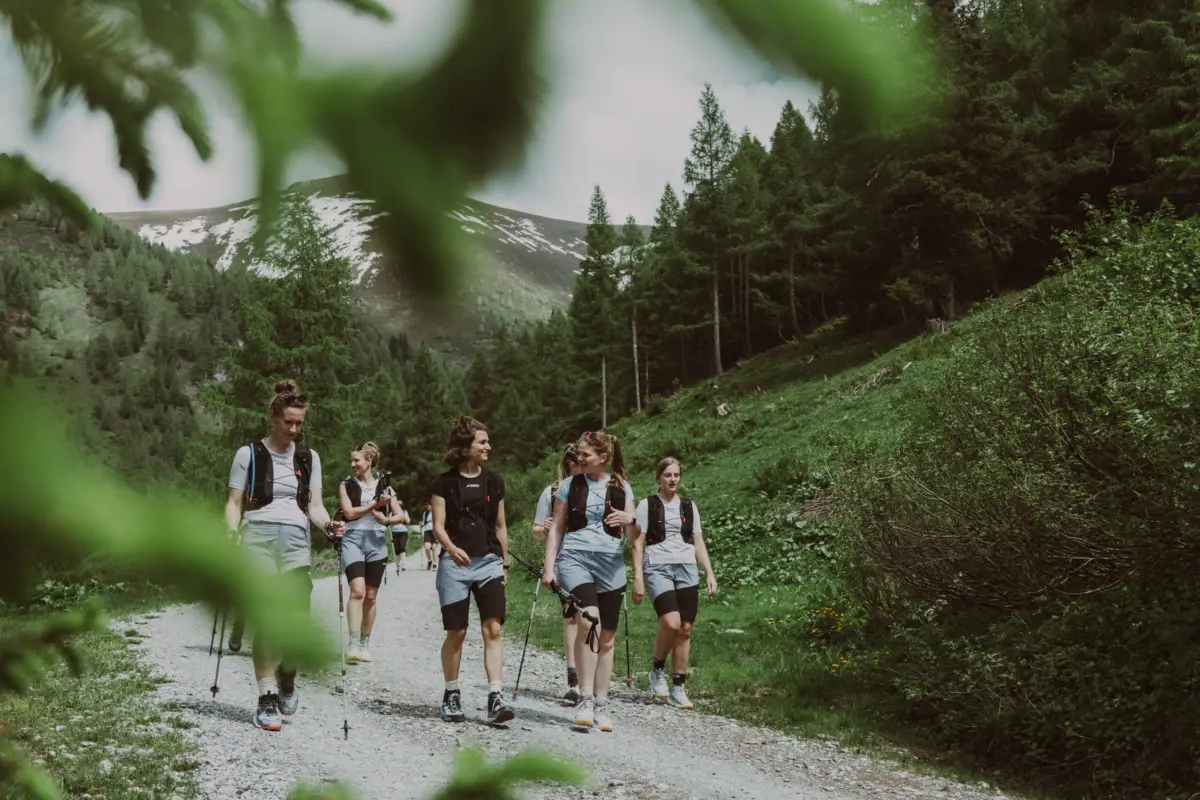
Take, for instance, the exclusive “Design Your Life” Hiking Days, hosted in one of Germany’s most visually arresting landscapes: the Malerweg (Painter’s Way) in the Elbe Sandstone Mountains. This unique experiential format deliberately fuses expert-led life coaching with rigorous athletic trekking. Targeted specifically toward women seeking self-discovery, the program addresses core questions of personal growth, decision-making, and future-planning while navigating dramatic rock cathedrals and deep, misty valleys.
Inside the Immersive Workshop Experience
While the specific application window for the flagship May 2024 event has officially closed—with lucky participants currently being notified—the structural framework of these initiatives offers a fascinating blueprint for the future of brand-consumer engagement.
Selected applicants receive a fully sponsored, all-inclusive package designed to eliminate logistical friction:
- Accommodations: Three nights in double rooms at the historic Berghotel Bastei, perched high above the Elbe River.
- Culinary Care: Complete dietary provisions (with robust vegan and vegetarian options) tailored to sustain high-output physical days.
- Professional Guidance: Direct mentorship from certified workshop leaders, expert mountain guides, and dedicated documentary photographers.
- Top-Tier Gear: Comprehensive outfitting via an adidas TERREX equipment package valued at approximately €1,000.
Participants chosen for such programs are not merely testing waterproof jackets; they are engaging in a supervised crucible of personal empowerment. To qualify for such rigorous excursions, candidates must demonstrate true grit—requiring sure-footedness, the cardiovascular endurance to handle 500 to 600 vertical meters of elevation gain, and six to seven hours of daily movement across rugged terrain.
Crucially, the criteria for selection look past mere athletic prowess. Successful applicants must exhibit a deep curiosity about their own potential, a hunger for meaningful connection with like-minded women, and the psychological readiness to translate outdoor triumphs into concrete life changes.
Future Outlook: Where Does the Trail Lead Next?
As we look toward the horizon of the outdoor industry and lifestyle trends, several clear trajectories emerge:
1. The De-Urbanization of Mental Health
Traditional talk therapy is increasingly stepping out of clinical office walls and onto the dirt paths. "Walk-and-talk" therapy and wilderness wellness retreats are surging in popularity. The rhythmic, bilateral movement of walking stimulates neurological pathways that encourage open dialogue, making hiking an increasingly vital tool in clinical and preventative mental health care.
2. Inclusivity and the Deconstruction of Gatekeeping
Historically, elite mountaineering and technical hiking have suffered from homogenous marketing—often portraying rugged adventurers as exclusively male or demographically narrow. The modern hiking wave is aggressively dismantling this archetype. Initiatives focused on women, marginalized communities, and beginner-friendly micro-adventures are democratizing the backcountry, ensuring that the healing powers of nature are accessible to all body types, fitness levels, and socioeconomic backgrounds.
3. Sustainable Stewardship
With increased foot traffic comes the critical responsibility of environmental preservation. As more individuals discover the therapeutic magic of local trails, the outdoor community faces an urgent educational mandate: Leave No Trace. The future of hiking depends entirely on our ability to transition from passive consumers of landscape aesthetics to active stewards of fragile ecosystems.
Conclusion
The obsession with hiking that currently dominates our digital feeds is far more than a passing aesthetic phase. It is a collective, somatic sigh of relief. By stepping away from our glowing screens and onto uneven terrain, we reconnect with the foundational cadence of human existence. Whether you are tackling a grueling multi-day alpine expedition or embarking on a quiet Sunday afternoon micro-adventure through your local regional park, the trail offers a rare, uncompromising truth: growth only happens when you are willing to climb.