Executive Overview
For the past several years, the global beauty landscape has been governed by a reign of understated, hyper-curated, and effortlessly polished aesthetics. Salons worldwide hummed to the tune of "mocha mousse," honey blondes, and rich auburns—hues designed to blend seamlessly, photograph neutrally, and project a squeaky-clean, low-maintenance lifestyle. But as the calendar flips deeper into 2026, the pendulum has violently swung in the opposite direction.
Pink is no longer merely a subversive novelty or an underground countercultural statement; it is the definitive hair color of 2026.
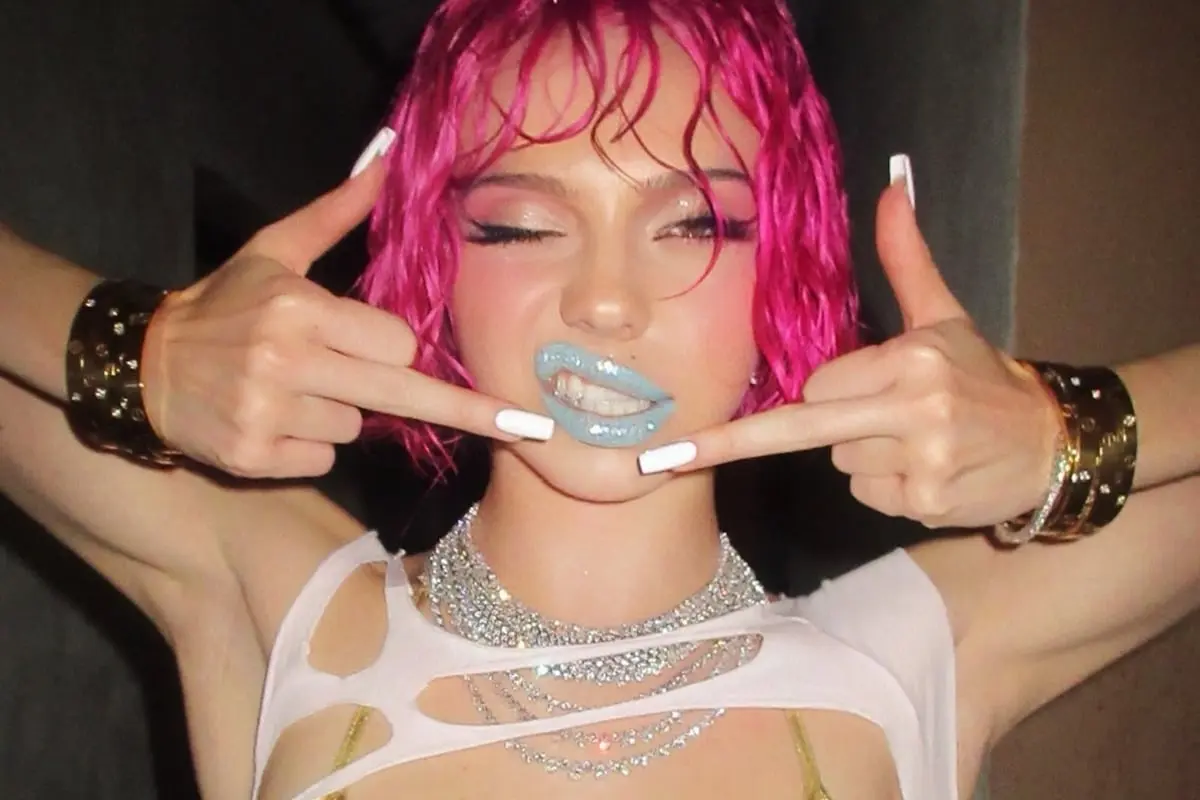
From breakout pop sensation Adéla’s signature electric-pink tresses to a rolling wave of high-profile experiments by FKA twigs, Zara Larsson, Naomi Scott, Ice Spice, Megan Thee Stallion, and Kylie Jenner, bubblegum pink has officially conquered the mainstream. This aesthetic pivot is more than a fleeting seasonal whim. It represents a collective cultural rebellion against rigid, conservative beauty ideals—such as the hyper-sanitized "tradwife" aesthetic—and an embrace of unapologetic self-expression, Y2K maximalism, and high-maintenance glamour.
Far from a monolithic trend, today’s pink hair movement spans a vast spectrum. It ranges from soft, washed-out rose quartz and grapefruit pastels to blinding, high-voltage neons. Industry insiders, top-tier celebrity colorists, and trend forecasters agree: people are having fun with color again. This deep dive explores the cultural drivers, historical precedents, technical maintenance requirements, and socio-political undercurrents steering the 2026 pink hair renaissance.
Detailed Chronology: From Subversive Punks to Modern Pop Icons
To understand how pink hair became the undisputed crown jewel of 2026, it is essential to trace its journey from society’s margins to the absolute center of global pop culture and high fashion.
The Historical Blueprint of Rebellion
For centuries, brightly colored hair has served as a visual megaphone for those rejecting societal norms. While pastel pinks were famously embraced by 18th-century French elites—famously immortalized in Sofia Coppola’s cinematic masterpiece Marie Antoinette (2006)—the modern association with edge and nonconformity stems from the punk movements of the 1970s, 80s, and 90s. During these eras, neon and pastel dyes were weapons of visual defiance against conservative political climates.
The 90s Grunge and Editorial Shift
As the millennium approached, pink transitioned from gritty punk squats to high fashion glossies. One of the most enduring images of this crossover is Juergen Teller’s iconic 1999 photograph of Kate Moss featuring cranberry-pink tresses, captured immediately after the Spring/Summer 1999 Versace show in Milan. It proved that pink hair could be simultaneously vulnerable, glamorous, and fiercely cool.
The Millennial Pastel Craze
Fast-forward to the early 2010s, and pink experienced its first digital-era boom, popularized by Tumblr grunge aesthetics and early Instagram beauty influencers. However, those iterations were often dusty, muted, or heavily filtered "rose gold" variants meant to soften the wearer’s edge.
The 2026 High-Contrast Explosion
Today’s pink revival breaks away from the safe, muted pastels of the 2010s. It is sharper, more intentional, and deeply tied to the resurgence of bold, high-contrast aesthetics. Breakout star Adéla has anchored her entire emerging visual identity around electric-pink strands that dominate social media feeds. Simultaneously, A-list heavyweights have adopted the shade to redefine their personal brands:
- Naomi Scott debuted soft, grapefruit-pink tresses on the cover of her upcoming album, Fall Into Grace, completely transforming the edge of her signature pixie cut.
- FKA twigs, Zara Larsson, Ice Spice, Megan Thee Stallion, and Kylie Jenner have all debuted bubblegum or neon transformations over the past several months.
This chronology highlights a clear narrative: whenever society leans too heavily into rigid, sanitized, and restrictive beauty norms, the cultural pendulum violently swings back toward vibrant chaos.
Supporting Context & Metrics: Cultural Fatigue and the "Tradwife" Reaction
The meteoric rise of pink hair in 2026 cannot be viewed in a vacuum. It is a direct physiological and psychological reaction to the aesthetics that preceded it.
The Fatigue of the "Clean Girl" and Minimalist Era
For the early part of the decade, the beauty industry was dominated by terms like "clean girl aesthetic," "quiet luxury," and "stealth wealth." Hair mirrored this with ultra-blended, lived-in root shadows and low-contrast balayages. While versatile, this clinical perfection eventually bred widespread creative fatigue. Consumers grew exhausted by the pressure to look perpetually polished, neutral, and unoffending.
Pushing Back Against Conservative Ideals
On a socio-political level, the mid-2020s have seen a prominent cultural tug-of-war. The proliferation of hyper-traditional, conservative beauty ideals—often heavily peddled online by "tradwife" influencers advocating for submissive, highly regimented, and hyper-feminine domesticity—has sparked a powerful counter-movement.
In response, modern consumers are reclaiming their autonomy through impermanence, messiness, and playful subversion. Pink hair acts as a joyful middle finger to rigid expectations of how a "respectable" or "marketable" person should present themselves. It says: I am here to be seen, I am having fun, and I refuse to blend into your algorithm.
The Psychology of Maximalist Make-Up and Digital Photogenic Appeal
Pink hair is part of a broader maximalist cosmetics movement. Pop stars like Charli xcx have long championed chaotic, club-inspired aesthetics that prioritize raw idiosyncrasy over sterile perfection. Meanwhile, artists like Chappell Roan, Doechii, and Doja Cat have continuously redefined red carpets with hyper-colorful, theatrical beauty choices. High fashion houses are following suit; runway presentations—such as Gucci’s grungy, party-girl make-up conceptualized by artist Sam Visser—prove that the industry is deeply hungry for grit, texture, and drama.
Furthermore, color is inherently optimized for the digital age. In a media ecosystem driven by short-form video and high-definition imagery, vibrant shades immediately break through screen fatigue.
Official Statements and Industry Insights
To grasp the mechanics and philosophy of this trend, industry leaders, master colorists, and fashion insiders offer critical perspectives on why pink is reigning supreme in 2026.
Matt Rez on the End of "Safe" Hair
Celebrity hair colorist Matt Rez, who architects breakout star Adéla’s iconic electric-pink look, notes a profound philosophical shift in salons worldwide.
"People are having fun with color again," Rez shares with Dazed. "After years of very blended, natural, lived-in looks, we’re seeing a shift toward stronger, high-contrast tones and bigger hair transformations."
Rez also emphasizes that pink occupies a unique psychological sweet spot compared to other fashion shades. While blue hair carries deep historical and political connotations—often tied to progressive political activism, feminism, and queer culture—pink acts as a welcoming gateway drug to alternative styling.
"It doesn’t have to be an extremely bright fashion shade either," Rez explains. "A soft pink, a washed-out rose, or even just a hint of pastel can completely transform the hair while still feeling chic and wearable. Adéla’s hair feels like a part of her identity… Rather than competing with her style, it complements it—I think that’s why these highly saturated shades are resonating so much right now."
Jadah Dale on High-Maintenance Glamour
Jadah Dale, founder of Studio Studios, points out that the return of pink signals an embrace of high-effort, unapologetic luxury.
"The pendulum has definitely swung back to cool, high-maintenance beauty," Dale asserts. Pink hair is inherently "sexy, playful, and a little impractical."
Dale notes that like bleached brows and frosted lips, pink hair leans heavily into Y2K maximalism, speaking directly to "feelings of self-empowerment and having the confidence to stand out, or feel a bit punk and subversive."
Alex Brownsell on Dramatic Transformations
Alex Brownsell, founder of the legendary Bleach London, highlights the incredible visual mechanics of hair dye. Discussing her work on Naomi Scott’s grapefruit-pink transformation for the Fall Into Grace album cover, Brownsell emphasizes how color alters perception:
"Colour also photographs incredibly well. You can have the same haircut for years, change up the colour and suddenly it looks hardcore and dramatic."
Harriet Muldoon on Effortless Cool
Harriet Muldoon of Larry King salons suggests that leaning into pink doesn’t require overhauling one’s entire wardrobe. In fact, contrasting vibrant hair with understated, casual clothing creates the ultimate effortless aesthetic.
"Faux faded-out champagne pinks are also a great starting point," Muldoon advises. "You don’t need a bold wardrobe to justify having pink hair either—in fact, the opposite is often a lot cooler."
Future Outlook: Maintenance, Longevity, and the Evolution of Color
As pink cements its status as the defining color of 2026, the conversation within the professional hair community has shifted toward structural integrity, maintenance, and the future evolution of artificial tones.
Achieving high-voltage pink or sophisticated rose champagne requires lifting the hair’s natural pigment, a chemical process that can compromise hair health if mismanaged. However, advancements in hair science have made radical transformations far safer than they were in previous decades.
Best Practices for Maintaining 2026’s Pink Tresses
Industry professionals recommend a strict maintenance routine to keep vibrant hues looking expensive rather than fried:
- Bond-Building Technology: Colorists like Matt Rez rely on advanced repair treatments, such as epres Professional Bond Repair, during the lightening process to provide an essential layer of structural support and minimize mechanical breakage.
- Disciplined Touch-Ups: To avoid over-processing, colorists recommend refreshing root lighteners strategically every five to six weeks without overlapping previously bleached hair.
- At-Home Color Preservation: Transitioning to sulfate-free cleansing systems—such as the Bleach London Rosé range—allows wearers to deposit micro-pigments with every wash, effortlessly prolonging the vibrancy of the shade.
- Embracing the Fade: One of the most freeing aspects of the 2026 pink trend is the embrace of the "fade-out." Rather than panicking over fading pigment, trendsetters are leaning into champagne-pink and washed-out rose stages, treating the color as an evolving organic canvas.
Where Does Beauty Go From Here?
Looking ahead, the pink hair renaissance is unlikely to vanish overnight. As long as consumers crave an antidote to digital homogeneity and algorithmic perfection, vibrant, high-impact hair colors will remain a primary vehicle for personal sovereignty.
Pink has proven that it is more than a fleeting aesthetic trend—it is a cultural mood ring for a generation demanding more joy, more play, and absolute freedom from convention. Whether executed as an all-over neon statement or a subtle, washed-out rose whisper, pink hair in 2026 is an invitation to escape the algorithm, take up space, and make a brilliant, unapologetic mark on the world.