Published: May 24, 2025
Dateline: WASHINGTON, D.C.
By: Investigative Reporting Desk
Executive Overview
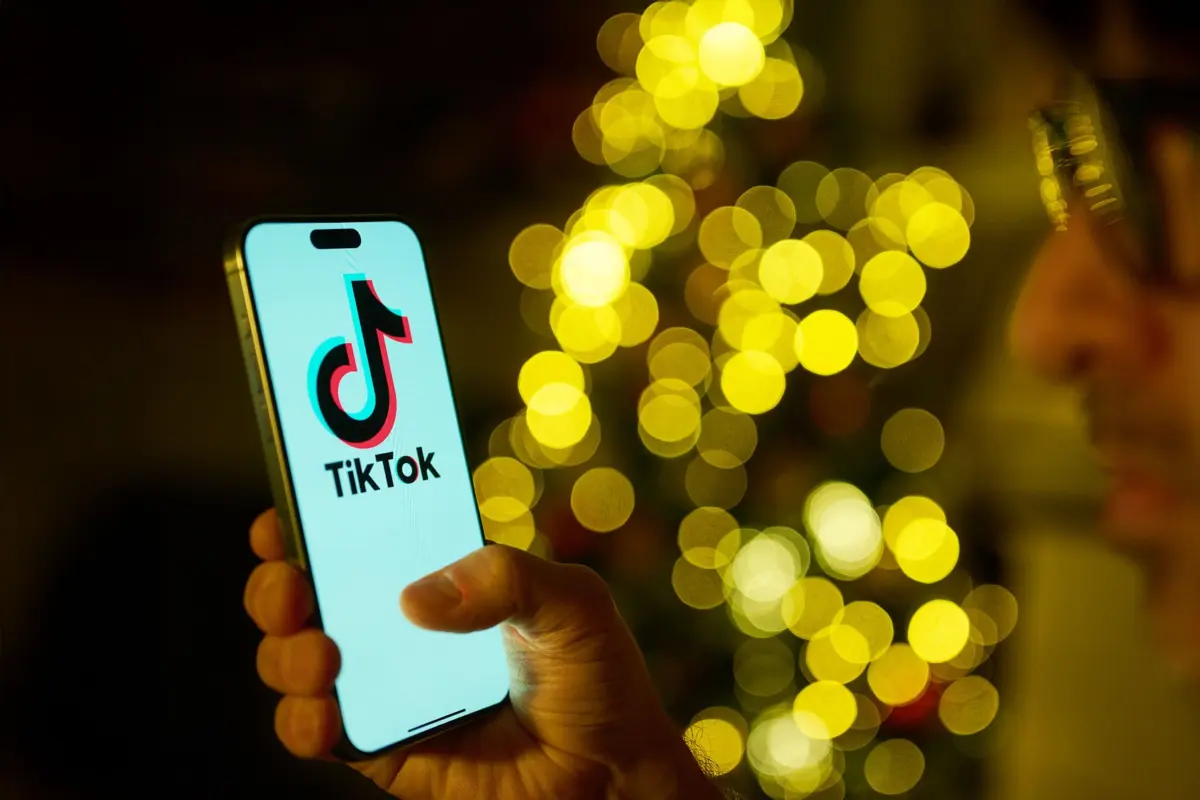
In the high-stakes theater of American geopolitics, few digital platforms have evoked as much unified bipartisan alarm as TikTok. Labeled a direct pipeline for foreign espionage, a threat to democratic integrity, and an insidious tool for data harvesting by the Chinese Communist Party, the short-form video app has been systematically scrubbed from government-issued hardware across the United States. To date, more than 30 U.S. states—spearheaded by conservative firebrands and cautious administrators alike—have enacted sweeping bans on the application across state-owned devices and official networks.
Yet, peer behind the sternly worded executive orders, the dramatic press conferences, and the legislative grandstanding, and a striking paradox emerges. The very same state governments that have criminalized or restricted TikTok for posing an existential national security threat are cheerfully utilizing the exact same platform to lure out-of-state travelers. State-funded tourism boards from Texas to Florida continue to produce high-engagement, algorithm-tailored video content—showcasing scenic beaches, roadside mega-stores, and pristine state parks to a predominantly Gen Z audience.
This glaring dichotomy exposes an uncomfortable truth about modern governance in the digital age: when political rhetoric collides with hard economic realities, profitability almost always wins. TikTok may be framed as a digital Trojan horse in state capitols, but it remains an indispensable storefront for state commerce. As governors and lawmakers wage a public relations war against Beijing-backed technology, their own marketing departments are quietly feeding the very beast they claim to menace national security.
Detailed Chronology: From Capitol Hill Panic to State-Level Double Standards
To understand how American state governments arrived at this profound contradiction, it is necessary to trace the rapid escalation of TikTok’s regulatory purgatory over the past several years.
The 2022 Legislative Domino Effect
The systemic crackdown on TikTok began in earnest late in 2022. Driven by warnings from federal intelligence agencies—including the Federal Bureau of Investigation (FBI) and the Federal Communications Commission (FCC)—state executives began taking unilateral action.
In December 2022, Texas Governor Greg Abbott led the charge by directing state agencies to ban TikTok on all state-issued devices. Abbott’s office didn’t mince words, releasing statements warning that the popular video-sharing app—owned by Beijing-based parent company ByteDance—offered a "trove of potentially sensitive information" that could easily find its way into the hands of the Chinese government.
Within weeks, a domino effect swept across the country. More than 30 states implemented similar bans, prohibiting state employees from downloading or accessing TikTok on government-owned smartphones, laptops, and tablets. Prominent tourism-heavy states like Florida, under Governor Ron DeSantis, and Montana, under Governor Greg Gianforte, rushed to enact rigorous restrictions, framing the measures as vital defenses of American digital sovereignty.
The Federal Ultimatum and the 2024 Deadlines
As state-level bans proliferated, the federal government escalated the pressure. In April 2024, President Joe Biden signed landmark legislation that gave ByteDance a strict ultimatum: divest its ownership stake in TikTok’s U.S. operations within roughly nine months or face a complete, nationwide ban across all app stores and internet service providers.
Lawmakers on both sides of the aisle cheered the move, predicting the imminent demise or structural restructuring of the platform. However, as the compliance deadlines arrived and quietly passed, the promised divestment failed to materialize. Legal challenges mounted, negotiations stalled, and TikTok remained fully operational, continuing to serve tens of millions of American users daily.
The Tourism Board Bypass
Even as federal deadlines loomed and state governors doubled down on their security rhetoric, an intriguing loophole was quietly exploited: while employee use on state-owned hardware was heavily restricted, the promotion of state economies through external or contractor-managed accounts continued unabated.
State tourism campaigns—operating under arms-length pseudo-governmental bodies, independent marketing agencies, or public-private partnerships—found ways to bypass the spirit, if not the letter, of the executive bans. Accounts like @VisitMontana, @VisitCentralFL, and Texas-centric vacation handles remained fully active. While a state bureaucrat could be disciplined for scrolling through TikTok on a state-issued iPhone at their desk, the state’s official tourism arm could simultaneously post a viral travel montage designed to capture millions of views from prospective vacationers.
Supporting Context & Metrics: The Undeniable Power of the Algorithm
The persistence of state-backed tourism boards on TikTok is not born of administrative oversight; it is a calculated economic necessity. Simply put, state governments cannot afford to ignore where young consumers spend their time.
Explosive Growth and Demographic Dominance
Despite continuous political headwinds, regulatory threats, and existential media narratives, TikTok’s user base has continued to expand at a staggering rate. Global active users surpassed the 1.6 billion mark, propelled by an influx of roughly 100 million new users globally throughout recent cycles.
In the United States alone, the platform commands an audience exceeding 135 million active users. More importantly for tourism boards, the demographic breakdown heavily favors younger travelers—Gen Z and Millennials—who rely far less on traditional search engines, travel brochures, or television commercials when planning their leisure time. For these demographics, TikTok has effectively replaced Google as the primary discovery engine for restaurants, hotels, and vacation destinations.
| Metric / Indicator | Statistic | Implication for State Tourism |
|---|---|---|
| U.S. Active Users | 135+ Million | Massive domestic reach across critical consumer brackets. |
| Global User Base | ~1.6 Billion | Unrivaled international cultural footprint. |
| Primary Demographic | Gen Z & Millennials | Core audience for experiential travel and tourism dollars. |
| Algorithmic Discovery | High Intent-to-Travel | Content converts directly into hotel bookings and state park visits. |
The Economics of Sunshine and Sightseeing
Tourism is a multi-billion-dollar economic engine for states like Florida, Texas, and Montana. Millions of jobs depend on hospitality, retail, dining, and outdoor recreation. When a state tourism board invests promotional dollars, it must achieve a measurable return on investment (ROI).
Traditional marketing channels—such as billboard placements, magazine spreads, and cable television ads—offer diminishing returns among younger cohorts who increasingly consume ad-free streaming media or rely on algorithmic feeds. TikTok’s hyper-personalized "For You" page (FYP) represents the holy grail of marketing: organic-looking, highly engaging video content that can catapult a localized attraction into viral, nationwide prominence overnight.
When a video of visitors dancing outside a iconic Texas Buc-ee’s or exploring a hidden Florida nature trail garners millions of organic views, it generates tangible economic activity. State officials may decry the platform’s geopolitical affiliations in legislative chambers, but economic development offices recognize that abandoning TikTok would mean surrendering a massive competitive advantage to rival states and international destinations.
Official Statements and Institutional Dissonance
The friction between national security warnings and economic pragmatism has created bizarre public relations gymnastics for state officials. When pressed by journalists and watchdog groups about the hypocrisy of maintaining active tourism accounts while banning the app for state bureaucrats, administrations frequently offer defensive or evasive justifications.
The "Functional Separation" Defense
Governors’ offices and state agencies often attempt to draw a fine line between internal governmental operations and external public-facing marketing.
Representatives for state executive branches have argued that internal bans are designed exclusively to protect sensitive government networks, proprietary state databases, and employee communications from potential foreign surveillance. Under this rationale, a public-facing tourism account managed through third-party marketing firms or personal, non-government devices does not present the same direct cyber vulnerability to state infrastructure.
However, cybersecurity experts point out the logical flaw in this argument. Whether an account is managed on a personal laptop or an agency-issued workstation, the data flowing to and from the platform interacts with the same ByteDance infrastructure. The distinction is largely semantic—a bureaucratic fiction designed to insulate elected officials from charges of hypocrisy while allowing them to reap the financial rewards of viral social media marketing.
Bipartisan Silence on Commercial Contradictions
Curiously, the dissonance has drawn relatively little legislative pushback from state lawmakers who championed the original bans. While hardline conservatives and progressive Democrats alike frequently clash over technology regulation, antitrust policy, and data privacy, the economic imperative of state tourism has fostered a quiet, bipartisan consensus of looking the other way.
When state tax revenues depend on robust tourism seasons, ideological purity regarding foreign tech conglomerates tends to take a backseat. Lawmakers who demand strict digital abstinence from state workers are often the same officials who applaud tourism boards for hitting record-breaking visitor numbers—numbers heavily driven by the very algorithms they publicly condemn.
Future Outlook: Navigating the Geopolitical Tightrope
As the legal and political battles surrounding TikTok drag on, state governments face an increasingly complex future. The intersection of national security policy, free speech jurisprudence, and global digital commerce ensures that this friction will not resolve itself anytime soon.
Potential Scenarios and Regulatory Horizons
- Prolonged Legal Limbo: If federal courts continue to stall or block comprehensive nationwide bans, state tourism boards will likely remain in their current state of comfortable hypocrisy, capitalizing on TikTok’s reach while dodging questions about national security consistency.
- Platform Diversification: To hedge against the persistent threat of a sudden federal blackout, some state marketing agencies are slowly increasing their presence on alternative short-form video platforms, such as Instagram Reels and YouTube Shorts. However, marketers concede that replicating TikTok’s hyper-efficient discovery algorithm remains a formidable challenge.
- Stricter Accountability Measures: As investigative reports and public scrutiny highlight the disconnect between state security policies and marketing practices, watchdog organizations and political opponents may begin introducing legislation specifically targeting state-funded social media accounts, forcing a definitive showdown between economic pragmatism and national security consistency.
Conclusion: The Bottom Line Overrides the Banner
The saga of state-level TikTok bans and concurrent tourism campaigns serves as a microcosm of contemporary American governance. It illustrates a system grappling with the realities of a globally interconnected digital economy while attempting to project sovereign strength in an era of great power competition.
Ultimately, the actions of state tourism boards speak louder than the press releases of state governors. Moral panics and geopolitical anxieties may dominate the headlines, but when it comes down to the bottom line, the temptation of a viral video and a booming tourism economy remains impossible to resist. TikTok may be officially unwelcome in the breakrooms of state capitols, but it will continue to sell American sunshine and sightseeing for as long as the algorithm delivers.