Executive Overview
The social media landscape is undergoing its most radical transformation in over a decade. At the epicenter of this seismic shift is Twitter—now operating increasingly under the structural vision of owner Elon Musk—which is systematically dismantling the legacy systems that once defined digital credibility. The announcement that legacy verified accounts will systematically lose their iconic blue checkmarks starting April 1, unless their owners subscribe to the premium Twitter Blue service, marks the end of an era. For years, the blue checkmark served as a digital badge of authenticity, reserved for journalists, politicians, public figures, and institutions to verify their true identity and mitigate the spread of misinformation.
Now, verification is transitioning from a security measure to a commercial commodity. Paired with concurrent engineering efforts to allow paying subscribers to hide those very same checkmarks—largely driven by the emerging social stigma attached to paying for what was once a mark of distinction—the platform is hurtling toward an unprecedented operational model.
This investigative report examines the multifaceted implications of Twitter’s pay-to-play strategy. By analyzing the structural changes to the platform’s core algorithms, the marginalization of unpaid users, the blurring lines between organic content and corporate advertising, and the broader psychological and societal impacts on digital discourse, we explore what the future holds for one of the world’s most influential town squares. As the April 1 deadline approaches, brands, influencers, journalists, and everyday users find themselves at a critical crossroads, forced to decide whether to adapt to the new monetization schema or abandon the platform altogether.
Detailed Chronology: The Road to Commercialized Verification
To fully understand the weight of the current transition, one must examine the rapid, often chaotic timeline of platform changes implemented since Elon Musk’s acquisition of Twitter. The journey from a curated public utility to a monetized subscription ecosystem has been marked by bold declarations, swift policy reversals, and continuous engineering pivots.
The Acquisition and the Blueprint
When Elon Musk finalized his $44 billion acquisition of Twitter in late 2022, he signaled immediate discontent with how the platform managed user status and content moderation. Central to his critique was the existing verification system, which he frequently characterized as a "lords and peasants" structure that favored traditional media elites over everyday users. Within weeks of taking control, the leadership team announced plans to overhaul Twitter Blue, transforming it from a modest $2.99-per-month optional feature into a comprehensive subscription tier priced at $8 per month (with higher rates for iOS and Android app store transactions), which would bundle the coveted blue checkmark with algorithmic boosts and editing capabilities.
The Initial Rollout and Immediate Chaos
The initial rollout of the revamped Twitter Blue in November 2022 was fraught with technical and security vulnerabilities. Without robust secondary verification measures in place, bad actors immediately exploited the system, purchasing subscriptions to impersonate major pharmaceutical companies, political figures, and celebrities. The resulting chaos—most famously highlighted by a fraudulent tweet from a fake Eli Lilly account claiming insulin would henceforth be free, which wiped billions off the pharmaceutical giant’s market value—forced a temporary suspension of the program.
Despite these early stumbles, leadership pressed forward. Over the subsequent months, the engineering teams refined the verification prerequisites, introducing tiered checkmark colors (gold for verified organizations, grey for government entities, and blue for individuals) while steadily preparing the infrastructure for the eventual phase-out of legacy verified accounts.
The March 2023 Ultimatum
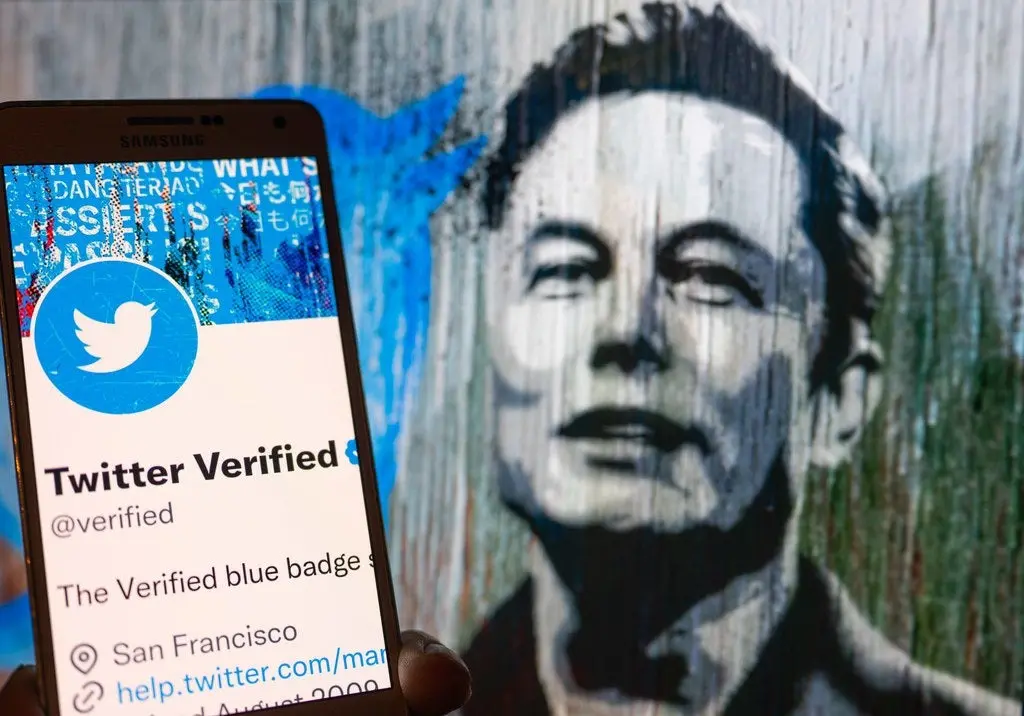
The tension culminated in late March 2023, when the official Twitter Verified account released a definitive statement: legacy verified accounts would officially lose their blue checkmarks beginning April 1. Users wishing to retain their verified status were instructed to enroll in Twitter Blue. This ultimatum drew fierce pushback from high-profile journalists, athletes, and public servants who argued that the checkmark was never meant to be a status symbol or a luxury good, but rather a vital anti-impersonation tool necessary for public safety and the free flow of uncorrupted information.
Simultaneously, reports surfaced that Twitter’s engineering teams were quietly developing a toggle allowing paid subscribers to hide their blue checkmarks from their profiles. Observers were quick to point out the underlying irony: while the company positioned the checkmark as a premium feature to be desired, the market reaction had created a profound social stigma. For many, sporting a blue checkmark increasingly signaled that they had paid for validation, leading to swift online ridicule and an urgent corporate demand for stealth options.
Supporting Context & Metrics: Algorithmic Favoritism and the "For You" Economy
The structural transformation of Twitter extends far beyond profile aesthetics; it is deeply embedded in the platform’s content delivery architecture, specifically the "For You" algorithmic timeline.
+-------------------------------------------------------------------+
                  TWITTER'S NEW CONTENT ECOSYSTEM
+-------------------------------------------------------------------+

  [ PAID USERS / BRANDS ]            [ UNPAID USERS ]
        |                                    |
        v                                    v
  +------------------+                +------------------+
  |   "For You"      |                |   "Following"    |
  | Algorithmic Feed |                | Chronological    |
  | (Max Reach &     |                | Feed (Isolated   |
  |  Amplification)  |                | from Ads/Boosts) |
  +------------------+                +------------------+
        |                                    |
        v                                    v
  [ High Visibility ]                 [ Limited Reach ]
The Dominance of the "For You" Feed
In early 2023, Twitter shifted its default user experience to the algorithmic "For You" feed, mirroring the addictive, discovery-driven models popularized by TikTok and Instagram Reels. While presented as a way to surface engaging content from across the platform, the backend reality of this feed is increasingly tied to commercial incentives.
Under the revised amplification policies, content generated by unpaid, regular accounts is systematically throttled or entirely excluded from the primary discovery engines. Conversely, tweets originating from verified, paid accounts receive preferential algorithmic weighting. This means that an individual or entity willing to pay the monthly subscription fee is granted disproportionate reach compared to a creator with a larger, but unpaid, following.
The Rise of the "Self-Promoting Huckster"
Industry analysts and digital culture researchers have raised severe alarms regarding the composition of the new algorithmic feed. By lowering the barrier to amplification to a simple financial transaction rather than historical credibility or audience engagement, the "For You" page risks turning into an unfiltered megaphone for opportunists, scammers, low-effort marketers, and polarizing shock-jocks.
Without traditional editorial oversight or verification safeguards, users navigating the default timeline are increasingly subjected to an environment saturated with aggressive self-promotion and unverified claims. The platform essentially trades systemic trust for transactional volume, maximizing daily active engagement metrics at the expense of content quality and user safety.
The Corporate Trojan Horse: Bypassing Traditional Ads
For brands and corporate entities, the pivot to paid verification represents a massive structural arbitrage. Traditionally, achieving significant reach and amplification on Twitter required substantial investments in formal ad campaigns, promoted tweets, and managed ad accounts.
However, under the new paradigm, a corporate brand can bypass traditional advertising funnels entirely. By simply maintaining a paid verification subscription (gold check for organizations, coupled with individual employee subscriptions), brands can secure organic-looking amplification and traction for a fraction of the cost of standard ad placements. This effectively transforms the "For You" feed into an unmonitored commercial battleground where corporate content elbows out authentic user discourse.
Marginalization of the Chronological Feed
For users who reject the pay-to-play model, the platform offers a retreat: the "Following" feed. Operating strictly on a chronological basis, this feed displays only the content posted by accounts a user actively follows—resembling the classic Twitter experience of the 2010s.
However, industry experts note that relegating unpaid users to the chronological feed acts as a form of digital segregation. Deprived of algorithmic discovery tools, unpaid creators face insurmountable hurdles in growing their audiences, effectively capping their reach. Meanwhile, the platform actively encourages casual browsers to stay within the monetized "For You" ecosystem, reinforcing the commercial imperative at the heart of the modern platform strategy.
Official Statements and Industry Reactions
The sweeping nature of Twitter’s policy changes has generated intense global debate, drawing sharp critiques from public institutions, advocacy groups, and digital rights organizations, alongside defensive postures from platform leadership.
Platform Leadership and the Defense of Democratization
Elon Musk and remaining platform executives have consistently defended the removal of legacy checkmarks as an essential step toward democratizing the platform. In various public statements and replies on the platform itself, Musk has argued that the old system was fundamentally corrupt, asserting that no single company should be trusted to determine who is "notable" enough for a verification badge.
From this perspective, charging a nominal fee for verification is framed as a universal equalizer—a mechanism that eliminates human bias from the verification process while simultaneously creating a sustainable revenue stream that reduces the company’s historical reliance on volatile digital advertising markets. Furthermore, leadership contends that requiring a payment method adds a friction layer that makes automated bot farms economically unviable, thereby cleaning up platform discourse.
Pushback from the Journalistic and Scientific Communities
The response from the professional journalism community, scientific organizations, and public health institutions has been overwhelmingly critical. Major newsrooms—including The New York Times, The Washington Post, and the BBC—have publicly stated they will not pay for employee verification badges, arguing that doing so sets a dangerous precedent and blurs the line between independent reporting and corporate-sponsored platform compliance.
Public health agencies and municipal governments have expressed deep concern over the erosion of trust. Without distinct, unpurchaseable verification tiers for official emergency services, public utilities, and elected officials, the platform becomes an fertile breeding ground for coordinated disinformation campaigns during crises, natural disasters, and elections. Cybersecurity experts point out that despite tiered checkmark colors, the average consumer struggles to differentiate between authentic institutional accounts and sophisticated imposters who have mastered the updated subscription protocols.
+-------------------------------------------------------------------+
                 THE VERIFICATION TRUST PARADOX
+-------------------------------------------------------------------+

     [ OLD SYSTEM ]                          [ NEW SYSTEM ]
  Identity + Merit                       Financial Transaction
         |                                         |
         v                                         v
   Public Trust &                          Transactional Reach
  Anti-Impersonation                       & Algorithmic Boosts
Future Outlook: The Viability of the Pay-to-Play Town Square
As the dust settles on the initial implementation of these sweeping changes, the long-term trajectory of the platform remains deeply uncertain. Several key variables will determine whether Twitter’s audacious gamble succeeds or accelerates its eventual decline.
1. The Churn Rate vs. Conversion Dilemma
The immediate financial success of the strategy hinges on conversion rates. If only a tiny fraction of legacy verified users and casual creators subscribe to Twitter Blue, the platform faces a catastrophic collapse in elite content creation. Conversely, if the allure of algorithmic amplification successfully drives millions of users to open their wallets, Twitter may forge a highly profitable, subscription-first social media model that other tech giants will be forced to study. Monitoring the quarterly financial reports and user engagement metrics over the coming year will provide definitive data on consumer elasticity.
2. The Rise of Alternative Decentralized Ecosystems
The alienation of legacy users, journalists, and institutional accounts has provided a powerful tailwind for alternative social networks. Platforms such as Bluesky (backed by former Twitter CEO Jack Dorsey), Mastodon, and Meta’s emerging microblogging initiatives are positioning themselves as stable, non-commercialized havens for public discourse. While these platforms have yet to match Twitter’s raw cultural penetration, a prolonged degradation of the "For You" experience could trigger a mass migration of intellectual capital, hollowing out Twitter’s core value proposition.
3. Regulatory Scrutiny and Compliance Pressures
As governments worldwide implement stringent digital services acts and content governance regulations—particularly within the European Union—Twitter’s self-regulatory, pay-to-play model faces intense legal scrutiny. Regulators are increasingly examining whether algorithmic amplification of paid unverified accounts violates consumer protection laws, distorts democratic processes, or fails to curb the dissemination of targeted disinformation. Non-compliance could result in substantial financial penalties and forced operational rollbacks in key international markets.
Conclusion
Twitter’s aggressive transition toward a commercialized verification and algorithmic pay-to-play model represents a radical experiment in digital sociology and platform economics. By stripping away traditional markers of credibility and tying visibility directly to financial contribution, the platform has fundamentally altered the social contract between its creators, its audience, and its owners.
Whether this bold restructuring paves the way for a resilient, self-sustaining financial future or devolves into an echo chamber dominated by self-promoting hucksters and corporate advertisers will shape the future of internet culture for years to come. One reality remains undisputed: the old Twitter is gone, and the digital world is anxiously watching to see what rises from its ashes.