
Executive Overview
The video game industry has long embraced the "cozy" genre as a sanctuary from the relentless pressures of modern life. Typically characterized by low-stakes gameplay, pastoral aesthetics, and unstructured schedules, cozy games offer a reliable escape hatch for players seeking relaxation. However, the release of Nivalis Nights—developed by Ion Lands—has sparked a fierce debate within the community regarding the elasticity of the genre.
Tagged on Steam with familiar keywords like "simulation," "life sim," "management," and "relaxing," Nivalis Nights initially lured in thousands of hopeful cozy gaming enthusiasts. Beneath its neon-drenched, visually stunning exterior, however, lies an unsparing corporate dystopia. The game’s early hours bombard players with mounting debt, relentless notification systems, and an overwhelming deluge of quests.
According to lead writer Thomas Welsh, this friction was entirely intentional. Far from being an oversight, the suffocating atmosphere of Nivalis Nights serves as a narrative and mechanical reflection of cyberpunk survival. In a world designed to mimic a smartphone buzzing with unending urgent alerts, relaxation is not a given; it is a privilege that must be violently or painstakingly earned. This article explores the design philosophy behind Nivalis Nights, the validity of its "cozy" classification, and what its polarizing launch means for the future of simulation gaming.
Detailed Chronology: Entering the Neon-Lit Grind of Nivalis
The Illusion of Pastoral Cyberpunk
When Ion Lands first began previewing the world of Nivalis, prospective players envisioned a living cyberpunk diorama where they could kick back, run a cozy little noodle bar, and chat up the local populace. The aesthetics certainly fit the bill: rain-slicked streets reflecting neon signs, atmospheric synth beats, and intimate interior design customization options.

Yet, the moment players boot up Nivalis Nights, the romanticized fantasy shatters. The chronology of the early game is meticulously engineered to induce stress:
- Day One Panic: Players are thrust directly into the management of a failing ramen bar, fighting tooth and nail to keep the daily ledger out of the red. Ingredients must be sourced, waiters must be paid, and customers demand immediate service.
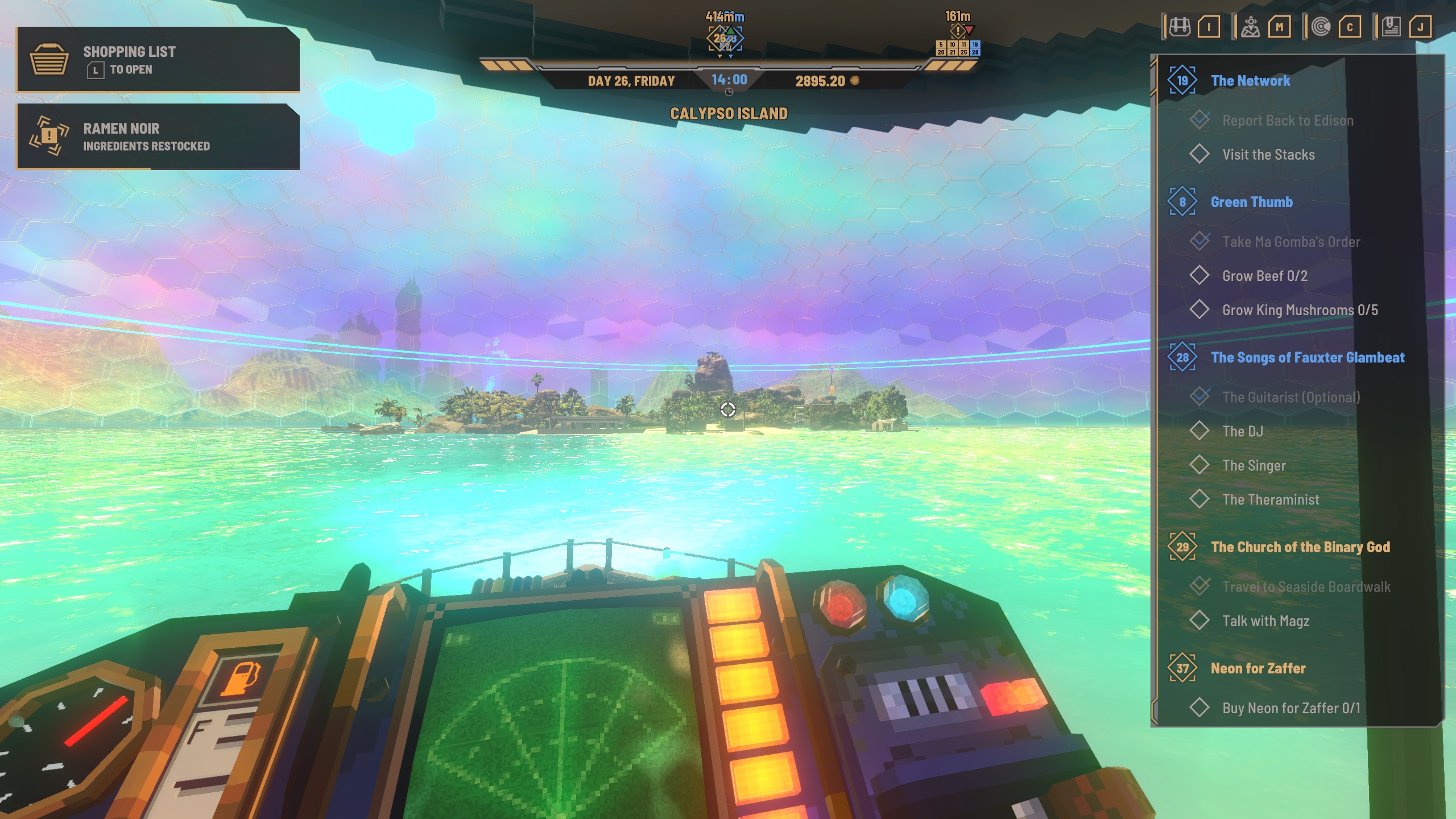
- The Notification Avalanche: Within the first few in-game days, the player’s interface transforms into a digital nightmare. Quests are dumped into the log at an unsustainable rate, compass markers overlap and compete for screen space, and digital assistant automata chime in with constant directions.
- The Squeeze of Bureaucracy: Just as players begin to catch their breath, external pressures mount. Rent increases, supplier costs fluctuate, and the looming threat of corporate exploitation makes it clear that escaping the lower rungs of society is an uphill battle against an entrenched capitalist system.
Transitioning Upstream: Earning the Right to Breathe
As the campaign progresses, the game’s pacing shifts. Players who manage to survive the initial economic bottleneck begin unlocking access to higher-tier districts—specifically, the affluent islands where the city’s wealthy elite reside.
Here, the pacing slows down. The suffocating HUD clutter begins to recede as players delegate tasks, automate their shop management, and invest in long-term infrastructure. It is at this stage that Nivalis Nights begins to offer the soothing, reflective qualities that fans initially expected. However, reaching this oasis requires enduring a grueling trial by fire that weeds out anyone expecting an immediate, frictionless escape.
Supporting Context & Metrics: The Mechanics of "To-Do List Horror"
To understand why Nivalis Nights divides its player base, one must examine the specific mechanics that generate its unique brand of stress—what reviewers have aptly dubbed "to-do list horror."

The Burden of Micro-Management
Unlike traditional farm simulators like Stardew Valley or Animal Crossing, where time penalties are generally forgiving and failure has negligible consequences, Nivalis Nights couples economic survival with time-sensitive obligations.
- Financial Precariousness: Running out of funds halts progression and forces awkward compromises, such as failing to pay staff or missing inventory restocks.
- Quest Saturation: The game features a sprawling narrative populated by deeply voiced, multi-layered characters. While the writing and voice acting are universally praised for moving seamlessly from dark comedy to genuine heart, the sheer volume of concurrent storylines creates severe cognitive overload.
- Systemic Interconnectedness: Management systems do not operate in a vacuum. Decorating a shop, maintaining customer satisfaction, managing supply chains, and engaging in nuanced, non-transactional romances all demand active cognitive bandwidth.
The Evolution of the "Cozy" Demographic
The term "cozy" has undergone a semantic shift over the past decade. Once reserved strictly for low-intensity puzzle games and farm sims, the genre now encompasses cozy horror, survival-crafting games with base-building elements, and emotionally heavy narrative adventures.
Despite this broadening definition, Nivalis Nights tests the outer limits of the label. It proves that a game can feature classic cozy staples—such as interior design, shop management, and community relationship-building—while simultaneously rejecting the core tenet of instant relaxation. For players with a high tolerance for frantic multitasking, the game is a masterclass in atmospheric storytelling. For those seeking an unstressful evening unwind, it can feel indistinguishable from an extra shift at a real-world job.
Official Statements: Inside the Mind of Ion Lands
The deliberate friction built into Nivalis Nights has been a central point of discussion among the development team. Addressing community feedback regarding the game’s overwhelming opening hours, lead writer Thomas Welsh offered crucial insight into the studio’s vision:
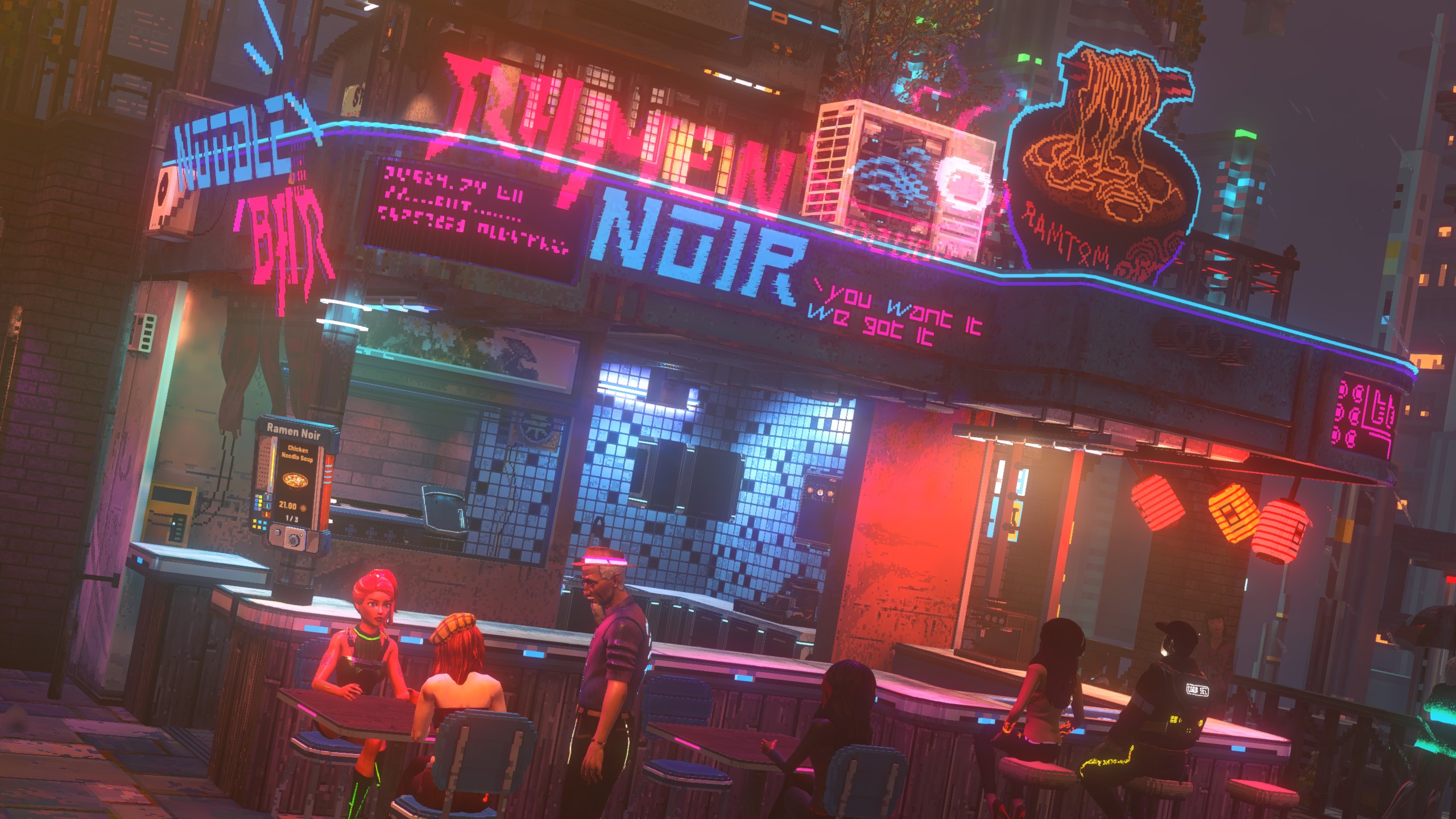
"The start of the game is intentionally overwhelming. Nivalis doesn’t have player death or shooting or boss fights, but that doesn’t mean it’s a cozy game. Life in a cyberpunk world shouldn’t be relaxing and free of stress—not at first anyway. If you want a cozy existence in this city, you’re going to have to earn it."
Welsh elaborates on how the team sought to translate the psychological weight of modern technology and urban survival into game mechanics:
"We imagined a world that felt like every app on your phone was sending you an urgent notification. Players can swim upstream, and they might end up rich, living on a farm. Or they might learn that success in Nivalis can look different for each person. You can even finish the story while being terrible at business."
This design philosophy highlights a refreshing willingness to subvert player expectations. By ensuring that success—and comfort—are hard-won commodities, Ion Lands has crafted a cyberpunk experience where the emotional payoff of achieving stability feels genuinely earned, rather than freely handed out.
Future Outlook: Redefining Boundaries in Simulation Gaming
The reception of Nivalis Nights serves as a watershed moment for the simulation genre. As developers continue to experiment with cross-genre mechanics, the traditional boundaries separating hardcore management sims from casual cozy games are blurring.
Looking ahead, several key takeaways emerge from the Nivalis Nights experiment:
- The Rise of "Earned Comfort": Future titles may increasingly adopt the philosophy that relaxation tastes sweeter when preceded by genuine struggle, creating a sub-genre of "gritty cozy" games.
- Interface Design as Narrative: Ion Lands has demonstrated that UI clutter and notification overload can be powerful storytelling tools, weaponized to make the player viscerally feel the stress of a dystopian setting.
- Subjective Genre Taxonomy: As Steam tags and player expectations continue to collide, storefronts may need more nuanced categorization tools to distinguish between games that offer immediate relaxation versus those that deliver delayed gratification through management mechanics.
Ultimately, Nivalis Nights may never achieve universal consensus regarding its "cozy" status. Whether viewed as an anxiety-inducing bureaucratic nightmare or a brilliantly structured journey from poverty to peace, the game has successfully challenged developers and players alike to rethink what it means to live, work, and find a moment of quiet in the digital rain.