Executive Overview
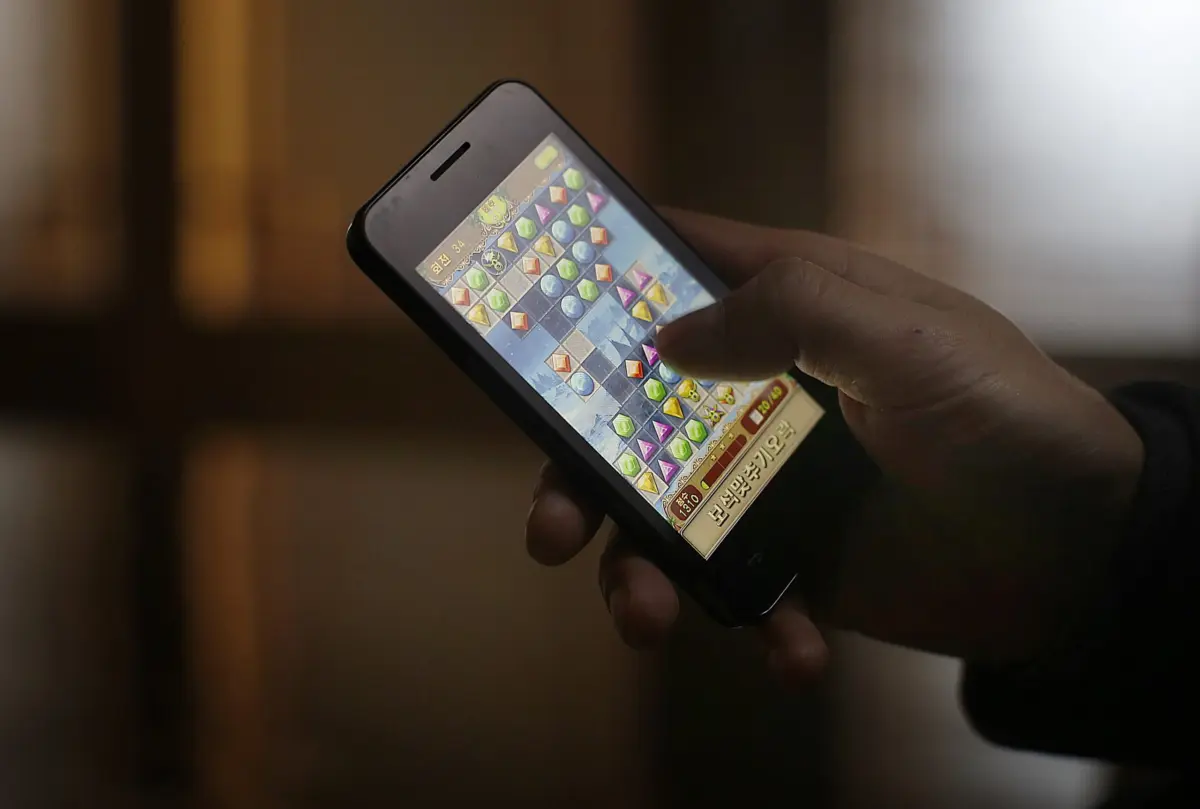
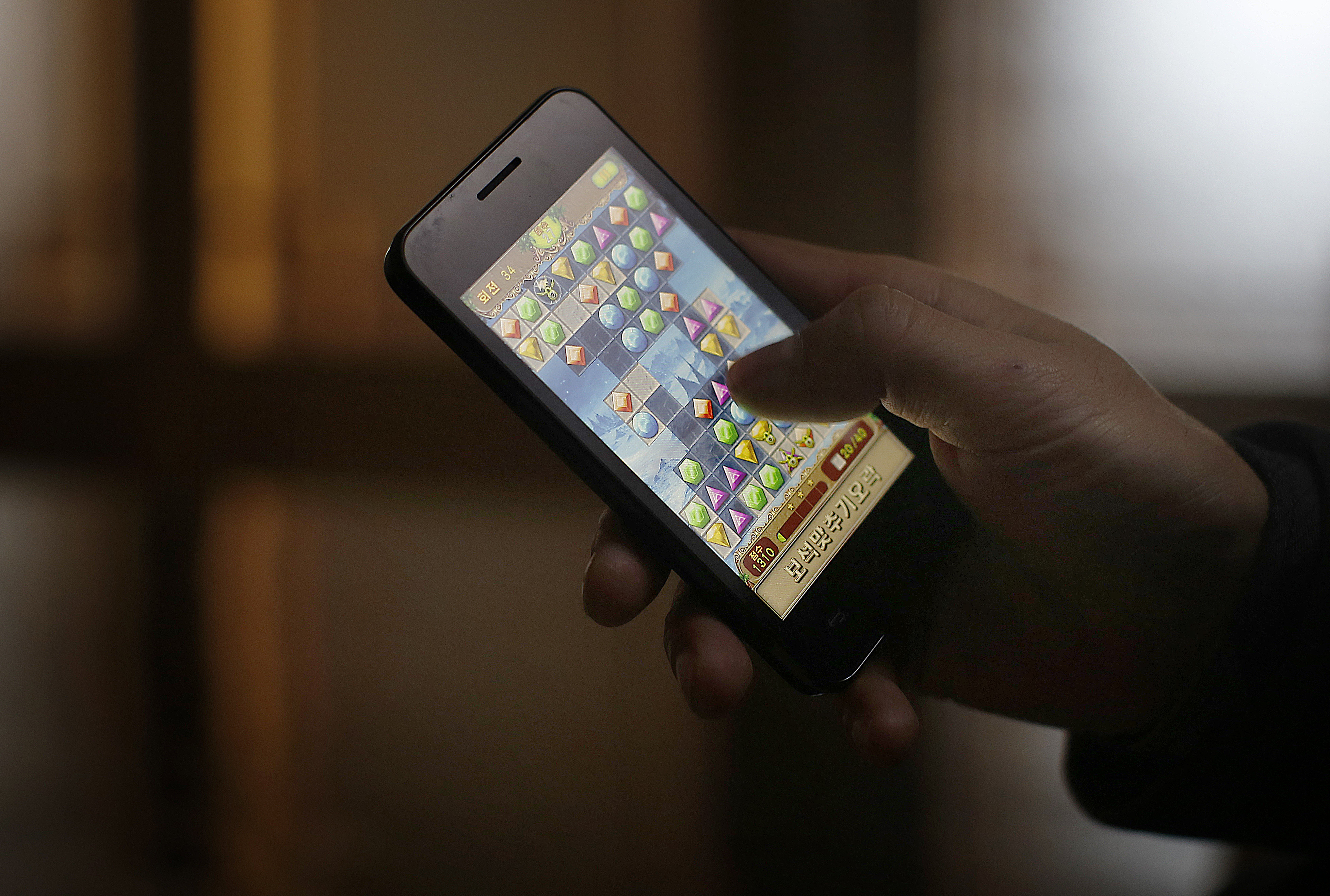
In an era defined by hyper-connectivity, where smartphones have essentially become digital extensions of the human hand, a quiet public health conversation is finally entering the mainstream. With approximately 95 percent of American adults carrying mobile devices daily, according to the Pew Research Center, our physical relationship with technology is unprecedented. For the first time in human history, populations are bathing in low-level electromagnetic fields (EMFs) and radiofrequency (RF) radiation twenty-four hours a day, seven days a week.
Amid this technological saturation, the California Department of Public Health (CDPH) released a set of official advisory guidelines aimed at educating the public on how to minimize exposure to cell phone radiation. While the scientific community remains divided over the definitive long-term health consequences of chronic radiofrequency exposure, public health authorities argue that proactive caution is essential.
The guidelines do not demand that consumers abandon their devices. Instead, they offer practical, evidence-based adjustments to daily habits—pointing out five remarkably common behaviors that drastically increase radiation absorption. From sleeping with a device tucked under a pillow to making calls in moving vehicles, millions of people unknowingly amplify their exposure to non-ionizing radiation every single day. This report examines the background of these guidelines, the underlying physics and health debates, and the five essential rules public health officials say everyone should follow.
Detailed Chronology: The Long Road to Transparency
The publication of California’s advisory did not happen overnight; it was the culmination of nearly a decade of legal battles, bureaucratic resistance, and mounting pressure from public health researchers.
2009: The Legal Battle Begins
The trajectory toward public disclosure began in 2009, when Dr. Joel Moskowitz, a psychologist and researcher at the University of California, Berkeley, filed a lawsuit against the California Department of Public Health. Moskowitz took legal action after the state repeatedly refused to release internal drafts and documents detailing the potential health risks associated with cellphone radiation. For years, public health agencies maintained a cautious, non-alarmist stance, arguing that existing federal standards set by the Federal Communications Commission (FCC) were sufficient to protect consumers.
Spring 2017: A Legal Milestone
For eight years, the legal tug-of-war persisted. However, in the spring of 2017, Dr. Moskowitz achieved a major legal victory when the state was compelled to release the documents. The forced transparency exposed a draft guidance document that had been shelved for years due to bureaucratic hesitation. Upon winning the suit, Moskowitz criticized the state’s prolonged secrecy, telling reporters: "People are being injured and harmed by the delay in having this information accessible to them."
December 2017: The First-Ever Official Guidelines
Pressured by the outcome of the lawsuit, mounting independent research, and growing public anxiety, the CDPH officially published its advisory document, titled "How to Reduce Exposure to Radiofrequency Energy from Cellphones." Dr. Karen Smith, director of the state health department at the time, noted that the release was prompted by widespread public inquiries and a commitment to transparency regarding emerging environmental health topics. The document marked a significant shift in governmental communication, moving from a blanket reassurance of safety to an empowering framework of risk reduction through common sense.
Supporting Context & Metrics: The Science of RF Radiation
To understand why health officials issued these warnings, it is necessary to examine the physics of mobile devices and the body of scientific literature surrounding non-ionizing radiation.
Non-Ionizing Radiation and Thermal Effects
Smartphones communicate by transmitting signals via radiofrequency (RF) energy, which is a form of electromagnetic radiation. Unlike X-rays or gamma rays, which possess "ionizing" radiation capable of breaking chemical bonds and directly damaging DNA, cellphones emit "non-ionizing" radiation.
For decades, the official stance of regulatory bodies—including the U.S. Food and Drug Administration (FDA) and the National Cancer Institute (NCI)—has been that non-ionizing radiation does not carry enough energy to damage DNA directly. Its primary established biological effect is thermal: it can slightly heat the biological tissues closest to the phone’s antenna. When an individual holds a smartphone directly against their ear, the localized tissues in the ear, skull, and brain absorb this RF energy.
However, critics and independent researchers argue that dismissing non-ionizing radiation solely because it lacks thermal-level intensity ignores emerging biological markers. Prolonged, cumulative exposure to even low levels of RF energy may trigger oxidative stress, disrupt cellular metabolism, and impact neurological function over decades.
The Scientific Divide: Cancer, Fertility, and Sleep
While major institutions like the American Cancer Society (ACS) acknowledge that definitive proof linking cellphones to cancer remains elusive, studies continue to yield concerning correlations.
- Brain Tumors: A comprehensive review published in PLOS ONE analyzed data spanning decades and noted a "significant association" between long-term mobile phone use and the risk of glioma, a malignant type of brain tumor. While critics point out limitations and variability in historical data quality, researchers consistently agree that more longitudinal study is desperately needed.
- Reproductive Health: Independent studies published in clinical and reproductive journals have suggested that carrying smartphones in front pants pockets or holsters can negatively impact male fertility, correlating with lowered sperm counts and reduced sperm motility due to thermal and electromagnetic interference.
- Neurological and Sleep Disruption: Beyond oncology, heavy cellphone use has been linked to chronic headaches, cognitive fatigue, memory retention issues, and profound disruptions in circadian rhythms. The blue light emitted by screens combined with close-range electromagnetic frequencies can severely impede restorative sleep architecture.
The Global Perspective: Long-Term Tracking
Because widespread cellular technology has only existed for a fraction of a human lifespan, establishing definitive long-term health effects remains a scientific challenge. Recognizing this limitation, European health experts launched the COSMOS project (Cohort Study on Mobile Communications) in 2007. This monumental, multi-decade epidemiological study is actively tracking the health profiles and mobile usage habits of over half a million participants across Europe, aiming to provide definitive answers by the 2030s or 2040s.
Official Statements and Regulatory Realities
The debate over cellphone safety highlights a fundamental friction between public health precaution and technological ubiquity.
Federal agencies in the United States, such as the FCC and the NCI, have traditionally maintained that as long as devices comply with Specific Absorption Rate (SAR) limits—which measure the rate at which the body absorbs RF energy—they are safe for public consumption. The NCI’s official fact sheet states: "Radiofrequency exposure from cellphone use does cause heating to the area of the body where a cellphone or other device is held… However, it is not sufficient to measurably increase body temperature, and there are no other clearly established effects on the body from radiofrequency energy."
However, public health advocates and state-level officials argue that waiting for absolute scientific consensus before issuing cautionary advice is irresponsible. Dr. Karen Smith of the CDPH emphasized that while science continues to evolve, empowering citizens with preventative measures costs nothing and offers an immediate buffer against potential, yet unquantified, risks.
This philosophy mirrors historical public health rollouts regarding tobacco, asbestos, and early X-ray machines—where commercial adoption far outpaced safety evaluations, and regulatory bodies were slow to acknowledge cumulative, long-term hazards.
The New Guidelines: Five Common Practices to Avoid
California’s health advisory stresses that radiation exposure is not fixed; it can increase or decrease exponentially based on proximity, signal strength, and usage habits. Small adjustments can drastically reduce daily absorption.
The CDPH guidelines explicitly warn against five common cellphone habits:
1. Don’t Hold Your Phone Directly Up to Your Ear
The human skull is remarkably thin in certain areas, and pressing a transmitting antenna directly against the ear maximizes localized RF energy absorption.
- The Safer Alternative: Use the speakerphone function or invest in a headset whenever possible. Both wired and Bluetooth headsets emit significantly lower RF energy levels than a direct handset. Furthermore, whenever voice calls can be substituted with text messaging, the radiation exposure is inherently reduced.
2. Avoid Using Your Phone in Fast-Moving Vehicles
When you are traveling in a car, train, or bus at high speeds, your phone must work drastically harder to maintain a stable connection. As you move rapidly across geographic regions, the device constantly switches its connection from one cell tower to the next.
- The Safer Alternative: Unless your phone is switched to "Airplane Mode," a moving vehicle forces the internal transmitter to surge its power output to prevent dropped calls, drastically increasing RF emission.
3. Avoid Using Your Phone When Signal Bars Are Low
When you see only one or two service bars on your screen, it indicates that your device is struggling to reach a distant or obstructed cell tower. To compensate for the weak signal, the phone automatically ramps up its internal transmitter power to maximum capacity.
- The Safer Alternative: Refrain from making long phone calls or streaming heavy data when your reception is poor. Wait until you have a robust signal, or utilize Wi-Fi calling if a stable broadband connection is available.
4. Never Carry Your Phone Directly Against Your Body
Many individuals habitually slip their smartphones into pants pockets, shirt pockets, or body holsters. Because mobile devices continuously ping nearby towers in the background to check for notifications, emails, and text messages, carrying them flush against soft tissues or reproductive organs creates continuous, low-level exposure.
- The Safer Alternative: Carry your phone in a backpack, briefcase, or purse. Maintaining even a small physical buffer—just a few inches away from the body—exponentially decreases radiation absorption. If you must carry the device in a pocket, switch it to Airplane Mode.
5. Never Sleep with Your Phone Under Your Pillow
In the modern age, scrolling social media in bed has become a universal ritual, leading many to leave their devices charging under their pillows or on their nightstands inches from their heads. This habit ensures eight hours of continuous proximity to electromagnetic emissions during a period when the body is trying to repair and regenerate cells.
- The Safer Alternative: Keep your phone at least an arm’s length away from your bed while sleeping. Better yet, turn the device completely off or enable Airplane Mode to halt all background cellular transmissions entirely through the night.
Future Outlook
As wireless technology continues to evolve—transitioning rapidly into dense 5G, 6G, and ubiquitous Internet of Things (IoT) ecosystems—our collective exposure to electromagnetic fields will only intensify. The debate surrounding non-ionizing radiation is unlikely to vanish; rather, it will demand more rigorous, transparent, and long-term scientific inquiry.
California’s proactive stance serves as an important bridge between corporate technological expansion and individual bodily autonomy. While the ultimate long-term health verdict on cellphone radiation remains to be written, the wisdom of the CDPH guidelines lies in their simplicity. By adopting a precautionary mindset and modifying a few everyday habits, consumers can successfully navigate the digital age without compromising their peace of mind or their long-term well-being.