
Executive Overview
When Smallville premiered on The WB on October 16, 2001, the landscape of televised science fiction and comic book adaptations was entirely different. Bringing DC Comics’ most iconic superhero, Superman, to weekly episodic television presented astronomical hurdles. Historically, the medium struggled with the budgetary limitations of special effects, and a protagonist who could effortlessly fly and bend steel ran the risk of looking cheap or campy.
Creators Alfred Gough and Miles Millar bypassed these production roadblocks with a remarkably simple, brilliant creative mandate: "No tights, no flights."
Rather than instantly rushing Clark Kent into his iconic red-and-blue cape, the series chose to ground its storytelling in the awkward, transformative crucible of adolescence. Tom Welling’s Clark Kent had extraordinary, world-altering powers, but he also had to deal with the universally relatable trials of high school: algebra homework, parental rules, intense romantic crushes, and an suspiciously high concentration of classmates mutated by glowing green Kryptonite.
By prioritizing the human heart of the character over his celestial destiny, Smallville spent ten seasons redefining what superhero television could achieve. Twenty-five years later, as the complete series finds a new generation of viewers on streaming platforms like Hulu and Disney+, its core thesis remains as revolutionary as ever: Clark Kent was a hero long before he ever put on the suit.
Detailed Chronology: The Evolution of a Legend
The trajectory of Smallville across its decade-long run can be charted through its shifting narrative tones, iconic guest stars, and the slow, agonizingly deliberate evolution of its central characters.

Phase 1: The High School Years and the Genesis of Conflict (Seasons 1–4)
The early years of Smallville focused heavily on the "monster-of-the-week" formula, driven by meteor rocks that showered Kansas during the day of Clark’s arrival. These episodes established the grounded reality of Smallville, focusing on the deep moral foundation laid by Jonathan (John Schneider) and Martha Kent (Annette O’Toole).
Simultaneously, the show introduced its most enduring dynamic: the tragic friendship between Clark Kent and a young Lex Luthor (Michael Rosenbaum). In the pilot episode, Clark saves Lex from drowning after a high-speed car crash off a bridge. This fateful meeting forged a profound bond built on mutual isolation—Clark hiding his otherworldly origins, and Lex trying to escape the shadow of his tyrannical billionaire father, Lionel Luthor (John Glover).
Phase 2: Expanding the Mythology and Introducing Future Icons (Seasons 5–7)
As Clark transitioned out of high school and into his college years (and eventually worked at the Daily Planet), the series expanded its scope. The mythology grew to encompass broader DC Comics lore, introducing classic heroes and villains alike. Justin Hartley joined the cast as Oliver Queen, the Green Arrow, adding a gritty, vigilante foil to Clark’s wholesome idealism.
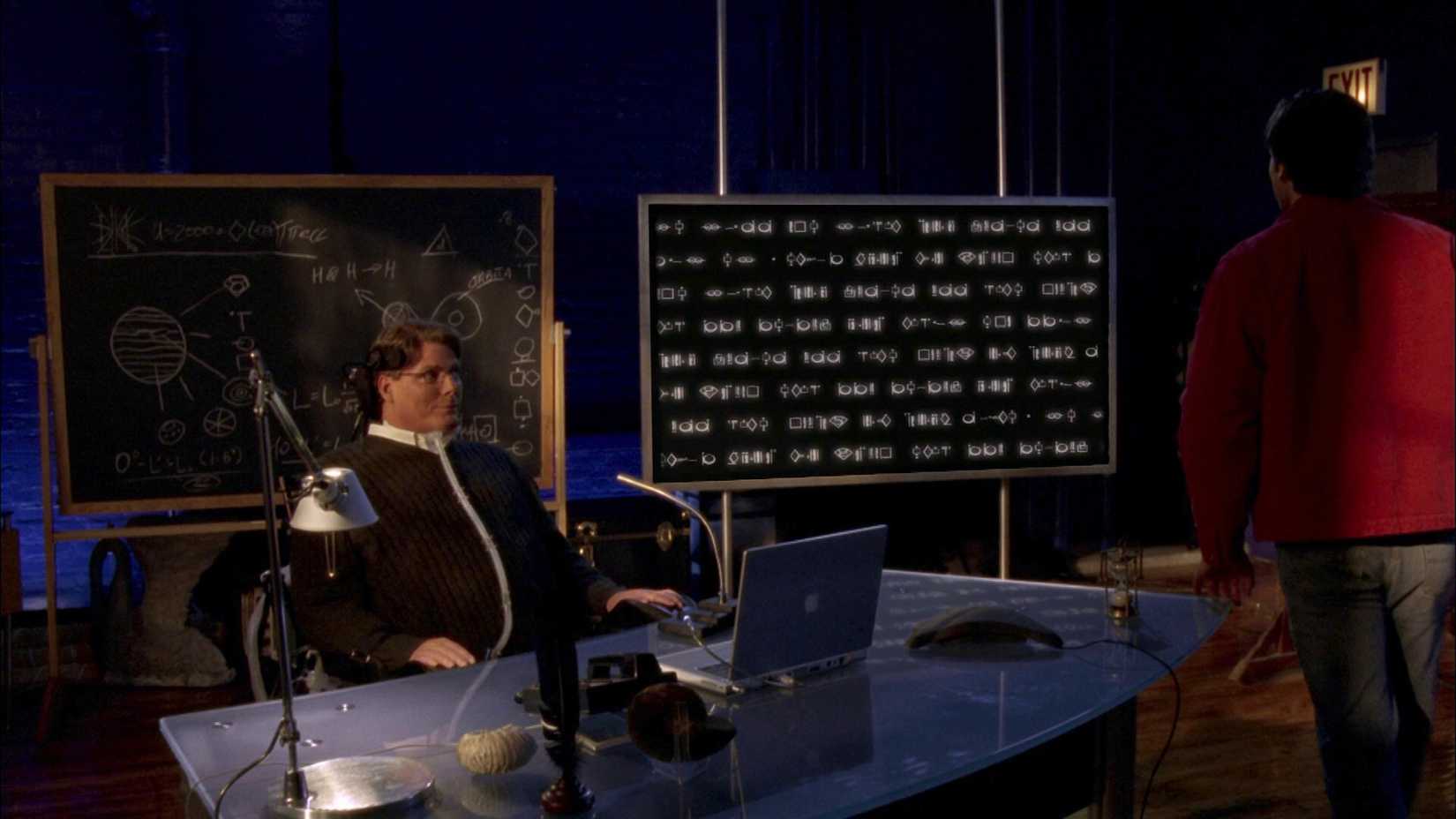
This era also celebrated Superman’s cinematic legacy. In Season 2’s "Rosetta," Christopher Reeve—the definitive Man of Steel of the 20th century—guest-starred as Dr. Virgil Swann, a wheelchair-bound scientist who helps Clark unlock the secrets of his Kryptonian heritage. Passing the torch from Reeve to Welling remains one of the most emotional moments in television history. Additional legacy casting followed, including Margot Kidder, Terence Stamp, Helen Slater, Dean Cain, and Teri Hatcher, firmly cementing Smallville as both a modern narrative and a living museum of Superman history.
Phase 3: The Final Stretch and the Road to the Cape (Seasons 8–10)
The latter half of the series faced pacing hurdles. The endless, tortuous romantic back-and-forth between Clark and Lana Lang (Kristin Kreuk) occasionally strained audience patience, particularly after Lois Lane (Erica Durance) arrived with a sparkling, energetic wit that instantly captured the traditional dynamic of the mythology. Furthermore, postponing Clark’s transformation into Superman created narrative drag.

However, the series finished strong, culminating in a 2011 series finale that finally granted viewers the sight they had waited a decade to see: Clark donning the suit, stepping out of the shadow of doubt, and officially taking flight as Superman.
Supporting Context & Metrics: A Star-Studded Cradle for Hollywood Talent
Beyond its mythological contributions to the DC universe, Smallville inadvertently functioned as an elite incubator for Hollywood’s future A-list actors and creators.
A retrospective rewatch of the series serves as a dizzying treasure hunt for future superstars making their early television appearances:
- Amy Adams portrayed a teenager grappling with a dangerous, weight-loss-driven meteor mutation in Season 1’s "Craving."
- Jensen Ackles starred as Jason Teague during Season 4 before moving on to lead Supernatural for fifteen seasons.
- Alan Ritchson suited up as Arthur Curry (Aquaman) years before becoming the muscle behind Amazon’s Reacher.
- Paul Wesley and Lizzy Caplan also made memorable early-career stops in the fictional Kansas town.
The Streaming Renaissance and Cultural Impact
Upon its completion in 2011 after 218 episodes, Smallville left behind a definitive blueprint for sustained, serialized superhero storytelling on network television. Without Smallville proving that audiences would invest years in a comic book adaptation without relying on full-time costumes and high-budget cinematic effects, Greg Berlanti’s Arrow (2012) likely would never have found its footing. The subsequent Arrowverse—encompassing The Flash, Supergirl, and Legends of Tomorrow—owes an immense debt of gratitude to the groundwork laid down in Kansas.
Furthermore, the show’s cultural footprint endures through its opening theme song, Remy Zero’s haunting "Save Me." Decades later, asking any fan to read the phrase "Somebody saaaaavvvveee me!" instantly triggers the iconic early-2000s rock chord progression in their minds.

Official Statements and Creator Insights
Reflecting on the unique constraints placed upon the production, creators Alfred Gough and Millar have frequently discussed the psychological depth forced upon them by the "no tights, no flights" rule.
In retrospective interviews, Gough noted that limiting Clark’s physical abilities forced the writing room to focus on character motivation, interpersonal accountability, and emotional maturity. "If he can fly and solve every problem with heat vision in the first act, you don’t have a drama—you have a twenty-minute cartoon," Gough explained. By treating Clark’s powers as a metaphor for adolescent alienation—the feeling of being fundamentally different from everyone around you—the writers ensured that the supernatural elements always served the emotional truth of growing up.
Michael Rosenbaum’s portrayal of Lex Luthor is similarly celebrated as one of the finest villainous arcs in television history. Rosenbaum often credits the multi-season slow burn for Lex’s descent into darkness. Because the audience witnessed his genuine friendship with Clark, his eventual villainy never felt cartoonish or unearned; it was a tragedy born of secrets, paranoia, and the tragic inevitability of fate.
Future Outlook: Why Smallville Endures 25 Years Later
As Smallville celebrates its quarter-century milestone, its cultural persistence is secure. In an era dominated by hyper-serialized streaming franchises, cinematic universes, and relentless CGI spectacles, the modest, character-driven roots of a Kansas farm boy learning how to be good offer a refreshing counter-programming option.
While contemporary comic book adaptations often rush headfirst into multiversal stakes and world-ending cataclysms, Smallville understood that a hero is defined by the micro-decisions: choosing honesty over deception, protecting the vulnerable, and accepting the heavy responsibilities of immense power.
Whether viewers are revisiting the series on Hulu and Disney+ for a wave of profound nostalgia or experiencing the trials of Clark Kent for the very first time, the core message remains timeless. Smallville proved that before Superman can save the world, he has to learn how to save his friends, his family, and—most importantly—himself.