
Executive Overview
The battle for the modern living room is officially over, and YouTube has won. As connected TVs (CTVs) cement their status as the platform’s primary consumption hub, digital marketers face a paradigm shift that renders traditional mobile-first strategies obsolete. YouTube’s aggressive, platform-wide push into television screens is not merely a hardware preference; it is a fundamental transformation in audience psychology, content expectations, and monetization.
For years, digital creators optimized for the hurried commuter scrolling on a smartphone—accepting low production standards and short viewing sessions as the cost of entry. Today, that same viewer is lounging on a 65-inch screen, fresh off a cinematic streaming binge, unconsciously applying high-end studio standards to independent content creators.
To survive and scale in this new ecosystem, marketers must adapt to a suite of disruptive innovations. From advanced AI-driven search tools like "Ask YouTube" and high-resolution thumbnail capacities to the introduction of "Unique Reach" metrics and frictionless "Buy with Google Pay" TV commerce, the rules of engagement have been rewritten. This report breaks down the strategic imperatives marketers must embrace to capture the couch-bound consumer.
Detailed Chronology: The Evolution of YouTube on Connected TVs
The transition of YouTube from a desktop novelty to a dominant television titan did not happen overnight. It represents a calculated, multi-year engineering and marketing rollout designed to capture traditional broadcast viewership.

- Phase 1: The Hardware Realization. YouTube identified early that connected TVs were driving exponential watch-time growth. As smart TVs, gaming consoles, and streaming sticks saturated households, the living room emerged as the platform’s fastest-growing traffic source, often eclipsing mobile and desktop for established channels.
- Phase 2: Upgrading Visual Infrastructure. Recognizing that mobile-optimized assets failed on large displays, YouTube expanded its thumbnail file size limit from 2 megabytes to 50 megabytes, enabling pristine 4K uploads. Simultaneously, the platform introduced automated AI upscaling for legacy videos under 1080p, giving creators baseline quality control.
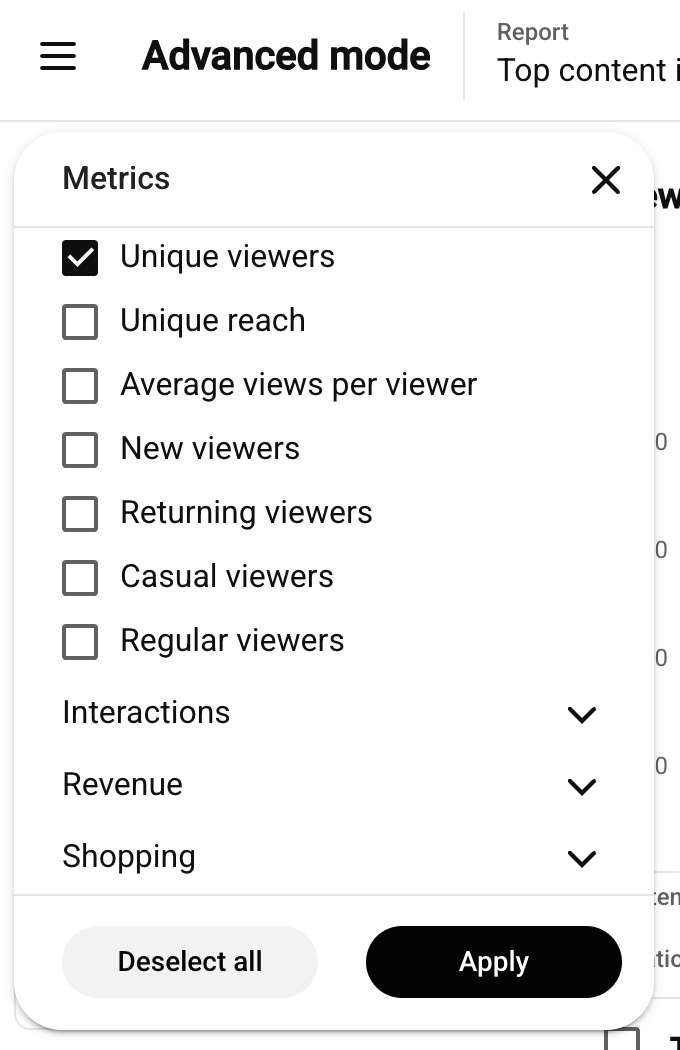
- Phase 3: The Metrics Revolution. To appease brand partners and secure television-sized advertising budgets, YouTube rolled out the "Unique Reach" metric. This analytical tool bridges the gap between digital counting and traditional Nielsen-style television ratings by estimating co-viewership on shared household screens.
- Phase 4: AI Integration and Voice Discovery. The deployment of Gemini-powered AI features, specifically "Ask YouTube," brought conversational search and multimodal computer vision directly to smart remotes. This transformed the TV from a passive viewing box into an interactive, voice-driven search engine.
- Phase 5: Frictionless Living Room Commerce. Most recently, YouTube integrated "Buy with Google Pay" capabilities directly into connected TV interfaces. Viewers can now complete purchases via remote-click functionality, turning video content into a direct-response sales funnel.
Supporting Context & Metrics: Why the Couch Mindset Changes Everything
Understanding the TV audience requires acknowledging a profound psychological shift. A consumer watching on a mobile device while riding a subway car maintains low expectations regarding video fidelity and pacing. They are guarded, easily distracted, and accustomed to swiping away at the slightest friction.
Conversely, a viewer settled on a couch after streaming a premium series carries those elevated production and narrative standards over to YouTube. According to digital strategist Liron Segev, this does not mean every creator needs Hollywood budgets or clinical perfection. Instead, it demands an awareness of the physical environment.
The Low-Hanging Fruit: Banners, Thumbnails, and Delivery
Marketers frequently commit the fatal error of evaluating their content exclusively on mobile or desktop monitors. Segev advises a simple, zero-cost perspective check: sit on the couch at a realistic viewing distance and experience the channel the way a TV viewer does. This immediately exposes structural flaws.
- Channel Banners as Real Estate: TV displays additional cropping zones at the top and bottom of channel banners that remain invisible on phones. Marketers can leverage these peripheral areas for supplemental branding or promotional messaging.
- Thumbnails at Scale: A 4K thumbnail upload is useless if the design is cluttered. High-resolution files simply magnify bad design. The mandate remains unchanged: clean layouts, contrasting colors, and minimal text that stops the scroll.
- Instant Payoff: The golden rule of TV optimization is delivering immediately on the promise made by the title and thumbnail. If a video promises a specific solution, the content must address it right away before expanding into deeper context. This front-loading also benefits AI indexing, as the first 100 words of a transcript carry disproportionate weight in algorithmic discovery.
The Rise of Episodic "Infotainment"
Short, hyper-edited 3-minute tutorials have been a staple of digital video for a decade. On the living room screen, however, audiences crave length, depth, and relaxation. Ten-minute runtimes are now merely a baseline.

The successful couch-optimized format embraces "infotainment"—a blend of valuable education and relaxed pacing that makes viewers feel like they are hanging out with the creator rather than sitting through a lecture. Ironically, this environment rewards human imperfection. Leaving in bloopers, natural pauses, and unscripted moments builds authenticity, mirroring a broader cultural shift seen even in traditional broadcast media.
Official Statements and Industry Insights
Industry veterans and platform architects emphasize that the pivot to TV requires a fundamental re-evaluation of digital distribution goals.
Liron Segev highlights the staggering asymmetry of traditional advertising versus modern digital reach: "Brands spend millions of dollars on 30-second Super Bowl commercials reaching 100 million viewers, when they could be on YouTube, in front of a potential audience of billions, every day, for as long as they want." The enduring discoverability of YouTube content gives it an infinite shelf life that traditional broadcast spots simply cannot match.
On the analytics front, the introduction of the Unique Reach metric provides a clearer picture of living room dynamics. Traditional view counts track individual logged-in accounts. Unique Reach, however, models total human presence by synthesizing data points like time of day, device classification, demographics, and genre.

While this metric is a boon for creators negotiating brand sponsorships—allowing them to showcase the true household footprint of their audience—experts advise caution. Jerry Potter notes that context is vital: family-centric channels naturally boast higher co-viewership ratios, whereas niche technical channels may not. Marketers should use unique reach as an indicator of broader appeal rather than an excuse to inflate sponsorship pricing threefold.
Future Outlook: AI Discovery and Frictionless TV Commerce
As we look toward the horizon, two technological forces will dictate which brands dominate the YouTube living room: conversational AI and direct-response e-commerce.
Navigating "Ask YouTube" and Voice Search
The expansion of Gemini-powered AI features like "Ask YouTube" to smart TVs and gaming consoles transforms how users find information. Viewers can now query their TV remotes verbally, asking for specific details, summaries, or cross-references without ever opening the description box.
This shift presents a strategic challenge. Just as AI overviews impacted traditional search engine optimization (SEO) traffic for blogs, Ask YouTube risks answering user queries directly on-screen, potentially reducing direct video clicks. However, savvy marketers recognize that raw view counts matter less than qualified results. By structuring video scripts to answer core questions within the first 100 words and weaving natural-language conversational phrases into their dialogue, creators can position themselves as the trusted authorities that AI systems cite.
Furthermore, because Gemini operates as a multimodal vision model capable of analyzing on-screen graphics, lower-thirds, and visual overlays, marketers must treat every visual element as searchable metadata. Verbally stating URLs and displaying them clearly on screen ensures that voice search queries successfully surface brand destinations.
The E-Commerce Gold Rush
YouTube’s rollout of Buy with Google Pay on connected TVs signals the final maturation of social commerce. With over 35 billion hours of shopping-related content consumed on the platform—a vast portion of which occurs in the living room—YouTube is transforming into a transactional ecosystem.
For brands selling low-friction merchandise, low-ticket consumer goods, or affiliate products, a two-click remote checkout represents an unprecedented conversion engine. While high-ticket consulting and complex masterminds will still necessitate traditional landing pages and sales calls, the modern couch viewer is increasingly primed to purchase impulsively and frictionlessly.
Conclusion
YouTube’s aggressive colonization of the living room is not a trend to watch—it is an operational reality to master. Marketers who cling to mobile-centric design principles, outdated metric models, and short-form-only mentalities risk becoming invisible to the couch-bound consumer. By prioritizing visual fidelity, structuring content for group viewing and AI discovery, and embracing living room e-commerce, brands can secure a dominant position in the next era of digital entertainment.