Executive Overview
For decades, women in the United States seeking long-acting, hormone-free reversible contraception have faced an austere marketplace defined by a striking lack of innovation. For users who cannot or choose not to use hormonal methods—due to medical conditions, personal preference, or the adverse side effects associated with progestin-releasing devices—the options have been severely restricted. Until very recently, anyone desiring a long-term, nonhormonal intrauterine device (IUD) faced a de facto monopoly: the Paragard copper IUD, a heavy, rigid device whose basic architectural design has remained largely unchanged since its Food and Drug Administration (FDA) approval in 1984.
This persistent drought of alternatives has left generations of patients to navigate a labyrinth of discomfort, uncertainty, and inadequate clinical guidance. The structural limitations and high copper volume of older designs frequently trigger debilitating side effects, such as severe cramping and profuse menstrual bleeding. These barriers have historically driven some American patients to travel internationally—most commonly to Canada, which boasts a broader array of nonhormonal devices—in search of a better fit.
However, the reproductive healthcare landscape is finally shifting. In February 2025, the FDA approved the Miudella, marking the introduction of the first new copper IUD to enter the U.S. market in more than forty years. Featuring a flexible nitinol alloy frame, a significantly lower copper load strategically targeted to critical anatomical zones, and a narrower insertion profile designed to minimize procedural pain, the Miudella promises to modernize nonhormonal birth control. Yet, as early adopters have discovered, bridging the gap between federal regulatory approval and actual clinical availability involves a complex web of corporate licensing, specialized provider training, and insurance formulary adjustments.
Detailed Chronology: From Concept to Commercialization
The journey of the Miudella—from a novel engineering concept in a startup research lab to a federally approved medical device—illustrates the arduous and capital-intensive nature of contraceptive drug and device development in the United States.
Phase 1: Inception and Early Trials (2010s–2020)
Originally developed by ContraMed under the developmental name VeraCept, the device was conceived by medical device researchers seeking to address the primary complaints associated with legacy copper IUDs: heavy bleeding and procedural pain. ContraMed designed a flexible, anatomically adaptive frame and initiated early-stage clinical evaluations.
Phase 2: Corporate Acquisitions and Phase 3 Trials (2020–2025)
As the device moved toward pivotal registration trials, ContraMed was acquired by Sebela Pharmaceuticals, a midsize pharmaceutical firm looking to expand its footprint in women’s health. Sebela steered the device through extensive Phase 3 clinical trials, enrolling more than 1,600 participants to track efficacy, safety, and patient tolerance over extended periods. This rigorous clinical evaluation culminated in FDA approval in February 2025, initially greenlighting the device for up to three years of continuous use, with subsequent developer petitions submitted to double its approved lifespan to six years.
Phase 3: Commercial Hand-Off and Market Rollout (2025–Present)
Despite securing regulatory clearance, Sebela opted to monetize its investment by selling the U.S. commercialization and distribution rights to Organon, a publicly traded pharmaceutical company globally recognized for its robust women’s health portfolio (including the hormonal contraceptive implant Nexplanon and the NuvaRing). Announced via a $27.5 million licensing agreement plus future sales-based milestones, this hand-off provided the device with the robust distribution infrastructure and hospital network relationships necessary for a nationwide launch. Organon initiated a specialized Risk Evaluation and Mitigation Strategy (REMS) training program to certify clinicians in proper insertion techniques ahead of its anticipated late-year commercial availability.
Supporting Context & Metrics: Engineering and Clinical Realities
To understand why the medical community and patients are anticipating the Miudella’s arrival, one must examine the distinct engineering and physiological differences that separate it from legacy models like the Paragard.
Architectural Innovations: Nitinol and Targeted Copper
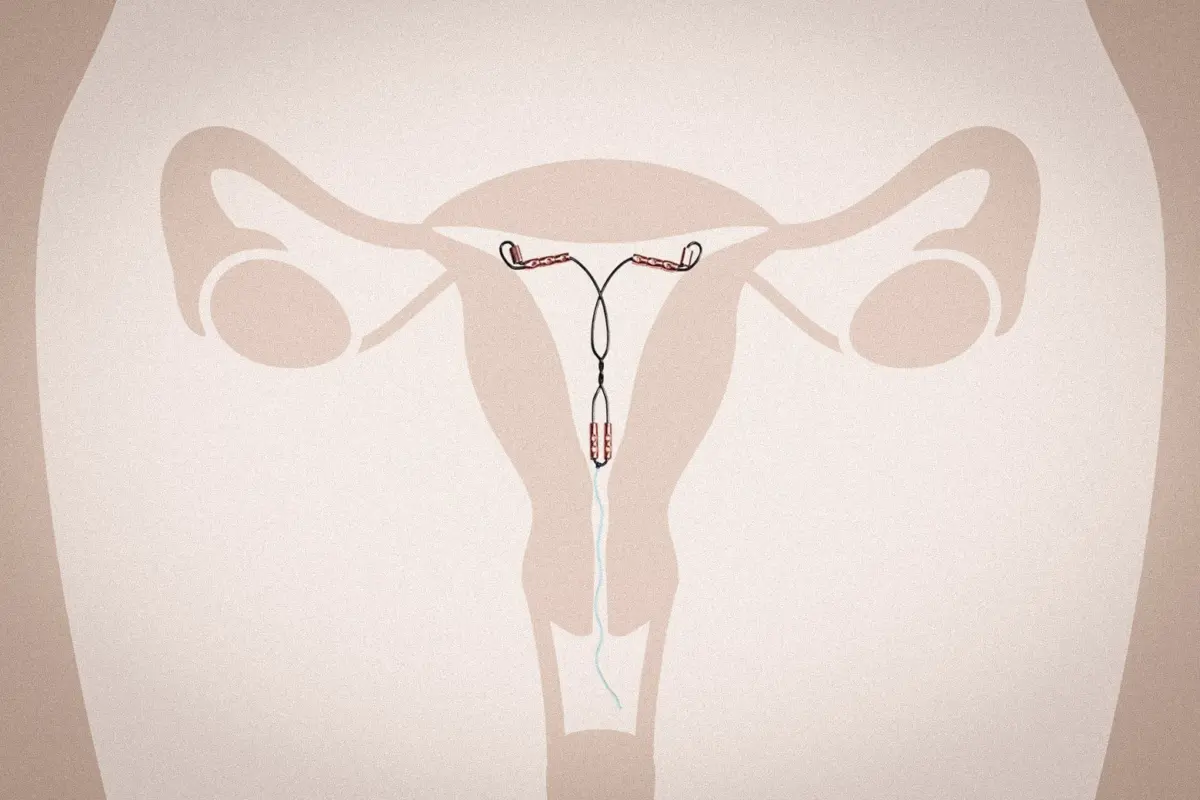
- The Frame: Traditional copper IUDs rely on a stiff, rigid, T-shaped plastic frame around which copper wire is wrapped. The Miudella replaces the rigid vertical plastic stem with nitinol, a shape-memory metal alloy composed of nickel and titanium. Nitinol possesses unique super-elastic properties, allowing the device to compress into a narrow delivery tube and then flex dynamically back into a custom shape that gently adapts to the contours of the uterine cavity.
- The Copper Load: The Paragard is designed to flood the endometrial cavity with a high volume of copper to disrupt sperm motility and viability. In contrast, the Miudella utilizes less than half the total surface area of copper found in the Paragard. Crucially, this copper is strategically concentrated in cuffs at the base of the device (slowing sperm at the internal os) and along its arms (positioning spermicidal ions near the fallopian tubes). Clinical research suggests that reducing overall copper mass directly diminishes the inflammatory response responsible for severe menstrual cramping and excessive bleeding.
- Insertion Dynamics: Procedural pain remains a major deterrent for patients considering IUDs. The Miudella comes preloaded in a specialized inserter featuring a rounded tip and a significantly narrower outer diameter (3.7 mm compared to the Paragard’s 4.75 mm). This reduction is designed to ease passage through the nerve-dense cervical canal, significantly mitigating the acute, visceral discomfort commonly reported during placement.
Clinical Efficacy and Tolerability Metrics
Clinical trial data tracking over 1,600 participants has provided unprecedented insight into the user experience of the Miudella:
- Contraceptive Efficacy: Both the Miudella and the Paragard demonstrate exceptional real-world and clinical efficacy rates of approximately 99 percent, placing them among the most reliable forms of reversible birth control available.
- Side Effect Trajectory: Data from longitudinal surveys indicate that while 69 percent of participants experienced heavy bleeding and 28 percent reported pelvic discomfort in the immediate three months post-insertion (attributable to the initial endometrial adjustment), these symptoms dropped sharply over time. By months three to six, heavy bleeding was reported by only 25 percent of users, plummeting to just 2.5 percent by the fifth year of use.
- Continuation Rates: Comparative randomized trials have shown that patients assigned to the Miudella framework exhibit higher long-term continuation rates than those assigned to traditional high-copper T-shaped devices, largely driven by superior tolerability and a reduction in chronic side effects.
Official Statements and Industry Perspective
The commercial introduction of a novel nonhormonal IUD highlights the intricate mechanics of pharmaceutical distribution and the regulatory safeguards governing women’s health devices.
Dr. David Turok, an OB-GYN and professor at the University of Utah who served as an investigator on pharmaceutical-funded clinical trials for the device, emphasized the paradigm shift in design philosophy:
"The Paragard design is an effort to essentially deliver as much copper as possible into the endometrial cavity, where you can mess with sperm. The approach with Miudella is to say, ‘Hey, we don’t need all of that.’"
Addressing the practical realities of bringing the device to clinics nationwide, Juan Camilo Arjona Ferreira, Organon’s chief medical officer and head of research and development, outlined the phased distribution strategy:
"It’s not going to be available to everybody all at once."
Arjona Ferreira noted that while the company is rapidly expanding its certified provider base through mandatory REMS training modules, full patient access will depend heavily on individual clinical adoption rates and the speed at which commercial and public insurers update their administrative formularies. Under the Affordable Care Act, most insurance plans are mandated to cover at least one product within every recognized method category of contraception without cost-sharing. However, adding a brand-new medical device to an active formulary list requires individual administrative review, meaning insurance coverage will roll out iteratively across different healthcare networks.
Future Outlook: What the Miudella Means for Reproductive Healthcare
The introduction of the Miudella signals a potential turning point for a pharmaceutical sector that has historically underinvested in contraceptive innovation. For years, the dominance of hormonal interventions—while transformative for millions—left a significant demographic of patients underserved due to medical contraindications or personal aversion to synthetic hormones.
As Organon completes its nationwide commercial rollout and provider training initiatives, the true test of the Miudella will lie in its accessibility. Patients will need to navigate certified provider locators, confirm clinic stock levels, and work through insurance verification processes. Nevertheless, the mere presence of a modern, flexible, low-copper alternative breaks a four-decade stagnation in nonhormonal IUD technology.
For researchers, clinicians, and patients alike, the Miudella represents more than just a new SKU on a medical supply list; it is a long-overdue validation that technological innovation in women’s health is both possible and profoundly necessary.